
Filter Post Type
NewsVideoProductEventLink
Sort:
Most Recent
1–10 of 44

October 31, 2025
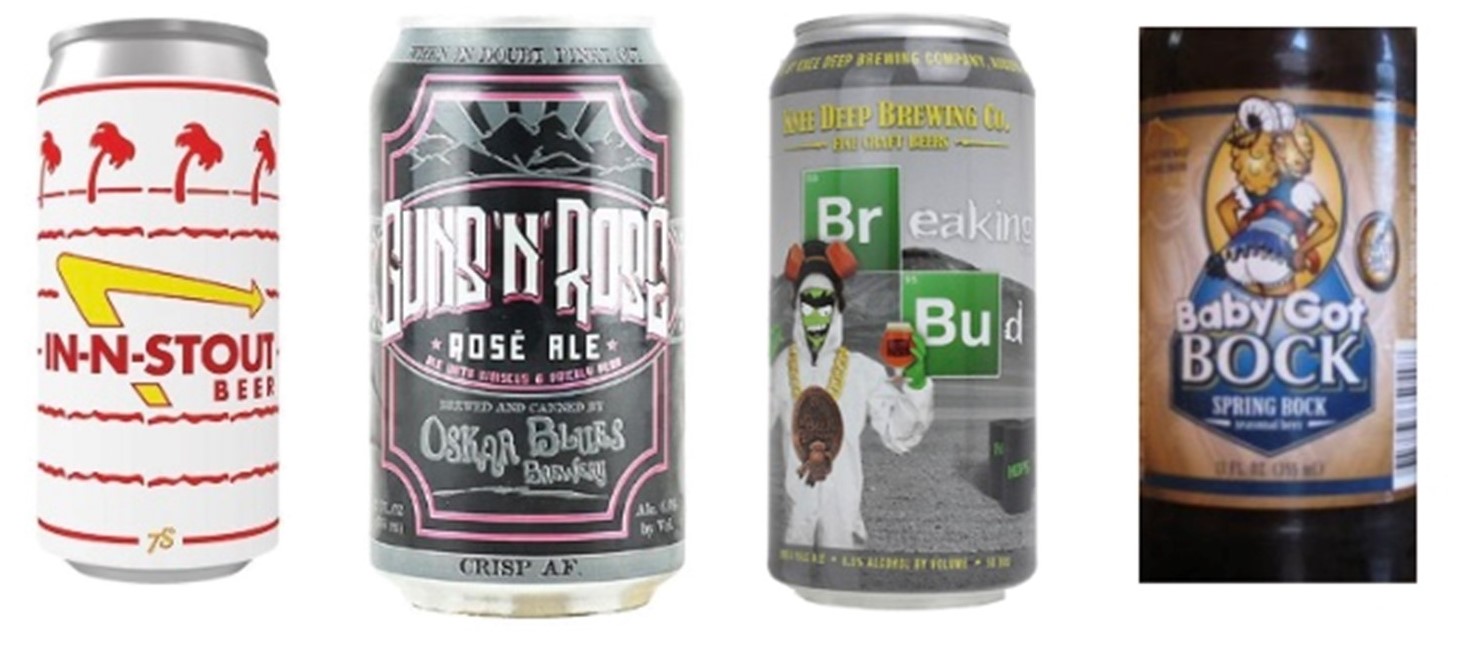
Starting a new business is an exciting venture, and for many entrepreneurs, a catchy brand name for their company or products is the first step toward success. In recent years, companies—especially breweries, wineries, and toy manufacturers—have adopted parody trademarks to garner attention for their products. A clever and humorous parody mark can be an amusing way to stand out, but it also carries significant risks. A “parody trademark” is a mark that uses an existing brand in a satirical or humorous manner. These marks take recognizable elements from the original and change them with a humorous twist to create a new commercial impression. However, a parody must be perceived by consumers as a critique or joke, rather than as an indication of an affiliation between the businesses. If the parody mark uses a well-known brand’s recognition to sell its own products, it may be deemed infringing by the owner of the pre-existing brand, even when such use is consi
00

October 22, 2025
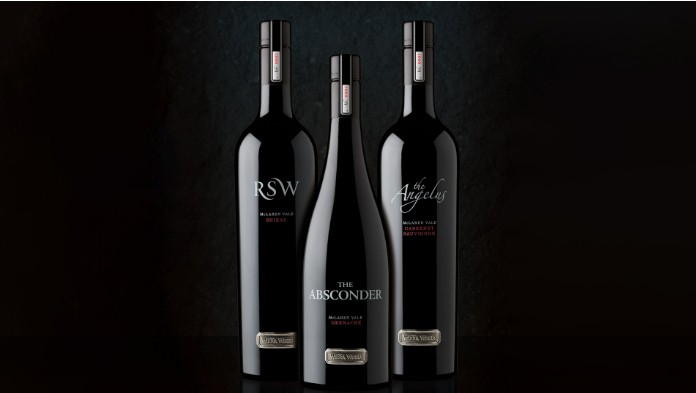
A wine bottle is the physical expression of your brand. Over time, customers have learned to associate specific shapes and sizes with quality, heritage, and style, especially when dealing with premium brands. Every element of presentation matters, with the bottle and label working together as the most powerful first impression. Selecting the right pairing is a critical step in positioning a wine effectively. For smaller or lesser-known wineries, or those from less established regions, design can play an even greater role. A distinctive bottle or striking label may inspire a purchase before the wine is even tasted. Customers often seek out packaging they feel proud to share, whether as a gift, at the table, or as part of their own social identity. The elements of a product’s design can even potentially influence how much some people enjoy a given drink, and in a way become in and of themselves a part of the overall experience. In this article, we explore the bottle
00

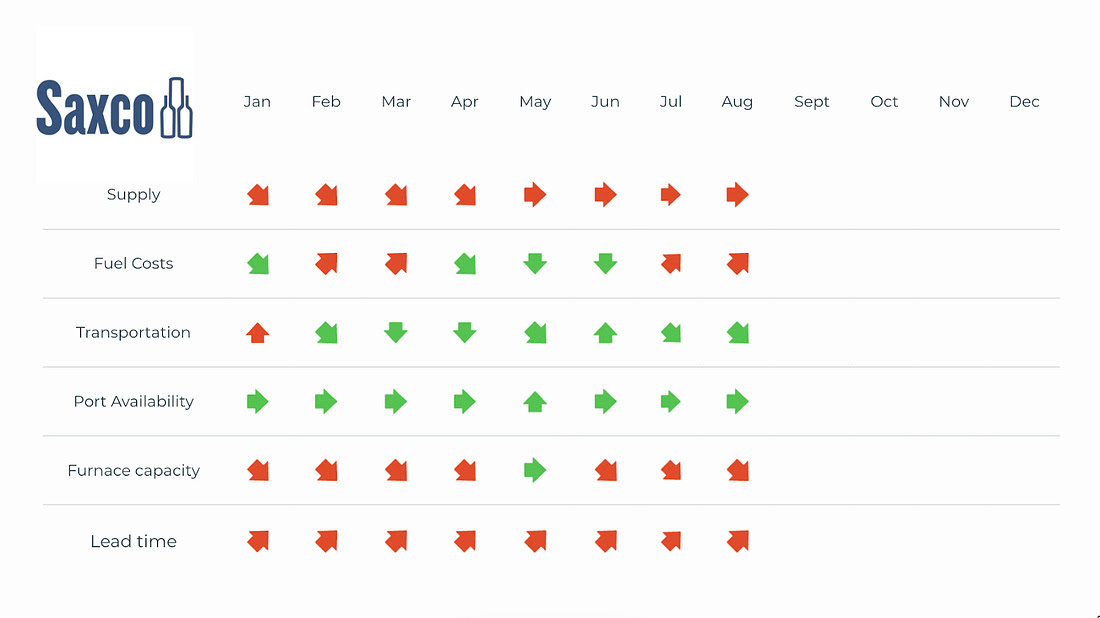
The packaging supply chain is sending mixed signals this month – not quite cause for alarm, but enough yellow lights to keep procurement teams on their toes. Let’s start with the good news: fuel costs edged down from July's $3.779 to $3.744 per gallon in August. But before we celebrate, some context is needed. At $3.74+, we're still hovering near the year’s second-highest diesel levels. Think of it as taking your foot slightly off the accelerator while still speeding – technically slowing down, but hardly cruising speed. Fuel remains a critical watch point as we head into Q4 planning cycles. Transportation continues to be our bright spot. For the second straight month, we're seeing no peak season surcharges – a welcome relief that’s providing both cost predictability and operational flexibility at a time when the industry needs both. Port operations remain stable with no meaningful congestion on key inbound lanes. The anticipated summer i
00


The conversations I have about quality tend to focus on red wine. This is especially true in California, where Napa Cabs have historically garnered high prices, followed up by Coastal Pinot noirs and red Rhones. Honestly, in most places I’ve been where the climate allows for ripening red grapes, the reds are the main event with the whites being more of a warm-up act or even an afterthought. As a result, we know a lot about how to grow red grapes for quality – and less about how to grow whites. Consumer tastes are shifting though, and the big reds of yore are taking a back seat. Drinkers want lower alcohol wines with a lighter style and wineries are taking fewer risks with wine they can turn around in under a year. As a result, white varieties are in hot demand. If you’re a grower who can’t sell your grapes, you may very well be considering grafting some of your reds over to white. So how do you grow a good white? In many ways whites are harder than their r
00


Afternoon Brief: Digital Disruption - 5 Gamechangers for the Wine Industry
Wine consumption is declining, and looming tariffs threaten to choke the market. But new technologies offer the wine industry a chance to reposition itself more securely for the future...
DelicatoLake County Winegrape CommissionLondon Wine FairOregon Wine BoardSovos ShipCompliantWineHub.ioSaucelito Canyon VineyardYellow TailVinterActive LLCJessica BielProphet & PoetTaylor ButterfieldChateau Ste. MichelleJames HallPatz & Hall WineryHeather DaenitzGuillermo de Aranzabal BittnerLa Rioja AltaFior di SoleWinetechInnoVintGusmer EnterprisesPellenc AmericaFox Run VineyardsLamborghini WinesWines of ChileNapa Valley Grapegrowers
00

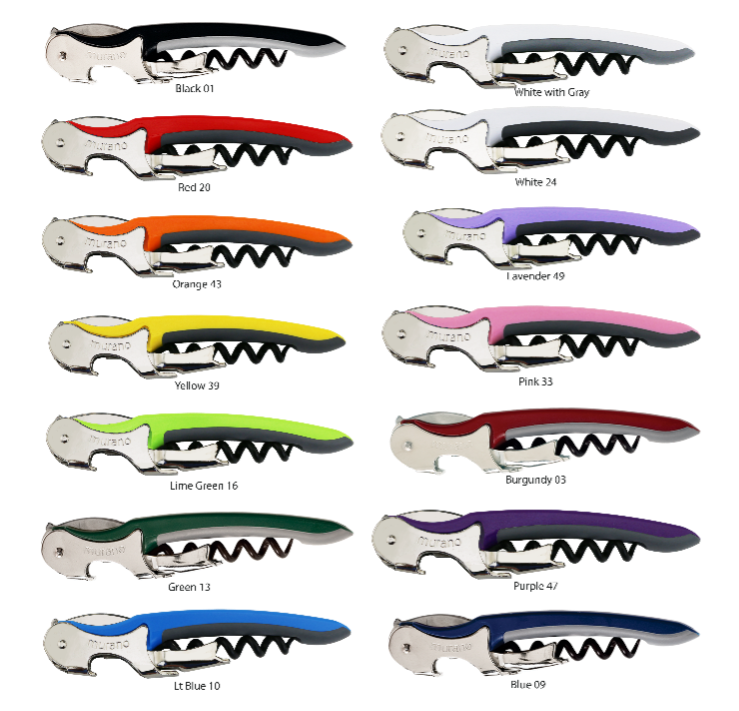
We’ve added 10 more colors. Now 14 colors. The 3185 Murano corkscrew Streamlined handle version of the Double Power two-step extraction system. Cap lifter included in the boot lever. Non Stick spiral. Comfortable soft-touch under-belly of handle. Colors: Black, Blue, Burgundy, Green, Lime Green, White, Red, Yellow, Lavender, Pink, Purple, Orange and Lt Blue. 4-5/8” long. Retails from $6.95 and comes in 14 beautiful colors. Call for your Free copy at 800-423-5855, orders@franmara.com, or virtually at, https://viewer.zoomcatalog.com/franmara-2020-no-pricing
00


It’s the same conversation in boardrooms, discussion boards, symposiums, and industry reports: “Younger consumers just aren’t drinking wine like previous generations.” Sure, the concern is valid. But the narrative misses key nuances. The reality is that younger consumers are still just that—young. Their drinking habits, lifestyle priorities, and financial realities don’t yet match those of past generations at the same life stage. But instead of writing off Gen Z or younger Millennials, the wine industry needs to adjust its approach. The traditional playbook doesn’t account for how younger consumers live, what they value, or how they engage with brands. If wineries want to stay relevant, it’s time to rewrite the script. 1. Younger Consumers Will Age Into Wine—Just Like Boomers Did A common misstep in the industry’s current panic is comparing a 23-year-old Gen Zer to a 45-year-old Gen Xer. The latter has had decades to develop
00
February 12, 2025
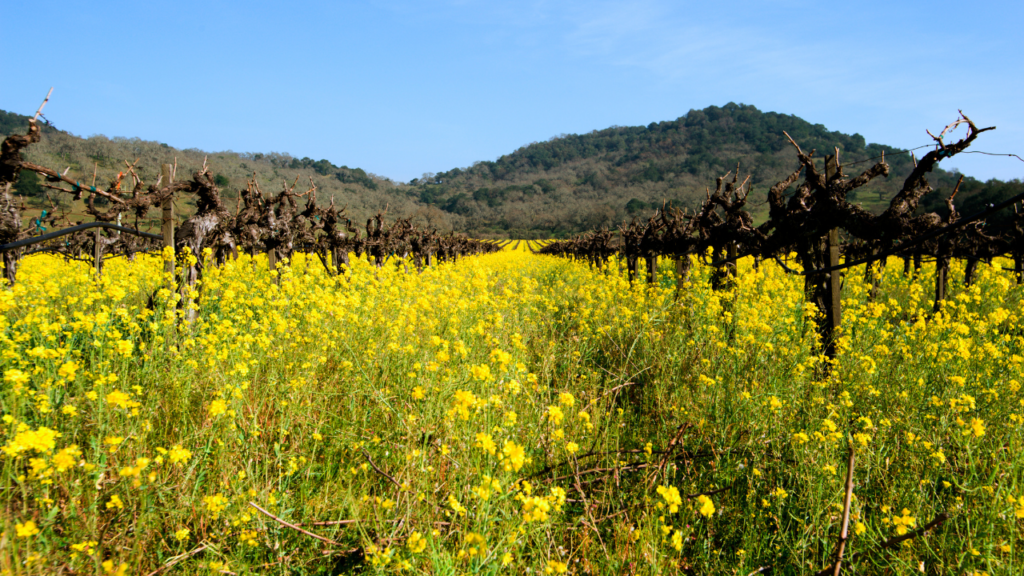
Sonoma County Mustard in Bloom - Sonoma County Winegrowers
By Virginie Boone Sonoma County is in peak mustard season right now and that makes it a gorgeous time to take in the bright yellow bloom of mustard flowers in []
00
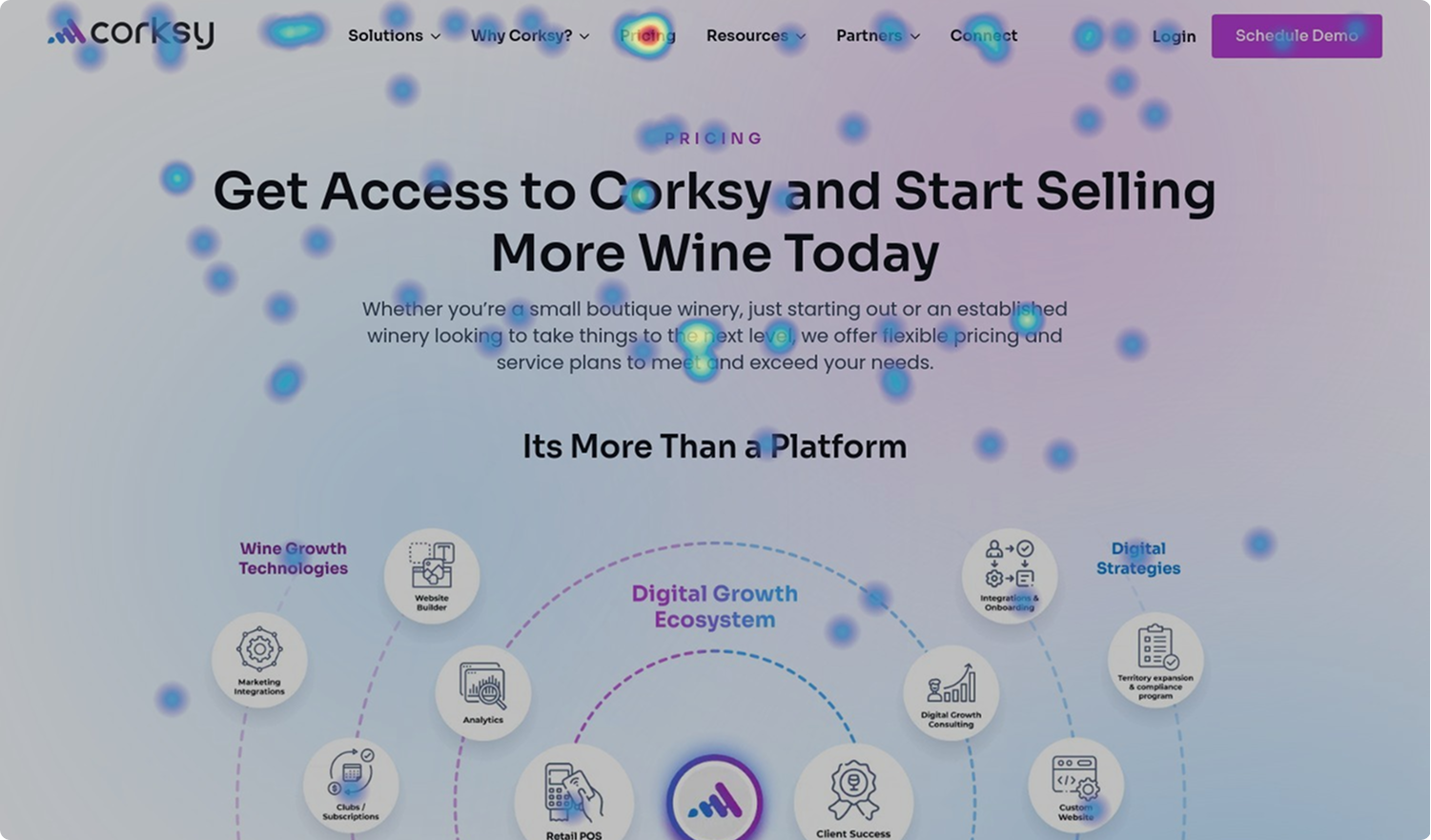
Growing your winery’s online presence is essential, but increasing website traffic can be costly – especially when it comes to paid advertising. Since you can’t control the cost of acquiring new visitors, the best way to maximize your marketing budget is by improving your conversion rates, average order values, and long-term customer retention. One powerful tool to help with this? Heatmaps. 🔥 Really – this data doesn’t lie. Heatmaps give you visual insights into how visitors interact with your website, showing where they click, scroll, and spend the most time. With these insights, you can refine your website’s layout to better engage potential customers, drive more wine club sign-ups, and increase online sales. Discover three ways wineries can use heatmaps to optimize conversions. 🤘 1) Uncover “Dead Zones” & Boost Engagement Heatmaps reveal what your visitors focus on – and what they ignore. Take a look at the example below
00

The wine industry is steeped in tradition, but let’s be real—it’s time to shake things up. Younger demographics aren’t buying into the same old wine marketing tricks or outdated experiences. Want to grab their attention (and their dollars)? Then it’s time to think bold, fun, and modern. You Don’t Have to Do It All—Start Small and Stay True to Your Brand Attracting younger wine lovers doesn’t mean you need to overhaul everything or abandon your roots. Instead, consider making a few strategic shifts that align with your brand. Maybe your website keeps the traditional tasting notes, but you have fun with social media. Maybe your weekends are reserved for 21+ reservation-only tastings, but your weekdays are more relaxed and family-friendly. The key is finding what works for you and your audience. Now, let’s dive into some ideas. 1. Flex Your Wine Club Options Your wine club isn’t working for everyone. Sure, your loyal members lov
10