
Filter Post Type
NewsVideoProductEventLink
Sort:
Most Recent
1–10 of 24
The weather is shifting, trip-planning season is underway, and tasting room traffic is about to pick up. This is the good news. The bad news? If you're reading this and thinking "we'll get to our spring marketing when spring gets here," you're behind. The tasting rooms that stay full from April through June aren't the ones with the best wine or the prettiest views. They're the ones that showed up in someone's planning process three weeks before the trip happened. People don't stumble into wine country on a whim and wander from door to door the way they did fifteen years ago. They research. They scroll. They book. And if your winery isn't visible and compelling during that research window, you're invisible when it counts. The hotel industry figured this out years ago. Marriott doesn't wait until summer to market beach properties. They start running "book your getaway" campaigns in late winter, because they know the booking win
00
Why Wineries Need Influencer Marketing Now Here's a number that should reshape how you think about marketing: 69% of consumers trust influencer recommendations more than information coming directly from a brand That's not a slight edge. That's a fundamental shift in how people decide what to buy. For wineries, this matters more than it does for most industries. Wine is a considered purchase wrapped in uncertainty. Your potential customer is standing in a tasting room or scrolling through an online store, wondering: Will I like this? Is it worth the price? Am I making the right choice? Influencer content answers those questions in ways traditional marketing cannot. When a trusted voice says "I tried this Pinot and it's incredible with grilled salmon," that carries weight. It's a peer recommendation disguised as content. Instagram and TikTok now drive wine discovery among younger audiences, and 87% of Gen Z consumers say they're willing to buy products
00
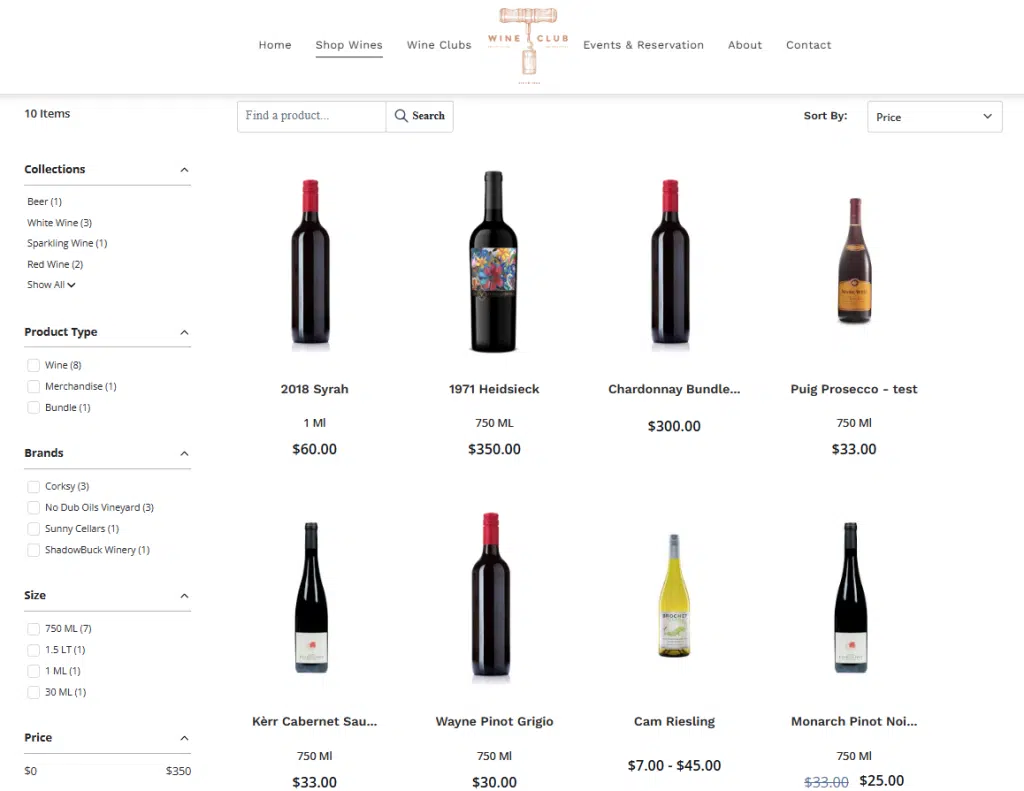
A few years ago at the DTC Wine Symposium, a panelist joked about the modern winery website formula: the guy, the dog, the truck, and the vineyard. Beautiful backdrop, strong lifestyle photography, a thoughtful founder story. Polished, absolutely. Strategically distinct, rarely. The critique wasn’t about branding. It was about structure. Most winery websites aren’t broken, but they aren’t built as decision environments either. Calls to action are unclear, revenue pathways are buried, shipping surprises appear late, and wine club often lives in isolation instead of throughout the buying journey. After auditing winery sites across regions and production sizes, the pattern is consistent: performance is constrained by friction, not effort. Most wineries don’t have a traffic problem. They have a conversion architecture problem. Before increasing ad spend or launching another promotion, run a winery website audit — on your phone. Start at the homepage and move t
00

February 12, 2026
WineDirect to Commerce7: 19% Growth in Club Customization, 50% Less Support, and the End of "Batch Day" TL;DR: Faced with manual bottlenecks on WineDirect, Hill Family Estate migrated to Commerce7 to empower their members. The results were immediate: a 19% increase in customized club shipments and a 50% reduction in support volume. Most importantly, the team reclaimed 4-5 hours of manual labour per club run by allowing their customers to customize their orders online and move to fully automated background processing. Founded by third-generation farmer Doug Hill, Hill Family Estate is a family-run operation in Napa Valley that blends deep vineyard expertise with approachable hospitality. Their winery and tasting room experiences are known for being family-friendly, intimate, and deeply rooted in the land they have farmed for decades. For Allison Negrón, DTC Manager at Hill Family Estate, the goal is always to provide a seamless, personali
00

November 4, 2025

Meta Ads, Miracle Results If your holiday Meta ads felt like lighting money on fire in a festive candle, that’s not because social is dead. It’s because your targeting and flighting were built for wishful thinking, not gifting intent. The fix isn’t magic. It’s method. You can absolutely turn Meta into a gift-selling machine between Thanksgiving and New Year—if you understand what actually drives intent and how to spend wisely when every other brand on earth is screaming for attention. What follows is a ruthless, winery-specific playbook for the six-week window between Thanksgiving and New Year that prioritizes intent, protects margin, and leans on real benchmarks instead of folklore. First, reality: volume is there, but it clusters Holiday ecommerce keeps breaking records, with online spend hitting roughly $241.4B from Nov 1 to Dec 31 and mobile responsible for the majority of transactions. (Adobe Newsroom) Translation: your customers are buying on their
00
September 1, 2025

Your Customers Check Texts Faster Than Emails, So Why Are You Still Only Relying on Inboxes? The typical American checks their phone 96 times a day, that's once every 10 minutes. While your carefully crafted email campaign sits unopened among dozens of others, text messages get read within minutes. The numbers don't lie: SMS messages have a 98% open rate compared to email's paltry 20-30%. Even more telling, 90% of text messages are read within the first three minutes of delivery. For wineries competing for attention in crowded digital spaces, this isn't just a nice-to-have channel, it's the most direct line to your customer's attention. Why SMS Works Specifically for Wine Brands Wine isn't software or fashion, it's experiential, emotional, and often enjoyed in specific moments. This unique position makes SMS particularly effective for wineries in ways other industries can't match. First, wine consumers are increasingly mobile-first. When planning wee
00

August 21, 2025
In today’s challenging business climate, many small winery owners are cutting back wherever they can. But when it comes to marketing, the stakes are high: cut too much, and you risk losing momentum. Spend without a plan, and you may as well be tossing cash into the vineyard wind. Too often, I see owners relying on what I call “hope marketing.” They send out an ad, launch a promotion, or host an event—and hope it brings in more customers or wine club signups. It’s a bit like planting a vineyard without knowing your soil, climate, or varietals. You spend the money, put in the work, and pray for a great harvest… but you’re not set up for consistent success. And then there’s the temptation to copy what big wineries are doing, thinking it must be the “right way” to market. So they hire an expensive marketing consultant—one who’s used to working with large companies—and end up hearing nothing but crickets. It&rsqu
00
June 13, 2025
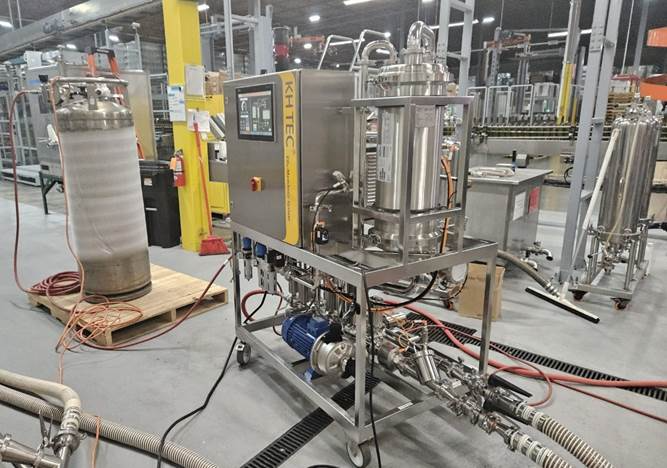
At Peregrine Mobile Bottling, we believe that the final stage of winemaking - the bottling line - shouldn't be a compromise. Instead, it should be an opportunity to elevate your product, preserving all the hard work, nuance, and care that went into every vintage. Over the years, we’ve seen firsthand how integrating advanced Gas Management using a KH Tec Membrane Technology into the bottling process makes an undeniable difference in wine cost savings, quality, shelf stability, and consumer experience. This is our story - and the story of the wineries who trust us to help them tell theirs. Where Technology Meets Terroir When we started offering gas management services alongside our mobile bottling, we weren’t just adding a feature. We were responding to a real need in the industry. Too often, wineries saw excellent wines lose their luster after bottling. Subtle aromatics would flatten. Effervescence would fade. Shelf life suffered. The common culprit? CO₂ and Oxyge
00

The wine industry is steeped in tradition, but let’s be real—it’s time to shake things up. Younger demographics aren’t buying into the same old wine marketing tricks or outdated experiences. Want to grab their attention (and their dollars)? Then it’s time to think bold, fun, and modern. You Don’t Have to Do It All—Start Small and Stay True to Your Brand Attracting younger wine lovers doesn’t mean you need to overhaul everything or abandon your roots. Instead, consider making a few strategic shifts that align with your brand. Maybe your website keeps the traditional tasting notes, but you have fun with social media. Maybe your weekends are reserved for 21+ reservation-only tastings, but your weekdays are more relaxed and family-friendly. The key is finding what works for you and your audience. Now, let’s dive into some ideas. 1. Flex Your Wine Club Options Your wine club isn’t working for everyone. Sure, your loyal members lov
10

It’s not about you; it’s about them. It’s happening. We can’t stop it. Dry January—a month-long challenge to reset drinking habits—has become a global trend. Initiated as a time for people to reflect on their relationship with alcohol, create healthier routines, and begin the year with mindfulness at the forefront, it can be a challenging time in an industry relying on consumption, with many consumers stepping back from wine and spirits entirely. But here’s the thing—Dry January doesn’t have to be a buzzkill. In fact, it’s a golden opportunity to connect with your audience in new, fresh, and meaningful ways While the idea of a booze-free month sounds noble, reality often paints a different picture. According to CivicScience, about 41% of adults in the U.S. planned to participate in Dry January in 2023. The reality is 16% managed to do so all month. For wineries, this isn’t bad news—it’s a window of opportu
00