


Filter Post Type
NewsVideoProductEventLink
Sort:
Most Recent
1–8 of 8

By Nathan Wisniewski How would you define varietal / fermentative aromas? Varietal aromas, sometimes called primary aromas, come from aromatic compounds present in the grapes. These aromas are generally typical of specific grape varieties (thiols in Sauvignon Blanc, Colombard, Petit & Gros Manseng, terpenes in Muscat and Gewürztraminer..). On the other hand, fermentative aromas – also known as secondary aromas – are mainly produced by yeasts during the alcoholic fermentation and can be found in all types of wines. The most common fermentative aromas are esters – like isoamyl acetate responsible for banana flavor – and higher alcohols like 2-phenylethanol characterized by rose notes. What is the influence of yeast on the aromatic profile of the wine? On the aromatic profile of the wine, yeasts have a tremendous impact on the wine aromatic expression: in addition to their direct effect on fermentative aromas, they indirectly take part to the expression of
00
April 17, 2023

Afternoon Brief, April 17th
Oregon State Researchers Make Breakthrough in Understanding the Chemistry of Wildfire Smoke in Wine: Oregon State University researchers have discovered a new class of compounds that contributes to the ashy or smoky flavors in wine made with grapes exposed to wildfire smoke...

00
April 13, 2023

Afternoon Brief, April 13th
Washington Wine Industry Helps Stall Bill to Lower DUI to .05%: Senate Bill 5002 didn’t make it across the finish line this year, but responsible wine consumers should keep in their rearview mirror the idea that a sizeable group of Washington state lawmakers wants to lower the legal limit of blood alcohol content to 0.05%...

00

In the introductory blog in the Wine Series, we took a look at why it is important to rehydrate yeast properly. In the future, we will talk about and compare and contrast specific strains of yeast. But before we get into what the differences are between specific yeasts, we should take a look at how the yeasts used in winemaking came to be what they are today. Yeast is not new. It didn’t get invented. The fungus occurs naturally and has always been here with us and has changed along with us humans. Sometime, possibly around 5,000 years ago, humans realized yeast could be a tool and domesticated for our own purposes – whether that’s making bread or alcohol. In breadmaking, the yeast gives the bread CO2 bubbles to make the dough rise. Back then, people didn’t know about potassium bitartrate or other chemical means of making dough rise, so all bread was naturally fermented by using yeast and/or sourdough bacteria. In nature, yeast divides and makes a clone of itself
00
November 24, 2021

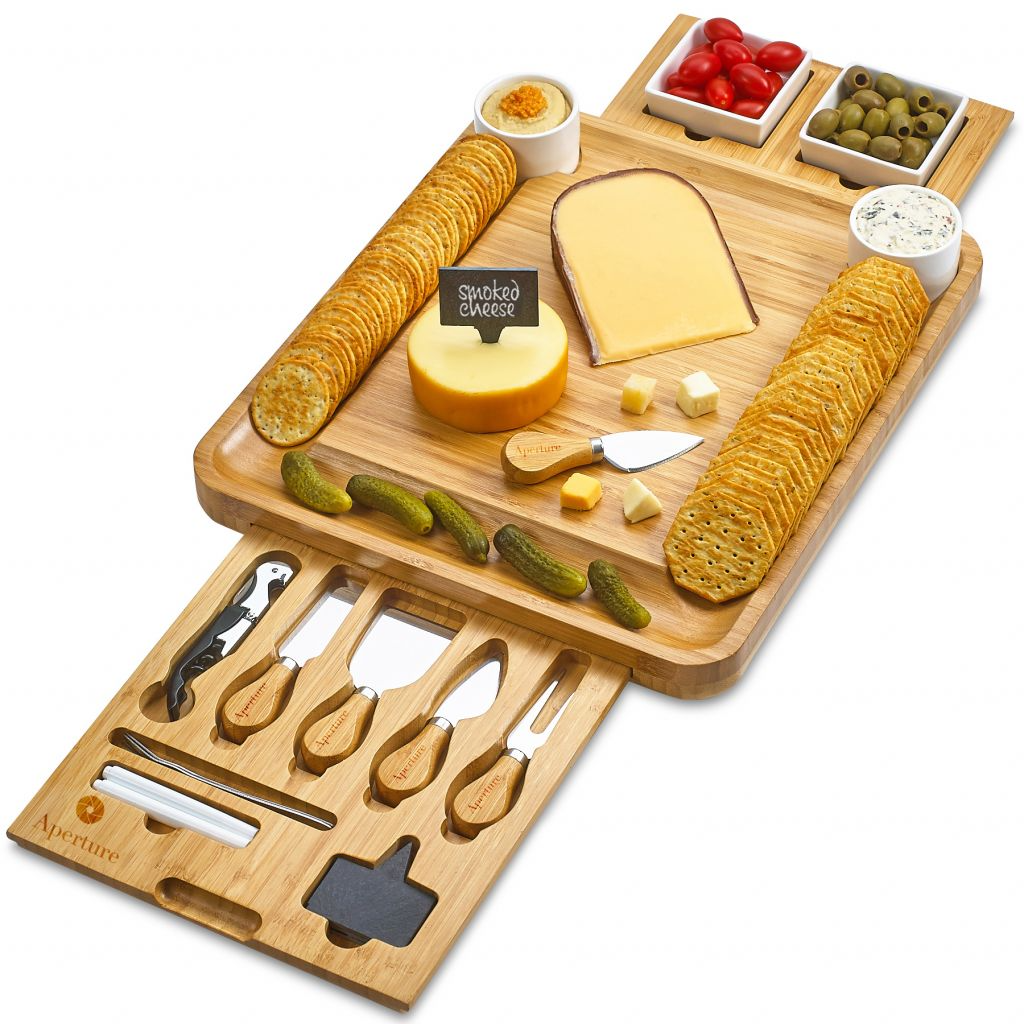
For hundreds of years, wine drinkers have been enjoying wine with cheese. The process of pairing the perfect wine with the perfect cheese has become an art that continues to evolve as wine and cheese experts continue to create new combinations. The Early Pairings The earliest pairings involve wine and cheese choices from similar regions. The grapes and cows that produce the wine and cheese were often grown and raised on the same farms, so they offer some flavor similarities. For example, French Beaujolais is often paired with Brie, while Italian Chiantis is often paired with asiago cheeses. The Science Behind Wine and Cheese Scientifically, there are several reasons why wine and cheese taste so good together. Wine offers an astringent flavoring in the mouth and the fat from cheese cleans the palate for the next flavor or another sip of wine. Wine and cheese have opposite flavor profiles, making them a pleasant combination – almost like opposite colors on a color wheel
00

As the new year begins, we at Ciatti wish all of our friends, clients and business associates a very happy and prosperous year ahead. Thank you for your continued support. 2020 is the first year of a new decade and – as designated by the United Nations – the International Year of Plant Health. Winegrape growers in Argentina, Chile, Australia, New Zealand and South Africa will be hoping their vines feel the good vibes and offer up high-quality yields in the coming weeks, with the Western Cape in particular hoping for a healthy-sized crop after two harvests short enough to send bulk wine buyers looking elsewhere. The respective harvest pictures in the Southern Hemisphere will be clearer in February. Until then, we review the year just gone and look ahead to what 2020 could bring. The abiding characteristic of 2019 was a relative market calmness brought about by what the OIV called “very high” 2018 yields which markedly increased the global supply of wine just at a
00