
Filter Post Type
NewsVideoProductEventLink
Sort:
Most Recent
Tagged:Winery Operations
1–7 of 7

Best Wine Club Management Software for Wineries (2026 Quick Guide) Your wine club is likely your most predictable DTC revenue stream. Members buy on schedule. They purchase more outside of shipments. They refer friends. According to Silicon Valley Bank’s State of the U.S. Wine Industry Report, direct-to-consumer revenue, particularly wine clubs, remains one of the most controllable and margin-protective channels for wineries. Yet many wineries are still running their wine club: Manually Across disconnected systems On software not built for winery operations That friction quietly costs money every week. What Wine Club Software Should Actually Do in 2026 At minimum, your system should: 1. Increase retention Flexible club levels and shipment schedules Clear, automated member benefits Customization options that members value 2. Reduce revenue leakage Automated expired card updater Clean billing workflows Fewer manual errors 3. Speed up tasting room enrollment POS-connected s
00

What we’re seeing Holiday and event weekends are where wineries make their money — and also where tasting rooms get the most stressed. Lines back up, staff get flustered, and POS screens fill with clutter right when teams need simplicity. How vinSUITE TabletPOS helps TabletPOS is built for exactly those moments: fast, flexible, and easy to use anywhere you pour. These three small setup tweaks have a big impact on busy weekends: 1. Dollar-Based Tips That Match Wine Service Swap restaurant-style percentages for simple dollar buttons that feel natural in a tasting room. The problem Restaurant-style 20% tip prompts can feel out of place on high-value wine tickets. Guests hesitate, do math, or skip tipping entirely. The tweak Use Custom Tip Amounts in TabletPOS to swap percentages for simple dollar buttons like $5, $10, and $15. Why it’s a win Feels natural for winery hospitality vs. restaurant-style math. Speeds up checkout with fewer edits and awkward pauses. Suppo
00
March 25, 2025
Winery Operations and Lab Specialist at Allan Hancock College
00


The art of wine blending is where the skills of the finest winemakers truly shine. However, while taste is often the primary factor in determining blends, there’s also a broader picture to consider that can have significant business implications. Each blending component is often unique and may vary in variety, origin, chemistry, and production costs. Depending on the intended sales channel, some or all of these elements may be crucial to the commercial success of the finished wine. After speaking with hundreds of winemakers, we’ve found that conducting blend trials is one of the most common workflows still performed with a spreadsheet. This holds true even if the winery uses winemaking software! Feature: Trial Blend Trial Blends is just one feature designed to help winemaking teams make more informed decisions with less effort. Since Blended already knows everything about your wines, tell us what you’re blending and we’ll simulate the important ch
00

From a software perspective, Bottled inventory lives in no man’s land. It’s the place where operations software ends and point-of-sale and accounting systems begin. For many wineries, this mirrors the silos within functional teams as well. The winemaking team manages up to a point before it gets turned over to the tasting room staff and finance teams. Handoffs between people and systems are typical points of inefficiency. Put simply, they are areas where it's easy to drop the ball. For wineries, that inefficiency takes the form of wasted time, inability to plan ahead, and lost revenue. Over the last few weeks, two conversations I had with the winery staff stand out in my mind. The first, with a winemaker, discussed how easy it was to lose track of inventory during busy seasons. Staff would move a few cases from the cellar to a tasting room and forget to record it. Inventories would get off from the official count quickly and they’d be forced to spend ex
00

BOLD PREDICTIONS: Wine Industry Leadership Conference Examining the current economic conditions and the practices for maintaining a modern wine business. Wednesday, February 8th, 2023 The Wine Industry has faced huge challenges and has undergone an incredible amount of change over the past few years, and this won’t slow down in 2023. Knowing what’s to come can help industry leaders understand the current economic conditions, what best practices to take, and pinpoint the trends that could influence their businesses and boost their bottom lines. On February 8, 2023, Wine Industry Network is hosting the Bold Predictions: Wine Industry Leadership Conference featuring industry experts who will share their insights and predictions on emerging trends, challenges, and opportunities wineries can expect to face in the year ahead, along with advice on how to best overcome the challenges while taking full advantage of the opportunities. Virtual Conference Topics: • Four Takes o
00

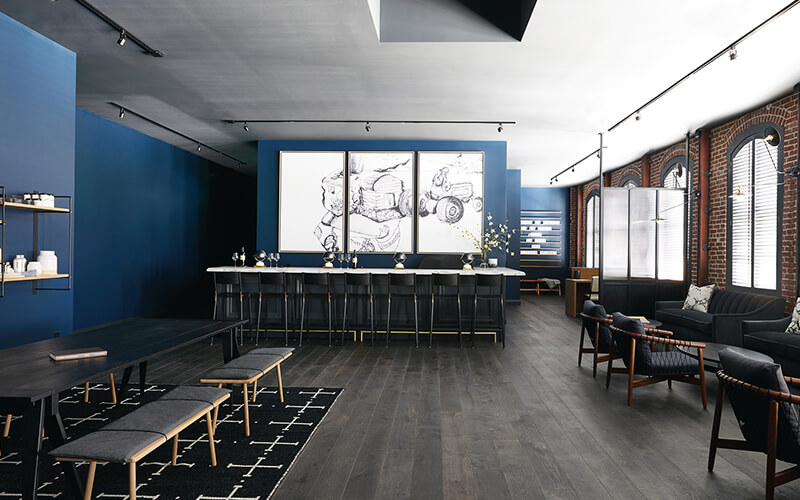
Given California’s track record with natural disasters, it’s easy to say that we are no stranger to unforeseen challenges. Like everyone else we are talking about Coronavirus. In the face of increased cases, the Nordby Construction Services team is consulting with our clients on this challenge along with the familiar ones, i.e. wildfires and earthquakes. In this Nordby effect, we share three ways to ensure your winery facility is resilient and ready to meet the challenge.
1. Equip Tasting Rooms with Technology to Offer Virtual Experiences and Configure for Social Distancing.
According to Rob McMillan, founder of Silicon Valley Bank, tasting rooms are critical for many of the industry’s players and generate more than half of winery sales. Wine clubs are responsible for an average of 28% of sales. During times of quarantine, tasting rooms should be equipped to provide virtual experiences. Integrating AV equipment to be able to provide a comparable experie
10