
Filter Post Type
NewsVideoProductEventLink
Sort:
Most Recent
1–10 of 55
May 6, 2026
FOR IMMEDIATE RELEASE Corksy and Enolytics Launch Integration to Help Wineries Turn Data Into Smarter Growth Decisions Connecting winery commerce and customer data with powerful analytics across DTC, wine club, and inventory performance Irvine, CA (May 6, 2026) — Corksy, the modern direct-to-consumer (DTC) platform for wineries, today announced its integration with Enolytics is now live for all mutual customers. The integration connects Corksy’s commerce and customer data directly into Enolytics’ analytics platform, giving wineries a clearer, faster way to understand performance and make more informed decisions. As wineries continue to invest in DTC, the challenge isn’t access to data—it’s making sense of it. This integration brings together day-to-day operational data from Corksy with Enolytics’ industry-leading data analytics, helping teams move from reports to real insights without added complexity. “At Enolytics, our goal has always been to help wineries turn data into decisions,”
00
March 16, 2026
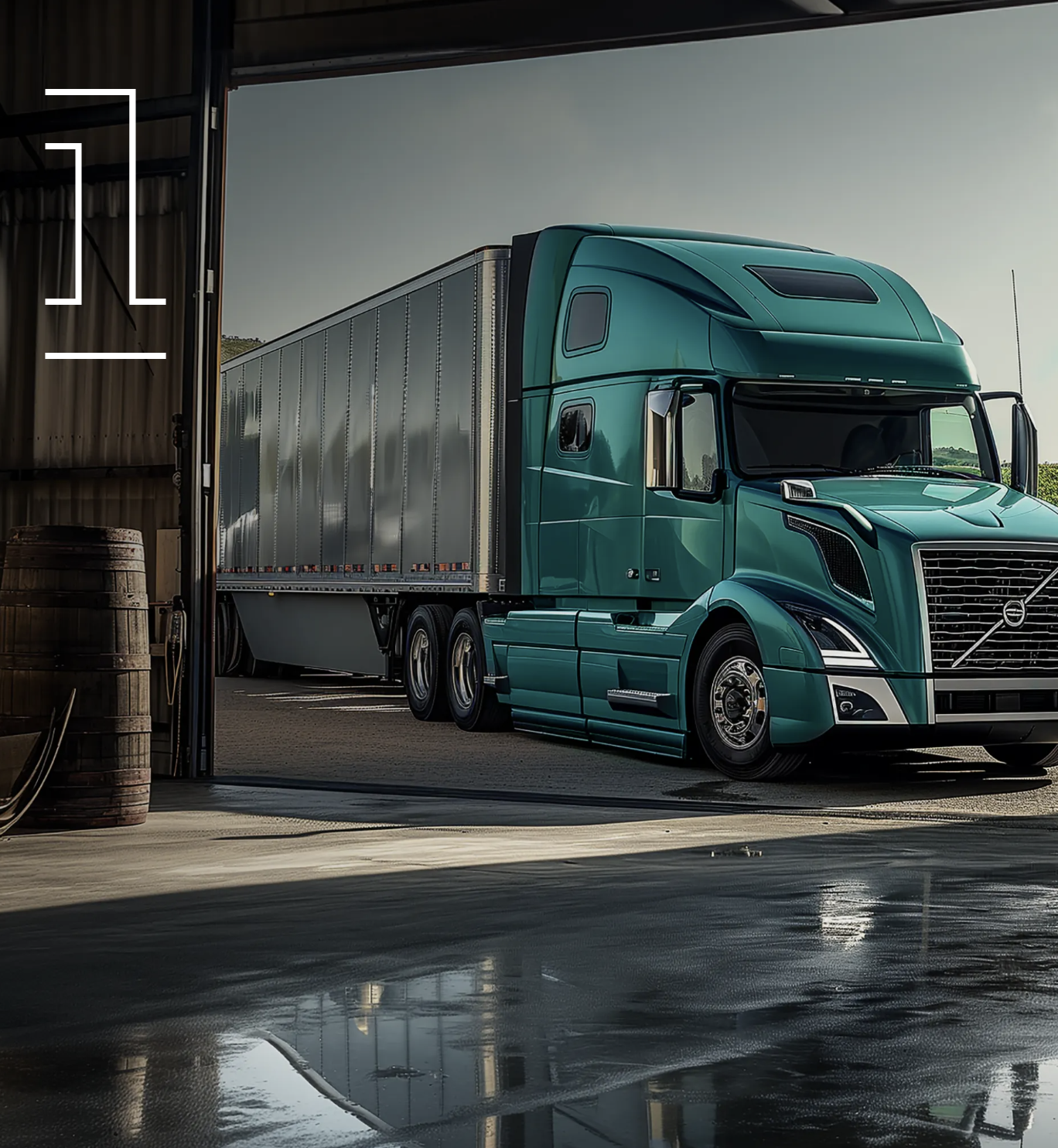
The supply chain behind a bottle of wine is more intricate than most consumers realize. Between harvest and delivery, wineries juggle transportation, storage, labeling, compliance, and customer fulfillment—each step carrying its own risk to quality, timing, and brand perception. For many, these processes are spread across multiple vendors, systems, and touchpoints, making consistency hard to maintain and visibility even harder to find. Yandell Companies takes a different approach. As a fully integrated logistics provider with deep roots in the wine industry, Yandell brings transportation, warehousing, value-added services, and DTC fulfillment together in one connected system—built to match the pace and complexity of modern winemaking. From Raw Materials to Your Customer’s Doorstep Unlike most third-party logistics providers (3PLs), Yandell owns and operates the full infrastructure. That means: A dedicated fleet of dry vans, tankers, and specialty trailers for tra
00
.jpg)
Over the Christmas/New Year break, we took our own advice to heart and migrated to odoo for our own consulting business. Over the last few months as we've been building out our odoo for Wine offering and roadmap, we have been looking at the approximately 80 apps/modules that come with standard odoo. We started to realize that several covered functionality that we were managing in several separate apps and systems, so asked ourselves, why aren't we running odoo ourselves? We didn't have a good reason as to why not, so we decided to do exactly that - migrate from several disparate systems to odoo and starting drinking our own champagne. A pleasant surprise, although perhaps it shouldn't have been, is that we're saving on annual subscriptions as well. Here are the functions and systems we've moved off and are now running out of odoo. Waveapps: Accounting, Invoicing, Payments. Our main book-keeping system; had to manually enter invoice hours and expenses. Avaza :
00
November 12, 2025
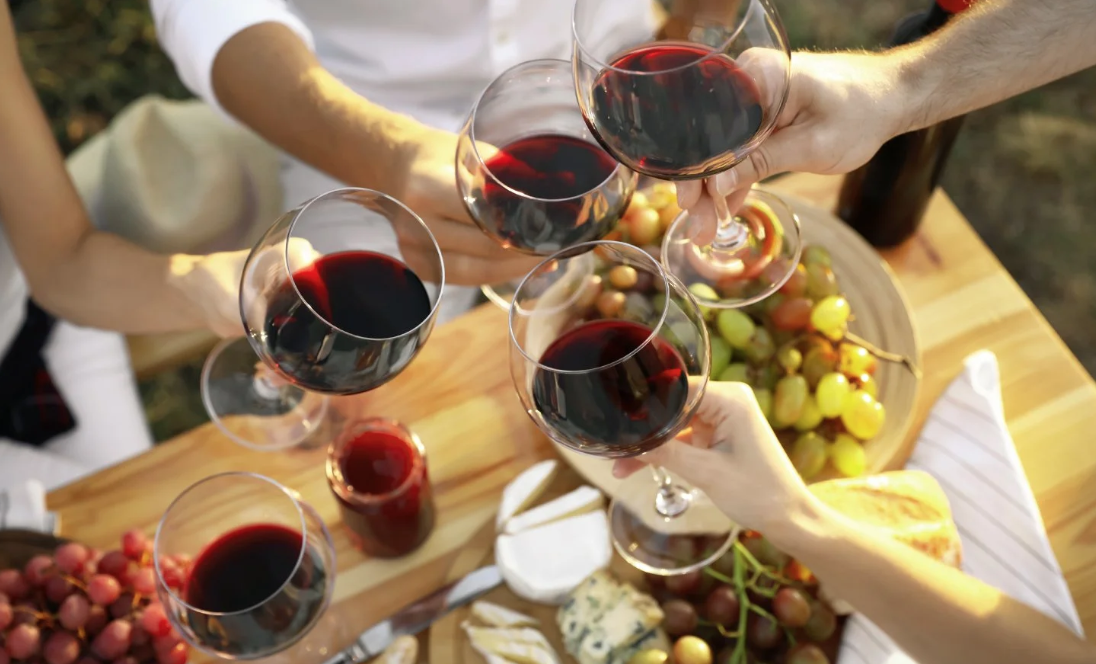
The Post-Harvest Drop-Off Fall brings a flurry of activity to wine country. Tasting rooms fill with eager visitors, social media buzzes with harvest photos, and the energy is palpable. Then November arrives, and for many wineries, engagement plummets. According to Silicon Valley Bank's 2024 Direct-to-Consumer Wine Survey, the average winery converts less than 15% of harvest event attendees into repeat customers by year-end. This represents an enormous missed opportunity. The wineries that thrive year-round don't view harvest as a seasonal peak but as the starting point of a strategic customer journey. Harvest Is Your Customer Acquisition Funnel Stop thinking of harvest events as isolated experiences and start viewing them as the top of your sales funnel. Smart consumer brands recognize that seasonal events provide a prime opportunity to collect valuable customer data while creating memorable brand experiences. These touchpoints become the first step in an ongoing relat
00


LAST-MINUTE WAYS TO SUPPORT WINE AND JOIN COME OVER OCTOBER Come Over October launched in 2023 with a simple but powerful premise: wine has connected people for 8,000 years, and October is the month to honor that. The campaign invites us to slow down, gather with friends or family, and make wine the centerpiece of togetherness. In just one year, it’s grown from a spark to a movement. Thousands have embraced the idea, from consumers hosting casual dinners to wineries, retailers, and restaurants using the campaign to remind people that wine isn’t just a beverage—it’s a culture, a history, and a human connection poured into a glass. For the industry, it’s a chance to reframe wine as essential, not optional, in modern life. The wine industry needs this now more than ever. The pressures are piling up. Research from Stanford and other institutions is eroding the belief that “wine is good for your heart”, and the U.S. Surgeon General has recommende
00
September 10, 2025
In today’s wine industry, tasting room reservations are not just operational tools — they are strategic levers. According to the 2025 SVB State of the Wine Industry Report, tasting room visitation remains one of the most powerful drivers of Wine Club acquisition and the second-largest contributor to direct-to-consumer (DTC) revenue, following wine sales themselves. Yet, as consumer visitation patterns evolve, how wineries manage reservations — whether through third-party platforms or built-in tools — has become a critical decision. The right choice can impact everything from guest satisfaction and Wine Club conversion to brand control and long-term revenue growth. Let’s explore the two primary approaches wineries use today: • External reservation platforms (e.g., Tock) • Built-in reservation flows on the winery’s own website External Reservation Systems: Convenience with Constraints
00
September 1, 2025

Your Customers Check Texts Faster Than Emails, So Why Are You Still Only Relying on Inboxes? The typical American checks their phone 96 times a day, that's once every 10 minutes. While your carefully crafted email campaign sits unopened among dozens of others, text messages get read within minutes. The numbers don't lie: SMS messages have a 98% open rate compared to email's paltry 20-30%. Even more telling, 90% of text messages are read within the first three minutes of delivery. For wineries competing for attention in crowded digital spaces, this isn't just a nice-to-have channel, it's the most direct line to your customer's attention. Why SMS Works Specifically for Wine Brands Wine isn't software or fashion, it's experiential, emotional, and often enjoyed in specific moments. This unique position makes SMS particularly effective for wineries in ways other industries can't match. First, wine consumers are increasingly mobile-first. When planning wee
00
August 22, 2025
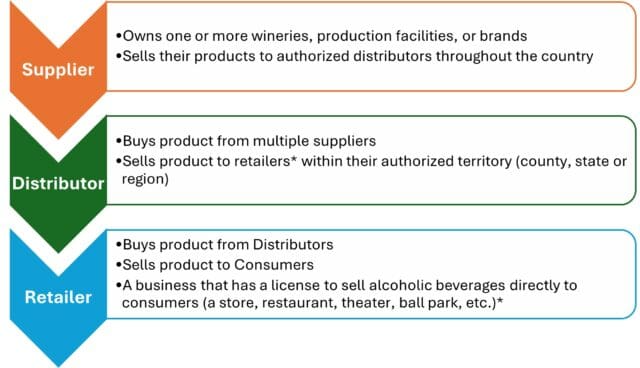
There are multiple paths to get started in wine sales. By Karen M. Wetzel As a wine industry career coach, I find that wine sales roles are highly desired. But given the differences between supplier and distributor sales positions, it can be hard to determine which might be best for you. Before we look at specifics, here’s a quick review of how alcoholic beverages are brought to market in the United States through the government’s three-tier system. Supplier Sales All wine sales originate with the supplier at the top of the three-tier system. A supplier may own or represent a single winery, such as Truchard or Fortunati Vineyards, or might be an expansive corporation with multiple brands, such as Gallo or Treasury Wine Estates. Regardless of scale, suppliers are responsible for selling their products to distributors across the country. To achieve market success, suppliers employ sales directors or managers to oversee specific states or regions. Their primary responsi
00
August 8, 2025
A draft Napa County Regional Climate Action and Adaptation Plan (RCAAP) has been released for public comment. The draft and related documents can be found at https://climateactionnapa.konveio.com/ Comments are due by September 30, 2025. This draft has been in development for many years, and covers the County of Napa, the Cities of American Canyon, Calistoga, Napa, and St. Helena, and the Town of Yountville. It includes Greenhouse Gas (GHG) emission reduction targets of up to 85 percent by 2045. At the same time, it aims to achieve “carbon neutrality” by 2045, primarily by reforestation of burned areas of the County to promote natural carbon sequestration and removing GHGs from the atmosphere. The draft discusses 21 GHG reduction strategies with 46 GHG reduction measures across seven emissions sectors, (though the draft only quantifies the impact of 17 of those measures). The seven sectors, in declining order of their listed percentage of GHG Emissions, are: On-Road Tr
00
March 31, 2025
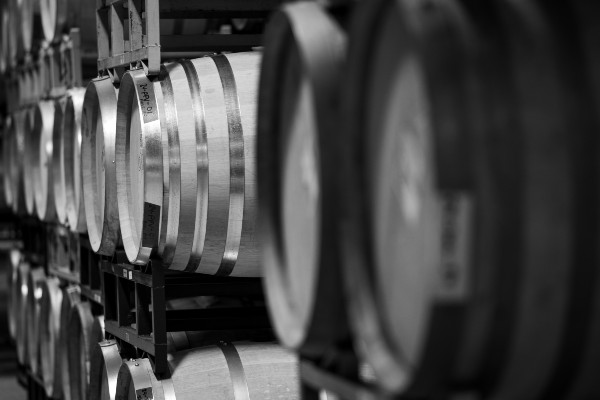
In a down market like the one the wine industry faces today, wineries are taking different paths to adapt. Some pull back, reducing production or pulling vineyards. Others seek to acquire struggling wineries, consolidating to broaden their portfolio and leverage their production facilities. Another route is to premiumize their brands to rise above the fray and appeal to confirmed oenophiles with white glove winemaking and customer service. The other turn along the price path is to downgrade to a more affordable price to attract shoppers who are increasingly price-conscious in this economy. These are only a few of a bewildering array of choices for wineries, and the decision tree will take each winery owner or winemaker to a unique solution. Chris HollingsworthChris Hollingsworth, General Manager at Punchdown Cellars in Santa Rosa, outlines three reasons a winery might choose a custom crush facility like the one he runs. “An established brand might want to change facilities to tak
00