
Filter Post Type
NewsVideoProductEventLink
Sort:
Most Recent
1–10 of 64
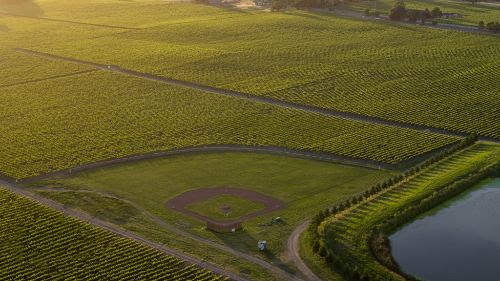
In the film Field of Dreams, a quiet voice whispers a simple promise: “If you build it, he will come.” The idea was never really about baseball. It was about creating something meaningful and trusting that the right people would be drawn to it. The wine industry is standing at a similar crossroads. For decades, wineries have operated on a simple assumption: make great wine, tell a compelling story, and consumers will come. Craft the product. Earn the accolades. Build the brand. But the next generation of wine consumers is telling us something different. Gen Z, now entering legal drinking age and shaping the future of hospitality, is not primarily seeking bottles to collect or scores to chase. Many say they are looking for something more fundamental: connection, community, and places where they can gather with friends away from the constant pull of the digital world. In other words, they are looking for a third space. For winery owners, executives, and Direct-to-Consumer lea
00
February 10, 2026
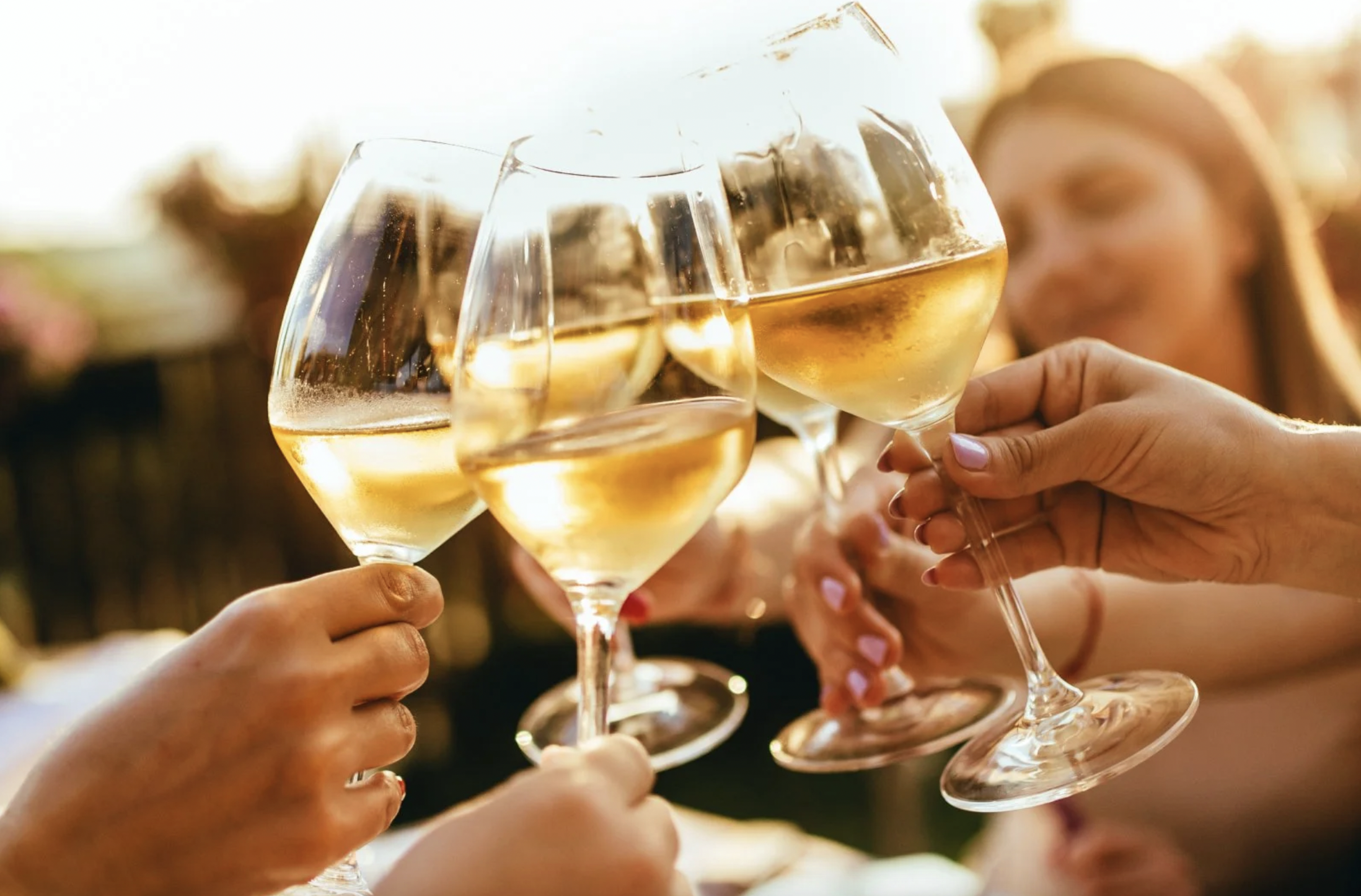
After 30 years of moving up and to the right, the American wine industry hit a wall. Not a temporary slowdown or a soft patch. A structural shift that requires a fundamentally different marketing playbook. 2025 was the reality check. 2026 is the year wineries either adapt or watch their customer base age out beneath them. The data is now unambiguous: wine sales dropped approximately 6% in 2024, marking the steepest decline in decades according to SipSource industry data. More troubling than the headline number is what's driving it. This isn't a recession blip or a bad vintage. It's a fundamental realignment of who drinks wine, how they buy it, and what they expect from the brands they choose. Here are the five trends reshaping the US wine market and what they mean for your brand's survival. The Demographic Disruption The wine industry built its growth on one generation: Baby Boomers. That generation is now aging out. The Wine Market Council's 2025 U.S. Consumer Ben
00
January 20, 2026
The wineries with the most loyal wine clubs aren't the ones with the best discounts. They're the ones with the strongest emotional identity. This will sound counterintuitive to anyone who's ever tried to stem club churn by sweetening the deal with free shipping or an extra bottle. But the data tells a different story. Companies with strong emotional connections to customers outperform competitors' sales growth by 85%. Not 8.5%. Eighty-five percent. The question isn't whether emotional connection matters. It's how you build one. Enter brand archetypes: a framework rooted in Jungian psychology that helps wineries create the kind of deep, identity-based loyalty that discounts can never buy. When wineries align their story, experience, and messaging with a core archetype, wine club loyalty stops being a battle against churn and becomes a natural expression of who they are. What Are Brand Archetypes? (And Why They Work in the Wine Industry) Brand archetypes are 1
00
January 16, 2026
The 2026 State of the U.S. Wine Industry Report, published by Silicon Valley Bank and authored by Rob McMillan, provides a comprehensive, data-driven assessment of current conditions in the U.S. wine market. Built on more than 25 years of industry research, the report combines results from SVB’s annual winery survey, its Direct-to-Consumer (DTC) survey, demographic and cohort consumption modeling, and a wide range of third-party wholesale, retail, and population datasets. The conclusion is clear: while the industry continues to face structural headwinds, wineries are not experiencing these conditions equally. A widening performance gap has emerged between those adapting to changing demand and those struggling to do so. 2025 Performance: A Difficult Year for Many By nearly every measure, 2025 was a challenging year for the U.S. wine industry. Roughly half of the surveyed wineries rated the year negatively, citing slowing demand, rising costs, margin pressure, and inventory ch
00
November 17, 2025

The Wine Industry Financial Symposium 2025 and its speakers made one thing abundantly clear: the wineries that will succeed in this current market and into the future will look fundamentally different from the wineries that dominated in the past. The industry is undergoing a structural reset. Shaped by shifting consumer behavior, oversupply, rising costs, evolving demographics, and a fiercely competitive landscape. Yet within this challenging environment lies an enormous opportunity. The sessions throughout the conference consistently revealed the same profile of a successful, future-ready winery. It is not the winery with the most acreage or the flashiest tasting room. It is the winery that is disciplined, adaptable, and deeply tuned into the consumer. Across all sessions, the profile of the successful winery became clear: Create a lean operation Efficiency is not cost-cutting; it’s clarity. Lean wineries eliminate waste, streamline processes, leverage automa
00
November 12, 2025
The Post-Harvest Drop-Off Fall brings a flurry of activity to wine country. Tasting rooms fill with eager visitors, social media buzzes with harvest photos, and the energy is palpable. Then November arrives, and for many wineries, engagement plummets. According to Silicon Valley Bank's 2024 Direct-to-Consumer Wine Survey, the average winery converts less than 15% of harvest event attendees into repeat customers by year-end. This represents an enormous missed opportunity. The wineries that thrive year-round don't view harvest as a seasonal peak but as the starting point of a strategic customer journey. Harvest Is Your Customer Acquisition Funnel Stop thinking of harvest events as isolated experiences and start viewing them as the top of your sales funnel. Smart consumer brands recognize that seasonal events provide a prime opportunity to collect valuable customer data while creating memorable brand experiences. These touchpoints become the first step in an ongoing relat
00
Event Type: Webinar
Date: 1/16/2026
Join Vinoshipper and Wine Industry Network for a comprehensive review of the 2026 National Direct Sales Report, the industry's most extensive benchmarking study of direct sales performance. What you'll learn: We'll analyze data from wineries, cideries, meaderies and distilleries combined with transaction data from over 3,000 producers to reveal: Sales channel performance across the industry Shipping volume trends and regional patterns Regulatory challenges How consumer behavior shifted in 2025 What strategies worked (and what didn't) About the report: The 2026 National Direct Sales Report represents the most comprehensive look at direct sales in the wine industry. Built from survey responses and real transaction data, this report tells the story of what's actually happening across tasting rooms, wine clubs, and e-commerce channels. Haven't taken the survey yet? The survey is open through December 7, 2025. Your anonymous responses strengthen the industry's un
00
October 7, 2025
Your Current Marketing Won't Work for Younger Wine Drinkers The generational shift in wine consumption is happening faster than most wineries are prepared to handle. According to Wine Intelligence's US Wine Consumer Trends 2025 report, millennials will surpass baby boomers as the largest wine-consuming demographic by value this year. Meanwhile, the oldest members of Gen Z (born 1997-2012) are now turning 28 and developing their own distinctive wine preferences. The problem? Most wineries continue marketing as if their primary audience is still over 55. The messaging, channels, and tactics that worked for boomers actively repel younger buyers. Let's examine what actually works when marketing to these crucial demographics. What Younger Wine Consumers Actually Want Millennial Wine Drinkers (Ages 29-44) Millennials approach wine fundamentally differently than their parents: What They Value: Transparency about production methods and ingredients Sustainable and ethical busines
00
August 28, 2025
Every member of your club is not exactly the same. So why are you treating them that way? The typical winery sends identical emails to every member of their club, from the first-time joiner who discovered you last weekend to the loyal patron who's been with you for a decade. The result? Generic messaging that resonates with no one. Segmentation, the practice of dividing your audience into meaningful groups based on shared characteristics, isn't just marketing jargon. For wineries, it's the difference between treating members like transaction numbers versus building relationships that keep them enrolled for years. In this guide, we'll explore practical segmentation strategies that don't require a data science degree—just your existing CRM tools and a willingness to see your members as individuals rather than a homogenous list. The Problem with "One Size Fits All Wine Club Communications The allure of the single-list approach is obvious: it's fast, it&#
00
Most wineries still send the same message to everyone—and leave money on the table. In Session #2 of the Wine Club Symposium, Laura Simons (Simons DTC Consulting) and the team at Enolytics show how targeted segmentation turns “almost” into “I’m in,” boosts retention, and creates predictable DTC revenue—without deeper discounts. â–¶ Watch the Full Session (Free Replay) What You’ll Learn Club vs. Non-Club: Convert high-potential buyers with member-only perks and short-window join offers. At-Risk & Lapsed: Re-engage 6–12-month gaps with “welcome back” bundles and quick pulse surveys. Potential Churn Members: Catch early signals (skips, fewer add-ons) and save with holds, swaps, and plan changes. High-Value VIPs: Use micro-exclusivity (library drops, small-lot access, VIP invites) to deepen loyalty. First-Time Buyers & Recent Converts: A 30-day path that turns a one-time order into a new me
00