

Filter Post Type
Sort:
Most Recent
110 of 57
The Wine Club Retention Crisis
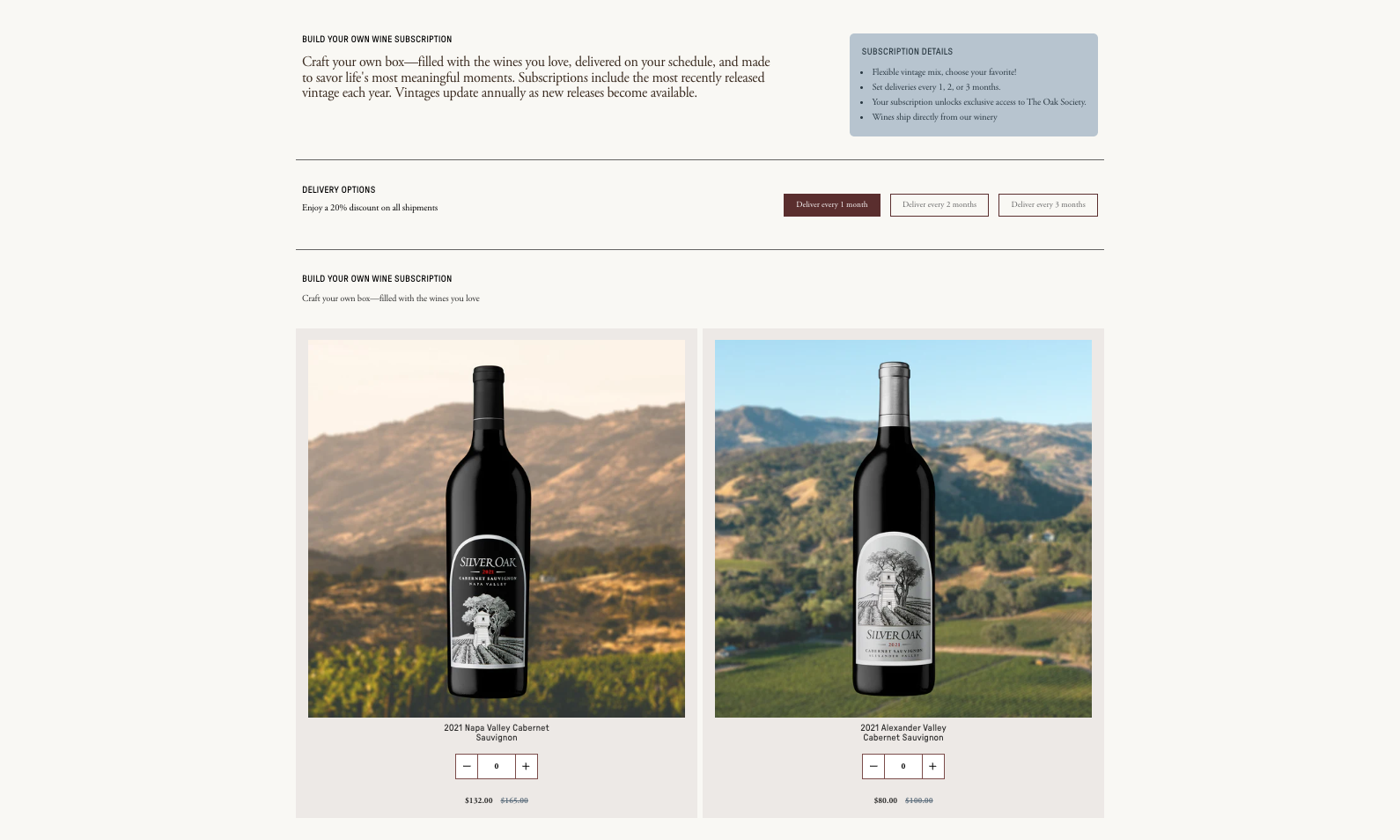
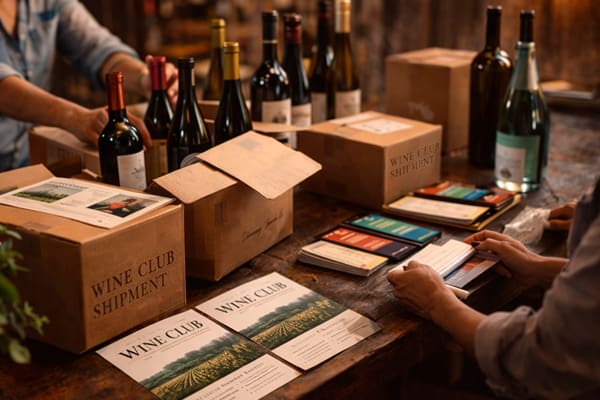
Why Wine Clubs Aren’t Working, And What’s Replacing Them For many wineries, the biggest challenge today isn’t attracting new customers; it’s keeping the ones they already have. Wine clubs once represented the most stable revenue engine for wineries. Members signed up, shipments went out quarterly, and predictable revenue flowed in. It was the foundation of direct-to-consumer success. But that foundation is cracking. Recent industry data reveals a troubling trend: nearly 40% of wine club members cancel within the first year. In a market where customer acquisition costs are climbing, and competition for attention has never been fiercer, losing members at this rate isn’t just a retention problem; it’s a profitability crisis. The math is unforgiving. If acquiring a new club member costs hundreds of dollars in marketing, tasting room labor, and incentives, losing them before they’ve generated meaningful lifetime value means wineries are bleeding money with every signup. And yet, some winer
00

Wine Club Scorecard

For Winery Owners, GMs & Wine Club Managers


Your Wine Club Deserves Better Than a Best Guess


Talk to enough wine club managers and a pattern starts to emerge. The club is running. Shipments are going out. Members are renewing, mostly. And yet there is this persistent, low-grade frustration that things could be doing so much more, and nobody can quite agree on what better actually looks like or where to start.


That is not a people problem. It is not even really a strategy problem. It is what happens when you are managing something genuinely complex without a clear baseline to work from.


Wine clubs are one of the most valuable revenue channels a winery can have. Done well, they create reliable recurring income, deepen customer loyalty, and turn occasional buyers into genuine advocates. But they are also difficult to manage well. You are balancing member experience, logistics, pricing, retention, acquisition, and brand storytelling all at once. And most teams are doing it without any real benchmark for how they are performing relative to what is possible.


You fix what is loudest, not necessarily what matters most.

So decisions get made on feel. Churn ticks up and the instinct is to throw a discount at it. Acquisition slows and suddenly everyone is debating whether to restructure the club tiers. Revenue per shipment plateaus and nobody is quite sure if that is a pricing issue, a product issue, or just the market.


What the best clubs do differently

The wineries that run their clubs well tend to have one thing in common: they have taken the time to actually understand where they stand. Not in a vague, gut-check kind of way, but specifically. They know their retention rate and what is driving it. They know which member segments are most valuable and why. They know where their acquisition funnel leaks and what a realistic cost per new member should look like. That clarity changes how they make decisions.

Most clubs do not have that clarity. Not because the people running them are not capable, but because nobody ever gave them a framework to build it from. That is the gap the Wine Club Scorecard was designed to fill.


What you actually get

The Wine Club Scorecard is a free assessment built specifically for winery owners, GMs, and wine club managers who want an honest read on how their club is performing. It covers the areas that actually drive club health: member retention, acquisition strategy, engagement, revenue per shipment, and overall club structure.


You answer a series of questions about how your club operates today, and what comes back is a genuine report with benchmarks, clear data on where you stand, and specific steps you can take to improve. Whether your club has 200 members or 2,000, the output is the same: real information you can act on.


The whole thing takes about five minutes. And the conversations it tends to start, with your team, with ownership, with whoever makes decisions about where to invest, are usually long overdue.


If you have had that nagging sense that your club is running but not quite performing, this is a good place to start. Not because it will hand you a magic fix, but because you cannot fix what you have not clearly identified. A lot of wine clubs are leaving real money and real member relationships on the table, not out of negligence, but simply because no one has stepped back to look at the full picture.


Now is a good time to look.

Free report. Benchmarked data. Clear next steps. Takes five minutes.

Take the Free Scorecard wineclubscorecard.com


© 2026 WineClubScorecard.com  ·  Built for the wine industry.

00
What’s Driving Winery Growth in Today’s Market?
From hospitality-driven visitation to loyalty and strategic partnerships, the Wine Sales Symposium explores where revenue growth is coming from now The path to winery growth looks different than it did even a few years ago. Today’s most successful wineries are not relying on a single channel or a single tactic. Instead, they are building growth through a combination of stronger customer experiences, deeper retention strategies, and brand partnerships that extend reach beyond traditional wine audiences. At this year’s Wine Sales Symposium, several sessions will explore how these shifts are reshaping sales and marketing strategies across the industry. One of the most important changes is happening in hospitality and visitation. Consumers—especially Millennials and Gen Z—are increasingly choosing experiences that feel personal, memorable, and aligned with their identity. For wineries, that means visitation is no longer simply about tasting wine; it’s about de
00
The Shopify Winery Stack Is Finally Complete
Five years ago, running a winery on Shopify meant duct-taping a lot of things together. Great for e-commerce. Okay for DTC. Difficult for wine clubs. Not really designed for tasting rooms. That's changed. The combination of Shopify's platform investments and a handful of wine-specific apps has created something genuinely new: a single operational stack that connects your tasting room, your wine club, your online store, and your loyalty program under one customer record. That convergence has real operational consequences — and it's why an increasing number of wineries are consolidating everything onto Shopify. Here's what's actually different. Your Card on File, Finally Done Right One very frustrating limitation of running a winery business on Shopify used to be simple: Shopify didn't let you vault a customer's payment card and charge it later for anything other than a subscription — not from your POS or your back office or sales team for one-tim
00
The Critical Winery Website Audit: 9 Costly Conversion Mistakes to Fix Now
A few years ago at the DTC Wine Symposium, a panelist joked about the modern winery website formula: the guy, the dog, the truck, and the vineyard. Beautiful backdrop, strong lifestyle photography, a thoughtful founder story. Polished, absolutely. Strategically distinct, rarely. The critique wasn’t about branding. It was about structure. Most winery websites aren’t broken, but they aren’t built as decision environments either. Calls to action are unclear, revenue pathways are buried, shipping surprises appear late, and wine club often lives in isolation instead of throughout the buying journey. After auditing winery sites across regions and production sizes, the pattern is consistent: performance is constrained by friction, not effort. Most wineries don’t have a traffic problem. They have a conversion architecture problem. Before increasing ad spend or launching another promotion, run a winery website audit — on your phone. Start at the homepage and move t
00
Why More Wineries are Reimagining Wine Clubs with Shopify + Awtomic
For years, wineries evaluating new technology have asked the same question: “Can it handle my clubs and tasting room?” While that’s still important, the bigger question today is: “Can this platform help me grow into the future?” For years, wineries evaluating new technology have asked the same question: “Can it handle my clubs and tasting room?” While that’s still important, the bigger question today is: “Can this platform help me grow into the future?” The truth is, covering today’s needs is table stakes. The real opportunity lies in embracing tools that unlock growth and connect wineries to the same ecosystem powering the world’s most innovative ecommerce brands. That’s why more wineries are moving to Shopify, and choosing Awtomic as the engine behind their clubs. Built for the Wine Industry With Awtomic and Shopify, wineries don’t have to choose between tradition and innovation. Our pl
00
Navigating the New Wine Landscape: 2026 US Market Trends for Wine Brands
After 30 years of moving up and to the right, the American wine industry hit a wall. Not a temporary slowdown or a soft patch. A structural shift that requires a fundamentally different marketing playbook. 2025 was the reality check. 2026 is the year wineries either adapt or watch their customer base age out beneath them. The data is now unambiguous: wine sales dropped approximately 6% in 2024, marking the steepest decline in decades according to SipSource industry data. More troubling than the headline number is what's driving it. This isn't a recession blip or a bad vintage. It's a fundamental realignment of who drinks wine, how they buy it, and what they expect from the brands they choose. Here are the five trends reshaping the US wine market and what they mean for your brand's survival. The Demographic Disruption The wine industry built its growth on one generation: Baby Boomers. That generation is now aging out. The Wine Market Council's 2025 U.S. Consumer Ben
00
From Harvest to Holidays: Turning Fall Winery Events into Year-Round Customer Loyalty
The Post-Harvest Drop-Off Fall brings a flurry of activity to wine country. Tasting rooms fill with eager visitors, social media buzzes with harvest photos, and the energy is palpable. Then November arrives, and for many wineries, engagement plummets. According to Silicon Valley Bank's 2024 Direct-to-Consumer Wine Survey, the average winery converts less than 15% of harvest event attendees into repeat customers by year-end. This represents an enormous missed opportunity. The wineries that thrive year-round don't view harvest as a seasonal peak but as the starting point of a strategic customer journey.  Harvest Is Your Customer Acquisition Funnel Stop thinking of harvest events as isolated experiences and start viewing them as the top of your sales funnel. Smart consumer brands recognize that seasonal events provide a prime opportunity to collect valuable customer data while creating memorable brand experiences. These touchpoints become the first step in an ongoing relat
00
How to Turn Browsers into Buyers (Before the Holidays Hit)
In our most recent Free Training Friday, we focused on one thing: helping wineries convert holiday browsers into buyers. With peak shopping season approaching, this session was all about small, actionable tweaks you can make right now to ensure your site is ready when customers start searching for gifts. 1. Make Holiday Intent Obvious When shoppers land on your homepage, they're looking for one thing: the confidence that you can help them find (and ship) the perfect gift on time. That's why it's so important to give them clear visual and navigational cues that say, "Yes, we've got you covered." That doesn't mean covering your site in red and green. Instead, aim for subtle seasonal touches that align with your brand, like warm seasonal messaging, photography, or gift-centric cues.  Two Key Updates to Add Now: Shipping Timelines: Clearly state cutoff dates ("Order by Dec 18 for delivery by Dec 24"). Corporate Gifting Entry: Include an entry po
00
Facebook/Meta: Turning Fans into Wine Club Members
Facebook/Meta: Turning Fans into Wine Club Members Expanding on insights from our Wine Club Scorecard, this post explores one of the most underused yet powerful tools for wine club growth: Facebook. While platforms like TikTok and Instagram often grab attention, Facebook remains one of the most effective drivers of wine club engagement and conversion when paired with Meta’s advanced targeting and advertising tools. With 72% of wine consumers aged 35–65 actively using Facebook, this is not just a social network—it’s an opportunity to build real relationships, deepen loyalty, and guide new members into your wine club. Yet most wineries still treat Facebook as a newsfeed instead of a growth engine. Sporadic posts, static bottle shots, and low engagement can’t compete with a thoughtful strategy that uses Facebook the way it was meant to be used: to connect, converse, and convert. Let’s explore how to turn Facebook into a true wine club acquisition chann
00