
Filter Post Type
NewsVideoProductEventLink
Sort:
Most Recent
1–10 of 35
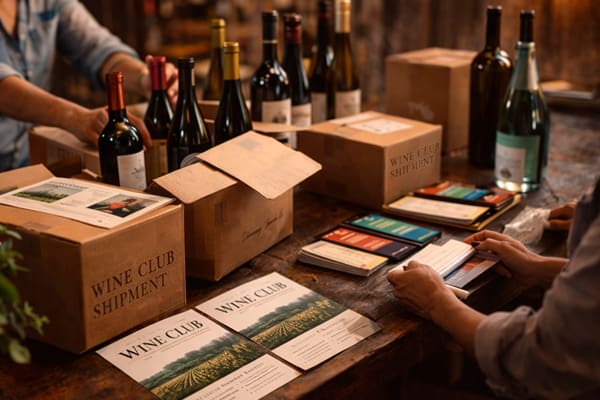
Why Wine Clubs Aren’t Working, And What’s Replacing Them For many wineries, the biggest challenge today isn’t attracting new customers; it’s keeping the ones they already have. Wine clubs once represented the most stable revenue engine for wineries. Members signed up, shipments went out quarterly, and predictable revenue flowed in. It was the foundation of direct-to-consumer success. But that foundation is cracking. Recent industry data reveals a troubling trend: nearly 40% of wine club members cancel within the first year. In a market where customer acquisition costs are climbing, and competition for attention has never been fiercer, losing members at this rate isn’t just a retention problem; it’s a profitability crisis. The math is unforgiving. If acquiring a new club member costs hundreds of dollars in marketing, tasting room labor, and incentives, losing them before they’ve generated meaningful lifetime value means wineries are bleeding money with every signup. And yet, some winer
00

In the film Field of Dreams, a quiet voice whispers a simple promise: “If you build it, he will come.” The idea was never really about baseball. It was about creating something meaningful and trusting that the right people would be drawn to it. The wine industry is standing at a similar crossroads. For decades, wineries have operated on a simple assumption: make great wine, tell a compelling story, and consumers will come. Craft the product. Earn the accolades. Build the brand. But the next generation of wine consumers is telling us something different. Gen Z, now entering legal drinking age and shaping the future of hospitality, is not primarily seeking bottles to collect or scores to chase. Many say they are looking for something more fundamental: connection, community, and places where they can gather with friends away from the constant pull of the digital world. In other words, they are looking for a third space. For winery owners, executives, and Direct-to-Consumer lea
00

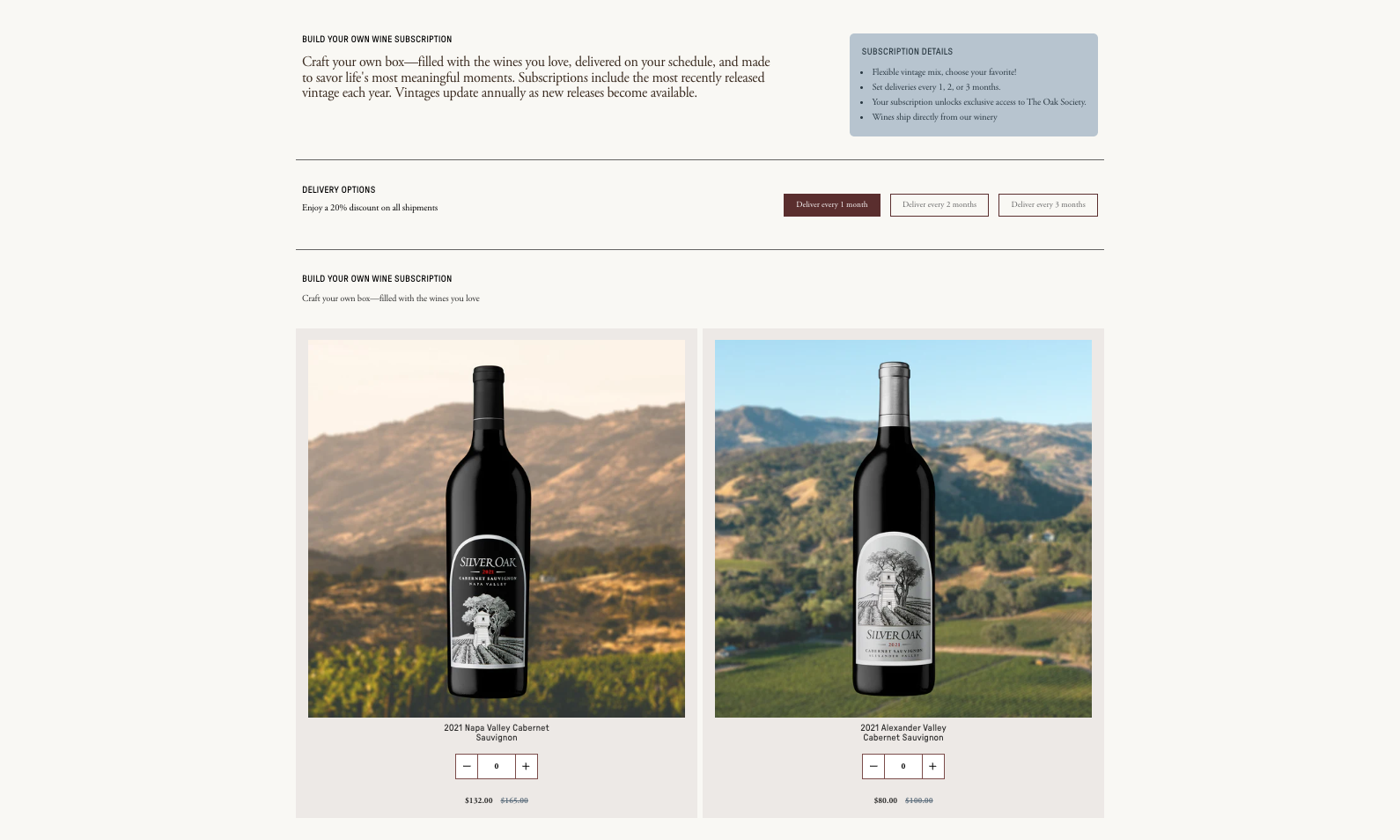
Five years ago, running a winery on Shopify meant duct-taping a lot of things together. Great for e-commerce. Okay for DTC. Difficult for wine clubs. Not really designed for tasting rooms. That's changed. The combination of Shopify's platform investments and a handful of wine-specific apps has created something genuinely new: a single operational stack that connects your tasting room, your wine club, your online store, and your loyalty program under one customer record. That convergence has real operational consequences — and it's why an increasing number of wineries are consolidating everything onto Shopify. Here's what's actually different. Your Card on File, Finally Done Right One very frustrating limitation of running a winery business on Shopify used to be simple: Shopify didn't let you vault a customer's payment card and charge it later for anything other than a subscription — not from your POS or your back office or sales team for one-tim
00
December is when winery commerce systems reveal their true strengths — and their limitations. Busy tasting rooms. Holiday gift orders. Club shipments. Online traffic spikes. Staff moving fast across multiple channels. This is the moment when technology either supports growth — or quietly slows it down. The Difference Isn’t Just Sales. It’s Conversion. Most winery platforms can process transactions. Fewer are designed to support hospitality-driven conversion — turning visitors into buyers, buyers into members, and seasonal traffic into long-term relationships. That distinction becomes especially clear during the year’s final sales push. What High-Performing Wineries Do Differently They Use POS Systems Built for Hospitality High-volume tasting rooms need more than a checkout screen. The strongest systems support: fast, browser-based performance (no app lag) tabs, tables, flights, and food service quick workflows that keep staff present with guests
00

December 10, 2025

Since its launch in 2022, ChatGPT has swept into our lives like a whirlwind romance. It’s the new Google for our age. Don’t know what to cook for dinner? ChatGPT it. Need to finally draft that pesky email? ChatGPT it. In fact, some people are literally dating the chatbot. CBS Saturday Morning recently reported on Chris Smith, a man who claims to have fallen in love with ChatGPT. He’s even proposed. She said yes. It’s a heartwarming tale that forebodes the end of human civilization as we know it. Of course, the insatiable demand to have all our questions answered and our heart’s deepest desire fulfilled at the push of a button comes with ripple effects—not only for our souls, but our wallets. The AI boom has unleashed a construction spree of energy-hungry data centers to support the tech’s exploding use, requiring utility companies to upgrade their infrastructure, which is then passed on to the average consumer in the form of electricity bills
00

Your Holiday Storefront Checklist Before the first gift order rolls in, make sure your entire commerce setup is ready to shine. Here’s a quick checklist: POS + Online Store — Synced & Tested Your tasting-room POS and eCommerce site (whether you use Activ8 eCommerce or Shopify) run seamlessly with Activ8. Pricing, products, and inventory stay perfectly aligned across every channel. Holiday Inventory — Updated & Unified Add gift sets, bundles, and seasonal releases once — Activ8 keeps them synced automatically everywhere you sell. Payments — Ready for Anything Accept cards, contactless, and digital wallets through Activ8 Payments or Stripe, with secure, fast processing and automatic reconciliation. Storefront — Fresh & Guest-Friendly Update your online store and club pages with new images, gifts, and clear holiday navigation. Activ8 makes it easy to edit and publish in minutes. Small updates now mean smoothe
00
For years, discounting has been the default lever wineries pull to spark sales and reward loyal customers. But in today’s crowded marketplace, deep discounts can erode brand value and condition customers to buy only when the price drops. There’s a better way: loyalty points programs. Retention, without discounting, comes from making customers feel known, valued, and part of something special. They’ll stay not because it’s cheaper, but because it’s theirs. Instead of discounting away margin, wineries can encourage repeat visits and purchases by offering rewards that feel aspirational, personalized, and memorable. Loyalty points add up over time, giving guests a reason to come back again and again, all the while protecting your brand’s premium image. 10 Reasons Why Loyalty Points Work Shift from price to experience. Points reward frequency and engagement, not bargain hunting. The program should reinforce experience, access, and emotional loyalty, not
00


In our most recent Free Training Friday, we focused on one thing: helping wineries convert holiday browsers into buyers. With peak shopping season approaching, this session was all about small, actionable tweaks you can make right now to ensure your site is ready when customers start searching for gifts. 1. Make Holiday Intent Obvious When shoppers land on your homepage, they're looking for one thing: the confidence that you can help them find (and ship) the perfect gift on time. That's why it's so important to give them clear visual and navigational cues that say, "Yes, we've got you covered." That doesn't mean covering your site in red and green. Instead, aim for subtle seasonal touches that align with your brand, like warm seasonal messaging, photography, or gift-centric cues. Two Key Updates to Add Now: Shipping Timelines: Clearly state cutoff dates ("Order by Dec 18 for delivery by Dec 24"). Corporate Gifting Entry: Include an entry po
00

October 22, 2025
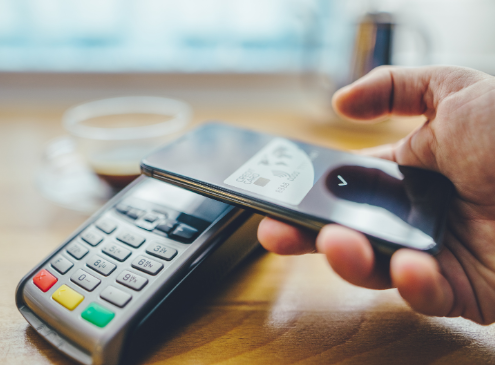
Today's customers expect convenience at every turn, especially when it comes to how they pay. An advanced checkout experience with an integrated mobile wallet isn't just a nice feature anymore; it's a competitive advantage. Whether you're in retail, hospitality, or e-commerce, mobile checkout transforms how customers interact with your brand and how efficiently your business operates. Increased Sales & Conversions Speed an simplicity drive sales. When checkout feels effortless, customers are far less likely to abandon their carts and far more likely to make spontaneous purchases. Mobile wallet options like Apple Pay and Google Pay remove the biggest roadblocks to conversion: manual data entry and security concerns. The result? Higher conversion rates, happier customers, and a measurable lift in revenue. A Better Customer Experience Mobile checkout meets customers here they already are, on their phones. With the ability to autofill payment and shipping details
00