
Filter Post Type
NewsVideoProductEventLink
Sort:
Most Recent
Tagged:Vineyard protection
1–5 of 5
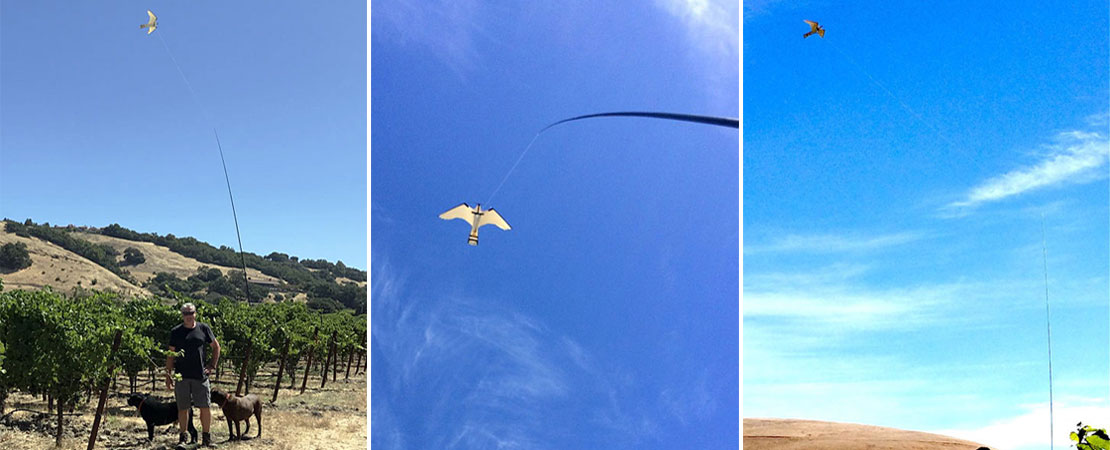
One of a vineyard manager's worst early morning sights is walking among their vineyard and finding fruit damaged by birds. To combat this force of nature, growers have traditionally tried expensive and labor-intensive methods of mitigating bird damage in their vineyard. They've used sound-emitting devices, introduced other large birds of prey, placed netting in the fruiting zone and even tried netting the entire canopy, ultimately learning that nothing has truly provided an economic or socially acceptable solution to the problem. Luckily, the industry has been buzzing about a new solution that has shown spectacular results from guarding against bird damage without any netting whatsoever. Falcon Crop Protection has developed a falcon-shaped kite that is attached to a moveable pole and behaves like a real bird of prey. Their "FrightKite" looks like the real deal and has proven highly effective in fending off birds that would otherwise do damage to valuable crops. We
00
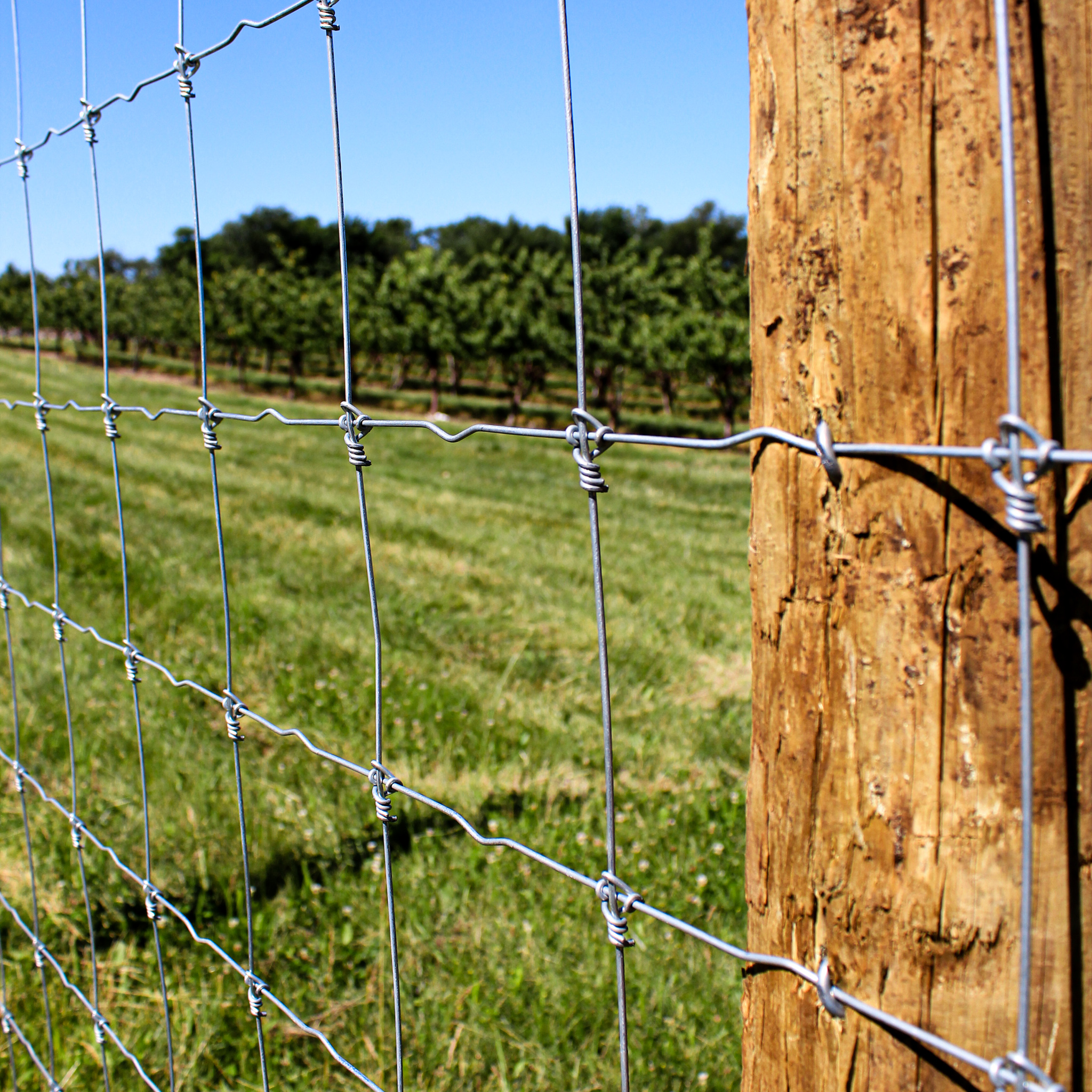
According to the article “FIXED KNOT FENCE: THE LATEST TECHNOLOGY IN AMERICAN RANCH FENCING, ranchers started out by letting their livestock roam free in wide-open areas with no fencing. As time passed, the invention of the barbed wire fence played a crucial role in the rancher world. It was a versatile fence that could provide security from predators and offer a more controlled area for livestock to roam. There were flaws, however. Barbed wire fencing began losing its shape quickly, which could lead to potential sagging and breakage. Costs were a concern due to the need for more wooden posts to prevent this potential breakage. Where there are problems, there are solutions. Fixed knot became the new innovative fencing. Fixed knot is a high-tensile fence that offers interconnected and horizontal wires that form product for cattle squares and rectangles of overlapping wound wires. This knot type allows for more strength and stabilit
00
According to the Deer and Hunter article, human rights activists plans to seek an end to fishing and hunting in the state of Oregon. If this initiative is passed, this will consider any injury of mammals, fish, reptiles, and amphibians a felony unless in an act of self-defense. Having an overabundance of deer could potentially lead to destruction of the ecosystem. We all know deer enjoying eating. With more hungry deer on this rise, the more plant species may begin to dissipate. The human species could be affected in a big way too! Almost all of us could say we, or someone we know, has been, or has almost been in an accident due to a deer. A huge concern with increased deer is the influx of vehicle accidents. Ticks could enter yards with ease as the deer stroll onto properties for a quick bite to eat. While living in an overpopulated deer area, precautions need to be taken in order to preserve the surrounding environment. With DeerBusters fence, you can feel relief knowing that your en
00

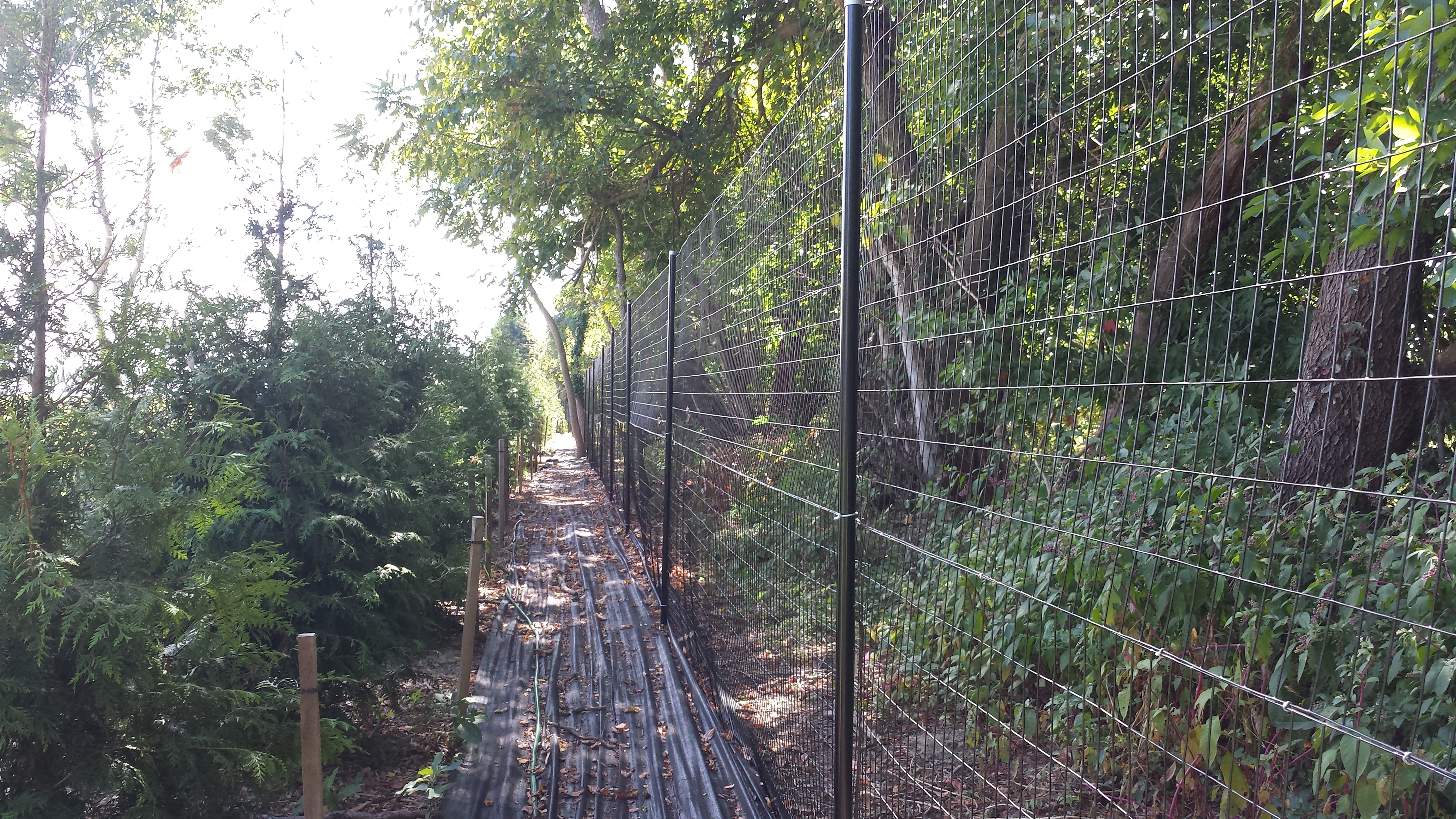
Deer can be a nuisance in your vineyard. To keep them out, consider using a deer exclusion fencing solution. In order for a fence to be effective, the fence has to be high enough. Deer are excellent jumpers and can clear a 7 ft. fence with ease. To combat these high-flying creatures, we offer 8 ft. fences in a variety of materials. The reason a tall fence is more effective for deer is due to how their eyes work. Being on the side of their head, it gives them a full 360-degree vision range compared to the 180-degree range of a human. While being able to see on all sides has its advantages, it also comes with a disadvantage – depth perception. Deer are not able to gauge how high something is due to their lack of depth perception. This comes in handy when deterring deer from jumping into your yard or garden. They will typically not want to risk injury by jumping without being able to judge the height. In this instance, deer would prefer to simply go around the obstacle. We also reco
00

During the autumn months, deer tend to move around more frequently. This is because fall is rutting season for bucks. Rutting season is when a mature buck will travel large quantities a day in search of a mate.
In the time leading up to the rut, deer tend to increase their food consumption, so they have enough fat stored for their mating journey. That means that your vineyards may be in trouble. Deer are not very picky creatures. Their diet will vary greatly depending on what is immediately available to them. If one of these curious creatures happens to stumble across your backyard garden, your yield may become smaller.
The rut itself tends to subdue a buck's appetite because they spend most of their energy searching for a doe. Since they do not eat as much, they are traveling more frequently. This spells danger to gardens that would not typically have a deer problem. The rut causes deer to stray further from their typical feeding grounds and stop at food sources along th
00