Filter Post Type
NewsVideoProductEventLink
Sort:
Most Recent
Tagged:Vineyard Management
1–10 of 46
April 15, 2026

Control the Vineyard. Control the Outcome. Gonzalez Vineyard Management Services — a comprehensive solution for growers looking to optimize vine health, fruit quality, and overall vineyard performance throughout the growing season. Vineyard management is a year-round, hands-on process, covering everything from soil and site management to planting, canopy work, irrigation, pest control, and harvest coordination. Services like this provide growers with the expertise and labor support needed to make timely, informed decisions at every stage of the vineyard lifecycle, helping maximize both yield and quality. As the growing season progresses, having the right management in place can make a measurable difference in how the vintage develops. View Listing The WIN Marketplace is built to connect buyers and sellers across the wine industry, and listings like these highlight how the platform helps growers access full-spectrum support throughout the vineyard l
00
March 25, 2026

Set Your Vineyard Up for Success This Season Now available: Viticultural Services from Jack Neal & Son, backed by decades of Napa Valley experience — offering vineyards comprehensive support from site evaluation and vineyard development to ongoing management and harvest execution. Services include everything from varietal and rootstock selection, irrigation strategy, pest and disease management, soil and tissue analysis, and precision farming tools — all tailored to maximize vineyard performance and fruit quality. With over 50 years of vineyard management experience and a strong focus on organic and biodynamic farming practices, this is a full-spectrum solution for growers looking to optimize both yield and quality. View Listing The WIN Marketplace is built to connect buyers and sellers across the wine industry, and listings like these Viticultural Services highlight how the platform helps growers access experienced, full-service vineyard management support. Wi
00
Making Time Work in the Vineyard Time is becoming one of the most limited resources in vineyard operations. Between labor constraints and the daily demands of irrigation, many teams are spending hours on tasks that are necessary, but repetitive. Irrigation, in particular, requires constant attention. Starting and stopping sets, adjusting valves, checking system performance, and traveling between blocks can quickly take up a large part of the day. Even when everything is running correctly, time is still spent verifying that it stays that way. Over the course of a season, those hours add up. Simplifying the day-to-day Automation offers a practical way to reduce that workload without changing the goals of the operation. Instead of managing irrigation manually, teams can schedule events in advance, make adjustments remotely, and monitor performance from a single platform. This removes the need for frequent site visits and reduces the number of routine tasks that require hands-on involveme
00
March 16, 2026
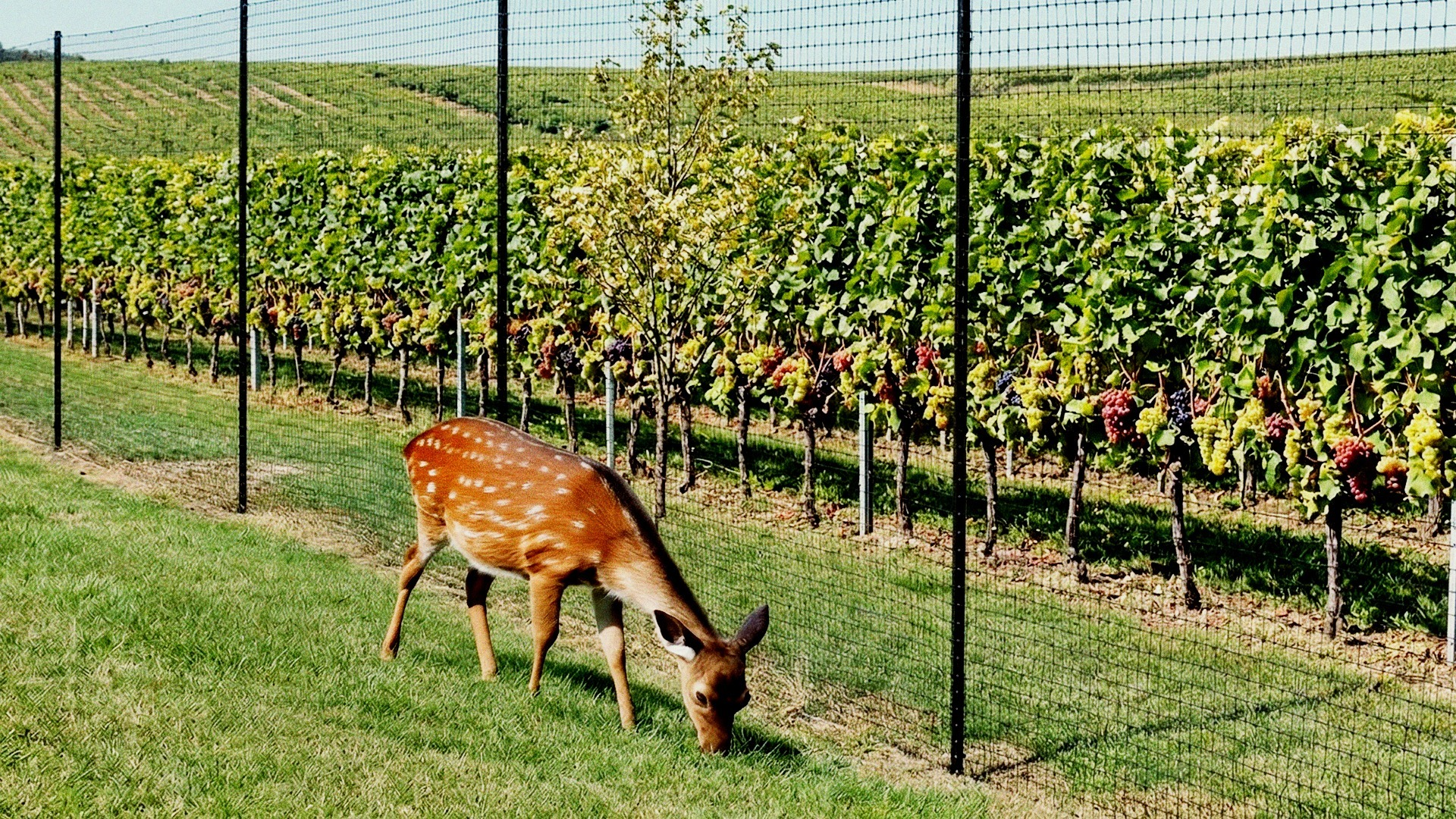
When growers talk about adopting new techniques, the conversation usually stays inside the rows — canopy decisions, new tools, new timing, new workflows. But the early adopters who come out of a season feeling confident tend to share one quiet habit: They stabilize the perimeter first. Not because fencing is flashy. Because it reduces variables. If you’re trialing changes in the vineyard and wildlife pressure spikes at the same time, it’s hard to tell what’s actually working. A dependable perimeter helps protect your results, your labor plan, and your fruit — while you focus on what you’re testing. Why the perimeter is the smartest “first move” A fence is a risk-control upgrade. It doesn’t require retraining crews, rewriting SOPs, or perfect timing. It just needs to be designed correctly for your pressure and installed correctly for your terrain. That’s why it pairs so well with seasons where you’re trying anything new:
00
March 16, 2026

Every vineyard is a complex ecosystem, with countless variables influencing grape quality, yield, and operational efficiency. From soil health to irrigation patterns, nutrient balance to pest activity, the performance of each block is constantly changing. Traditional vineyard management approaches often rely on periodic inspections and intuition, leaving managers reactive rather than proactive. Precision management — the ability to monitor conditions at the block level in real time and respond immediately — is increasingly critical for successful operations. AgCode empowers vineyard managers to achieve this level of precision. Our platform consolidates soil data, irrigation schedules, nutrient monitoring, and pest activity into a single interface, giving your team complete visibility of each block’s conditions. Users can adjust irrigation in response to actual soil moisture, log fertilization and pesticide applications, and track environmental data over time to
00
When we launched the Sustainable Winegrowing Podcast in 2016, we weren’t sure where it would go. Now, 300 episodes later, it’s become a go-to resource for growers, researchers, educators, and wine industry professionals dedicated to sustainability. To mark this milestone, we flipped the mic around and interviewed our host, Craig Macmillan, PhD — long-time vineyard and winery professional, educator, and now podcasting veteran — to reflect on some favorite episodes, meaningful moments, and what’s ahead. From Zoom Recordings to Global Reach Craig began hosting when the podcast was just an idea sparked by the Vineyard Team’s goal to make sustainable winegrowing knowledge more accessible. “I wasn't a podcast listener at all,” Craig admits. “But I said sure, why not? Let's try it.” Since then, the show has featured scientists, growers, and innovators from all over the world, creating a ripple effect of conversations and c
00
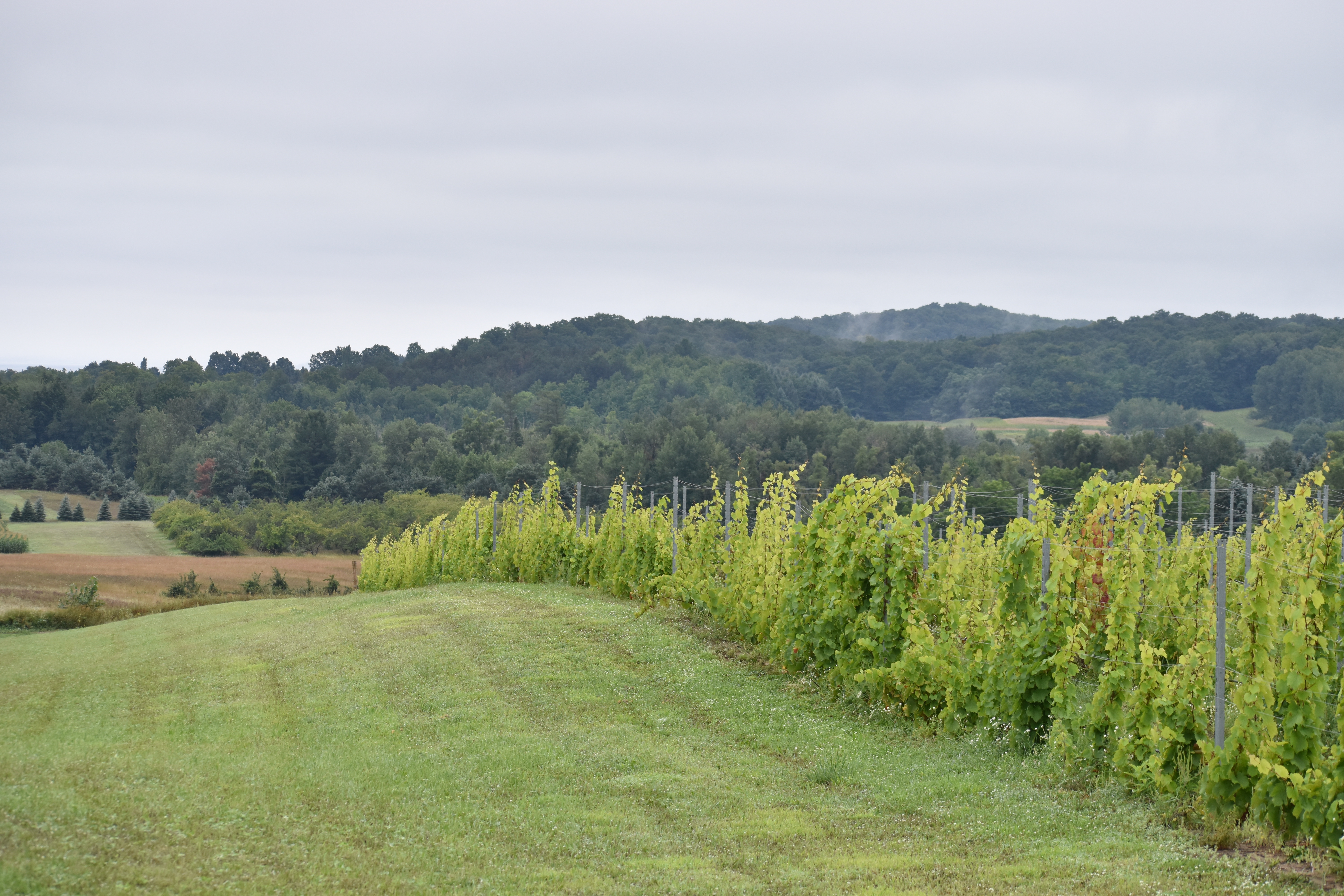
Across the vineyard industry, margins are under pressure. Rising labor costs, limited workforce availability, and increasing water expenses are forcing growers to take a closer look at where efficiencies can be gained. While market conditions may be outside a vineyard’s control, how resources are managed in the field is not. For many operations, irrigation remains one of the largest opportunities to reduce both labor and water costs without compromising vine health or fruit quality. Labor remains a growing challenge Labor continues to be one of the most difficult costs for vineyards to manage. Irrigation tasks often require daily attention, including valve adjustments, system checks, troubleshooting issues, and traveling between blocks. During peak season, these tasks can consume significant time and require experienced personnel to be in multiple places at once. Even well-run operations feel the strain when crews spend hours driving to sites simply to make routine changes or co
00
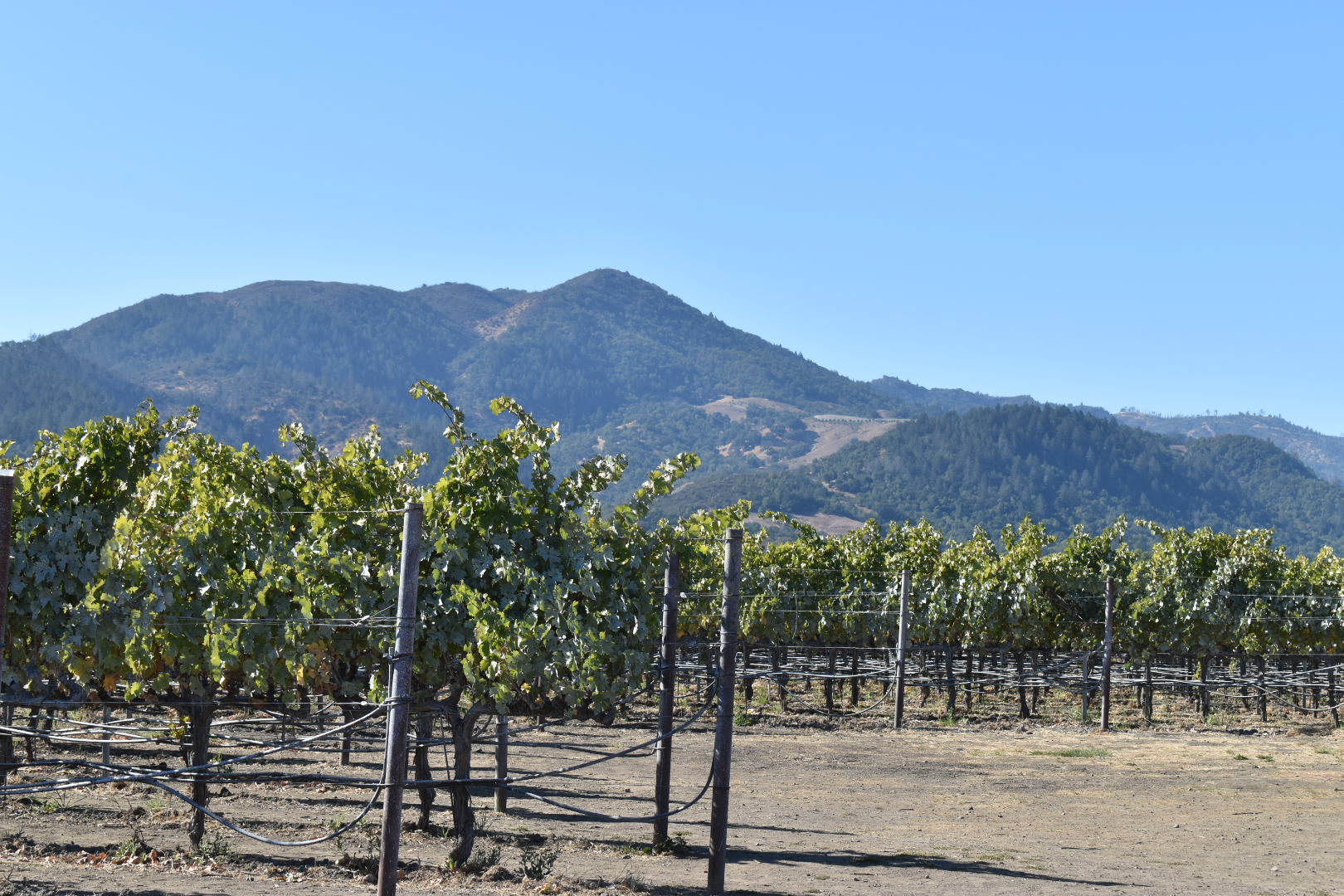
Vineyards communicate long before the fruit shows any stress. Subtle shifts in canopy color, changes in shoot vigor, and even small variations in soil texture can reveal how each block is responding to the season. For growers, the challenge is catching those signals early enough to act with confidence. That’s where strong water monitoring makes a difference. With tools that track soil moisture, water flow, pump activity, and irrigation timing across the ranch, growers can see where vines are holding steady and where attention is needed. Instead of guessing based on visual cues alone, they can match irrigation to the real conditions happening beneath the surface. This approach supports more than efficiency. It protects vine health during heat events, helps stabilize fruit quality, and builds a clearer understanding of each block’s behavior over time. Every vineyard has its own pattern and rhythm. When growers can follow those patterns consistently, they gain a new level of
00
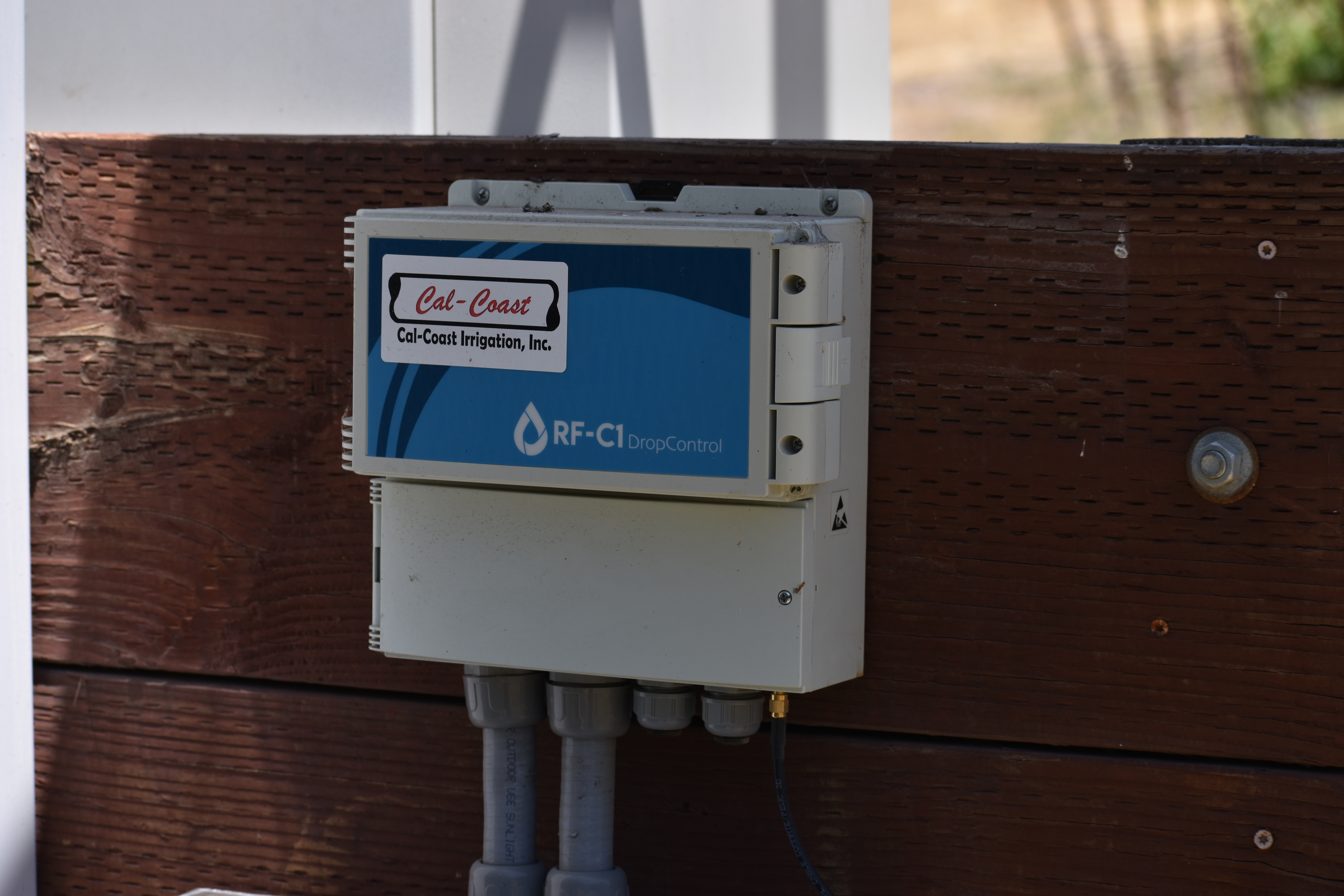
As vines move into dormancy and winter approaches, vineyard teams shift their attention to preparation for the season ahead. This quiet period is an ideal moment to strengthen irrigation infrastructure, improve control, and set clear expectations for water use in the new year. With the RF-C1, vineyard managers gain remote control and monitoring of irrigation equipment. From valve actuation to pump performance, every command can be executed and reviewed in one place on DropControl. This helps crews verify that systems are operating correctly during the off season and that any repair needs are uncovered long before bud break. Winter is also a good time to invest in efficiency. The RF-C1 works with flow meters, pressure switches, and field devices to ensure accurate application across every block. The constant stream of data it provides supports smarter scheduling and ensures that when the vines require water again, each drop is accounted for. WiseConn will be at the WIN Expo this year,
00
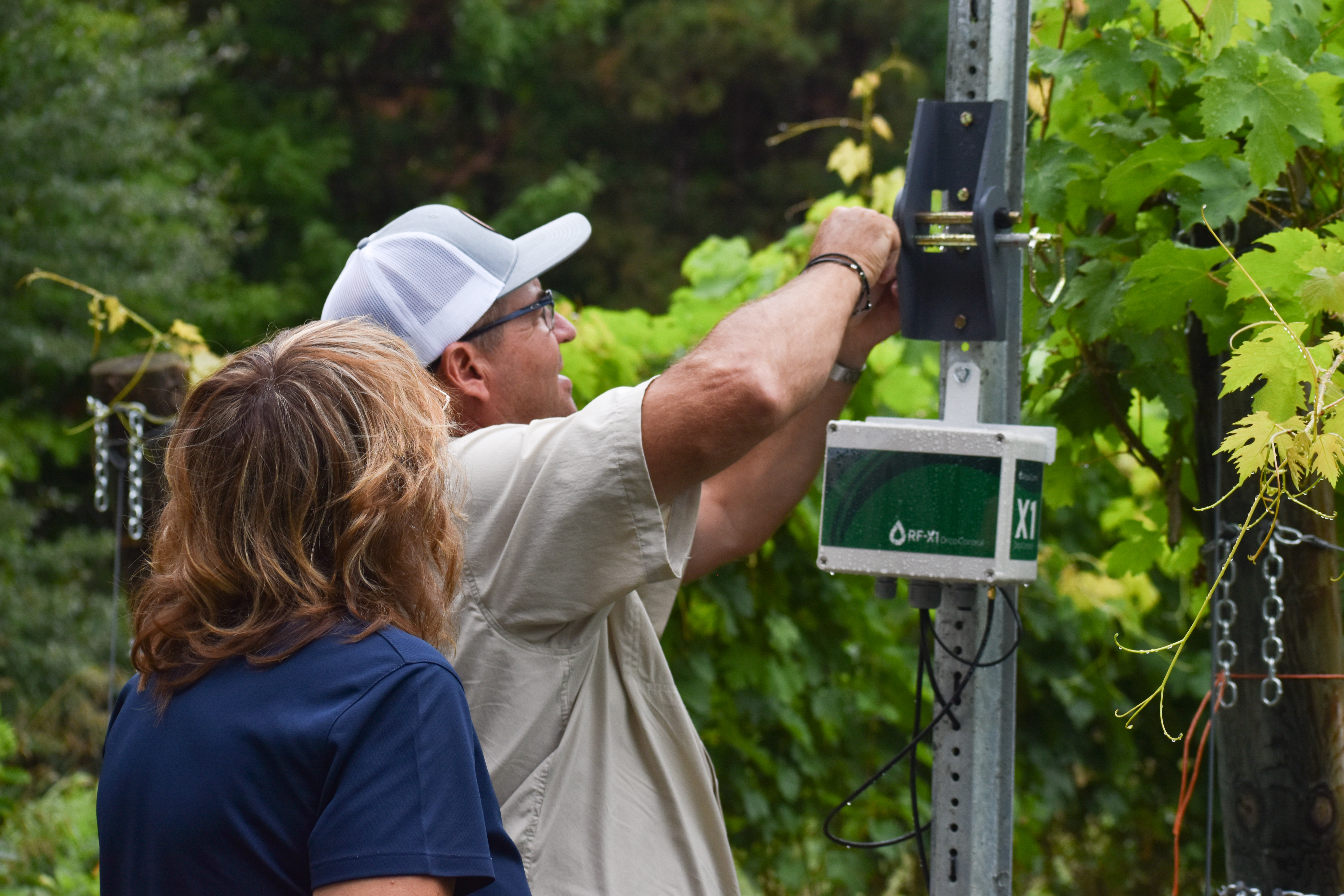
As Napa Valley heads into harvest, vineyard managers face their most decisive irrigation challenge of the year: striking the balance between protecting vine health and preserving grape quality. Too much water at this stage can dilute flavors, push late canopy growth, and increase disease pressure. Too little risks shriveling and uneven ripening. It’s a fine line that growers can’t afford to leave to guesswork. That’s why more vineyards are adopting precision irrigation systems. WiseConn’s DropControl connects soil moisture profiles, flow monitoring, pressure readings, and remote valve control into one platform, providing a real-time picture of conditions across the vineyard. The benefits go beyond efficiency. With data-driven scheduling, growers can keep ripening consistent across blocks, build flavor concentration, and safeguard against late-season heat spikes. In short, they can make irrigation decisions that directly influence vintage quality. For Napa growe
00