Filter Post Type
NewsVideoProductEventLink
Sort:
Most Recent
1–6 of 6

November 6, 2024
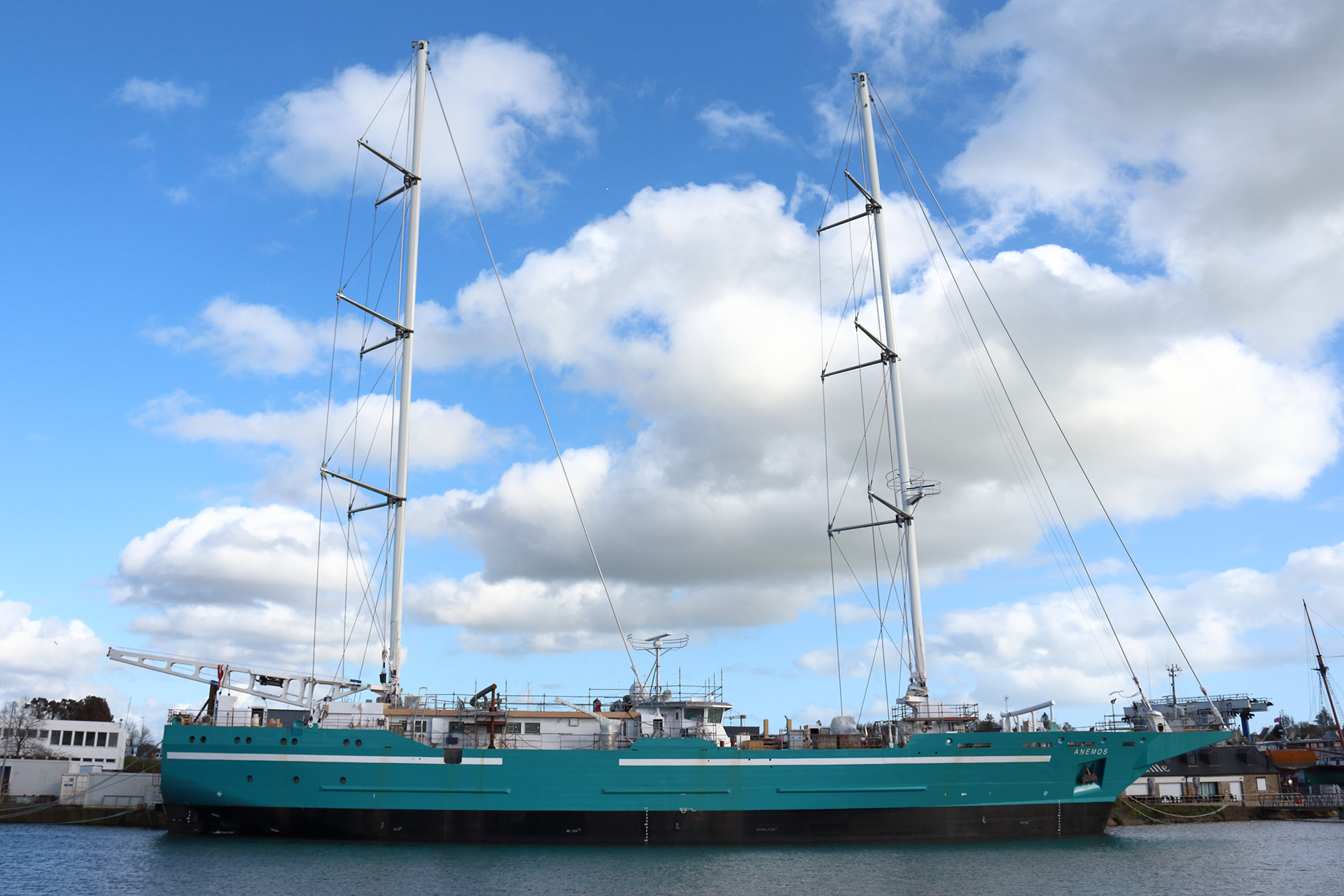
In a groundbreaking development towards sustainability in the wine and spirits industry, the world’s largest wind-powered cargo ship, Anemos, has successfully completed its first transatlantic journey, transporting premium wines, champagnes, and cognacs from France to New York. This innovative approach to shipping is expected to revolutionize sustainable transportation practices within wine and spirit supply chains, presenting a compelling opportunity for brands to minimize their carbon footprint while satisfying consumers’ increasing demand for environmentally conscious solutions. The Future of Eco-Friendly Shipping in the Wine and Spirits Industry Designed by the French startup TOWT (TransOceanic Wind Transport), Anemos represents a shift back to sailing vessels for commercial transport, leveraging the abundant and renewable resource of wind power. With significantly larger sails made from lightweight carbon fiber, Anemos can harness more wind than traditional vess
00
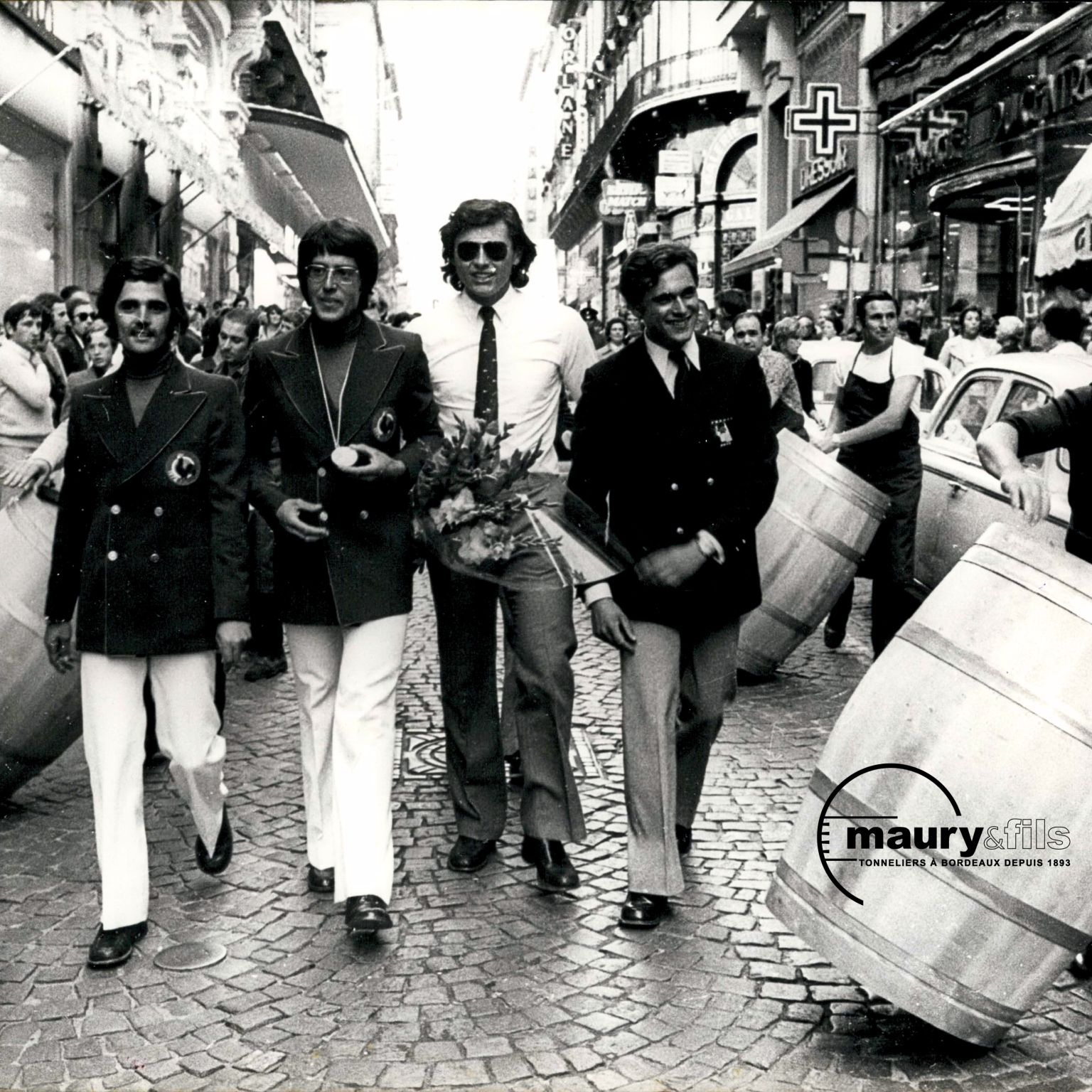
With the Paris Olympics approaching, a special spotlight on Tonnellerie Maury & Fils and its French Olympic Roots. Serge Maury - French Olympian: Development of the cooperage was undertaken by the second generation cooper: Serge Maury who expanded the activity of the Maury cooperage and solidified its reputation among Bordeaux's most important Châteaux. In addition to Serge's passion for the wine and cooperage industry, he loved sailing and in 1972 would win a Gold Medal for France in the "Finn" sailing discipline at the Munich Summer Olympic Games--after also being the quadruple French Champion and double European and World Champion. Today - Mathieu Maury: The third generation of the Maury cooperage now sees Mathieu Maury at its helm, who at a young age joined his father at the cooperage's Quai des Chartrons' location to repair barrels. Mathieu has grown production to between 3,000 to 4,000 barrels annually. Mathieu and his team oversee all parts
00
May 7, 2024

Sextant Wines Announces Partnership with US Sailing
Paso Robles-based Wine Producer Becomes the Official Wine of US Sailing PASO ROBLES, CA, May 7, 2024—Sextant Wines is proud to announce its partnership with US Sailing, the national governing […]
00

October 6, 2023

As the wine and spirits industry becomes increasingly competitive, everyone seeks an “edge,” a “hack” - anything that offers a strategic advantage. For most wine & spirits sales professionals, the solution is sitting right on their mobile phones in the form of their CRM system. This article will shine a bright light on how CRMs focused on strong sales execution and management process empower salespeople in this industry. Rough sailing: the choppy waters of intense competition aka Why CRM? Before diving into the differences of a CRM and sales execution platforms and how they help salespeople sell more, we should briefly touch on the current market conditions. It’s the perfect storm of too many brands and too few distributors contributing to the growing chaos where most brands are struggling for attention. Our mantra, is that “they, who hold the customer relationship, wins.” To change the game, change your frame You can craft
00
Today, the Board of Supervisors closed a nine-year project of defining a winery “event.” Although the term “event” has been used in hundreds of use permits for many decades, the term was never defined until now. While the new ordinance is directed at winery events, the ordinance also provides other definitions, such as a definition of a winery itself, what “food service” means, how to deal with overflow parking, and the hours during which events may occur. Most importantly, there is now clarity on something that has been the subject of various Code Enforcement actions – whether or not something taking place at a winery qualifies as an event. Most use permits only allow a limited number of events, so knowing what an “event” is before getting a call from Code Enforcement is important in staying compliant with one’s use permit. Under this new ordinance, something is not an “event” if it
00
.jpg)
June 10, 2021

Image by Gary Yost If you’re familiar with Lean Manufacturing or Lean processes, you’re likely familiar with Lean’s philosophy of removing waste. Manufacturing isn’t the only industry in which waste can happen, often inadvertently, and often when we are trying to avoid other pitfalls. Nearly every business encounters waste, including agriculture. The “Lean River of Waste” The “Lean River of Waste” is often used in a supply chain context to describe how creating excess inventory is only hiding waste. It may be avoiding some problems, but the waste creates others. This phrase can also be used in non-manufacturing environments. Let’s talk about a specific example: using the River of Waste as a tool for defining appropriate staffing levels. Using the river metaphor, let’s say your department is a vessel – a raft – traveling along the river. The river is your business process. Naturally, you want a smooth,
10