
Filter Post Type
NewsVideoProductEventLink
Sort:
Most Recent
1–10 of 27
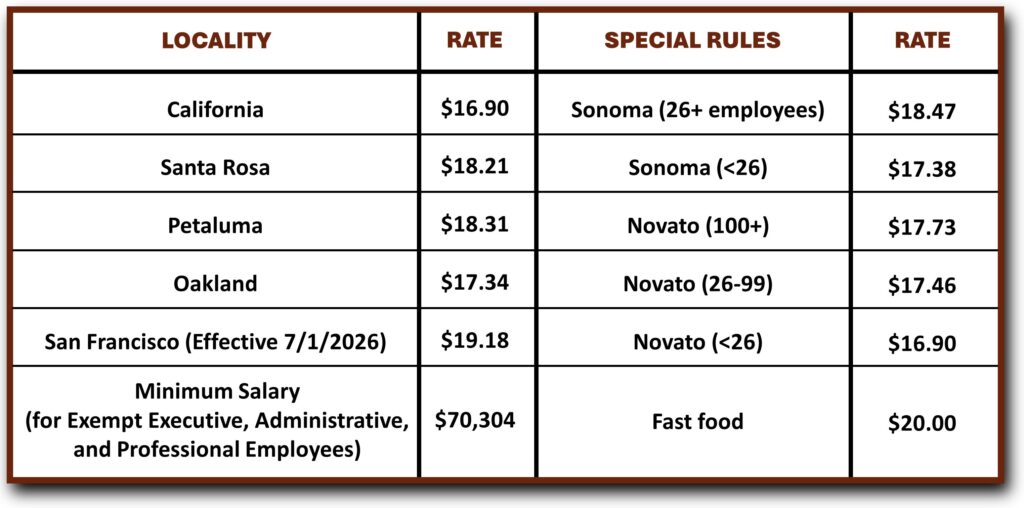
It is time to dust off the employee handbook, review your policies and procedures, and make sure they comply with all the new laws, regulations, and interpretations that went into effect during 2025, became effective in late 2025, or January 1, 2026. Below, we have identified our “top 10” changes. Please keep in mind there were hundreds of laws, regulations, and changes implemented at the local, state, and federal levels throughout 2025. This summary highlights selected changes most likely to impact California employers and is not intended to be exhaustive. So, if you need a handbook/policy review or have any questions, please call us! 1 – Minimum Wage Update: Updates happen every year. It’s best to put a calendar reminder in November, to make sure your payroll is ready! Action: Review your payroll to ensure all employees are being paid the new minimum wage, send written notice of the wage change to affected hourly employees, and be sure your salari
00

September 15, 2025
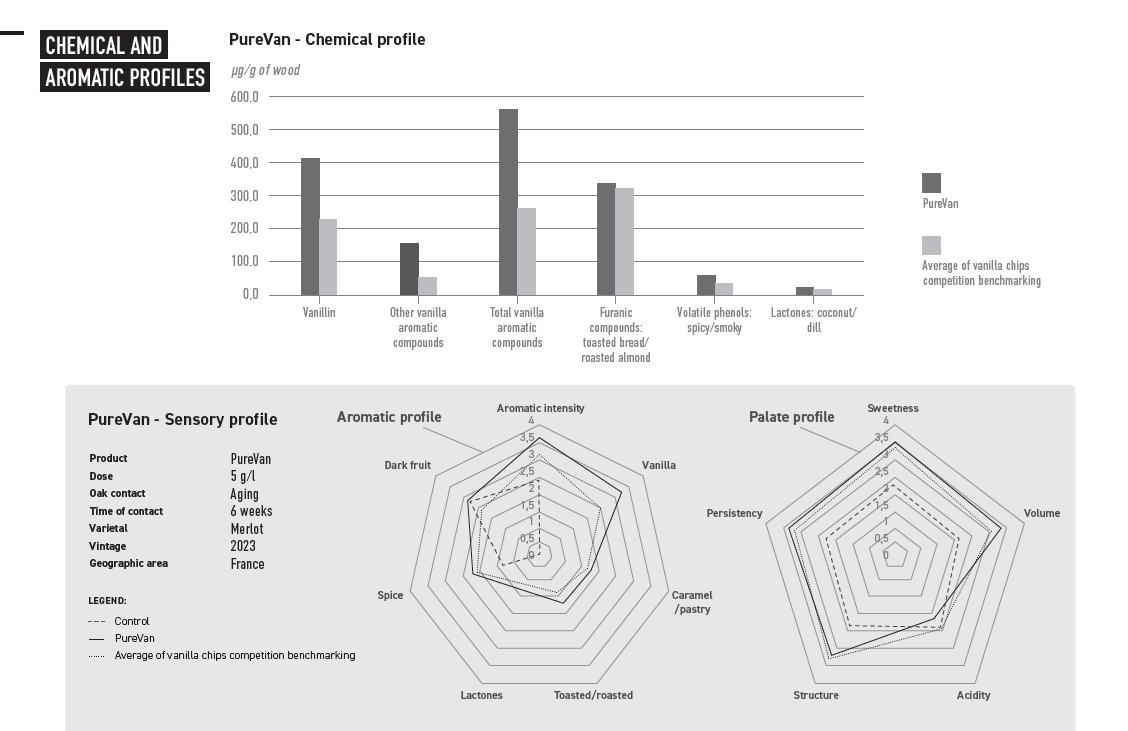
A pioneer in innovation applied to wood for winemaking, Pronektar is expanding its range with the launch of PureVan, a new type of wood chip specially designed to offer a vanilla aroma of unprecedented intensity and purity. Designed as the first in a future series of “ingredient” chips, PureVan meets the expectations of winemakers looking for rich profiles, marked by sweetness and without excessive tannic structure. A strategic need... The PureVan project was born out of an initiative launched in 2017-2018, following an in-depth audit of the existing range and market benchmarking. This analysis highlighted the versatility of the offering, while revealing a significant opportunity for development around chips with more targeted and intensely characterized profiles, meeting specific oenological objectives. A research and development program was therefore launched with two essential conditions: richness and precision. Laboratory tests quickly showed that two par
00


There is a lot of talk and a lot of questions right now about the new administration’s policies and statements on immigration. ICE (Immigration & Customs Enforcement) is the Federal enforcement agency that focuses on immigrant status. They have recently been assisted by the FBI, DHS and other law enforcement agencies when they conduct “raids” to locate and detain suspected offenders. California employers face additional legal requirements due to state laws passed between 2017 and 2021. Employers must, for example, notify employees within 72 hours of receiving an audit notice. Employers are also prohibited from voluntarily allowing ICE to enter non-public areas unless the agent shows an appropriate warrant that authorizes access. Employers and employees are legitimately concerned about their rights and responsibilities. In this article, we will attempt to address some of these concerns. There are two different occasions when an employer might be required to interac
00

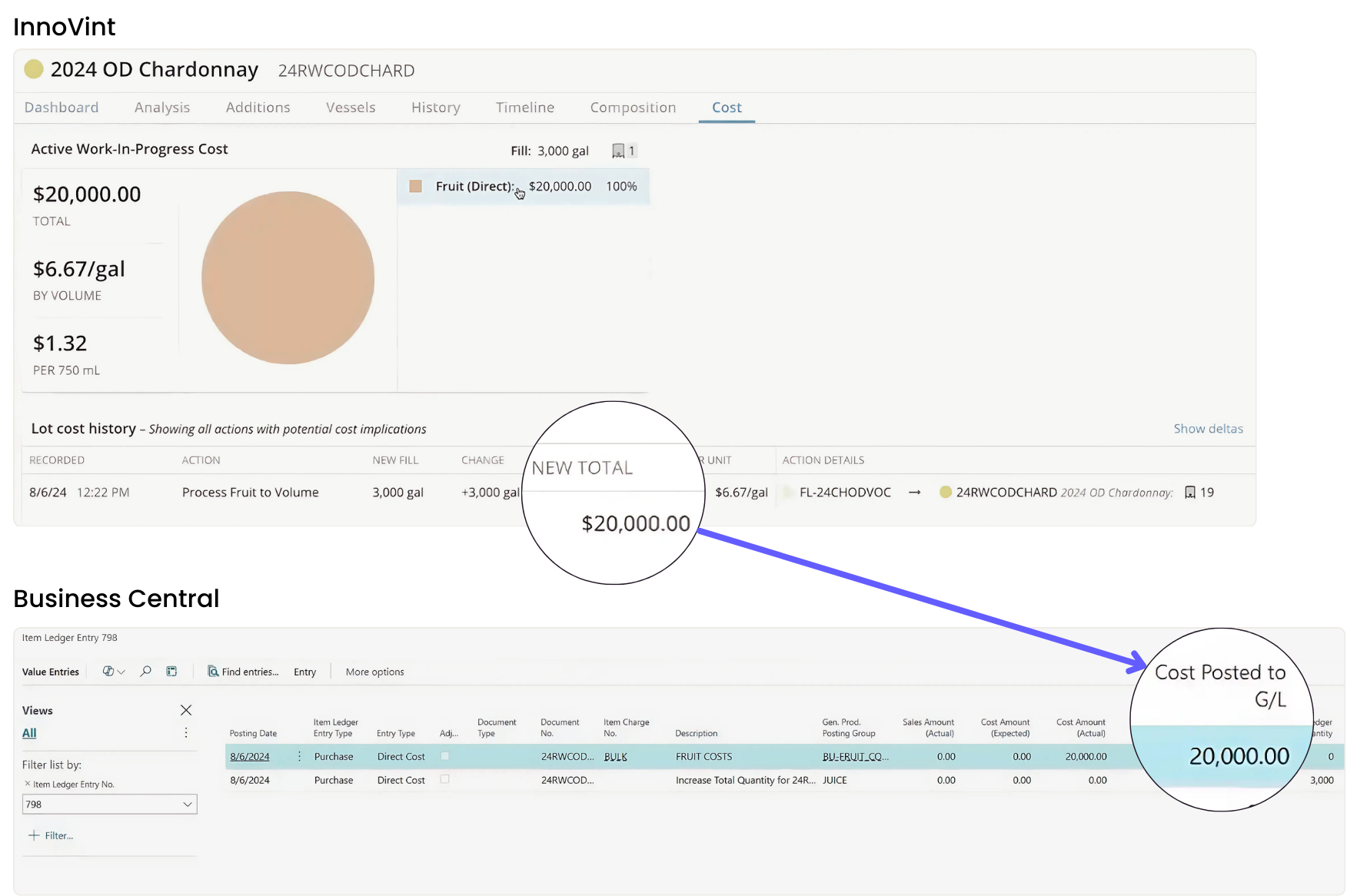
If you’re a winemaker, winery owner or executive, you know that crafting wine is anything but a straightforward manufacturing process. And small decisions can make and break profits. Winemaking isn’t a simple recipe; it’s an evolving blend of art, science, and constant hands-on adjustments. Every harvest, blend, and barrel is unique, meaning there’s no “one-size-fits-all” approach to production. That’s where traditional Enterprise Resource Planning (ERP) systems fall short. While they’re great for tracking your general ledger, automating order management, and tracking case goods inventory, they don’t understand the nuances of wine production. In this article, we’ll get into why ERPs just aren’t a good fit for the cellar—and why integrating purpose-built winery solutions can make all the difference. Where ERPs Miss the Mark for Wineries No Vineyard Tracking or Insights Winemaking starts in the vineyard, but most ERP
00

With the peak season of OND right around the corner, now is a great time to assess your sales team's skills before the final push of the selling year. Of course, if your sales strategy isn’t already in place by Labor Day, your OND will likely fall short of your goals. But it’s not too late to take an assessment! The need to do more with less has never been more essential, and the waning days of summer provide an opportunity to assess your sales team’s skills. Most adult beverage companies devote significant time and effort to ensuring the sales team’s product knowledge is as sharp as possible. But many stop there. They devote little, if any, of their training budgets to “technology for sales.” With this in mind, we would like to provide you with a list of the five tech skills every sales professional should have. 1) Sales pipeline management In the modern selling era, there are two primary pathways salespeople take. T
00
Cal/OSHA Has Approved Its California Indoor Heat Illness Rule: Here’s What It Means for CA Employers
July 9, 2024

The California Division of Occupational Safety and Health (Cal/OSHA) approved a long-awaited indoor heat-illness standard on June 20, 2024. Before going live, the Office of Administrative Law (OAL) will have 30 days to approve or deny the standard. Cal/OSHA has requested that it go into effective immediately after OAL approval, so it could very well go live in a month. The standard, Section 3396, requires employers with indoor workspaces of 87 degrees Fahrenheit and above to reduce the room temperature and offer workers other cool-down options. For indoor workers who wear poor ventilating protective clothing or work near a heat source, employers will instead have to provide cool-down options when the inside temperature reaches 82 degrees Fahrenheit. What California Employers Will Need to Prepare While California has had an outdoor heat illness standard since 2006, indoor workers have been left unprotected. Cal/OSHA has been developing this rule since 2017 but has se
00

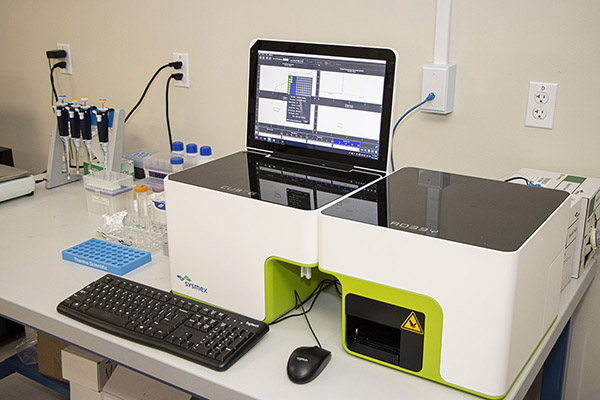
There's nothing worse than having a customer open a bottle of wine expecting pleasant aromas and instead smelling off-putting barnyard or dead mouse aromas. Because Brettanomyces bruxellensis (Brett) can ferment sugars and create unappealing flavor and aroma changes, winemakers design quality control programs to discover it early enough to correct the problem. Winemakers use several methods to identify Brett in wines and differentiate it from Saccharomyces, including microbiological culture plating. While the low cost and the average lab technician's familiarity with inoculating a sample of wine onto a nutrient agar medium to culture microorganisms make it an easy choice, there are drawbacks. "Current methods, such as microbial plating, take about seven to ten days for Brett to grow on a plate," says Daniel C. Gusmer, a program scientist in fermentation development at Gusmer Enterprises. "By that point, if you have a problem either in actively fermenting win
00
February 12, 2024
Employment laws in California are always changing, and it is important for employers in California to keep up with these changes to ensure their policies and practices are compliant. This blog post provides key updates to the California employment laws that all employers should know for this year. Minimum Wage Increase Beginning January 1, 2024, the state minimum wage for all employers has been increased to $16.00 per hour. This rate reflects a 3.5% increase from this year’s minimum wage based on the law’s provision that allows this increase if the national Consumer Price Index (“CPI”) is over 7%. All employers must post the current minimum wage rate in a common area where employees can easily view it. With this new rate of $16.00/hour, the minimum salary for exempt employees in 2024 has also increased to $66,560.00/year. Note that the minimum salary is tied to the state minimum wage rate, not individual municipalities. Employers should also check if there
00
Happy New Year! It is time to dust off the employee handbook, review your policies and procedures, and make sure they comply with all the new laws, regulations, and interpretations that have either already gone into effect or will in early 2024. Below, we have identified our “top 10(ish)” changes. Please keep in mind there were hundreds of laws, regulations, and changes implemented at the local, state, and federal levels throughout 2023. So, if you need a handbook/policy review or have any questions, please call. 1. California and Local Minimum Wage Raised – In addition to the gradual increase to minimum wage by the state, several Sonoma County cities have increased minimum wage beyond that required by the state. Below is a table that describes the state and local city requirements: Locality Effective Date All Employers California 1/1/2024 $16.00 Santa Rosa 1/1/
00
October 31, 2023

The wine industry is grappling with uncertainty in a rapidly changing economic landscape, leaving winery owners, grape farmers, and wine sales teams in a state of flux. Wineries were already coping with a demographic shift towards younger generations less interested in wine than Boomer enthusiasts when the pandemic catalyzed market disruption. When bars, restaurants and tasting rooms closed, consumers stocked up on budget-friendly wines, and value wine sales briefly surged. Then, with extra cash from government stimulus checks, they began buying premium and luxury wines. Small wineries adapted by introducing curbside pickups and digital wine tastings and utilized their phone and email lists to reach potential customers which helped shore up losses from tasting room closures. Unfortunately, two and a half years post-pandemic, sales remain disappointing despite reopened tasting rooms and other hospitality businesses. Economist Chris Bitter, Ph.D., Terrain's senior wine and grape ana
00