
Filter Post Type
NewsVideoProductEventLink
Sort:
Most Recent
1–10 of 16
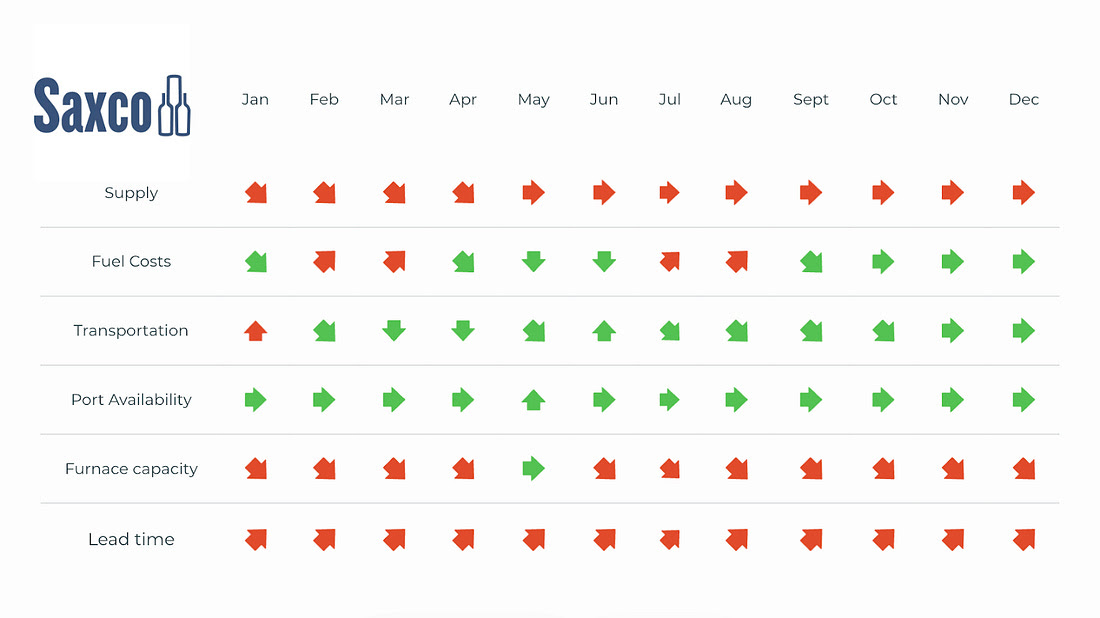
Another month of calm November typically marks the end of a new harvest and the middle of our busiest sales quarter. October’s government shutdown created unbelievable market uncertainty. But with the system back up and Thanksgiving almost normal, stability returned rather than the predicted surges or collapses by pundits from both sides. Still, questions remain about the future of our economic recovery prospects. For now, it is a reprieve, allowing us to regroup for the new year. Market dynamics The delayed reports from Commerce and the Bureau of Labor Statistics have started to trickle in, bringing some key takeaways: Unemployment is holding at 3.8%. Inflation easing to 2.3% YoY. Consumer spending down ~2% from Q3, but no hint of a cliff. As we close out the year and look to 2026, the focus will be on staying agile in both supply planning and capturing winery sales and marketing opportunities. The key trends persist: Steady demand, no major swings, and a growing gap between spe
00
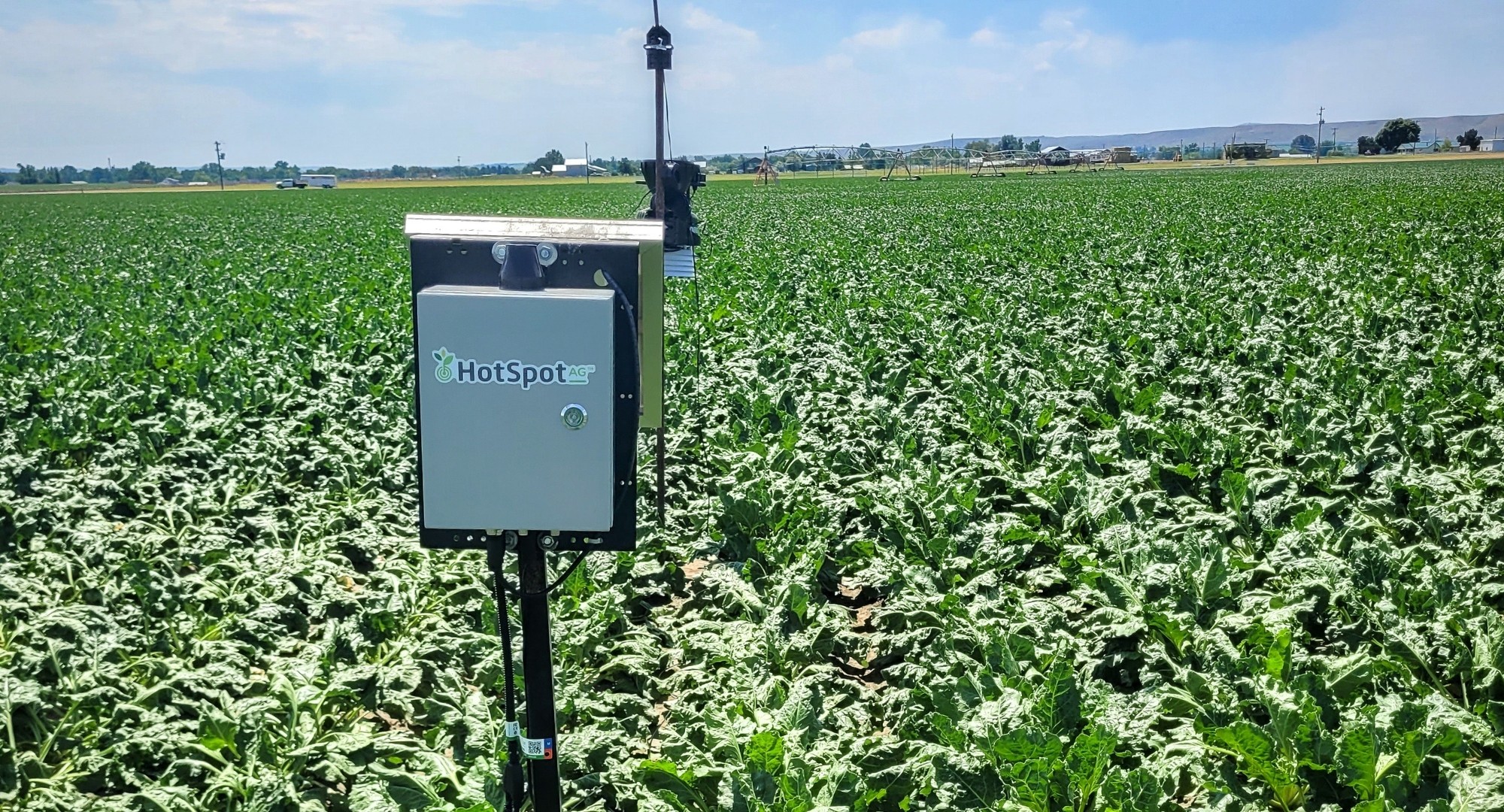
Efficient irrigation starts with understanding exactly how much water your crop is using and how much it really needs. That’s where evapotranspiration (ET) comes in: the combined loss of water through evaporation (from soil and surface) and transpiration (used by the crop). By matching irrigation to ET, growers can reduce waste, improve yields, and make smarter use of limited water resources. With SGMA (the Sustainable Groundwater Management Act) now in full effect across California, it is more important than ever that growers irrigate with precision and are able to prove it with efficient record keeping. If you’ve ever asked yourself: “How much of my irrigation is actually reaching the root zone?” You’re not alone. This article breaks down how soil moisture monitoring and real-time irrigation control using HotSpot AG tools can give you clear, actionable answers. Monitoring Soil Moisture and Irrigation While evapotranspiration (ET) tells you how muc
00

July 2, 2025
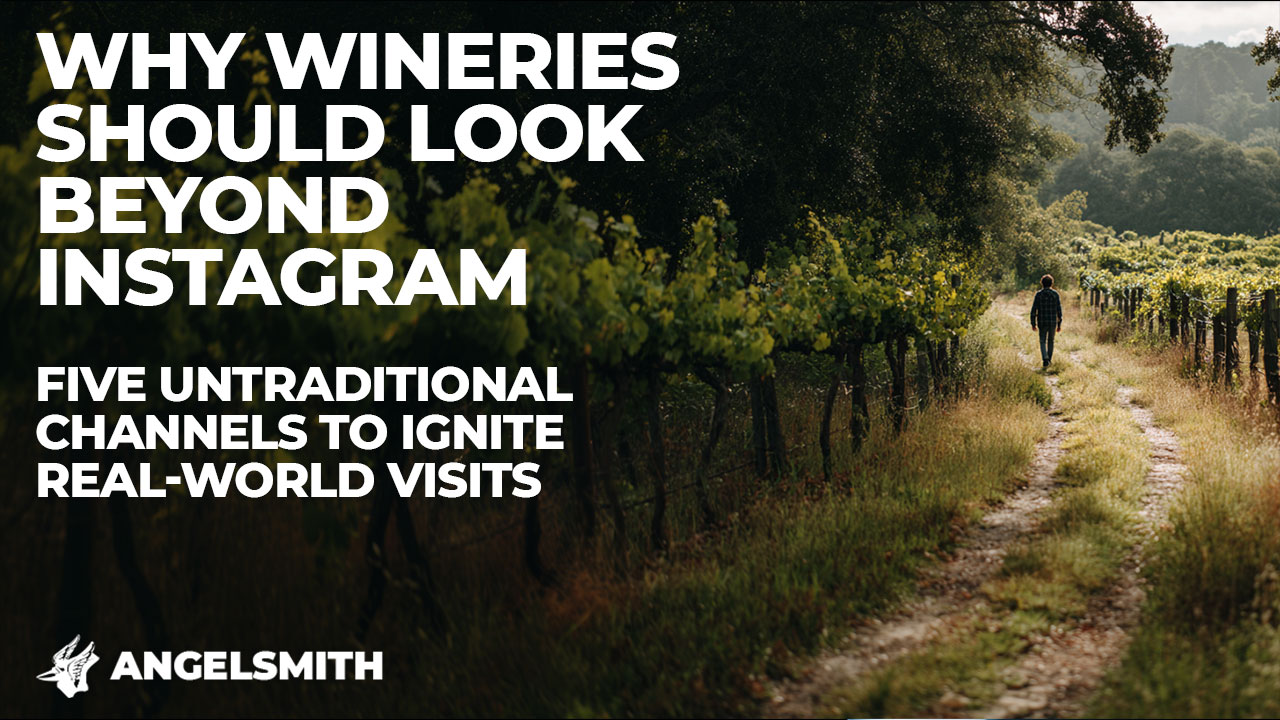
The clink of glasses, the warmth of late afternoon sun across the vines—these are the moments that define a winery. But digital marketers can get stuck in the rut of Facebook posts and Instagram stories that have become repetitive and rote. How do you translate the sensory magic of a tasting room into strategies that make visitors show up in person? Take a look at some marketing channels that are not as used by wineries, where old-school storytelling and next-gen tech converge to give you a competitive edge. Connected TV: Your Vineyard in 4K Another banner ad, another still photo, another yawn. Sometimes the channel itself can leave you feeling confined to content that lacks vitality. If you’re facing that, and you’ve got the budget, think about going big on video and distributing it via Connected TV.. Connected TV (CTV) lets you beam the romance of your winery directly into living rooms, framed by the cinematic power of streaming. Think smart TVs, Roku, Apple TV&
00
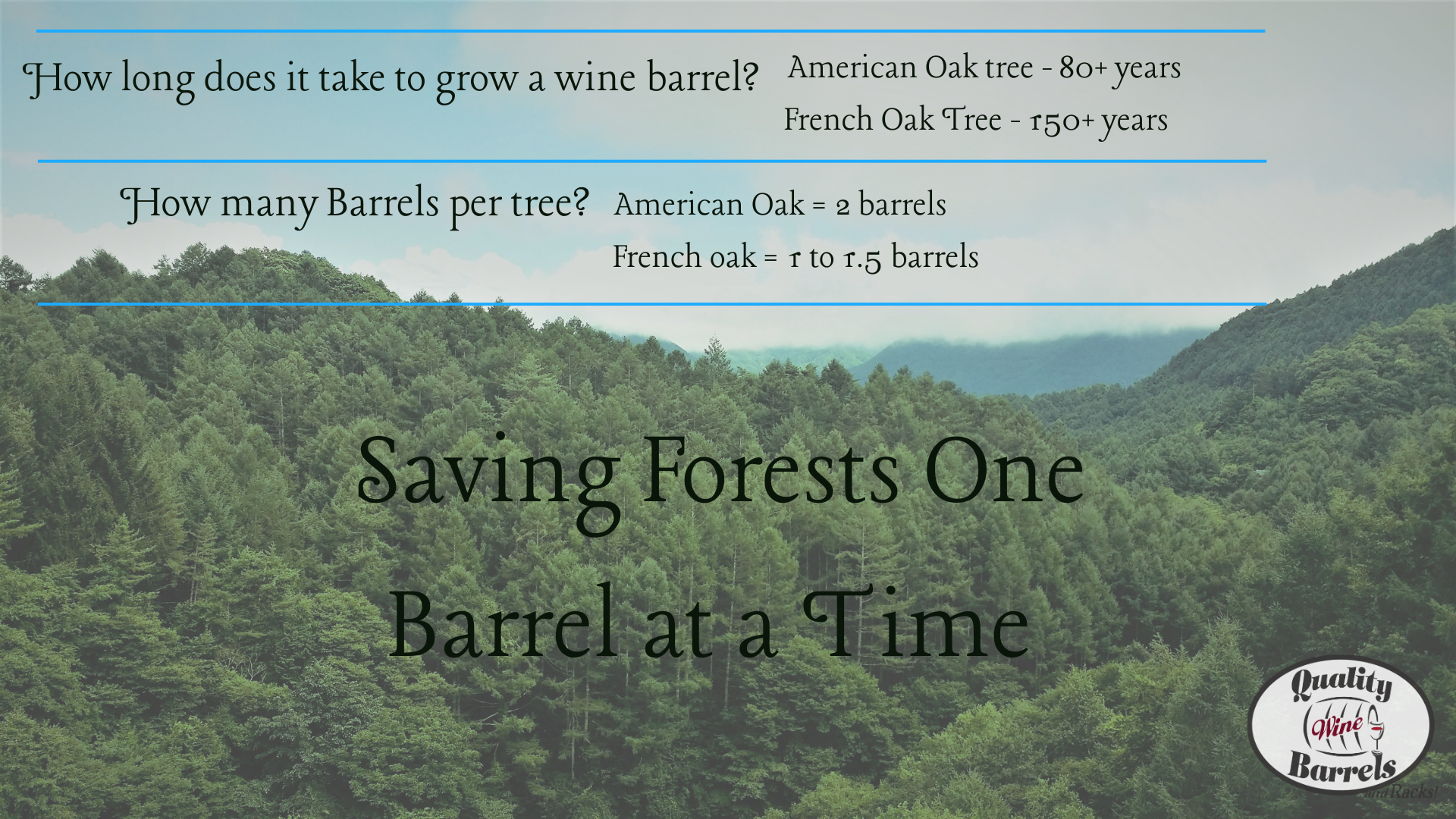
It Takes 150 Years to Grow a Barrel. Let’s Make It Count It takes French oak trees 120 to 150 years to mature. American oak? Around 80 to 100. That’s how long it takes nature to produce the raw material. Each tree doesn’t go far- it only yields one or two barrels. American oak = 2 barrels per tree French oak = 1 to 1.5 barrels per tree And yet, many barrels are used for only a few vintages—then discarded, chipped, or burned. We believe something that takes a century to grow shouldn’t be single-use. Reusing barrels is better for the planet, the pocketbook —and the future of winemaking. Our barrel sales have ranged from 10,000 to 20,000 per year for 20+ years. That adds up to hundreds of thousands of barrels we have kept in circulation. That means Our Work at Quality Wine Barrels has helped save: - 50,000 to 100,000 mature oak trees - 400 to 800 acres of slow-growing, carbon-absorbi
00
March 21, 2025
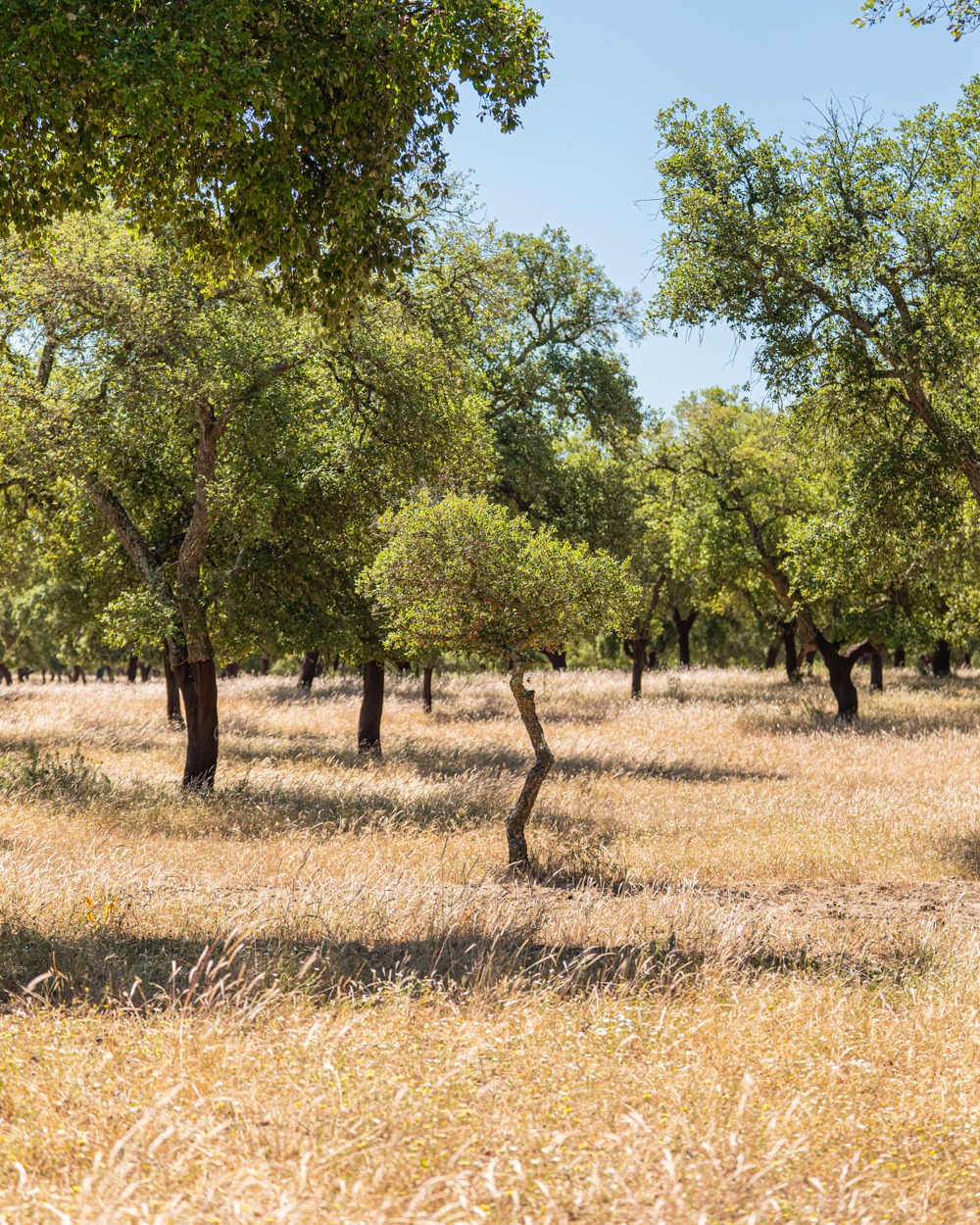
Preserving the Montado: A Commitment to Biodiversity and Culture On this International Day of Forests, we celebrate the Montado, one of the world's most precious and biodiverse ecosystems. This unique landscape, found in southern Portugal and other Mediterranean regions, showcases a harmonious blend of nature and human ingenuity. The Montado is an agro-silvo-pastoral system that has thrived for centuries. Protected by some of the world’s oldest laws—dating back to the 7th century and refined in the early 13th century—its cork oaks and holm oaks are cherished cultural and natural treasures. These trees not only support local livelihoods but also provide critical environmental benefits. Beyond its rich cultural significance, the Montado plays a vital role in carbon sequestration, water regulation, and biodiversity conservation. Its tree cover helps absorb COâ‚‚ from the atmosphere, mitigating climate change, while its unique ecosystem maintains soil health, prevents
00
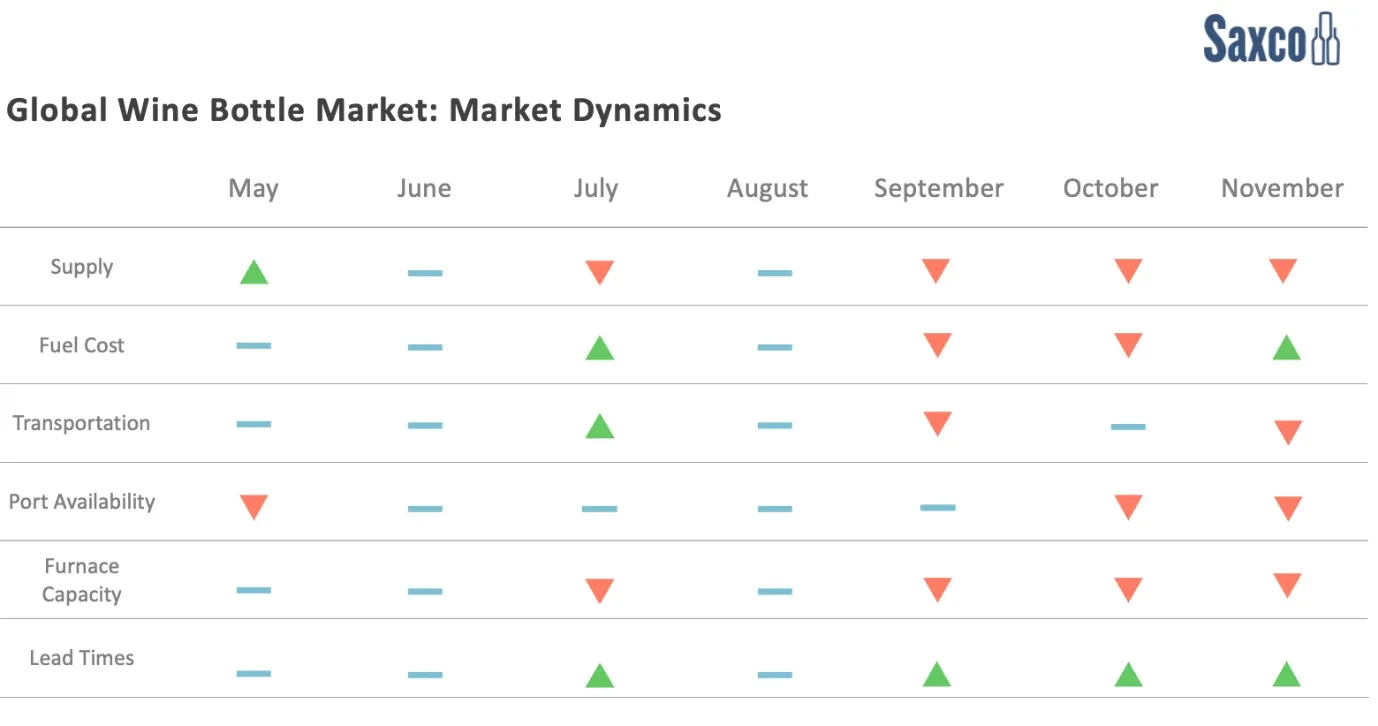
With a challenging harvest, ongoing industry headwinds, and the recent resolution of the US election, the world is still adjusting to what has become a continuously evolving “new normal” since COVID-19. The supply chain now braces for potential uncertainties surrounding a new administration. Concerns about rising fuel expenses are becoming more pronounced, with diesel prices experiencing a modest increase of approximately three cents on average across the US, as reported by the EIA. This uptick is causing anxiety among businesses that rely heavily on transportation to maintain their supply chains. On a more positive note, there is significant relief in international shipping. The cost of ocean freight from Asia to the US has seen a remarkable decline, with container shipping fees plummeting by $1,000 to $2,000. The International Longshoremen’s Association recently conducted a brief but impactful three-day strike at ports along the East and Gulf Coasts. This wor
00
August 26, 2024
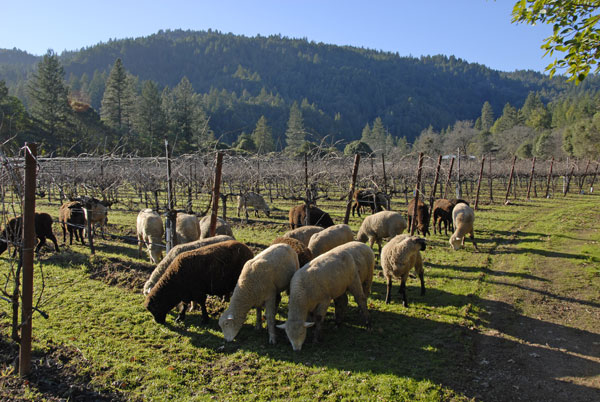
At the edge of the coastal redwoods lies a ranch where two young doctors from upstate New York, Marguerite (known as Beba) and Paul Frey, settled on 95 acres to raise their family. Their home is nestled between the Mendocino and Coastal mountain ranges in a narrow valley that opens into Mendocino County’s Redwood Valley. The headwaters of the Russian River lie just 5 miles north, past a Buddhist monastery, and upward into the mountains. The Frey family grew to twelve children amid the valley’s natural beauty and abundant native plants and wildlife while its vineyards and gardens thrived in the fertile soil. “My mom and dad bought the ranch in 1962, the year I was born,” says Frey Winery winemaker Paul Frey (the younger). “Then they got all of us kids out there to plant the vineyards in 1967. We started making wine in 1978 and became an official bonded winery in 1980. Our wineries were organic from the beginning ― before the term organic was defined
00
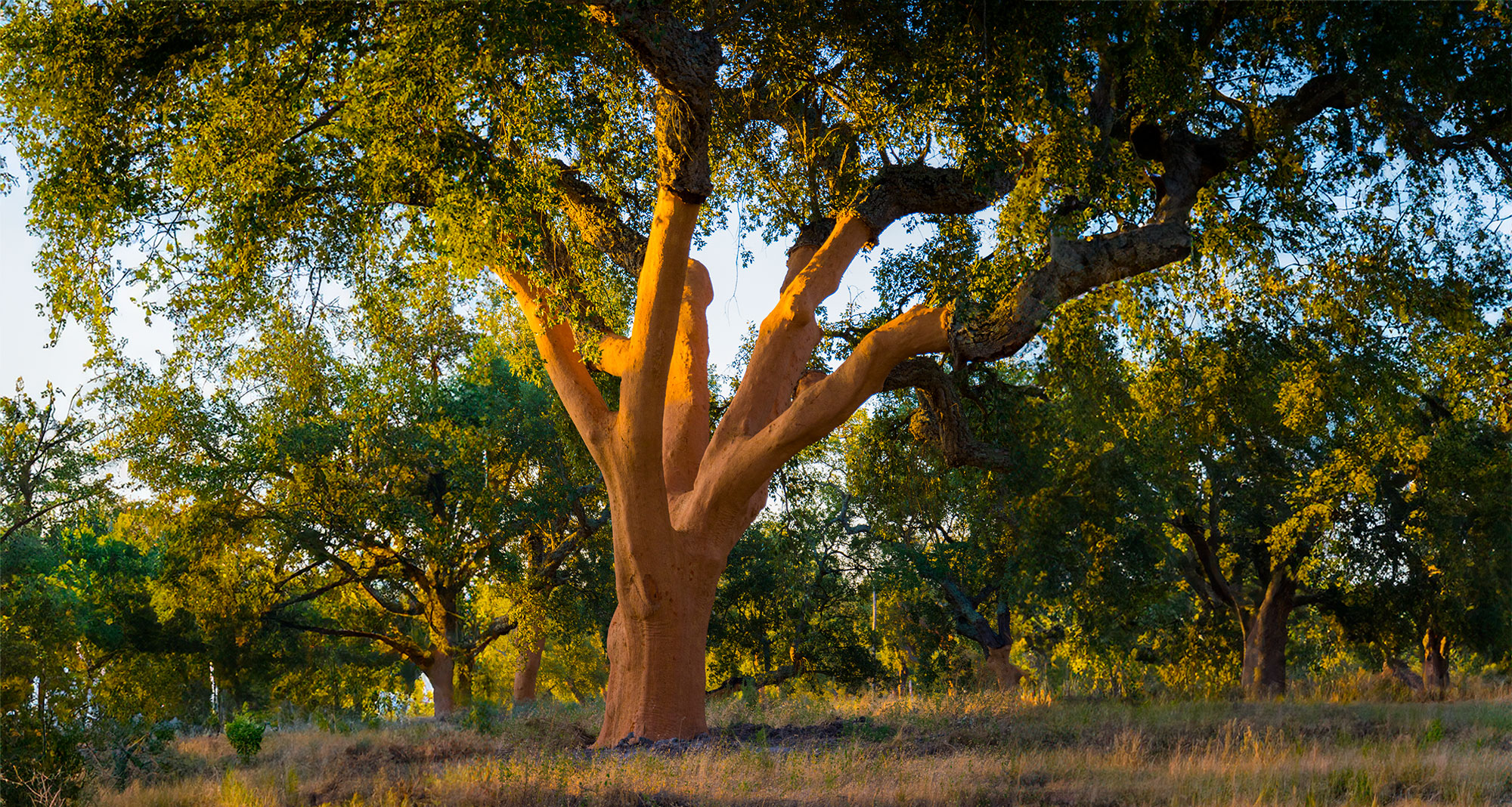
M. A. Silva USA was the first California cork supplier to join the ClimateSmart™ program and receive the Green Business certification. Our beliefs in sustainability are shown through our actions, and are proven through the quality of our cork stoppers, the partnerships we build, and our contribution to an increasingly greener world. M. A. Silva is dedicated to protecting the environment, and helping our customers do the same. We invite you to learn more about the importance of the worlds cork forests and the vital role they play in environmental sustainability. Cork Forests: Guardians of Ecological Balance Cork forests, often overlooked in discussions about the world's ecosystems, play a vital role in maintaining the delicate balance of our planet's ecology. These unique forests, found predominantly in the Mediterranean region, are home to a myriad of species and offer an array of environmental benefits. In this blog, we will explore the importance of cork fore
00
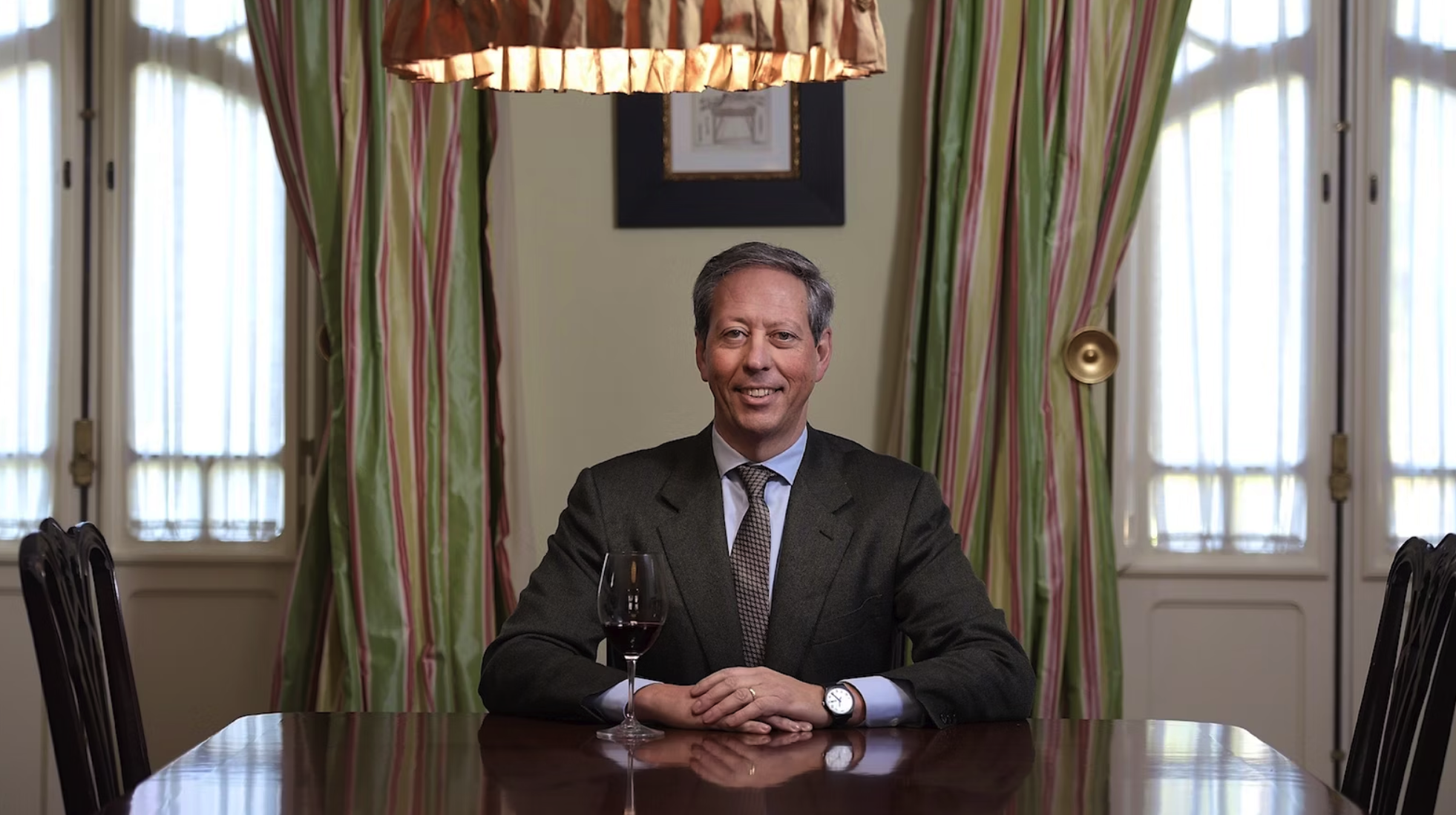
How have natural corks stayed on top of the wine world? Antonio Amorim’s efforts to make the cork business more innovative and sustainable have a lot to do with it Antonio Amorim has seen the closure industry change dramatically during his two decades at the helm of his family's 150-year-old cork business. (Courtesy of Amorim Cork) For centuries, cork has been the primary method of closing wine bottles. Then in the late 20th century came cheaper stoppers and—though not without some controversy—the value end of the market was suddenly awash in bottles topped with colorful plastic “corks” or metal screwcaps. That would have been alarming enough for a family cork business founded in 1870. But at the same time, high-end wineries were facing a problem with TCA taint, which could make wines smell and taste like musty cardboard or—in a way even worse for the producers—muted and boring, without being obviously flawed. The problem was largely blam
00

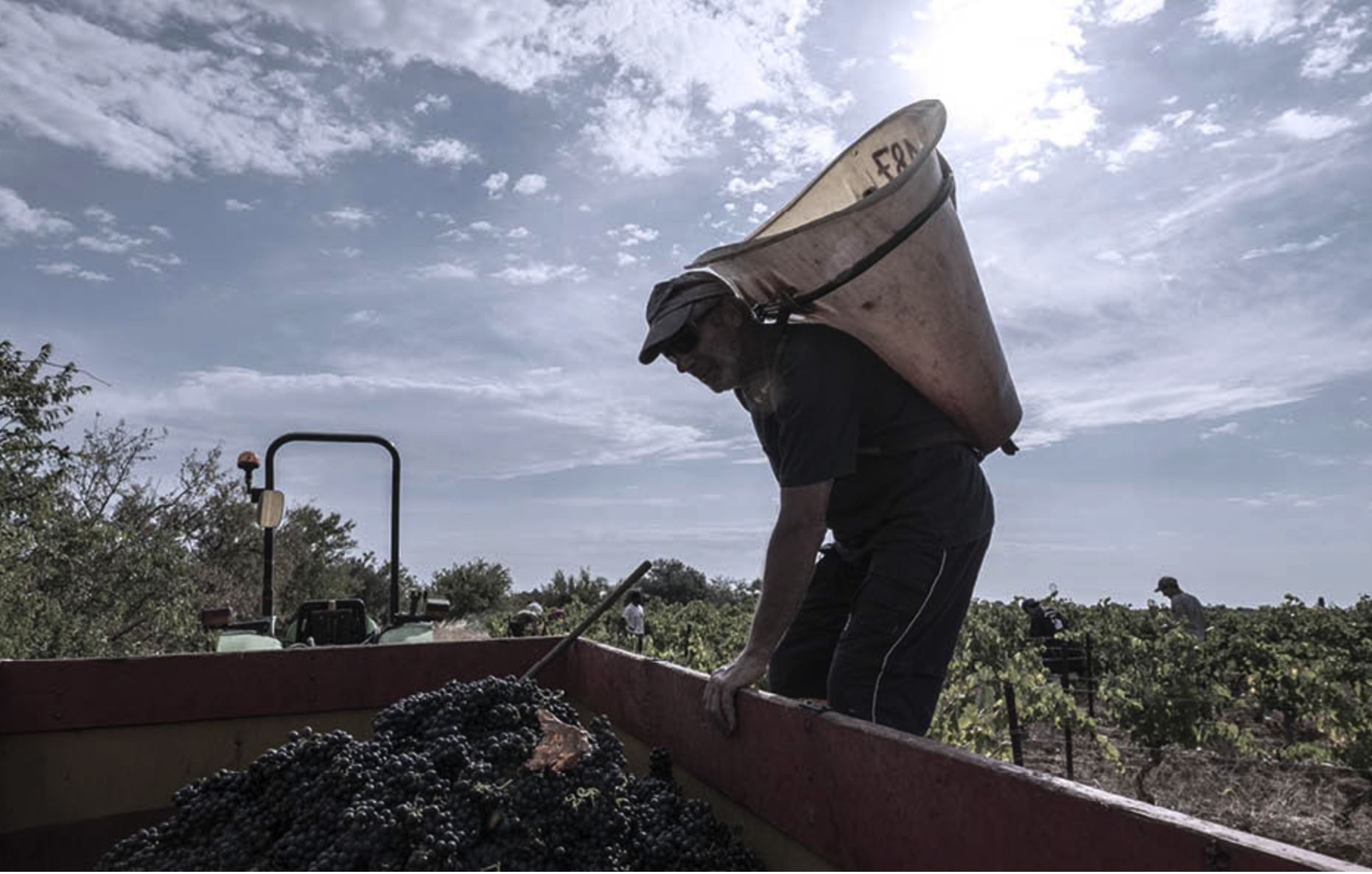
Unstable weather is making it increasingly hard to decide picking dates for grapes. We caught up with leading winemakers from Australia, France and the UK to find out how earlier harvests are impacting on grape quality. Having always been at the mercy of Mother Nature, winemakers are acutely aware of the impact climate change is having on their livelihoods. Temperatures aren’t only rising, weather patterns are becoming increasingly erratic and extreme, and incidents of devastating wildfires, floods, droughts and late spring frosts are becoming more commonplace in the world’s leading wine-growing regions. In 2021, France was besieged by a cocktail of climate catastrophes, from destructive spring frosts and raging wildfires to violent hail storms. The April frosts across swathes of French vineyard land were particularly brutal, resulting in losses of up to EUR 2 billion. Yields across France hit historic lows in 2021, down 30% on average, though losses were far worse in many
00