
Filter Post Type
NewsVideoProductEventLink
Sort:
Most Recent
1–7 of 7

February 10, 2026

After 30 years of moving up and to the right, the American wine industry hit a wall. Not a temporary slowdown or a soft patch. A structural shift that requires a fundamentally different marketing playbook. 2025 was the reality check. 2026 is the year wineries either adapt or watch their customer base age out beneath them. The data is now unambiguous: wine sales dropped approximately 6% in 2024, marking the steepest decline in decades according to SipSource industry data. More troubling than the headline number is what's driving it. This isn't a recession blip or a bad vintage. It's a fundamental realignment of who drinks wine, how they buy it, and what they expect from the brands they choose. Here are the five trends reshaping the US wine market and what they mean for your brand's survival. The Demographic Disruption The wine industry built its growth on one generation: Baby Boomers. That generation is now aging out. The Wine Market Council's 2025 U.S. Consumer Ben
00
August 28, 2025

Every member of your club is not exactly the same. So why are you treating them that way? The typical winery sends identical emails to every member of their club, from the first-time joiner who discovered you last weekend to the loyal patron who's been with you for a decade. The result? Generic messaging that resonates with no one. Segmentation, the practice of dividing your audience into meaningful groups based on shared characteristics, isn't just marketing jargon. For wineries, it's the difference between treating members like transaction numbers versus building relationships that keep them enrolled for years. In this guide, we'll explore practical segmentation strategies that don't require a data science degree—just your existing CRM tools and a willingness to see your members as individuals rather than a homogenous list. The Problem with "One Size Fits All Wine Club Communications The allure of the single-list approach is obvious: it's fast, it&#
00

December 2, 2024

Afternoon Brief: Global Wine Production Falls to Lowest Level Since 1961
Global wine production has plummeted to a 63-year low after frost, heavy rains and drought ravaged vineyards throughout 2024...
International Organisation of Vine and WineJoe's Wines Co.Trader Joe'sThe Wine GroupConcannon VineyardsLemmons Family VineyardsDarcie Kent WineryLas Positas Community CollegeBrecon EstateDracaena WinesMid.Point WineryPianetta WineryVina Robles Vineyards and WineryWillcox WineryWine Paris 2025California Grape Crush ReportSanta Barbara Vintners AssociationBlended TechnologiesSilas WinesVista Vineyard ServicesStarfield VineyardsVinoshipperWine Compliance AllianceWiseConnTastryO'Neill Vintners & DistillersRidgecrest WinesKing Estate WinerySweet Cheeks WinerySmall Lot BottlesTreasury Wine EstatesRahrBSGWiZiX Technology GroupWinetechRedChirp
00
October 2, 2023
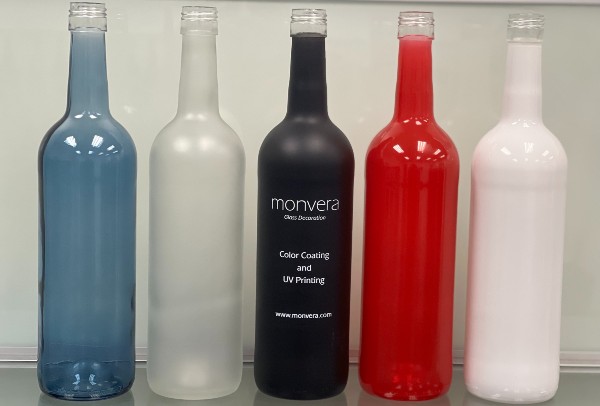
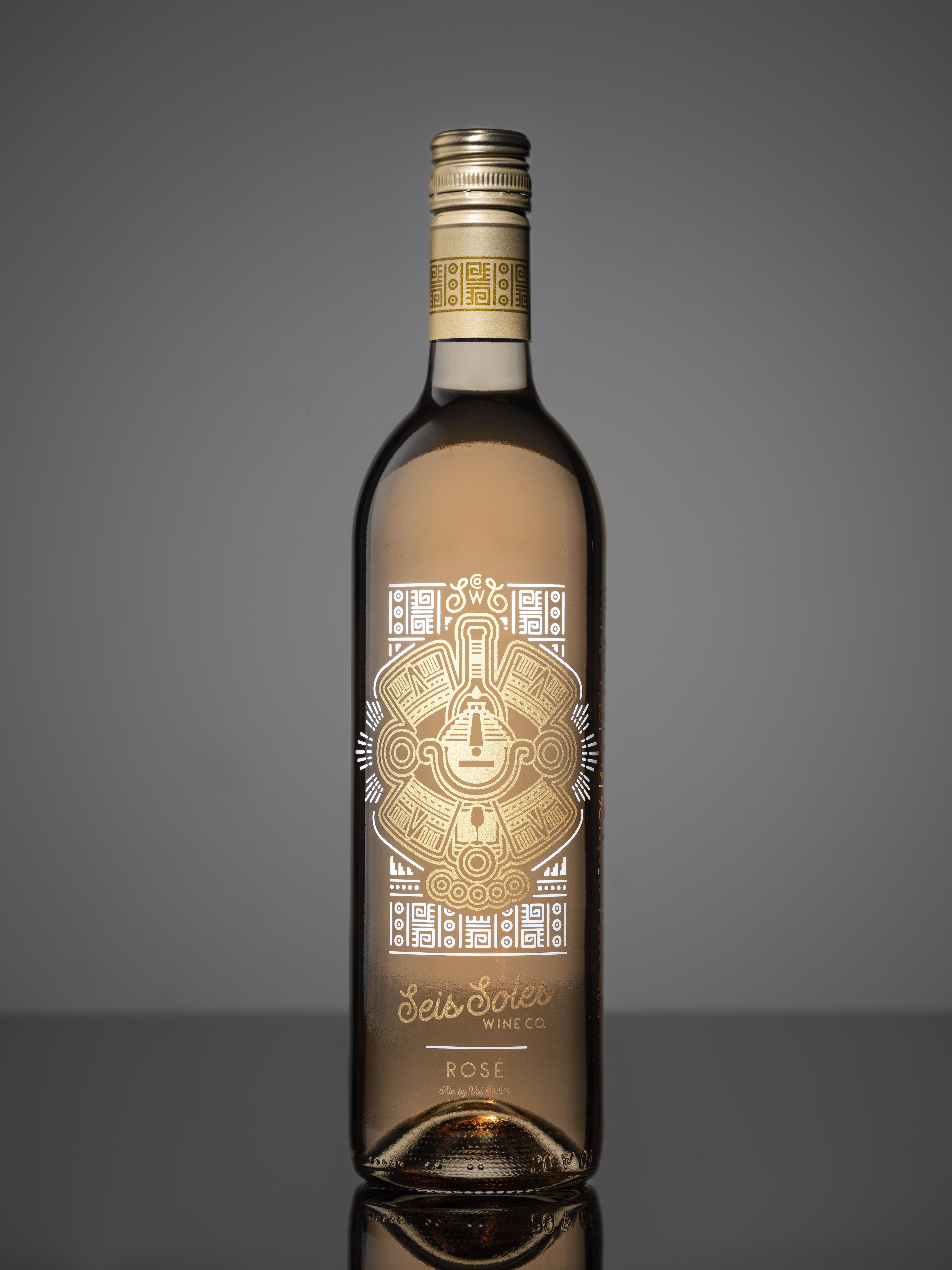
In the competitive world of wine retail, standing out on the shelf is all about grabbing the consumer’s attention. Wineries have experimented with catchy logos, bold lettering, textured paper and whole-bottle labels and many other packaging options to make their wine’s appearance unique. One of the most impactful ways to make a difference is with color. In a sea of black and white, a dynamic orange or brilliant blue will stand out, even when bottles shrink to thumbnail size on Drizly or TotalWine.com. Monvera Glass Decoration recently added a new capability that allows them to spray-coat the entire bottle in any color and apply different finishes—opaque, transparent, translucent or frosted. These options generate endless combinations, from black matte to etched cobalt blue or opaque white to replace hard-to-find smalt and opal glass. Customers can have Monvera screen print the bottle label with UV inks on top of the coating or apply labels on their own bottling lines.
00


Adaptation & Innovation by Steve Fredricks We began documenting the excess of the early 2000s in 2001. In 2002, we noted the debut of Charles Shaw (a.k.a., “Two-Buck Chuck”) at Trader Joe’s. By the end of that year, the brand and the competitors it spawned brought innovation to the bulk wine and grape markets and helped absorb excess. It took time and wasn’t easy for the market to adapt, but by October of 2003 the oversupply had dissipated. Another market cycle had passed. Put differently, we had weathered another storm. The lessons from that time still apply today. The current market has its share of challenges to replicate success of a Charles Shaw type of program or other innovation that can turn around an excess market and stimulate sales of wine. There are certainly opportunities to be had. The adjustment to change takes time, but the longer it takes the wine industry to accept that this is now an excess market for most regions and var
00

March 31, 2023

Wine shipping and order fulfillment is a logistics game. And while the word “logistics” might conjure images of order picking, shipping tables, and trucks hitting the highway, it is often much, much more. The human element is what makes the difference between a frustrating brand experience, and an excellent one. A large part of that human element is what we call white glove service. If you haven’t experienced this kind of service from your 3PL or logistics partner, it might be time to consider a different way forward. What Is White Glove Service in the Wine Logistics Industry? White glove service is simply a company-wide commitment to providing customers with extraordinary service that is without parallel in the industry. What makes white glove service different from everyday customer service? It is not accidental or random (i.e. it is a conscious decision). It is not due to one or a handful of employees, but is an attitude that everyone shares. It is not an occa
00

How the Coronavirus, Wildfires Are Changing How California Fine Wines Are Sold: The North Coast wine business had been facing slowing sales growth and increasing competition from other premium adult beverages even before this year’s coronavirus pandemic response led to months-long stretches of closures of key sales channels in tasting rooms and restaurants and wildfires caused tens of thousands of grape tons to not be harvested... The post Afternoon Brief, December 29th appeared first on Wine Industry Advisor. Url:https://wineindustryadvisor.com/2020/12/29/afternoon-brief-1768?utm_source=rss&utm_medium=rss&utm_campaign=afternoon-brief-1768 Published Date:Tue, 29 Dec 2020 22:39:06 +0000
00