
Filter Post Type
NewsVideoProductEventLink
Sort:
Most Recent
1–10 of 37
Why Wineries Need Influencer Marketing Now Here's a number that should reshape how you think about marketing: 69% of consumers trust influencer recommendations more than information coming directly from a brand That's not a slight edge. That's a fundamental shift in how people decide what to buy. For wineries, this matters more than it does for most industries. Wine is a considered purchase wrapped in uncertainty. Your potential customer is standing in a tasting room or scrolling through an online store, wondering: Will I like this? Is it worth the price? Am I making the right choice? Influencer content answers those questions in ways traditional marketing cannot. When a trusted voice says "I tried this Pinot and it's incredible with grilled salmon," that carries weight. It's a peer recommendation disguised as content. Instagram and TikTok now drive wine discovery among younger audiences, and 87% of Gen Z consumers say they're willing to buy products
00
February 10, 2026

I spend an embarrassing amount of time every January reading year-end recaps, trend reports, and “culture in review” pieces. It’s part professional habit, part curiosity, part doomscrolling with a notebook. But as I started flipping through 2025 retrospectives, something felt… off. Not alarming. Not exciting. Just oddly muted. Nothing was shouting. Nothing felt particularly sharp. Even the topics that usually come with big opinions seemed softened, neutralized, turned down a few notches. So I pulled the thread. And the more I looked, the more I began noticing the same quiet signals emerging in places that had no connection to each other: design trends, language, social behavior, media content, fashion, and even travel preferences. Different industries. Different audiences. Same emotional temperature. Meh. Which led me to a question I couldn’t shake: Is this increasing indecisiveness a new form of rebellion? A sign of boredom? Or are we just culturall
00
October 21, 2025

A WINERY GUIDE TO AVAILABLE RESEARCH You know what’s better than spending ten grand on a focus group where Jan from accounting tells you your wine label “feels aggressive”? Doing your homework first. And no, we don’t mean journaling your feelings over a glass of Pinot. We mean secondary research—the overlooked, underloved MVP of marketing insight. While everyone else is out there reinventing the wheel with a clipboard and a budget they don’t actually have, smart marketers are quietly unlocking industry goldmines using data that’s already been collected. It’s like discovering your neighbor’s Wi-Fi is open and they happen to stream all the same shows you like—only more legal. Let’s break down this not-so-secret weapon. THE BOUGIE STUFF: COMMERCIAL SUBSCRIPTION DATA If you’ve got champagne dreams and a caviar budget, welcome to the gated community of NielsenIQ, IRI, Forrester, and Gartner. These firms offer beautif
00
Facebook/Meta: Turning Fans into Wine Club Members Expanding on insights from our Wine Club Scorecard, this post explores one of the most underused yet powerful tools for wine club growth: Facebook. While platforms like TikTok and Instagram often grab attention, Facebook remains one of the most effective drivers of wine club engagement and conversion when paired with Meta’s advanced targeting and advertising tools. With 72% of wine consumers aged 35–65 actively using Facebook, this is not just a social network—it’s an opportunity to build real relationships, deepen loyalty, and guide new members into your wine club. Yet most wineries still treat Facebook as a newsfeed instead of a growth engine. Sporadic posts, static bottle shots, and low engagement can’t compete with a thoughtful strategy that uses Facebook the way it was meant to be used: to connect, converse, and convert. Let’s explore how to turn Facebook into a true wine club acquisition chann
Wine Club GrowthWine Club MarketingFacebook for WineriesMeta AdvertisingWine Club AcquisitionSocial Media Strategy for WineriesDigital Marketing for WineriesWine Club RetentionFacebook AdsWinery Community BuildingCustomer EngagementHow to Grow a Wine Club with FacebookBest Facebook Strategies for WineriesWinery Marketing Tips 2025Using Meta Ads to Increase Wine Club MembershipWine Industry Marketing InsightsWine Club ScorecardWIN Series 2025DTC Wine MarketingvinSUITE Insights
00
October 7, 2025
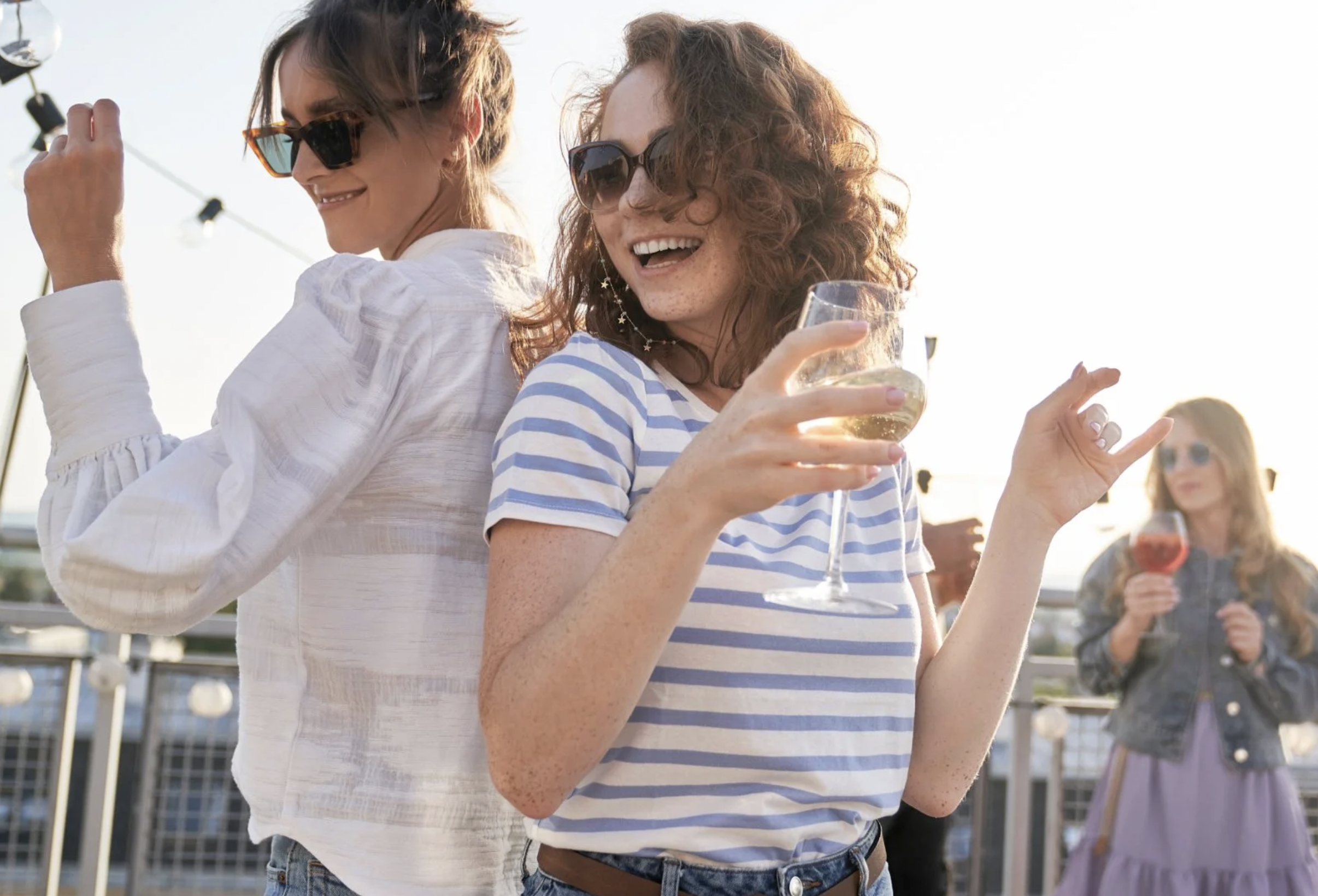
Your Current Marketing Won't Work for Younger Wine Drinkers The generational shift in wine consumption is happening faster than most wineries are prepared to handle. According to Wine Intelligence's US Wine Consumer Trends 2025 report, millennials will surpass baby boomers as the largest wine-consuming demographic by value this year. Meanwhile, the oldest members of Gen Z (born 1997-2012) are now turning 28 and developing their own distinctive wine preferences. The problem? Most wineries continue marketing as if their primary audience is still over 55. The messaging, channels, and tactics that worked for boomers actively repel younger buyers. Let's examine what actually works when marketing to these crucial demographics. What Younger Wine Consumers Actually Want Millennial Wine Drinkers (Ages 29-44) Millennials approach wine fundamentally differently than their parents: What They Value: Transparency about production methods and ingredients Sustainable and ethical busines
00
August 7, 2025
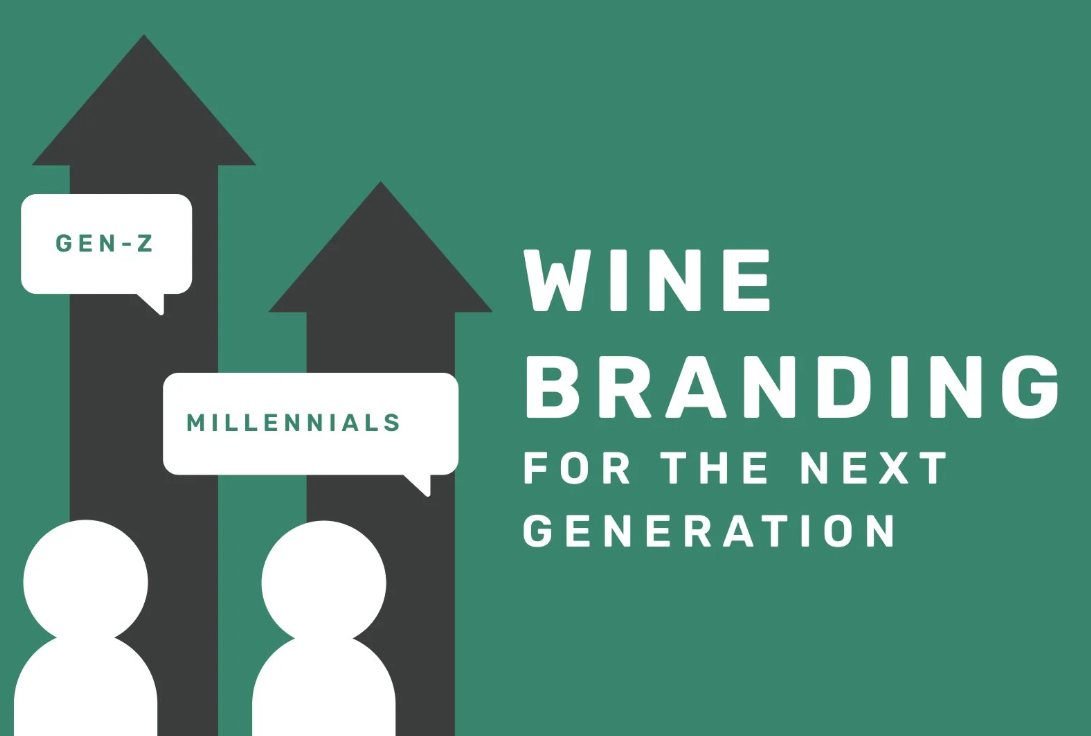
The wine industry is facing a demand reset. For decades, wineries could count on an audience to buy based on tradition, prestige, and a deep love for the nuances of terroir. But that audience is aging out. The next generation of wine drinkers—Millennials and Gen Z—aren’t just looking for a great bottle. They’re looking for experiences, identity, and values. This isn’t a small shift. It’s a fundamental change in how and why people buy wine. The wineries that adapt will thrive. The ones that don’t? They’ll be wondering why their sales keep slipping. Let’s break down what matters to these younger consumers—and how wineries can shift their branding to meet them where they are. Millennials Buy Experiences, Not Just Wine Millennials (born 1981–1996) grew up in a world where owning things became less important than experiencing things. Travel, concerts, pop-ups, exclusive tastings, and curated events—these are
00

July 2, 2025
The clink of glasses, the warmth of late afternoon sun across the vines—these are the moments that define a winery. But digital marketers can get stuck in the rut of Facebook posts and Instagram stories that have become repetitive and rote. How do you translate the sensory magic of a tasting room into strategies that make visitors show up in person? Take a look at some marketing channels that are not as used by wineries, where old-school storytelling and next-gen tech converge to give you a competitive edge. Connected TV: Your Vineyard in 4K Another banner ad, another still photo, another yawn. Sometimes the channel itself can leave you feeling confined to content that lacks vitality. If you’re facing that, and you’ve got the budget, think about going big on video and distributing it via Connected TV.. Connected TV (CTV) lets you beam the romance of your winery directly into living rooms, framed by the cinematic power of streaming. Think smart TVs, Roku, Apple TV&
00
June 30, 2025
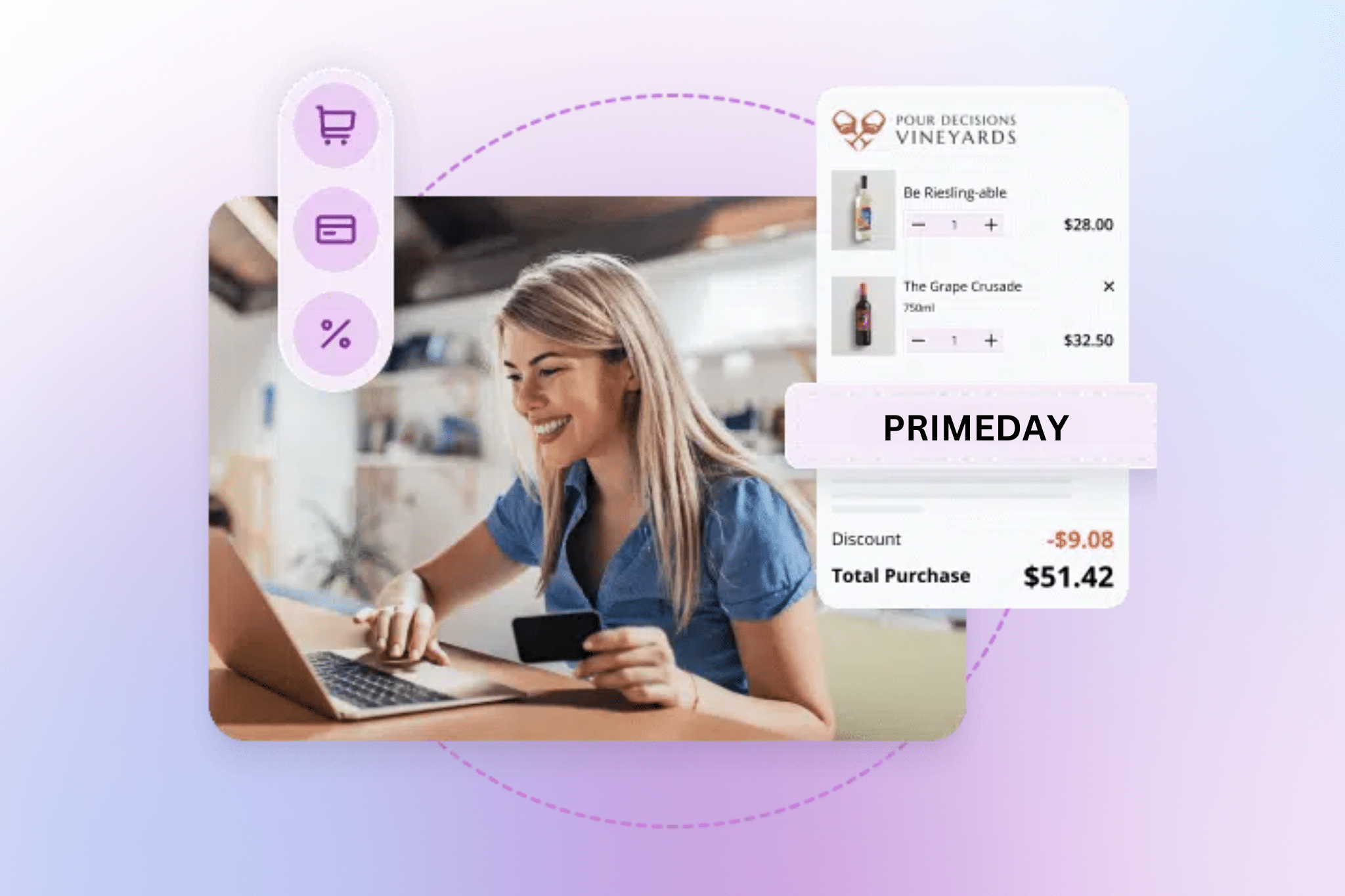
Amazon Prime Day isn’t just for Amazon. It’s a cultural event — one that now shapes consumer behavior across the entire internet. Your winery can absolutely ride the wave to drive DTC sales, increase visibility, and capture new customers. Here’s how to turn Prime Day into Wine Day and create your own traffic-driving, list-growing, revenue-boosting event — without selling on Amazon. 🧠 Why Prime Day Matters to Wineries Shoppers are in deal mode. According to Adobe Analytics, consumers spent over $12 billion during Amazon’s 2024 Prime Day — and even more across other platforms offering competing deals. Whether it’s impulse purchases or stocking up on gifts, buyers are primed (pun intended) to spend. Smart wineries are piggybacking on this urgency, offering exclusive promos, creative bundles, and early access for club members. 1. Create Your Own “Wine Day” 🍷 Instead of competing with Amazon, coexist with it. Launch
00
June 18, 2025
Most wineries get influencer marketing wrong. They partner with wine influencers, people whose entire brand is sipping wine on camera, swirling glasses, and rattling off tasting notes. The problem? They’re talking to people who already love wine. That’s not where growth happens. The younger generation of drinkers isn’t seeking out wine content. But they are following influencers who shape their choices about food, travel, design, and experiences. The smart wineries, the ones who will win the next decade, aren’t just looking for people who talk about wine. They’re finding the ones who shape how young consumers live. This is how you reach them. Who Actually Sells Wine? Think about the last time you tried a new restaurant, a new recipe, a new brand. Did you discover it because someone told you to? Or because you saw someone you trust experience it? That’s the difference between marketing and influence. For wineries, the best influencer partnerships com
00
May 20, 2025
As Q1 closes, emerging trends in marketing technology are pointing to one consistent theme: intentionality. According to a recent Angelsmith report, successful wineries are trimming the fat from their messages and focusing on clarity, relevance, and timing—especially in how they use email, social media, and SMS. Email campaigns are performing best when subject lines are kept to 2–4 words. Mobile-first readers want scannable content, and when paired with a compelling preview text, short headlines can significantly lift open rates. A/B testing is no longer optional—it’s a must-have tactic, even for smaller wine brands. In social media, the rise of short-form video continues. Platforms like Instagram Reels and TikTok reward creators who post content natively within the app. Cross-posted, watermarked videos are seeing reduced reach, so a shift toward platform-specific content is paying off. Additionally, quality is overtaking quantity—engagement is now more ab
00