
Filter Post Type
NewsVideoProductEventLink
Sort:
Most Recent
1–10 of 27

May 6, 2026
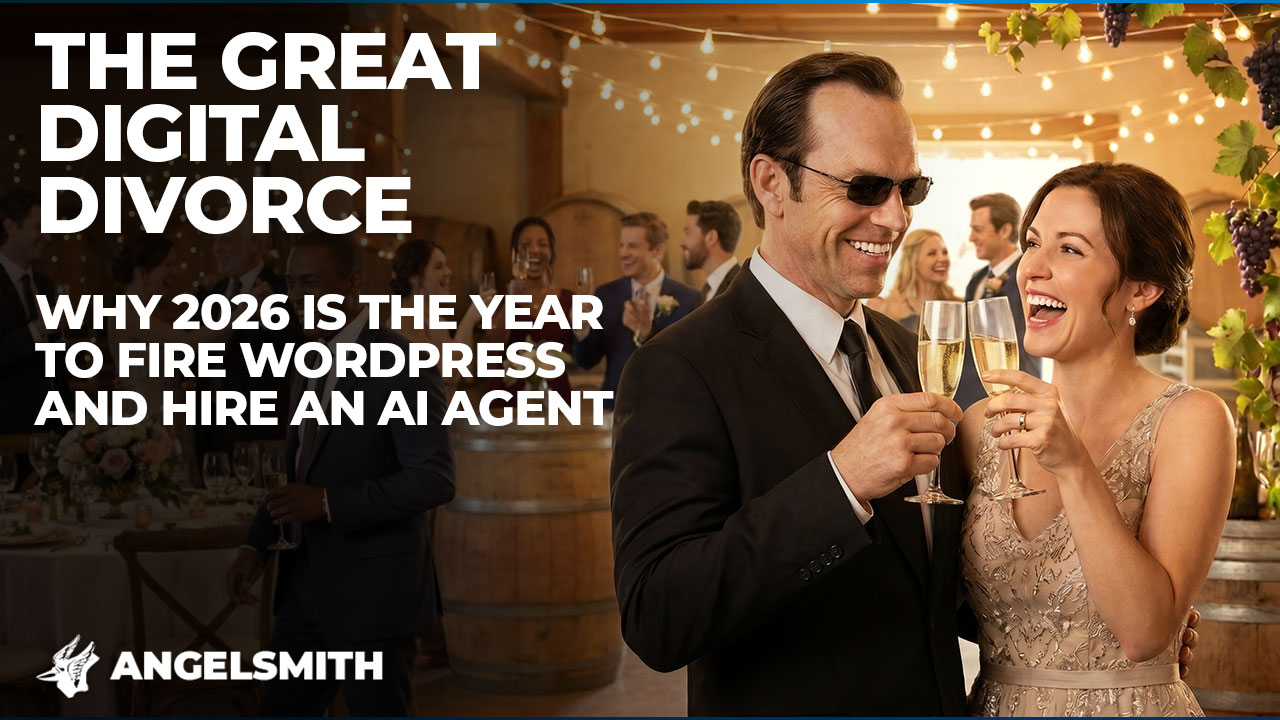
The Great Digital Divorce: Why 2026 is the Year to Fire WordPress and Hire an AI Agent For years, wineries have been trapped in a "bad marriage" with their websites. You pay thousands in monthly retainers just to keep the lights on, or wait days for a junior developer/assistant to change a tasting room photo (or even worse, take time out of your day to handle it), and live with the nagging fear that a single WordPress update might crash your entire storefront. That era is over. The "Great Digital Divorce" has arrived. The $100,000 Anchor For decades, if you wanted a high-end, custom-built site that actually performed, it cost hundreds of thousands of dollars. WordPress was the "affordable" alternative that offered functionality to the masses, but it came with a hidden tax: it was built on 20-year-old logic. It relies on clunky databases and "dynamic" files that are slow, vulnerable, and increasingly expensive to maintain. Here’s the reality: AI has changed expectations around in
00
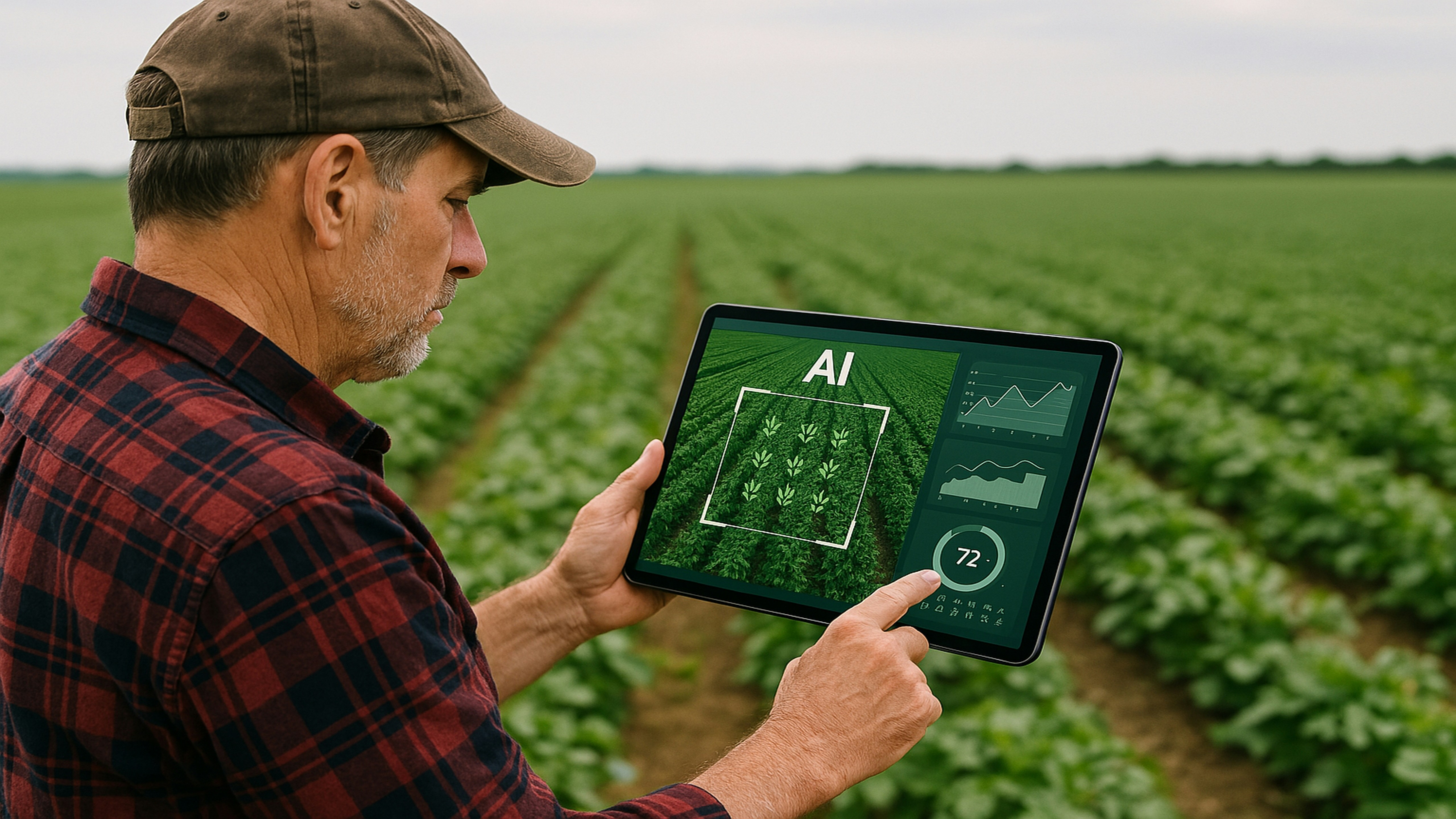
Most conversations about AI in agriculture lead nowhere. There is plenty of speculation, plenty of marketing, and very little shared understanding of how AI is actually being used inside real vineyard operations. There is no manual. No proven tools, and even fewer examples that go beyond theory. That is what makes this story different. Rather than discussing what AI could do someday, this article looks at what happened when a professional vineyard management team, operating at scale and under real economic pressure, put AI to work on the unglamorous parts of their operation: scheduling, coordination, and administrative complexity. The outcome was not what most people would expect. The biggest gains did not come from automation itself, but from what changed once friction was removed from daily work. First, You Have to Start With a Real Problem A vineyard operations leader managing large-scale acreage described a situation many vineyard operators recognize immediately: an operatio
00
It’s not hard to see the promise of AI on a vineyard: process a ton of information and get meaningful answers quickly. The problem is that no one knows how to get started. There are no clear standards, few proven playbooks, and almost no shared examples of AI delivering measurable results inside real vineyard operations. How can you use AI on your vineyard? Keep reading... This article looks at how one vineyard management team approached AI not as a trend to adopt, but as a constraint to manage. They had too much information, too many variables and far too little human capacity to process them all. This is how they did it. The Question You Should Be Asking First A vineyard operations leader managing large-scale acreage described a situation where scale magnifies every inefficiency. Across thousands of acres and dozens of properties, the team was already using sensors, labor tracking systems, equipment data, compliance tools, and agronomic models. The problem was not lack of infor
00
Green shoots: Is this a “transitional moment”? With spring getting underway, this month’s California Report assesses vineyard conditions, grape demand, and whether the bulk wine and grape markets are seeing the first tentative green shoots of recovery: Is the industry in a “transitional moment” before growth returns later this year or next? We dive into recent reports that case-good sales declines in the US are slowing, using the latest SipSource US wholesale depletions data to pick out some sales trends. The convergence of pricing toward California-appellation levels on all but a select handful of wines theoretically enables bulk wine buyers to make their decisions based purely on which samples best meet their quality/character specifications. This has opened up product development and scope for wine companies to attack potential retail opportunities. With wine aisles growing shorter, this is a challenging time to “buy the dip” with inn
00
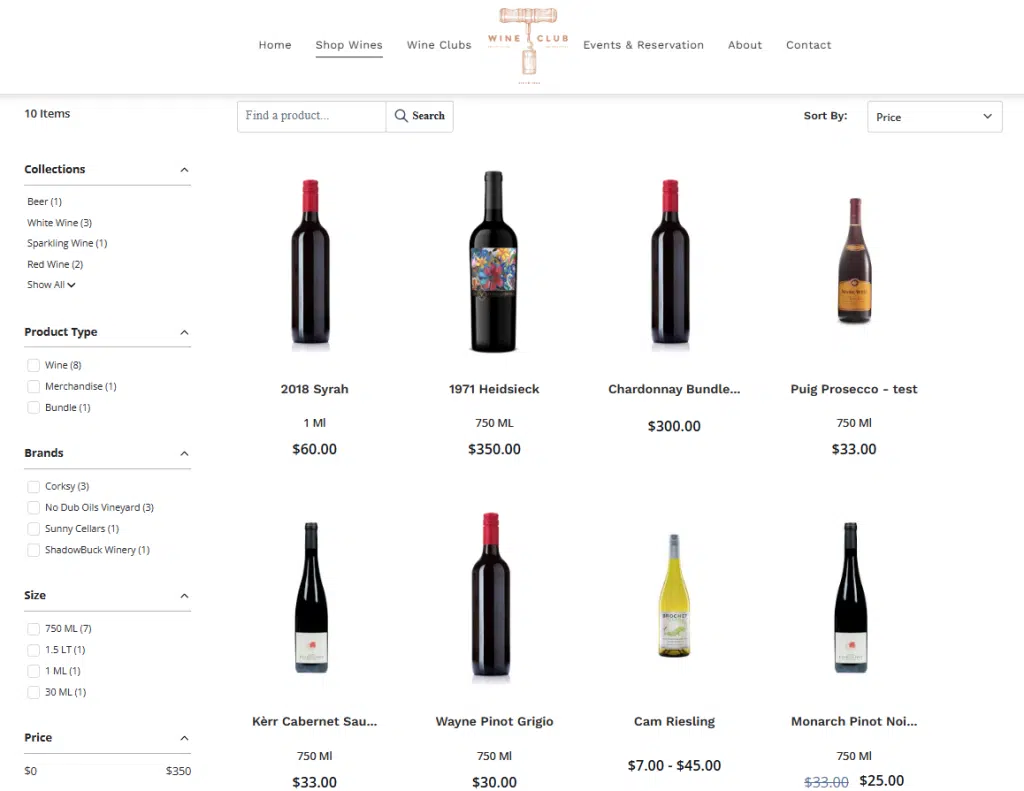
A few years ago at the DTC Wine Symposium, a panelist joked about the modern winery website formula: the guy, the dog, the truck, and the vineyard. Beautiful backdrop, strong lifestyle photography, a thoughtful founder story. Polished, absolutely. Strategically distinct, rarely. The critique wasn’t about branding. It was about structure. Most winery websites aren’t broken, but they aren’t built as decision environments either. Calls to action are unclear, revenue pathways are buried, shipping surprises appear late, and wine club often lives in isolation instead of throughout the buying journey. After auditing winery sites across regions and production sizes, the pattern is consistent: performance is constrained by friction, not effort. Most wineries don’t have a traffic problem. They have a conversion architecture problem. Before increasing ad spend or launching another promotion, run a winery website audit — on your phone. Start at the homepage and move t
00

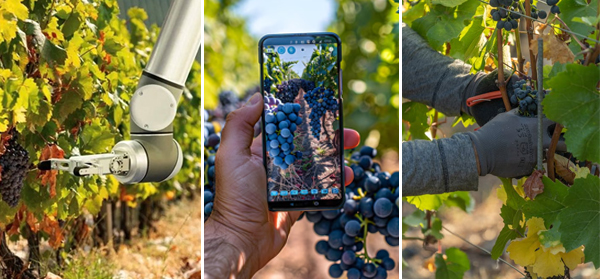
Join us for "Insights on New Growing Techniques from the 2025 Season." When it comes to innovation in the vineyard, theory is easy. Implementation is not. That’s why the first session of the 2026 Growing Forward Virtual Conference brings together four respected vineyard leaders who have already done the work. Join us this Wednesday, where we'll hear from the early adopters who will share their firsthand experiences, including what delivered measurable results, what proved challenging, what caught them by surprise, and what they would do differently next time. Bring your questions. Add your perspective. Join a conversation designed to help growers move forward with confidence. Session Panel: Tony Chapman, Senior Director of Winegrowing / The Donum Estate Ryan Maier, Owner & Operator / Maier Vineyard Management Matt Merrill, General Manager / Mesa Vineyard Management Patrick Riggs, Vice President of Viticulture / Jack Neal and Son Vineyard Management This Wednesd
00
February 24, 2026

The word “brand” is notoriously difficult to define in marketing. If we were talking about a ranch brand—the kind seared onto livestock to signify ownership—that’s easy to understand. But in marketing, a brand is not a physical thing. It’s a symbolic construct. It’s not the label on the bottle or the winery’s logo or even the product itself. Rather, it’s the entire perception a consumer holds in their mind about your company, your wine, your people, and everything you collectively represent. A brand is a conceptual identity that differentiates you from your competitors. It can be shaped by your name, your origin story, the design of your label, the personalities involved in your winery, your tasting room experience, your packaging, your email tone, your partnerships, or even how you respond to a customer complaint. All these elements come together to form the intangible yet powerful idea of your brand. It is, quite literally, eve
00
January 20, 2026
The wineries with the most loyal wine clubs aren't the ones with the best discounts. They're the ones with the strongest emotional identity. This will sound counterintuitive to anyone who's ever tried to stem club churn by sweetening the deal with free shipping or an extra bottle. But the data tells a different story. Companies with strong emotional connections to customers outperform competitors' sales growth by 85%. Not 8.5%. Eighty-five percent. The question isn't whether emotional connection matters. It's how you build one. Enter brand archetypes: a framework rooted in Jungian psychology that helps wineries create the kind of deep, identity-based loyalty that discounts can never buy. When wineries align their story, experience, and messaging with a core archetype, wine club loyalty stops being a battle against churn and becomes a natural expression of who they are. What Are Brand Archetypes? (And Why They Work in the Wine Industry) Brand archetypes are 1
00

January 5, 2026

Afternoon Brief: Napa Contemplates Price Cuts
Napa County is weighing up lowering prices at the potential expense of its luxury reputation in a bid to get more customers...
Napa Valley GrapegrowersTheo VineyardNashville Wine AuctionKingsland DrinksLodi Wine GrowersDana StemmlerBogle Family Wine CollectionJimmy WuvinSUITEAndrew DavisBryce PalmerSequoia Grove WineryProtea FinancialWine Glass MarketingEnolyticsLiberation DistributionAperture CellarsBrassfield Estate WineryThe Winerie at SanduskyKosmic Kitty WinesVinePair Podcast
00
November 17, 2025
AI and computer vision are unlocking the next frontier in precision viticulture At the North Coast Wine Industry Expo on December 4, Charlie Wu, CEO & Founder of Vineyard Robotics, will reveal how cutting-edge technology is giving growers real-time insights that drive smarter, more profitable decisions. What You'll Learn Charlie will dive into real-world examples of AI applications working in vineyards right now: Yield predictions for better resource allocation Canopy health monitoring to optimize fruit quality Disease detection that catches problems early Accurate inventories that eliminate guesswork This isn't theory—it's actionable technology that's helping growers reduce costs, improve efficiency, and gain a competitive advantage in challenging times. Attend for Free This session is free to attend with your trade show pass. Use promo code VIN415 for a FREE trade show pass to the WIN Expo and make sure to stop by Vineyard Robotics booth 415. Whe
00