
Filter Post Type
NewsVideoProductEventLink
Sort:
Most Recent
1–2 of 2
October 22, 2025
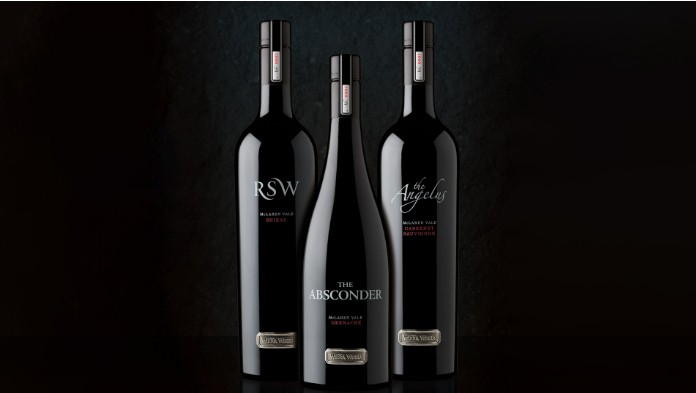
A wine bottle is the physical expression of your brand. Over time, customers have learned to associate specific shapes and sizes with quality, heritage, and style, especially when dealing with premium brands. Every element of presentation matters, with the bottle and label working together as the most powerful first impression. Selecting the right pairing is a critical step in positioning a wine effectively. For smaller or lesser-known wineries, or those from less established regions, design can play an even greater role. A distinctive bottle or striking label may inspire a purchase before the wine is even tasted. Customers often seek out packaging they feel proud to share, whether as a gift, at the table, or as part of their own social identity. The elements of a product’s design can even potentially influence how much some people enjoy a given drink, and in a way become in and of themselves a part of the overall experience. In this article, we explore the bottle
00
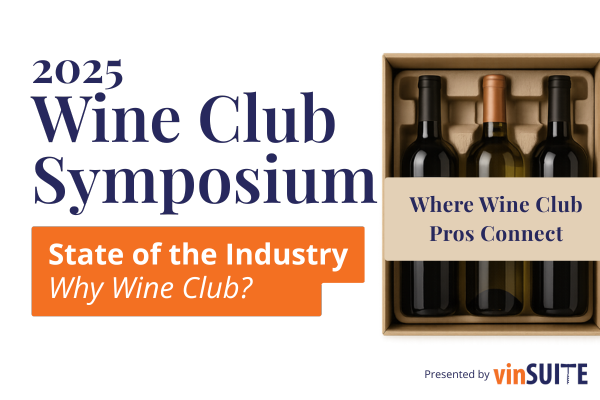
Wine Club Symposium — Session 1 State of the Industry: Why Wine Clubs? Watch the full recording of vinSUITE’s opening keynote to see how leading wineries are growing clubs in a softer market—by reducing sign-up friction, making commitment flexible, and keeping members engaged between shipments. The panel shares field examples from tasting rooms and clubs, then maps them to simple operational changes you can test this quarter. You’ll leave with practical ways to shorten the join flow, add flexible commitment (pause/skip/swap or prepaid), and build habit-keeping touches between shipments—plus the metrics that show it’s working. What you’ll learn Reduce tasting-room friction: capture contact earlier and streamline the join flow. Flexible commitment: pause/skip/swap and prepaid balances convert “almost” members and save cancels—without discounting. Between-shipment engagement: one planned touch + a simple cancel-save step k
00