
Filter Post Type
NewsVideoProductEventLink
Sort:
Most Recent
1–10 of 14

The 2026 State of the Industry session at Unified was cautiously optimistic but did delivered a clear message: the wine industry is not in a temporary downturn, it is undergoing a structural reset. We are deep into this adjustment but there is still work to be done. Declining consumption, excess supply, margin pressure, and changing consumer behavior are no longer emerging risks; they are now realities. They are now the operating reality. What made this year different was the alignment between market data, producer behavior, and financial results. The conclusions echoed the themes in the most recent SVB State of the Wine Industry Report: slower demand, elevated inventories, capital constraints, and the need for sharper business discipline. A Global Market Under Pressure As Mike Veseth, The Wine Economist, noted, wine is now a global commodity. Approximately 45% of all wine crosses at least one international border. While global trade continues to grow, overall consumption is
00


Afternoon Brief: Top Four Lessons from the Art of the Tariff Deal
While US tariff policy remains unpredictable, months of painstaking negotiations have shed some light on US goals...
Australian Wine Research InstituteJosh CellarsThe Wine GroupHALL Napa ValleyShady Lane CellarsRavissant CellarsNew York Wine & Grape FoundationMilea Estate VineyardGoose Watch WineryUsonia WineBarcelona Wine WeekLlama NetworksSonoma County WinegrowersCorksyGrape & Wine MagazineThe Wine EconomistMaura JohnsonDana EstatesJustin BogatyBogaty Family Wine GroupNate WallTroon VineyardBerlin PackagingVinoshipperEnolyticsOrderPortSuburban PropaneSt. Francis Winery & VineyardsRexford WinesMénage à Trois WinesLarson Family WineryArmstrong Valley Vineyard & WineryRare Champagne
00

Several economic outlets, including Forbes and Reuters, are signalling a potential U.S. recession in 2025. While no forecast is certain, savvy business owners know that waiting to react is never the right move. Here are 5 key tips to help your business prepare now: 1. Review and Reduce Discretionary Spending Assess every expense. Cut or pause anything not directly contributing to revenue generation, customer retention, and employee retention. Strength your P&L and preserve cash without sacrificing core business operations. 2. Lower Debt and Engage with Your Lender Eliminate high-interest debt where possible and avoid taking on new obligations unless strategic. More importantly, proactively communicate with your lender to ensure your relationship is strong should you need support later. 3. Strengthen Client Relationships Stay visible. Check in. Show value. In tighter markets, businesses that retain customer trust are the ones that survive, and often thrive. Don’t wa
00

April 15, 2025

State of the Industry; The Wine Market and Consumer Are Evolving – So Should You In this data-driven session, Dr. Chris Bitter, Senior Wine and Grape Analyst for Terrain / American AgCredit, will break down the key trends shaping both retail and direct-to-consumer wine sales. He’ll examine the structural headwinds impacting the industry, provide a forward-looking outlook on wine sales, and highlight areas where innovative wineries are still finding growth. Wine consumption is declining, and that trend isn’t likely to reverse anytime soon. But beneath the headlines, there’s a more complex story—one that reveals important nuances, shifting consumer behaviors, and untapped opportunities for wineries willing to evolve. The brands that succeed in this new landscape will be those that understand the challenges, adapt to market realities, and embrace strategic change. This interactive session will also include live polling to establish industry benchmarks, allowi
00
March 11, 2025

Afternoon Brief: BC Bans All US Alcohol at Government Stores, Wine and Beer Included, in Response to Trump Tariffs
In response to U.S. President Donald Trump's tariffs and annexation threats, alcohol from Canada's southern neighbour is now a thing of the past in B.C.'s government-run liquor stores...
Wine Sales SymposiumVineyard TeamCalifornia Wine FestivalAg Health Benefits AllianceBreckenridge Wine ClassicRepublic National Distributing CompanyVerovinoPapapietro PerryThe Wine EconomistDave McIntyre's WineLineBrian MackeyDineen Vineyards)Matt SzuraYujin JonesAvalinePeter McAtamneyRebecca MurphyScott MeadowsMaxville Estate WineryBill LeigonVinoshipperCopper Peak LogisticsOutshineryAdmeoSilver State StainlessCupcake Vineyards Big Creek Vineyard and WineryLinne CalodoCarter Creek WineryLife Between the Vines
00

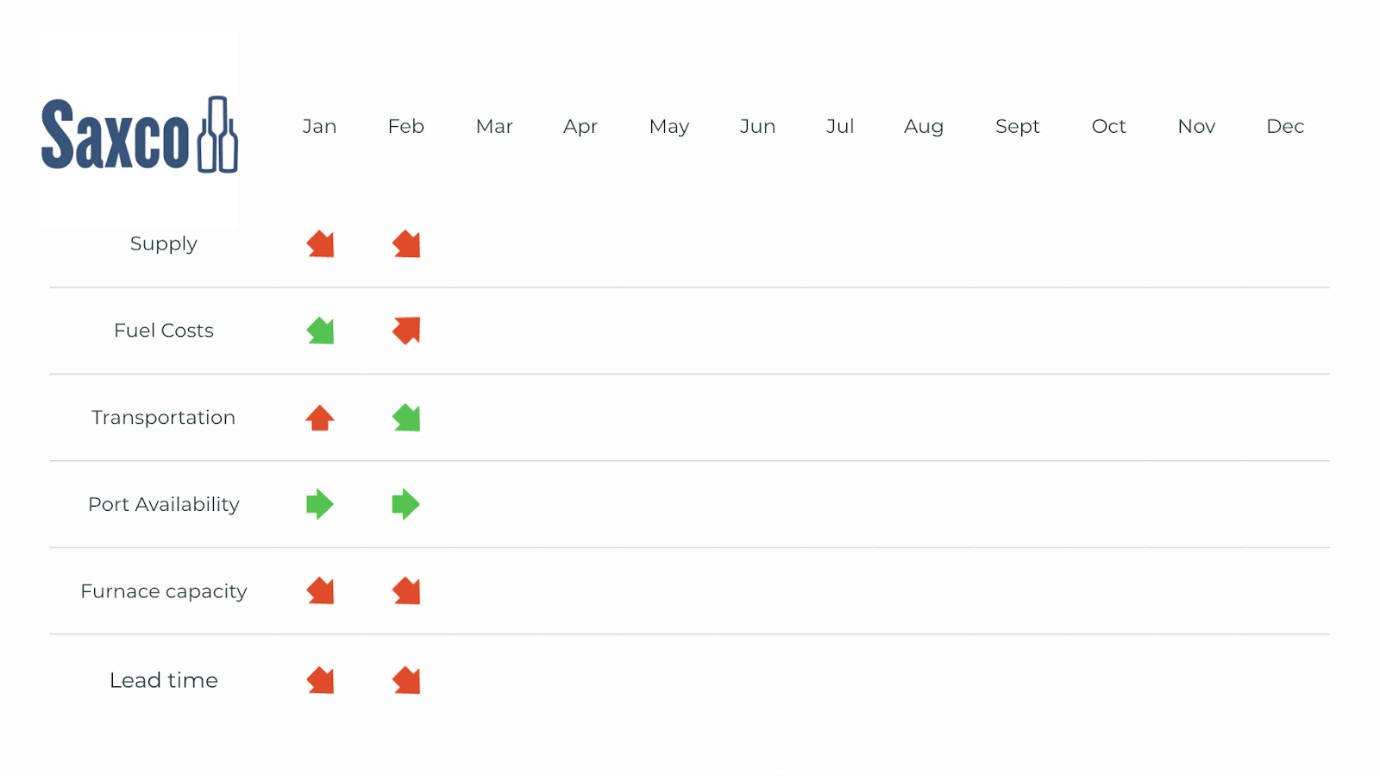
Over the past month, the wine industry has been caught in a whirlwind of shifting signals from the new US administration regarding tariffs. The rapid pace of change has left many wondering whether these moves are strategic negotiation tactics or actual policy changes that will directly impact pricing for wine-related goods and materials. The Trump administration initially imposed tariffs on imports from Mexico (25%), Canada (25%), and China (10%) – the White House Fact Sheet is here. While a temporary 30-day pause has been placed on tariffs for Canada and Mexico, concerns about retaliatory measures remain high. Canada, for example, had already announced 25% counter-tariffs on US goods, including alcoholic beverages – a move that could significantly impact California wineries and other US producers exporting to our northern neighbor. But it's not just the challenges with finished goods that we are concerned about; it is how tariffs will affect the packaging components li
00

A Time for Reflection & Collaboration By Steve Fredricks As the 2024 harvest concludes, the Thanksgiving holiday approaches, and the year draws to a close, it's a natural time for reflection and giving thanks. While it's easy to get caught up in the current negativity caused by slow consumer sales and oversupply, let's appreciate a few of the positives—both in the past year and the one ahead. We can be thankful the 2024 harvest was earlier, smoother, and lighter than in 2023. And, despite the multiple heat events throughout California, winemakers' feedback has been positive to excellent regarding the vintage's quality thus far. This presents continued opportunities for the industry, as wine quality for consumers is better than ever with diverse styles. We can also be thankful that beyond the vines and wines, there is a growing awareness and an increasing sense of collaboration to address and turn the tide of our global consumer sales ch
00


What’s the opportunity cost of stopping to ingest another piece of content? Two sentences in, are you gripped with a guilty impulse to reach for your phone or keyboard and start making calls instead? I’d like to redirect your energy so that your success in sales isn’t random or acute, but consistent and chronic — the result of a strategic, focused effort that means doing less and selling more. Defining Success If I “get you” to read this article, does that mean I’ve written it well? “Well,” you might say, “that depends on your goal, I guess. What are you trying to do here —put words in my mouth?” As tribal creatures, we tend to assume everyone around us is on the same page, that we define success in the same way. In Chapter 1 of The Psychology of Money, Morgan Housel argues that “Nobody’s Crazy” — every one of us handles our finances based on different values, informed
00

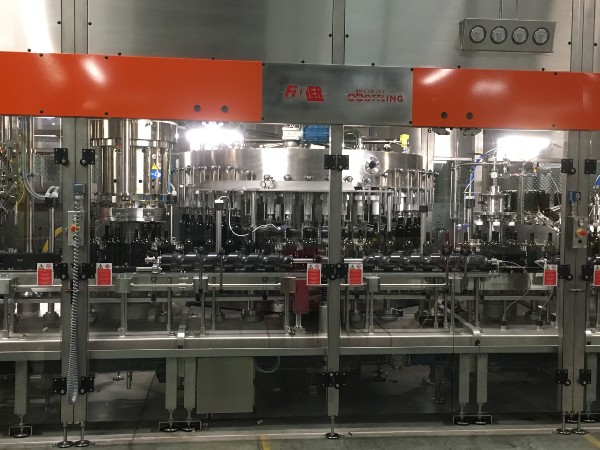
Economists and pundits are telegraphing the news that wine sales are contracting. In the wine industry’s ever-changing landscape, the ability to adapt to new developments is the path to success. "We've been diversifying our offerings to support our clients’ continually changing portfolios,” says Jessica Tuteur, President and General Manager of Infinity Bottling in American Canyon. “We've reduced our minimum quantities to meet the current market requirements, and we're open to discussing projects of all sizes.” Embracing Change Infinity Bottling was established in 2018 bringing new equipment and innovation to the wine industry. Many of Infinity’s winery clients are switching to lighter bottles to reduce greenhouse gas emissions and manage the rising cost of glass. Others are switching to bulk glass instead of case goods, providing the winery with more flexibility to customize smaller runs and reducing transportation and handling costs
00
2024 may well be one of the most challenging years in recent history for the American wine industry. Let’s change that. Multiple Alarm Bells At the recent Unified Wine & Grape Symposium in Sacramento, several prominent experts in various fields sounded the alarms during the enormously popular “State of the Industry” session attended by several thousand industry members. Wine Economist Mike Veseth compared the present with the distant past when similar clouds were on the horizon. Wine market analyst Danny Brager cited several troubling trends in consumer demographics, beverage preferences, anti-alcohol pressures, and apparent wine industry apathy. Steve Fredricks of Turrentine Brokerage repeatedly urged California wine grape growers to immediately tear out 30,000 acres of vineyards—roughly the total in New York State for grape juice, wine, and table grapes–to alleviate the current and chronic excess supply situation. Let’s Get to Work! We possess
00