
Filter Post Type
NewsVideoProductEventLink
Sort:
Most Recent
1–10 of 11

April 1, 2026
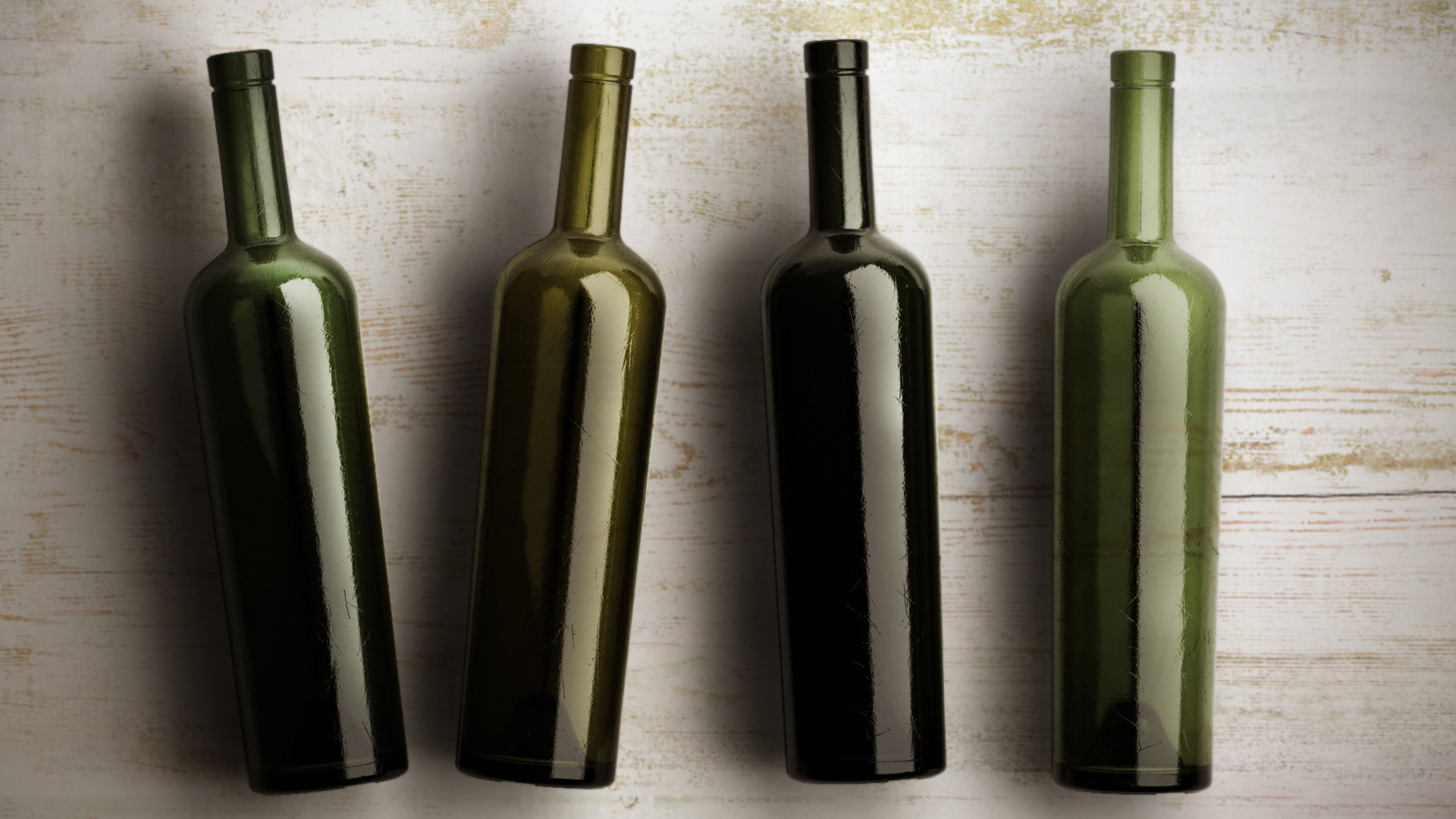
We are certainly living in different times—times that are difficult to predict and even harder to plan for. Challenges originating far outside our professional world are quickly impacting our day-to-day operations and, ultimately, your business. Throughout 2026, suppliers across the industry have faced significant disruption, and those challenges have inevitably flowed downstream to our valued wine and spirits customers. While none of us welcome this level of uncertainty, it is also not entirely unexpected given the global environment we’re operating in. Recently, the Wine Industry Network published a timely and insightful article that underscores the importance of preparation. The message is clear: we must plan ahead, secure what we can, and remain ready for continued volatility. Duties, tariffs, currency fluctuations, transportation challenges, and unexpected fees are all contributing to rising costs—and the reality is, no one can predict what will come next. What
00
February 16, 2026
In the world of low- and no-alcohol beverages, innovation isn’t a buzzword — it’s a necessity. After BevZero’s recent WINnovation award, spotlighting game-changing achievements in wine technology, it’s time we take you deeper into the system that’s redefining alcohol removal: ClearAlc. Exclusively distributed by BevZero and engineered and manufactured by Tomsa Destil, ClearAlc is the next generation of dealcoholization equipment. It brings a blend of precision, sustainability, and versatility unique to the beverage world — and it’s earning attention for good reason. Let’s open the hood on ClearAlc and explore what makes this technology not only unique but award-worthy. What Is ClearAlc? At its core, ClearAlc is a patented vacuum distillation system that removes alcohol from wine, cider, and spirits using a single-pass, high-efficiency process. But this isn’t just about pulling out ethanol — ClearAlc
00
February 10, 2026

After 30 years of moving up and to the right, the American wine industry hit a wall. Not a temporary slowdown or a soft patch. A structural shift that requires a fundamentally different marketing playbook. 2025 was the reality check. 2026 is the year wineries either adapt or watch their customer base age out beneath them. The data is now unambiguous: wine sales dropped approximately 6% in 2024, marking the steepest decline in decades according to SipSource industry data. More troubling than the headline number is what's driving it. This isn't a recession blip or a bad vintage. It's a fundamental realignment of who drinks wine, how they buy it, and what they expect from the brands they choose. Here are the five trends reshaping the US wine market and what they mean for your brand's survival. The Demographic Disruption The wine industry built its growth on one generation: Baby Boomers. That generation is now aging out. The Wine Market Council's 2025 U.S. Consumer Ben
00

For years, discounting has been the default lever wineries pull to spark sales and reward loyal customers. But in today’s crowded marketplace, deep discounts can erode brand value and condition customers to buy only when the price drops. There’s a better way: loyalty points programs. Retention, without discounting, comes from making customers feel known, valued, and part of something special. They’ll stay not because it’s cheaper, but because it’s theirs. Instead of discounting away margin, wineries can encourage repeat visits and purchases by offering rewards that feel aspirational, personalized, and memorable. Loyalty points add up over time, giving guests a reason to come back again and again, all the while protecting your brand’s premium image. 10 Reasons Why Loyalty Points Work Shift from price to experience. Points reward frequency and engagement, not bargain hunting. The program should reinforce experience, access, and emotional loyalty, not
00

October 29, 2025

Afternoon Brief: Senator Alvarado-Gil Calls for Legislative Action as California Winegrowers Struggle
The wine industry has faced a series of setbacks in recent years, as the supply of grapes has grown while demand has dropped, leading to grape prices that are so low that, in some cases, it costs growers more to harvest grapes than they would get back by selling them...
Petaluma Gap Winegrowers AllianceSeghesioBernardusBig Thirst MarketingPour NowColorado Association for Viticulture & EnologyBollingerFolcCorby Spirit and WinePernod RicardNicola BustonThe Drinks TrustSunridge NurseriesThe Digest of Wine & Spirits LawTCW EquipmentLiberation DistributionBread & Butter WinesWente Family VineyardsBlackbird Vineyard ServicesCHO WinesFolly of ManBryn Mawr Vineyards
00

October 9, 2025
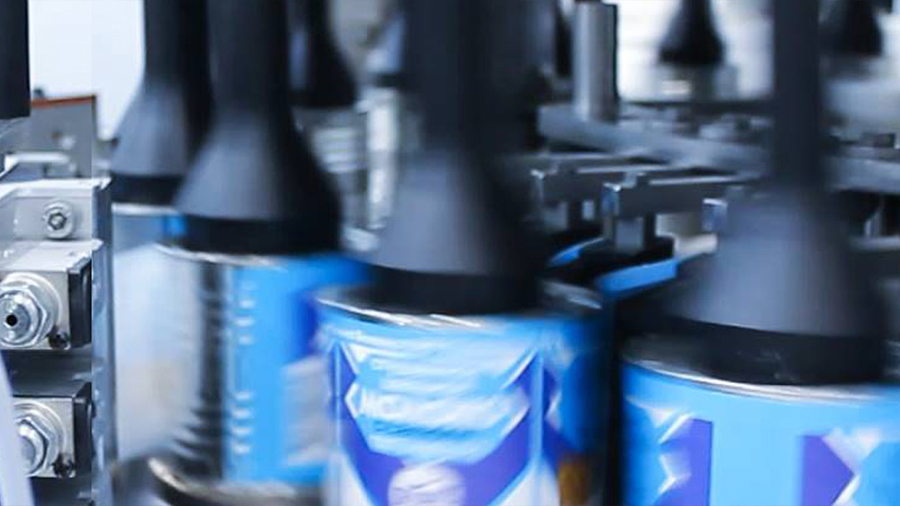
For small and growing beverage brands, the path from hand-applied labels to a streamlined automated labeling line is a natural part of scaling up. Whether you produce wine, craft beer, spirits, or are part of the surging categories like canned cold brew, kombucha, infused seltzers, or functional beverages, the shift to automation can be a turning point in both brand presentation and operational efficiency. But how do you know when it’s time to make that leap? Recognizing the Signs That You’ve Outgrown Manual Labeling Early on, hand-labeling or using semi-manual applicators might be sufficient. Or perhaps you’re purchasing preprinted or wrapped cans for just one or two SKUs. Small batches and local distribution don’t always demand high-speed or consistency. However, as demand grows, manual labeling or purchasing pre-printed packaging can quickly become a bottleneck or weakness. Signs it may be time to upgrade include: Increasing Order Volumes: When your team spen
00
September 12, 2025

The 2026 edition of Verallia’s Trend Book developed in collaboration with Carlin Creative, highlights deep and lasting transformations in consumer behaviors across the food and beverage sectors. Consumers increasingly seek authenticity, functional benefits, and formats that foster togetherness. These shifts are prompting brands to view packaging not merely as a container, but as a strategic asset at the heart of their relationship with consumers. Profound and lasting market shifts The food and beverage industry is undergoing structural change. This particularly evident in wine and spirits, where moderation has emerged as a defining global trend. At the same time, new categories are gaining traction, most notably no-and low-alcohol beverages, which are expected to grow by 7% annually between 2023 and 2026 (IWSR, 2025). This reflects a broader cultural shift: moderation is no longer a marginal trend or limited to younger demographics, but a mainstream behavior across generat
00
September 11, 2025
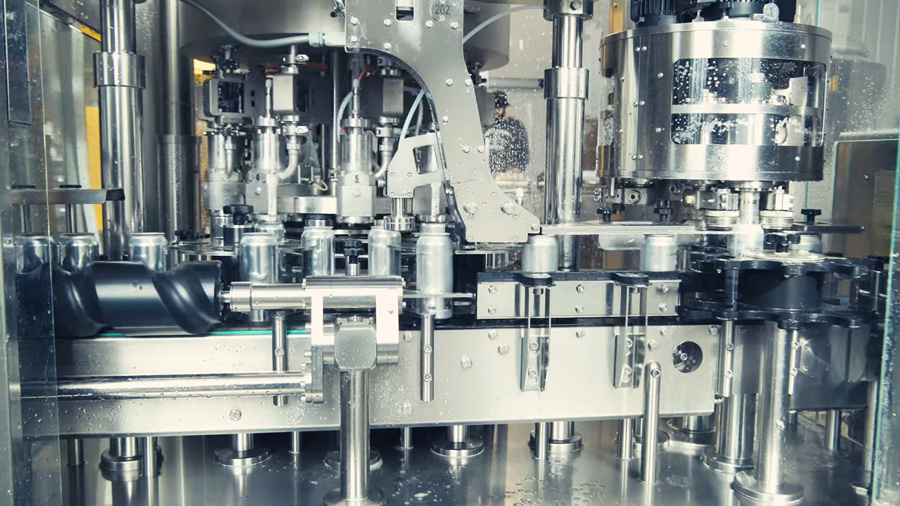
In today’s craft beverage industry, cans have officially claimed the crown. Lightweight, durable, recyclable, and favored by retailers and consumers alike, aluminum cans are now the go-to format for packaging everything from flagship IPAs to water and everything in between. For breweries scaling up from taproom sales or mobile canning services, investing in an in-house canning line can be a game-changing step toward growth, quality control, and brand presence. For energy drinks or water, embracing the aluminum trend can play into sustainability and branding opportunities that connect with audiences across North America. At Prospero Equipment Corp., we’ve spent decades helping beverage manufacturers evolve their production and packaging systems. With premium canning and labeling solutions from our trusted partners like GAI and Makro, we support craft producers in building packaging lines that perform today and evolve for tomorrow. Here’s what to consider as you plan y
00

Summer winery marketing strategies are essential for staying competitive during travel season and warmer weather. As customer habits shift and traditional foot traffic slows, wineries must find new ways to stand out. The good news? With the right mix of creativity, personalization, and tech-driven tools, summer can be one of your most profitable seasons yet. Here are five innovative, customer-centric strategies to help your winery sell more and build deeper relationships this summer. 1. Rethink Summer Shipping: Flexibility Is the New Fast Wine and heat don’t mix. But neither do frustrated customers nor surprise shipping delays. In 2025, the most successful wineries are leaning into flexibility, clear communication, and smarter logistics to keep orders flowing and customers happy. 🔄 Give Customers Control Let your customers decide when and how they receive their wine. Integrate tools that allow post-purchase adjustments, like scheduling a fall delivery or choosing a local picku
00
June 11, 2024
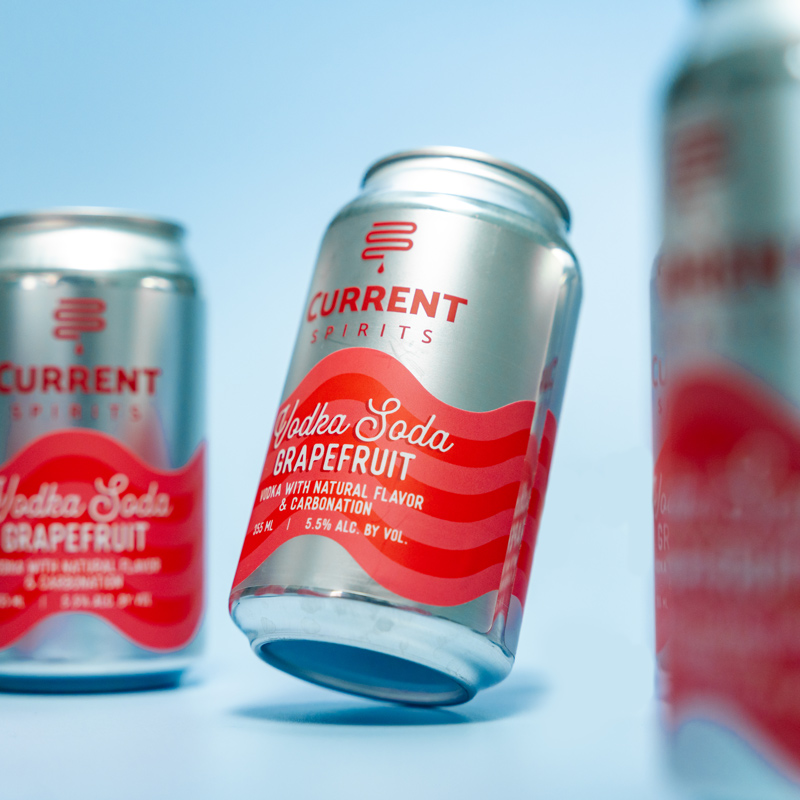
Ready-to-drink (RTD) beverages are taking the alcoholic beverage industry by storm. From refreshing spiked seltzers to pre-made cocktails, RTDs offer consumers convenience without sacrificing quality or flavor. They’re a perfect choice for any occasion, whether it’s a poolside hangout or a rooftop party. As the demand for these delicious and convenient drinks soars, the need for efficient and reliable equipment to produce them also rises. At Prospero Equipment, we offer state-of-the-art solutions to help you capitalize on the booming RTD market and meet this growing demand. What are RTD Beverages? RTD beverages, also known as pre-mixed cocktails, are alcoholic drinks that come ready to enjoy straight from the can or bottle. Their surge in popularity can be attributed to several factors, including their convenience – grab one and go, no bartending skills required! – variety, with options to suit every taste from fruity and light to spirit-based and complex, and m
00