
Filter Post Type
NewsVideoProductEventLink
Sort:
Most Recent
1–10 of 46
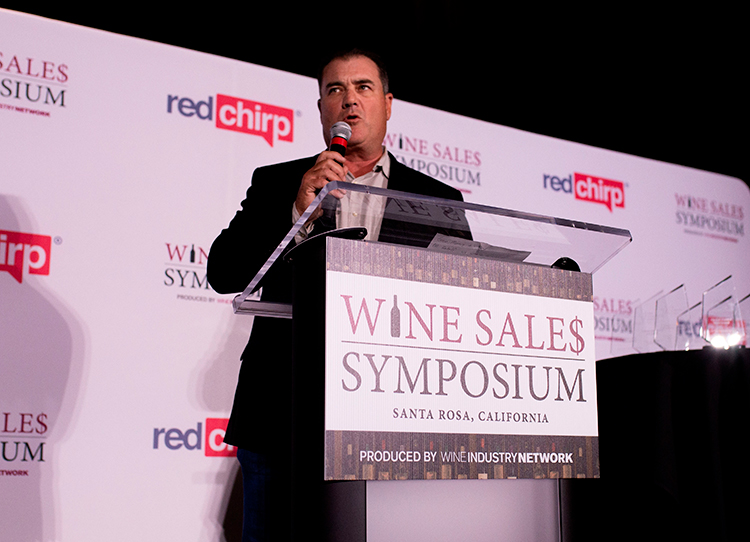
Winery leaders and industry experts explore the strategies shaping the future of wine sales. The wine industry narrative over the past two years has been dominated by decline: falling consumption, shrinking distributor portfolios, and weakening consumer loyalty. The headlines suggest an industry in freefall. But the reality is more nuanced - and more useful. Yes, overall wine consumption continues to face pressure. Consumer behavior is fragmenting in ways that challenge traditional approaches. But the full story isn’t simply decline. It’s divergence. Some wineries are still growing. Some categories are holding steady while others contract. Some sales channels are thriving while others struggle. The difference often comes down to whether wineries have adapted their strategies to match the market that exists today, not the one that existed three years ago. At Wine Industry Network’s Annual Wine Sales Symposium on May 13, Dr. Chris Bitter will present research on what’s actually happening
00
April 30, 2026

The wine market is no longer simply in a slowdown – it is in structural correction.
Distribution routes are tightening, consumer behavior is shifting, and the assumptions many wineries relied on even two years ago no longer hold. Wholesale channels that once provided stable revenue are consolidating or disappearing. Tasting room traffic has become inconsistent. Consumer loyalty has weakened.
This isn’t temporary turbulence. It’s a fundamental reshaping of how wine reaches customers and which wineries succeed in doing so.
Winery owners are facing hard questions: Should I double down on wholesale or pivot to direct-to-consumer? Do I chase new customer segments or deepen relationships with existing ones? The challenge isn’t a lack of options. It’s knowing which move to make first when resources are tight, and the margin for error is slim.
The Distribution L
00


Combating declining consumption and tasting room visits is the current pressing priority for small and medium-sized wineries whose primary source of revenue has been direct-to-consumer (DtC) sales. Waiting for the situation to change is no longer an option. Instead, wineries are turning to their existing customers to maximize short-term revenue and draw in new customers to rebuild their base. This task can seem daunting, but wineries with the vinSUITE integrated DtC software platform have a powerful new tool at hand. The recently released vinSIGHT transforms the sales data automatically collected by vinSUITE into actionable insights. This new predictive analytical platform analyzes the winery’s historical customer behavior patterns and predicts wine club churn with up to 94% confidence, enabling wineries to prevent revenue loss before members cancel. Jimmy Wu, vinSUITE’s President, explains: “By the time wine club churn shows up in standard reports, that revenue is already l
00
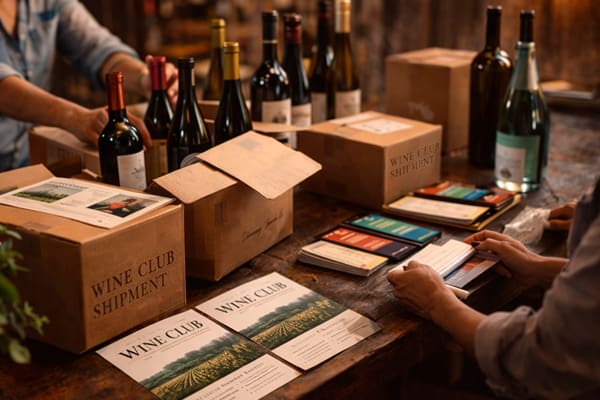
Why Wine Clubs Aren’t Working, And What’s Replacing Them For many wineries, the biggest challenge today isn’t attracting new customers; it’s keeping the ones they already have. Wine clubs once represented the most stable revenue engine for wineries. Members signed up, shipments went out quarterly, and predictable revenue flowed in. It was the foundation of direct-to-consumer success. But that foundation is cracking. Recent industry data reveals a troubling trend: nearly 40% of wine club members cancel within the first year. In a market where customer acquisition costs are climbing, and competition for attention has never been fiercer, losing members at this rate isn’t just a retention problem; it’s a profitability crisis. The math is unforgiving. If acquiring a new club member costs hundreds of dollars in marketing, tasting room labor, and incentives, losing them before they’ve generated meaningful lifetime value means wineries are bleeding money with every signup. And yet, some winer
00
March 31, 2026

The tasting room used to be the heart of the winery business model. Walk-ins became club members. Club members became brand ambassadors. Revenue flowed predictably, and the formula worked. That’s changing. Visitation to wine regions is softening and tasting room traffic that wineries once counted on is declining. The cohort that’s most noticeably absent? Millennials and Gen Z, the consumers who should be building the next generation of wine loyalty. For many wineries, the drop-off has been gradual enough to rationalize. Blame the economy. Blame changing drinking habits. Blame competition from craft beer and cocktails. But the reality is harder to swallow: younger consumers aren’t avoiding wine country because they don’t like wine. They’re avoiding it because the traditional tasting room experience no longer competes with how they want to spend their time and money. And if wineries don’t adapt, they risk becoming relics of an industry that waited to
00
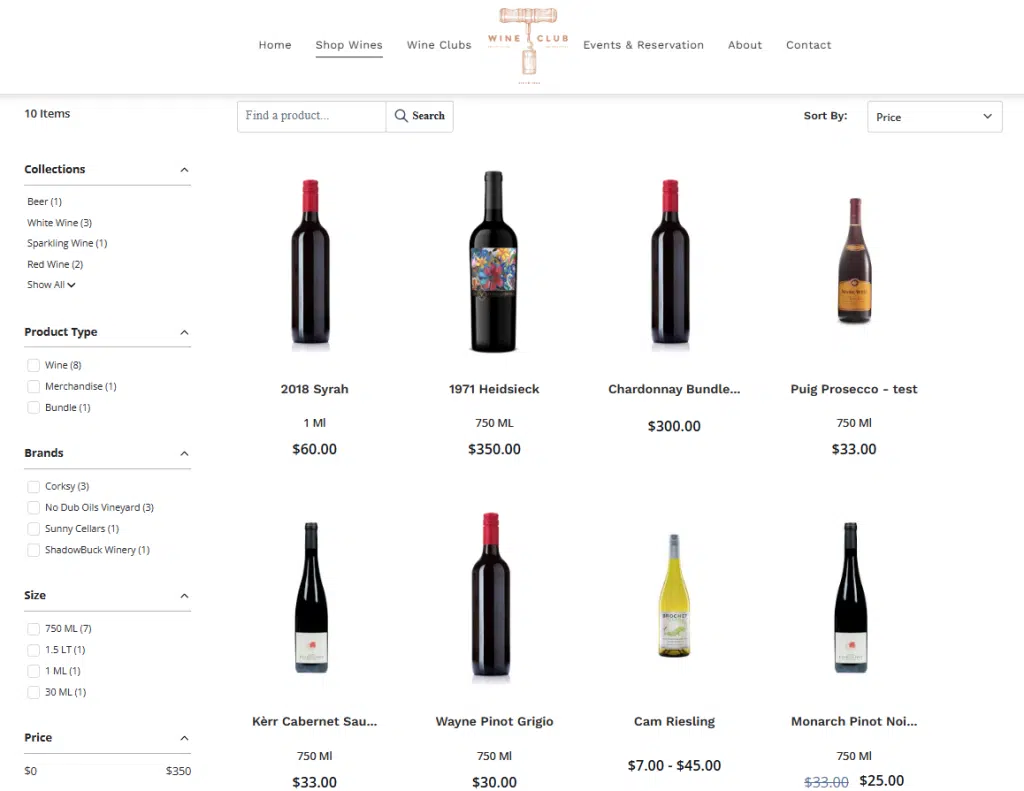
A few years ago at the DTC Wine Symposium, a panelist joked about the modern winery website formula: the guy, the dog, the truck, and the vineyard. Beautiful backdrop, strong lifestyle photography, a thoughtful founder story. Polished, absolutely. Strategically distinct, rarely. The critique wasn’t about branding. It was about structure. Most winery websites aren’t broken, but they aren’t built as decision environments either. Calls to action are unclear, revenue pathways are buried, shipping surprises appear late, and wine club often lives in isolation instead of throughout the buying journey. After auditing winery sites across regions and production sizes, the pattern is consistent: performance is constrained by friction, not effort. Most wineries don’t have a traffic problem. They have a conversion architecture problem. Before increasing ad spend or launching another promotion, run a winery website audit — on your phone. Start at the homepage and move t
00

February 11, 2026
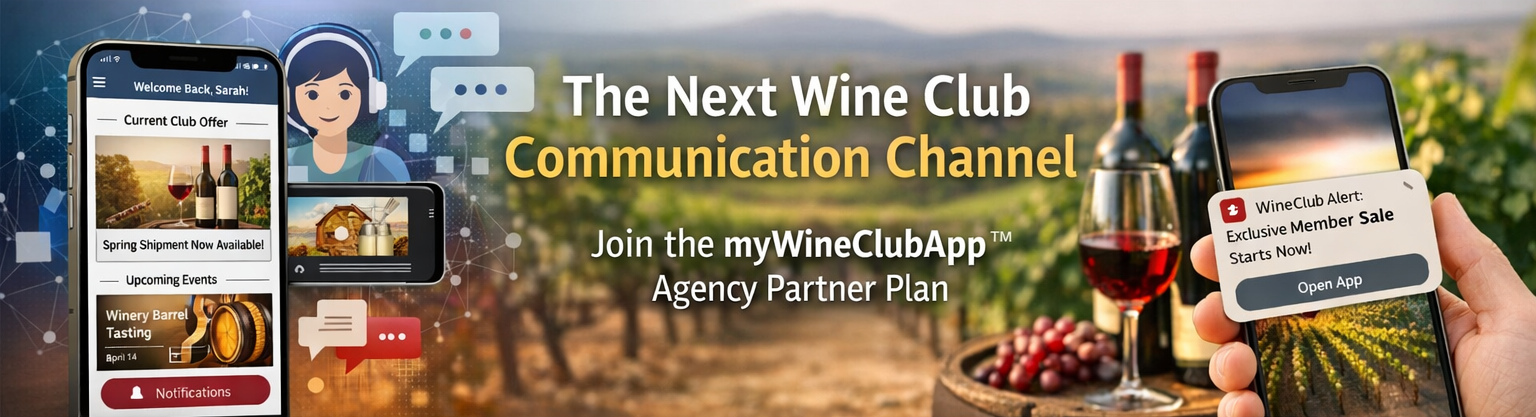
myWineClubApp™ - Agency Partner Plan Wine Marketing Agencies Are Quietly Claiming a New DTC Communication Channel Something unusual is happening in wine marketing. While much of the industry continues to wrestle with declining response rates, unreliable email deliverability, and growing SMS fatigue, a new pattern is emerging behind the scenes: wine marketing agencies are beginning to secure strategic positions around an entirely new DTC communication channel. The channel is myWineClubApp™ — a patent-pending, preference-based messaging platform designed specifically for modern wine clubs. Why myWineClubApp? Originally developed as a direct solution for wineries struggling with fragmented customer communications, myWineClubApp has quickly drawn attention from agencies who recognize a larger opportunity: helping their winery clients establish a persistent, brand-owned presence on consumers’ phones while reducing dependence on traditional channels. Unlike conven
00
February 6, 2026
My positive takeaways from Oregon Wine Symposium 2026 is that the wine industry has no shortage of opportunities right now. What is changing however is how clearly those opportunities are communicated and discovered. As consumers increasingly turn to AI to help them choose what to drink, where to go, and what fits their lifestyle, the wineries that articulate these wins clearly will be the ones that show up in the world of 'AI intent!' Here are my 10 ways the wine business can win in 2026 and why embracing AI now can help make them visible. Top 10 Ways the Wine Business Can Win in 2026 1. Lead with flavor, not labels Consumers want to know what it tastes like, not what it’s called. Clear flavor language helps AI and people understand wines faster. 2. Whites and lighter styles are growth engines White wines and blends align with affordability, freshness, and everyday occasions. Explaining why they fit modern lifestyles improves discovery. 3. “Better for you” ne
00
January 9, 2026
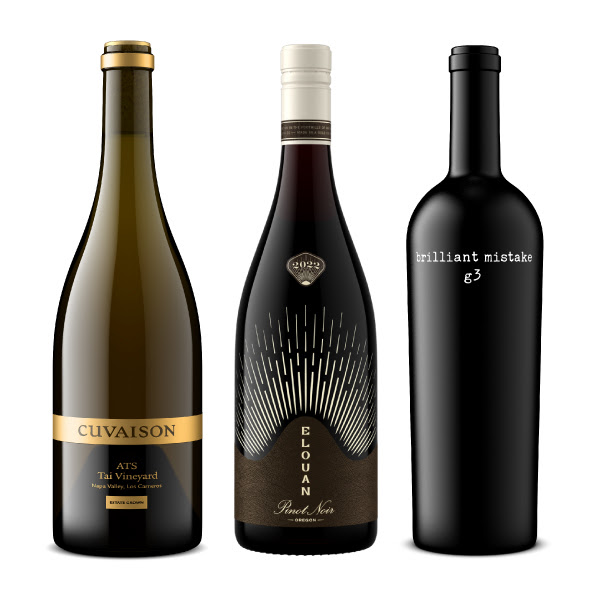
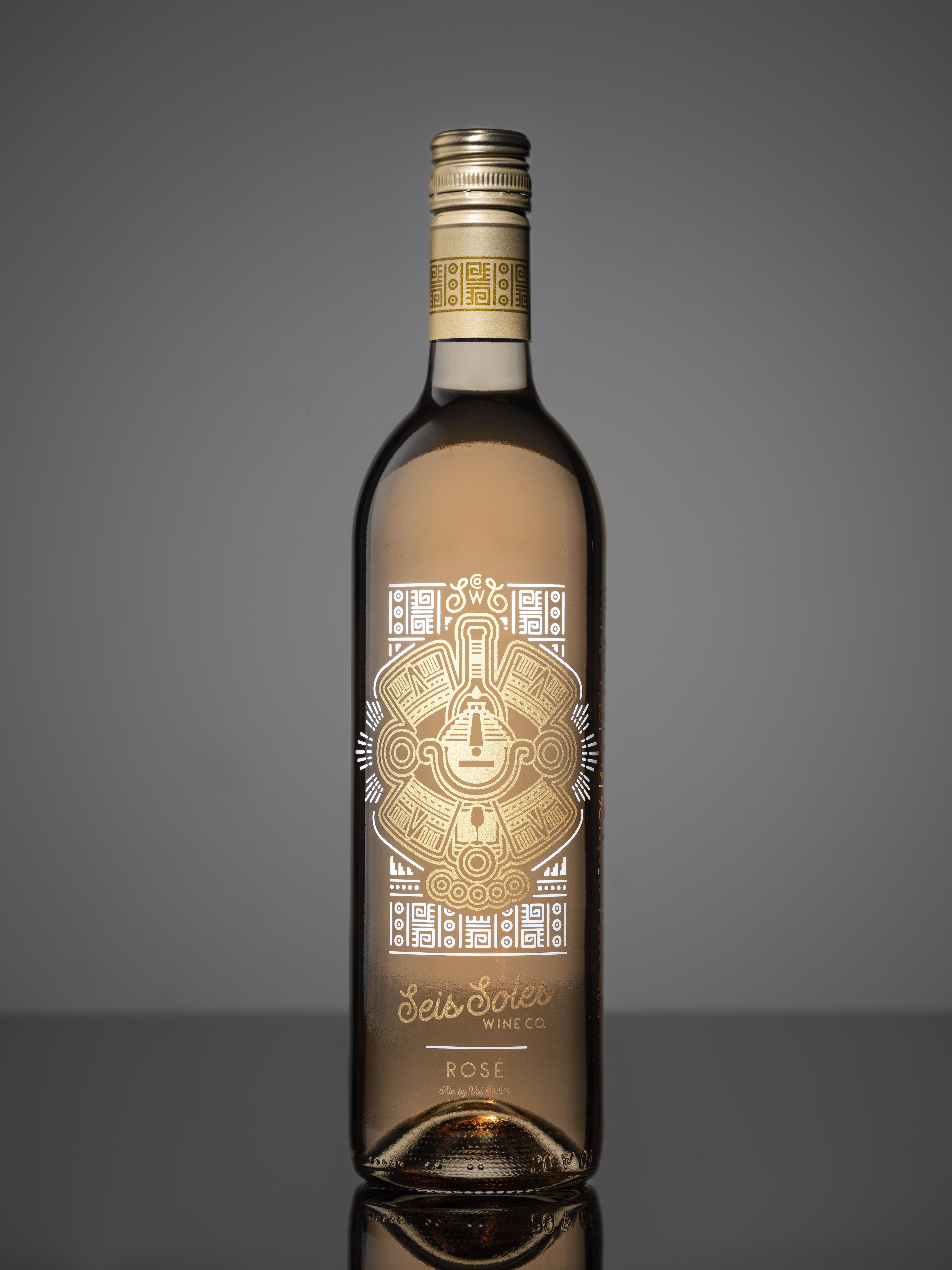
In today’s challenging marketplace, it’s imperative for a winery’s bottles to stand out on a crowded shelf when consumers walk into a store to purchase wine. Regular patrons and wine connoisseurs know where to find their favorite wines, but for those unsure of what wine to buy, the multitude of options can be overwhelming, and the final decision is often influenced by the label. To this end, creative bottle and label design is essential to successfully showcase wines — especially when targeting the younger generation of wine drinkers. Monvera Glass Decoration is a leader in working with wineries and their designers to create eye-catching label solutions using two innovative processes — screen printing directly onto the surface of the bottle and spray coating. The latter process is when the bottle is sprayed with any color in different finishes, including opaque, transparent, translucent and frosted. “We are the alternative to paper labels,” say
00
November 17, 2025

The Wine Industry Financial Symposium 2025 and its speakers made one thing abundantly clear: the wineries that will succeed in this current market and into the future will look fundamentally different from the wineries that dominated in the past. The industry is undergoing a structural reset. Shaped by shifting consumer behavior, oversupply, rising costs, evolving demographics, and a fiercely competitive landscape. Yet within this challenging environment lies an enormous opportunity. The sessions throughout the conference consistently revealed the same profile of a successful, future-ready winery. It is not the winery with the most acreage or the flashiest tasting room. It is the winery that is disciplined, adaptable, and deeply tuned into the consumer. Across all sessions, the profile of the successful winery became clear: Create a lean operation Efficiency is not cost-cutting; it’s clarity. Lean wineries eliminate waste, streamline processes, leverage automa
00