
Filter Post Type
NewsVideoProductEventLink
Sort:
Most Recent
1–5 of 5

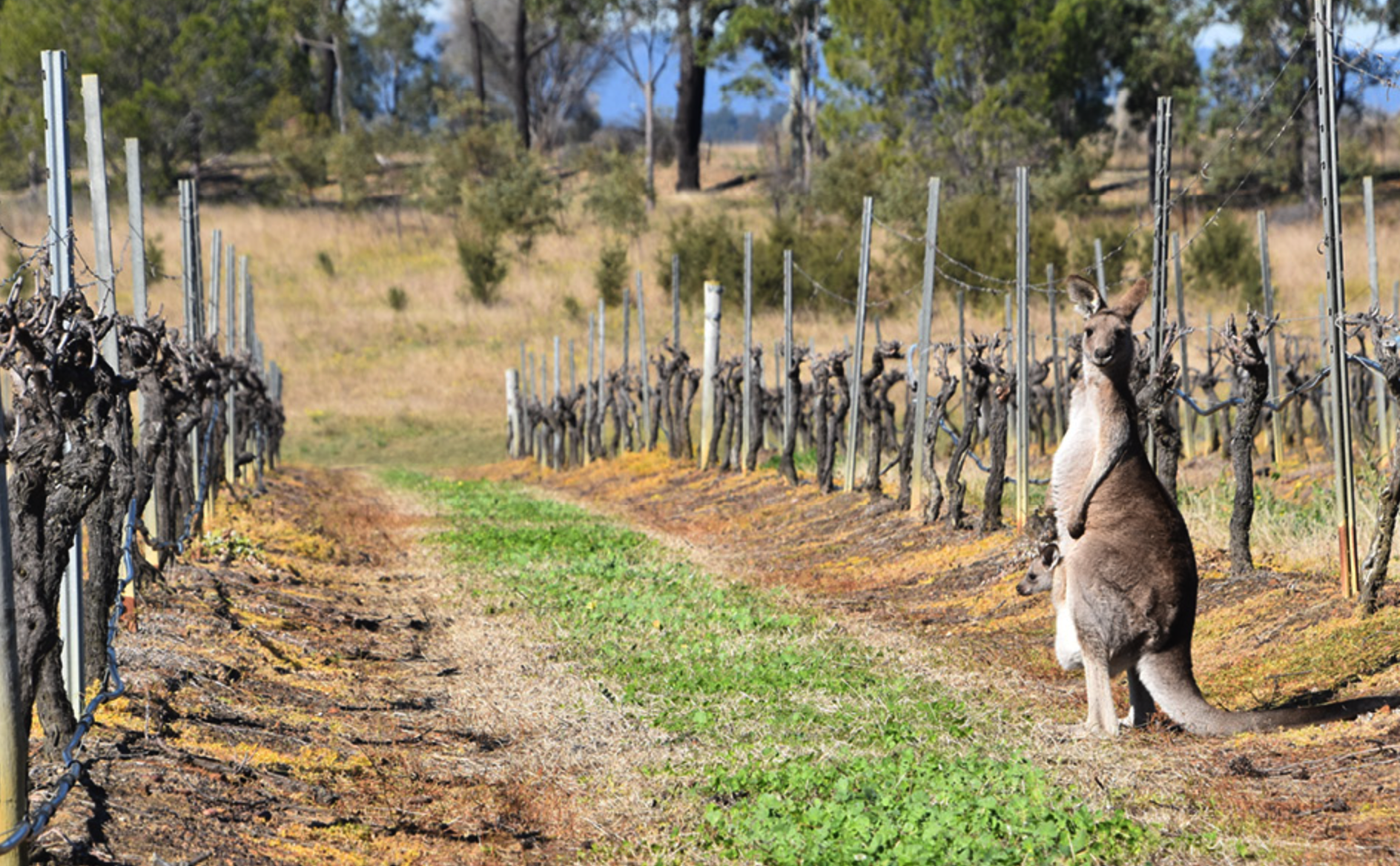
The Australian ‘Black Summer’ of 2019/20, which saw bushfires destroy swathes of vineyard land across the country was a dramatic reminder of the growing challenges facing winemakers around the world. We spoke to leading Australian winemakers and lab technicians to find out how agile decision-making is helping to deal with the consequences of global warming. Offering alarming proof of the escalating effects of climate change, in November 2019 bushfires blazed through New South Wales, scorching more than five million hectares of land following Australia’s hottest and driest year on record. In December 2019, the fires swept through the Adelaide Hills, destroying 650 ha of vines in the region, and wiping out entire vineyards. Making matters worse, the smoke from the fires was far-reaching, rendering vineyard plots from Canberra to the Hunter Valley useless. Ravaging an estimated 24.3 million hectares of land in total and destroying over 3,000 buildings, the September 2019
00

October 6, 2023
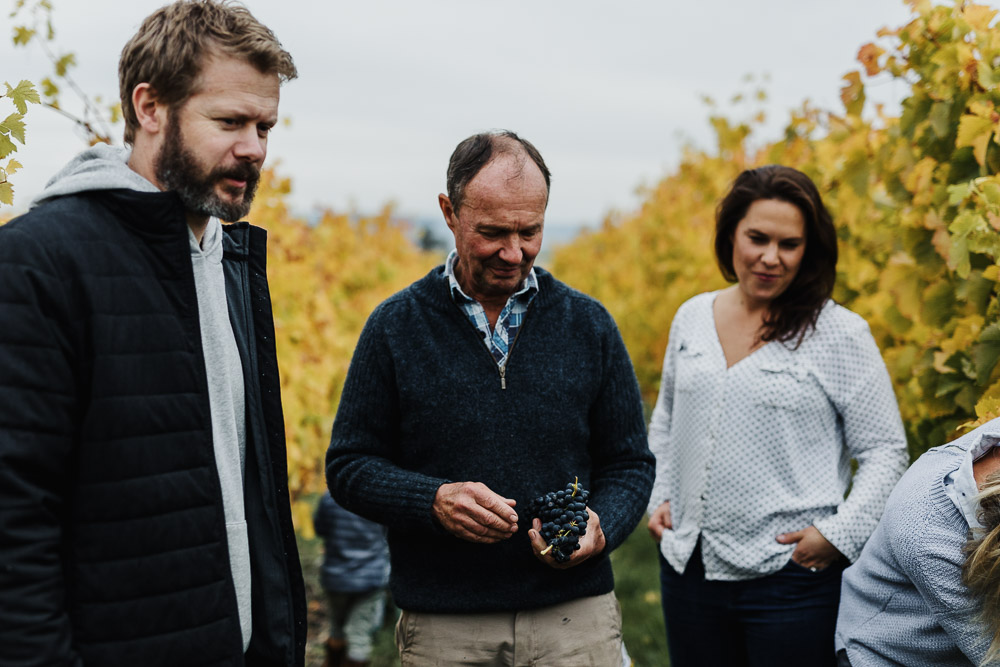
Tasmania Wins Its Fourth Consecutive Pinot Noir Challenge
October 5th - Which Australian wine region makes the best Pinot Noir? This is the question the annual Pinot Noir Challenge aims to uncover. Is it
00

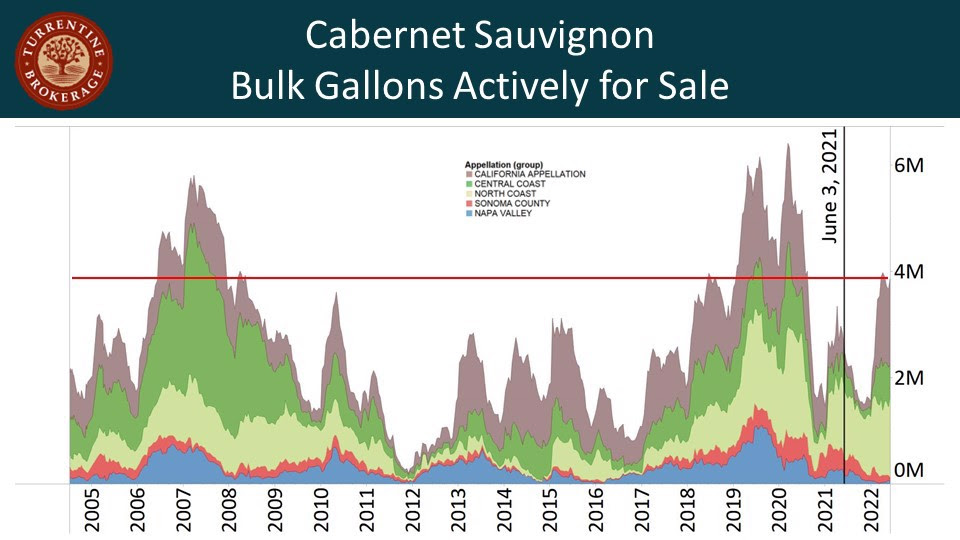
Decision-making on the sourcing of bulk wine and grapes continues to get more complex and difficult. April frosts in the Lodi/Delta, and in other regions of California to a lesser extent, added another challenging variable to the year. As of now, it appears the reduction in supply due to the frost affected Chardonnay and Pinot Noir in these regions the most. Time will provide a clearer picture of the 2022 crop size. In fact, recent crop projections are generally more positive than the initial forecasts after the frosts, but there is still uncertainty as to the extent of the damage. In the North Coast and other parts of California, the frost will likely have less of an impact. Bulk markets have slowed, returning to a more typical seasonal pace following 18 months of heightened demand, but still remain active. The typical spring slowdown is due to wineries assessing crop size and projected sales trends to inventories. It is more complicated this year for a few reasons. The first variable
00

by Steve Fredricks We are now well past a relatively uneventful and smaller harvest, particularly in the North Coast, mask mandates have been lifted in most areas, and on-premise sales continue to rebound. Overall, the industry seems to be a taking a collective deep breath to assess the current market dynamics, but remains unable to relax totally or look too far ahead. The market disruptors of Covid-based channel shifting on the consumer side and short crops from drought and fires on the supply side have been exacerbated by geo-political, supply chain, and inflationary issues. The net effect is that supply excesses are down and more in balance to demand. In many ways it feels like the market is more ‘normal’ than it has been for quite some time. At the same time, one must ask: Is this really a return to normalcy, or are we adapting to new normals? This issue will focus on what we are currently seeing in the bulk wine and grape markets, and will offer an early look at the So
00


Producers of many consumer products are comfortable selling online. Why not wine? Troly CEO Sebastien Tremblay shares perspective.
The global wine market is now facing the nightmare scenario many commentators have been warning about for well over a decade. Smaller producers must stop relying on tasting room visitors to find and convert customers. This treat became existential for a significant number of wineries with COVID forcing an abrupt end to the ongoing reliance on restaurant sales.
Low production volume prevents distribution
First, it’s important to understand that economies of scale are outstandingly difficult to achieve in the world of wine. Neither land nor capital are easily available to producers ― most of them around the world are small businesses. As a result, low volumes produced mean higher production costs per bottle, which in turn means broad retail distribution is economically out of reach. This leaves the most obvious approach on the table: direct sa
10