
Filter Post Type
NewsVideoProductEventLink
Sort:
Most Recent
1–10 of 22
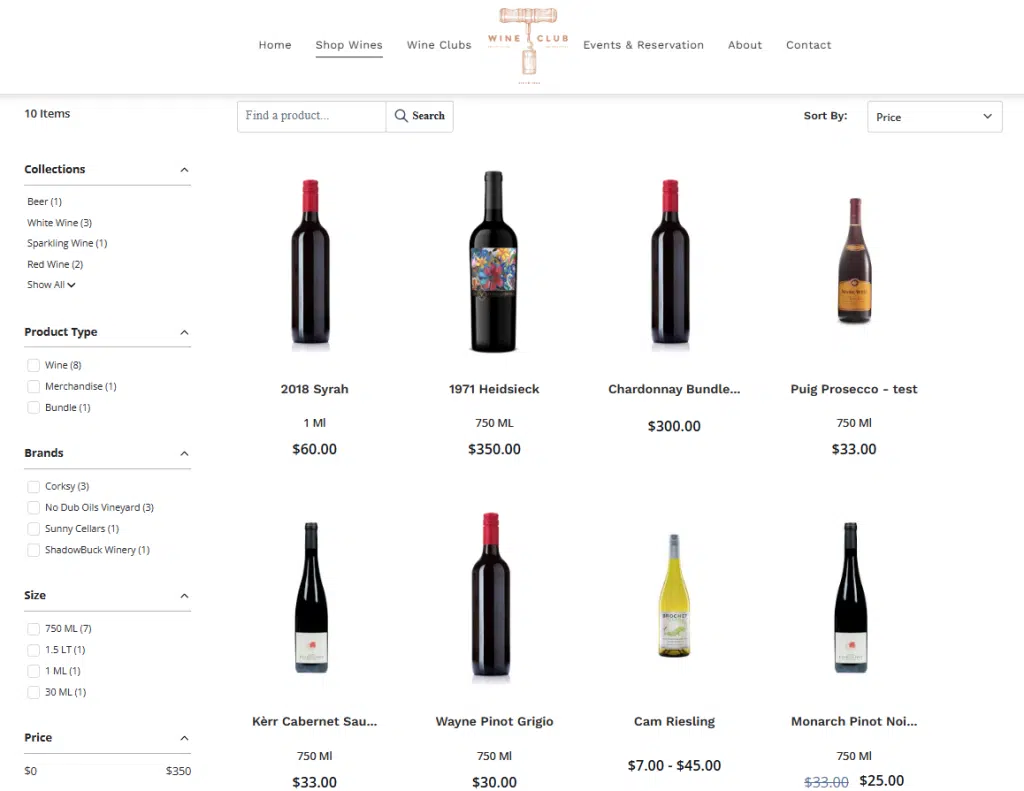
A few years ago at the DTC Wine Symposium, a panelist joked about the modern winery website formula: the guy, the dog, the truck, and the vineyard. Beautiful backdrop, strong lifestyle photography, a thoughtful founder story. Polished, absolutely. Strategically distinct, rarely. The critique wasn’t about branding. It was about structure. Most winery websites aren’t broken, but they aren’t built as decision environments either. Calls to action are unclear, revenue pathways are buried, shipping surprises appear late, and wine club often lives in isolation instead of throughout the buying journey. After auditing winery sites across regions and production sizes, the pattern is consistent: performance is constrained by friction, not effort. Most wineries don’t have a traffic problem. They have a conversion architecture problem. Before increasing ad spend or launching another promotion, run a winery website audit — on your phone. Start at the homepage and move t
00

Ten Ways Wineries Can Evolve From Selling Bottles to Creating Experiences That Resonate With a New Generation. If I told you a winery just opened with no vineyard, no winemaker on staff, and no interest in talking about terroir… would you visit? What if I told you it had a silent disco in the barrel room, a drag brunch series, and a 3-month waitlist for a zero-proof pairing menu? Those wineries exist. And they’re thriving. Because for a new generation of visitors, the wine isn’t the reason—it’s the reward. It’s not about what you pour anymore. It’s about how you make people feel. And we used to excel at this. But then we woke up one day… and it wasn’t working like it used to. The same offers stopped converting. The same messages started falling flat. The same visitors didn’t come back. And it’s not because we got worse at what we do. It’s because the customer changed. What they want. How they behave. Where t
00
October 22, 2025
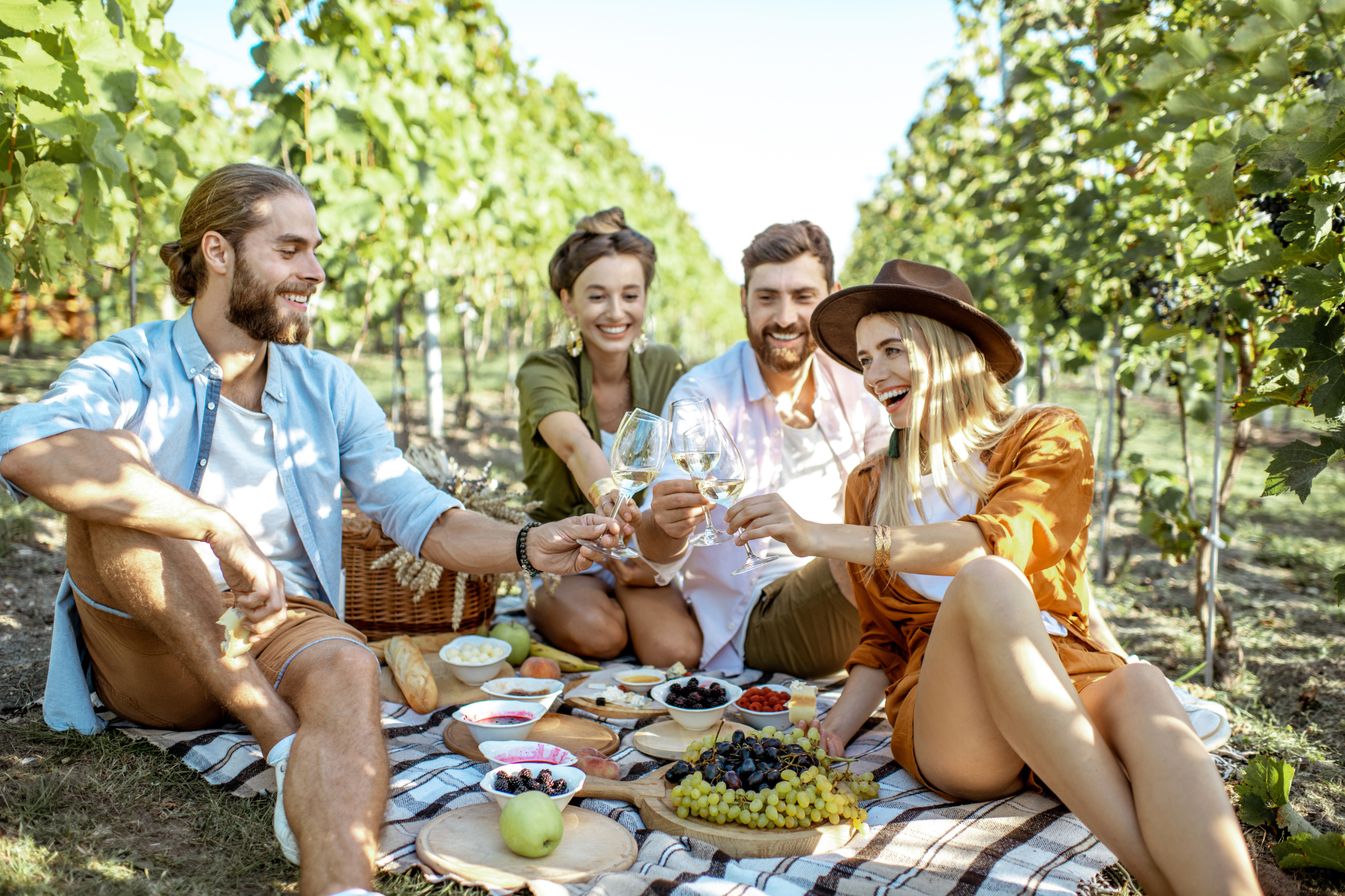
Over the past few years, wineries have seen tasting room visits decline as consumer habits shift. With more options than ever, visitors are looking for something special—experiences that go beyond just sampling wine. For many wineries, this means rethinking how they engage guests and creating a place people want to come back to. This guide explores how wineries across the country are turning their tasting rooms into destinations—balancing local charm, modern convenience, and genuine hospitality. Create Unique, Social Experiences In today’s market, wineries that stand out provide more than just a tasting—they create memorable, shareable experiences that make guests want to stay longer and come back. Enhancing the Atmosphere with Music: Music adds energy and can make an ordinary tasting feel like an event. Hosting live music, whether it’s a local band or acoustic performer, brings people together and keeps them engaged. Many wineries schedule music on weeke
00
9 proven strategies to maximize Your October, November, December revenue October, November, and December (OND) are the biggest sales months of the year for your business, and if done right, not just for short-term gains. This is your prime window to capture new customers, increase average order value, and build relationships that carry into the new year. For many beverage alcohol businesses, OND can represent 30–40% of annual sales. The reason? Peak holiday spending meets perfect timing, gatherings, corporate gifting, and a growing preference for wine purchases create a massive opportunity. The businesses that win the season don’t just survive the rush, they plan ahead, market smart, and execute flawlessly. 1. Start early and build holiday momentum While many of the sales will take place in OND, August and September are nearly the most important months as this is when your planning and preparations take place. Suggested timeline: August:
00
August 7, 2025
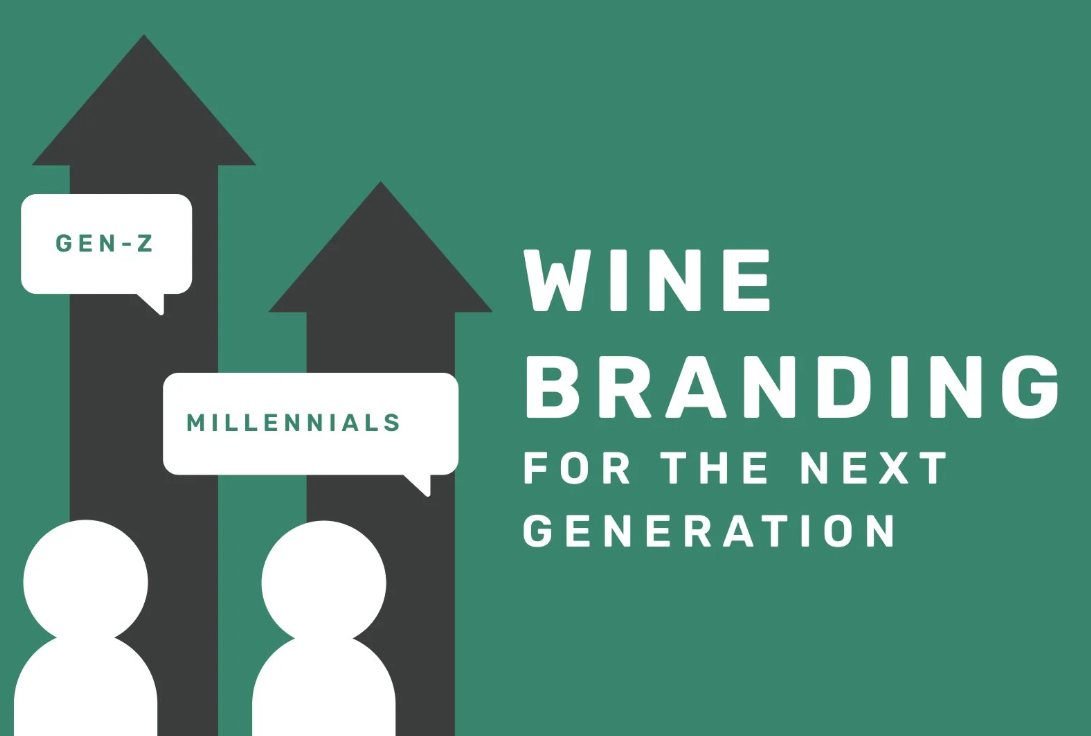
The wine industry is facing a demand reset. For decades, wineries could count on an audience to buy based on tradition, prestige, and a deep love for the nuances of terroir. But that audience is aging out. The next generation of wine drinkers—Millennials and Gen Z—aren’t just looking for a great bottle. They’re looking for experiences, identity, and values. This isn’t a small shift. It’s a fundamental change in how and why people buy wine. The wineries that adapt will thrive. The ones that don’t? They’ll be wondering why their sales keep slipping. Let’s break down what matters to these younger consumers—and how wineries can shift their branding to meet them where they are. Millennials Buy Experiences, Not Just Wine Millennials (born 1981–1996) grew up in a world where owning things became less important than experiencing things. Travel, concerts, pop-ups, exclusive tastings, and curated events—these are
00
June 11, 2025
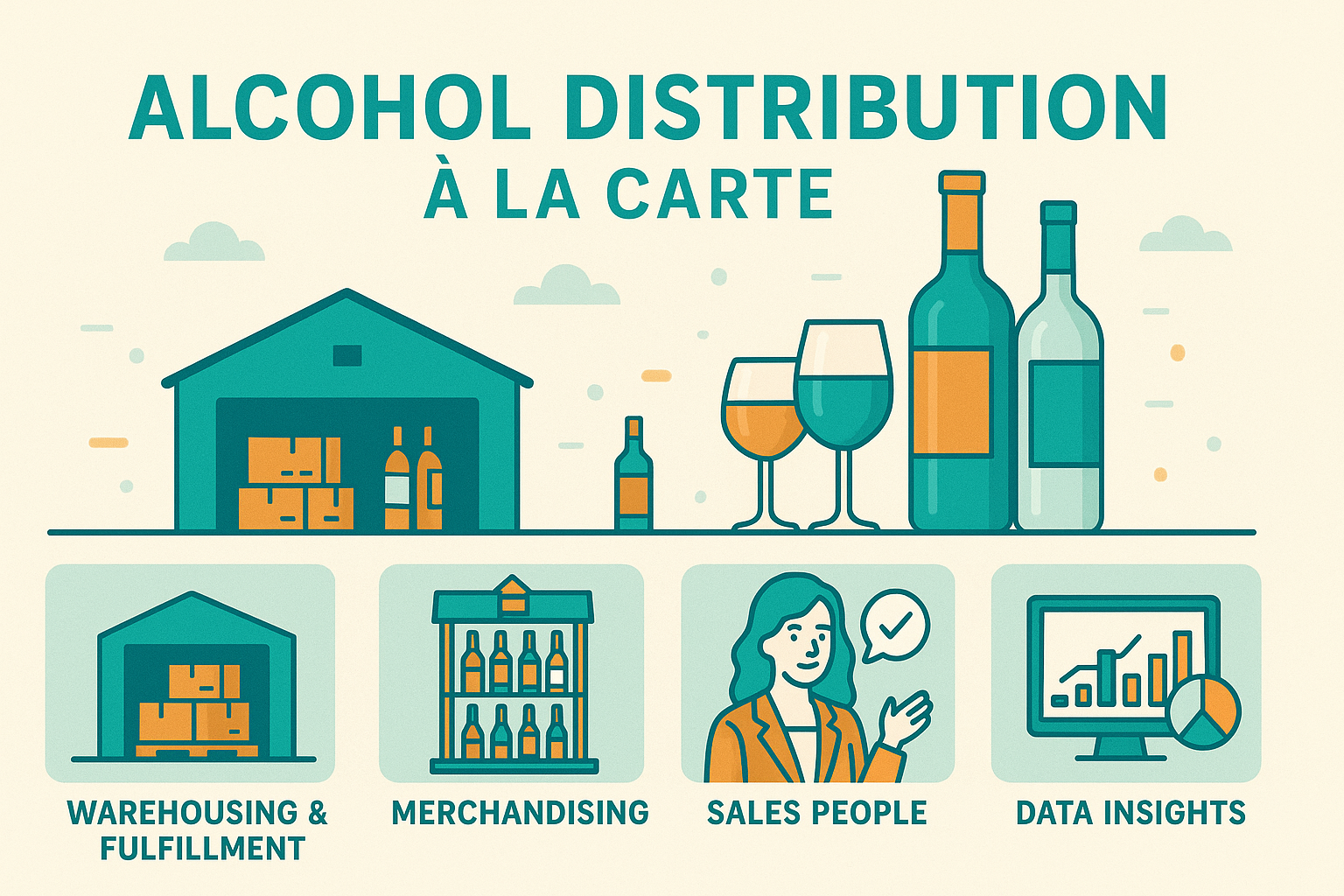
In today’s evolving alcohol industry, one-size-fits-all distribution no longer works for every brand. Consolidation across the three tiers, shifting priorities at large distributors, and increasing demand for control and flexibility have changed the game—especially for small to mid-sized wine and spirits suppliers. At LibDib, we believe in doing things differently. We give suppliers the tools to build their own route to market with Distribution à la Carte—meaning, you only pay for the services you need. No outdated programs, no hidden fees, no monthly minimums. Just distribution, on your terms. What Is “Distribution à la Carte”? Put simply, it’s the idea that you choose your route to market. LibDib offers a full-service, licensed distribution platform in 18 key markets, including California, our flagship state. We have the infrastructure, tech, and partnerships to support all kinds of go-to-market strategies—but we don’t req
00
May 7, 2025
Seasonality isn’t just about weather; it’s about mindset. Your customers’ buying habits shift with the seasons, and the wineries that understand how to tap into those rhythms are the ones that thrive. From cozy winter nights to sun-soaked summer afternoons, each season offers unique opportunities to connect with your audience, tell your story, and drive wine club sign-ups. But here’s the truth: seasonal promotions don’t work if they’re slapped together at the last minute. A well-planned campaign, anchored by your website and supported by social media and paid media, can turn slow months into sales booms and casual visitors into loyal club members. The Seasons Are Already Telling a Story Each season comes with its own energy, its own needs, and its own story. Your job is to align your campaigns with those rhythms, tapping into the emotions and experiences your customers are already craving. Winter: Comfort, warmth, and togetherness. Think bold reds,
00

With no and low-alcohol categories on the rise and the sober-curious boogeyman around every corner, we needn’t wait for rock bottom to take a hard look at our sales strategy and make a change today. While much of the wine & spirits industry points the finger at Gen Z & Millennials, the World Health Organization or the Surgeon General, the truth is there’s only one entity responsible for the trajectory of our revenue. According to Navy SEALs Jocko Willink and Leif Babin in Extreme Ownership, when “problems feel overwhelming and insurmountable . . . it’s our human nature to shift blame, find excuses, and avoid consequences. But taking ownership over what went wrong and accepting the reality of the situation gives you complete control over how you can solve these challenges.” Trying to sell alcohol in 2025 is tough. Plain and simple, no way around it. With that acknowledged, let’s explore what we can do about it. A Sign of
00
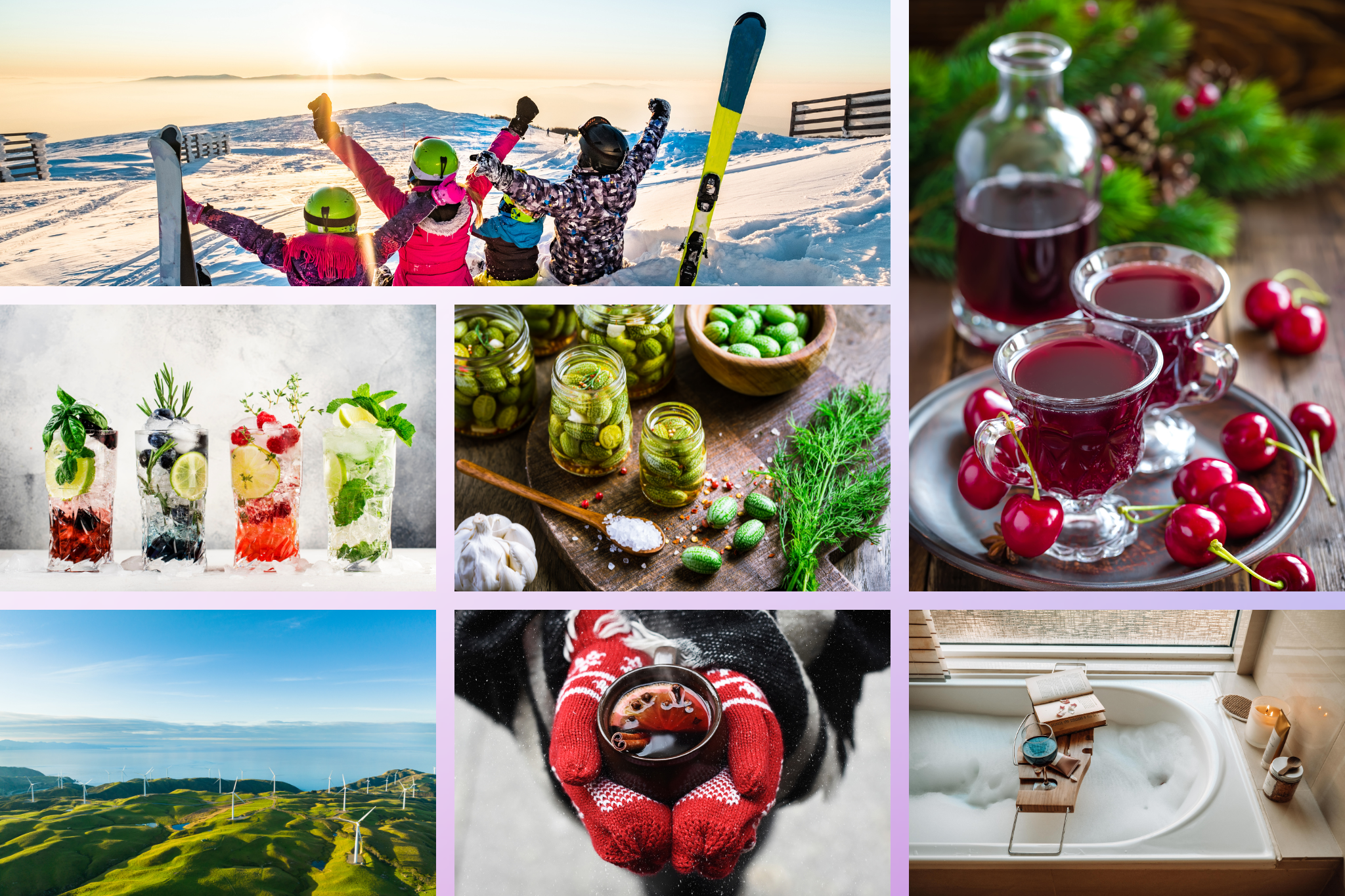
Every year, Pinterest Predicts drops its trend report, and this year’s insights are bigger than just what’s trending on the platform—they reflect broader cultural shifts that wineries can tap into across their marketing, experiences, and product development. With Pinterest’s track record of predicting trends with 80% accuracy, these insights are worth paying attention to, not just on Pinterest but across platforms like Instagram and TikTok, and even in your tasting room. Here’s how wineries can creatively use these 2025 trends to attract attention, engage audiences, and stay ahead of the curve. Why Pinterest Trends Matter for Wineries Trends aren’t just fleeting moments—they shape what your customers are looking for and how they connect with your brand. Pinterest isn’t just a visual discovery platform; it’s where people go to dream, plan, and shop. With over 500 million monthly users, it’s a massive pool of inspiration.
00
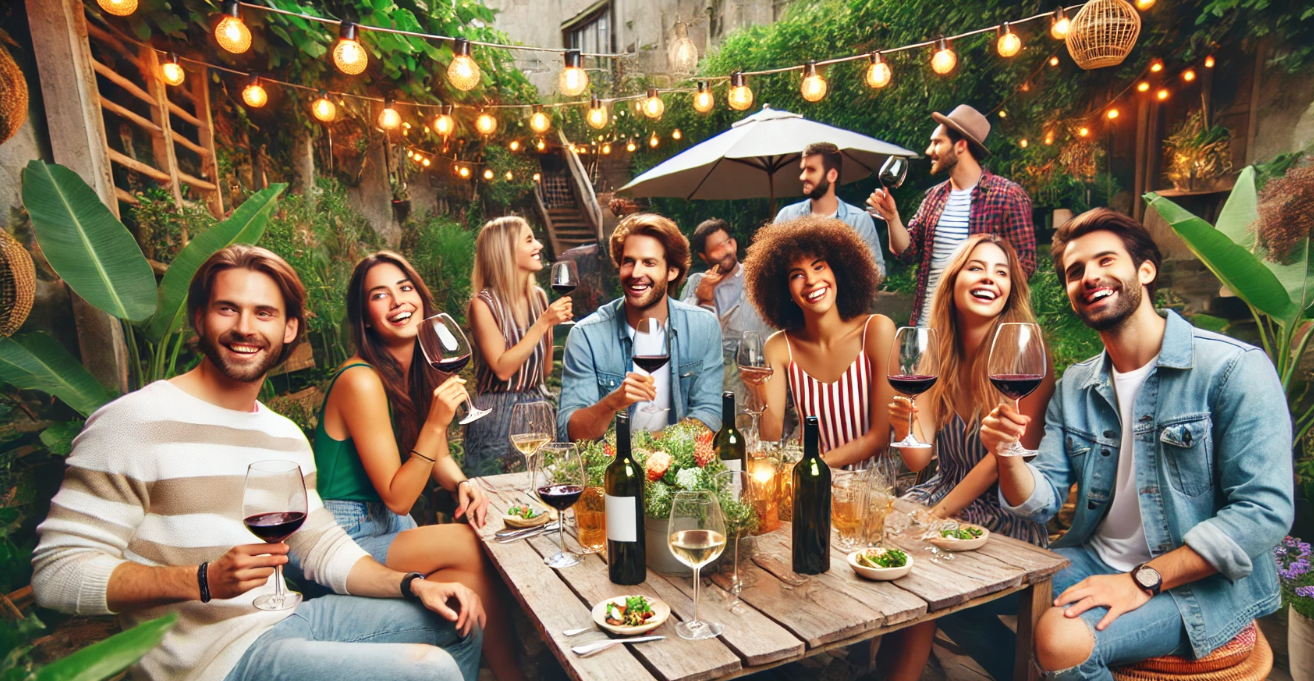
The wine industry is steeped in tradition, but let’s be real—it’s time to shake things up. Younger demographics aren’t buying into the same old wine marketing tricks or outdated experiences. Want to grab their attention (and their dollars)? Then it’s time to think bold, fun, and modern. You Don’t Have to Do It All—Start Small and Stay True to Your Brand Attracting younger wine lovers doesn’t mean you need to overhaul everything or abandon your roots. Instead, consider making a few strategic shifts that align with your brand. Maybe your website keeps the traditional tasting notes, but you have fun with social media. Maybe your weekends are reserved for 21+ reservation-only tastings, but your weekdays are more relaxed and family-friendly. The key is finding what works for you and your audience. Now, let’s dive into some ideas. 1. Flex Your Wine Club Options Your wine club isn’t working for everyone. Sure, your loyal members lov
10