
Filter Post Type
NewsVideoProductEventLink
Sort:
Most Recent
1–10 of 47

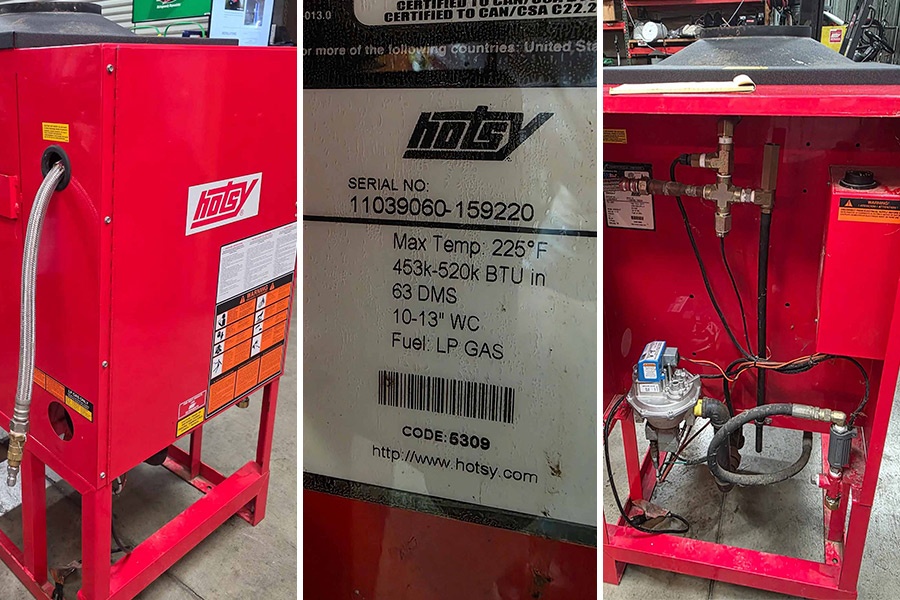
Upgrade Your Cleaning Game Now available: Used Hotsy 9452 Hot Water Heater (9400 Series, LP Fired) — a practical solution for wineries looking to improve sanitation efficiency and cleaning performance in the cellar. The Hotsy 9400 Series is designed to convert cold water systems into high-performance hot water cleaning setups, making it significantly more effective at removing tartrates, residues, and buildup in tanks, lines, and production areas. With high output capability and industrial-grade durability, systems like this are a valuable addition for wineries focused on maintaining quality and operational efficiency. View Listing The WIN Marketplace is built to connect buyers and sellers across the wine industry, and equipment listings like this Used Hotsy 9452 Hot Water Heater highlight how the platform helps wineries access practical tools that support efficient cellar operations. Designed to convert cold water systems into high-performance hot water cleaning solutio
00

April 3, 2026

Top Line Water is one of the most critical—and increasingly scrutinized—resources in modern winemaking. From cleaning tanks and floors to maintaining oak barrels, cellar operations can consume thousands of gallons daily. With rising sustainability expectations and operational costs, reducing water use is not just good for the environment, it is good for business. Water conservation is becoming an issue in modern winemaking. In the past, much of the conversation centered around vineyard irrigation. Today, one of the most overlooked areas of water consumption occurs in the cleaning and maintenance of barrels. Small efficiency improvements per barrel can translate into thousands of gallons saved per year in your operation. The Challenge Traditional oak barrels, while prized for the unique flavor addition and maturation with O2, also come with a significant sustainability issue: water usage. Cleaning and sanitizing an oak barrel typically require several high-impact water even
00

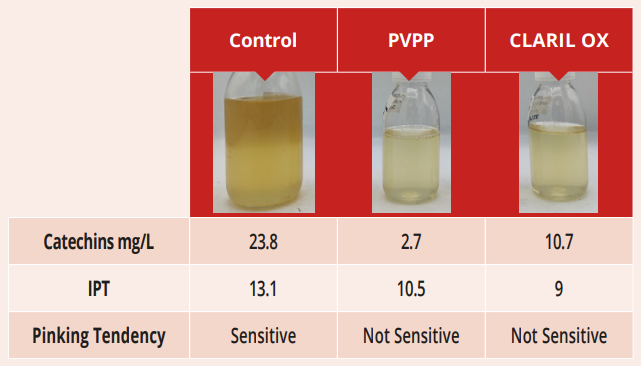
When it comes to fining wine, many traditional fining agents remove a broad spectrum of compounds that can often lead to stripped, less expressive wines. The CLARIL range from Enartis is focused on selective fining, which targets the specific compounds that cause instability and other faults, while preserving the integrity and quality of the wine. The CLARIL range offers precision solutions for an array of issues, including: Preventing and Treating Oxidation – CLARIL OX A natural alternative to PVPP, it acts with exceptional selectivity to target only the compounds responsible for pinking and browning. Its use during fermentation extends shelf-life while preserving color, freshness, and aromatic complexity. Metal Concentration Reduction – CLARIL HM A blend of PVI-PVP and chitosan, CLARIL HM provides antioxidant protection by removing metals that catalyze oxidation reactions such as copper and iron. Smoke Taint and Other Off-Aromas – CLARIL SMK Developed to eliminate
00

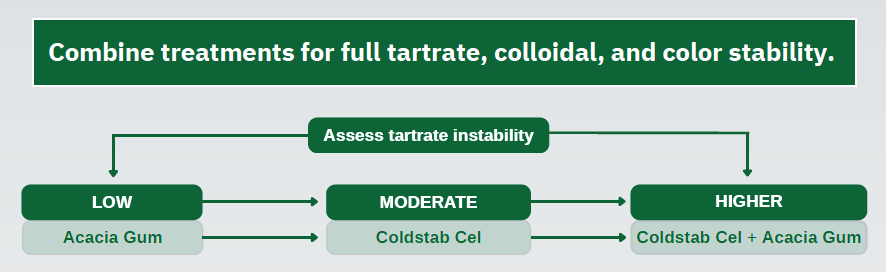
Tartrate stabilization helps keep wines bright, clear, and free of the “wine diamonds” that consumers often perceive as a flaw. While traditional cold stabilization works, it can be time- and energy-consuming, and can affect aromatics and flavor. Today, there are smart, innovative stabilization solutions that eliminate the need for chilling while protecting wine quality and making cellar work easier. Carboxymethylcellulose (CMC) CMC is a cellulose-based solution that acts by interfering with crystal growth. While traditional stabilization induces crystal formation, CMC prevents them from developing in the first place. It provides reliable stability without chilling and helps preserve pH, aroma, and flavor. CMC is a strong choice for white and rosé wines where clarity and freshness are priorities. Acacia Gum Acacia gum, made from the sap of Acacia trees, coats the tiny tartrate particles so they cannot grow into visible crystals. It also helps protect color, making it
00
This webinar focuses on tartrate stabilization and sustainable solutions that not only guarantee wine stability but also contribute to the overall quality of the wine while keeping production costs in check.
00


Dear Customer, As bottling season approaches, we’re here to support you with specialized testing services and essential products to ensure your wine is at its best. Important Details for Testing Services: These tests are not included in your subscription pricing; individual pricing is listed below. Each test requires a separate sample, with specific volume requirements. Please label your samples clearly with the test name. For Turbidity (NTU) and Brettanomyces testing, ensure you write "NTU" or "Brett" on the sample tube cap and label for streamlined processing. Available Tests and Pricing: Stability Testing (Please complete the Stability Test Request Form) Heat Stability Test: $20/sample (250 mL sample required) Bentonite Fining Trials: $75/sample (750 mL sample required) Note: These trials take 3 days and will start the following Monday if submitted after noon on Thursday. Davis Conductivity Test: $30/sample (375 mL sample required) DIT – Degree o
10


Maintaining wine balance in a changing climate Climate change is reshaping the wine industry. In many wine regions, each year seems to set new records for the hottest or driest growing season, followed by the earliest harvest dates yet. Such accelerated ripening is disrupting grape physiology; phenolic and aromatic development fall out of sync, sugar levels soar, and acidity drops away (1). So how can we adapt and build a more resilient wine sector? The answer to this question is multifaceted. In the vineyards, grape growers are rethinking their management practices, adjusting canopy architecture, introducing shading or optimising irrigation (1,2). Some are reaching for higher altitudes or moving further from the equator in search of cooler conditions (1). Others are trialling alternative heat- and drought-tolerant varieties, from long-forgotten cultivars to newly bred plant material. In the cellars, winemakers may turn to pragmatic solutions such as dilution or blending strategi
00
Achieving tartrate stability is critical for delivering wines that hold up in bottle and on the shelf. One tool that has become increasingly popular for this purpose is carboxymethyl cellulose (CMC), but not all CMCs perform the same. Understanding how CMC works, and how to properly use it, can help you avoid hazes, filtration issues, and color instability. How CMC Prevents Crystal Formation CMC helps prevent potassium bitartrate (KHT) crystals from growing by binding to the crystal surface. It does this through electrostatic attraction between the negatively charged carboxymethyl groups in CMC and the positively charged surface of the KHT crystals. The strength of this interaction depends on the molecular structure of the CMC, meaning that different CMCs vary in their effectiveness. Protein Stability: A Crucial First Step Some CMC products, particularly those with longer polymer chains, can interact with proteins in wine and cause hazes. Protein stability must be confirmed before any
00


New Article: Winemaking Mannoproteins 101 Why Mannoproteins? Traditional lees stirring releases a broad range of mannoproteins from yeast cell walls, many of which can influence wine quality. While their primary function is to support colloidal stability, many winemakers also report additional benefits, such as improved mouthfeel and other enhanced sensory attributes. Selected mannoprotein preparations deliver this effect with greater precision. Selective & Targeted Unlike natural lees aging, purified mannoproteins are isolated for specific colloidal stabilizing benefits. Effective & Practical It can be added at specific stages without the need for extended aging or frequent stirring. Consistent & Controlled Provide reliable results without the variability of prolonged lees contact. READ THE FULL ARTICLE Featured Mannoproteins CLARISTAR® is a specialized mannoprotein for cold stability that prevents tartrate precipitation without refrigeration. FINAL TOUCH P
00
March 5, 2025
As bottling season approaches, we’re here to support you with specialized testing services and essential products to ensure your wine is at its best. Important Details for Testing Services: These tests are not included in your subscription pricing; individual pricing is listed below. Each test requires a separate sample, with specific volume requirements. Please label your samples clearly with the test name. For Turbidity (NTU) and Brettanomyces testing, ensure you write "NTU" or "Brett" on the sample tube cap and label for streamlined processing. Available Tests and Pricing: Stability Testing (Please complete the Stability Test Request Form) Heat Stability Test: $20/sample (250 mL sample required) Bentonite Fining Trials: $75/sample (750 mL sample required)Note: These trials take 3 days and will start the following Monday if submitted after noon on Thursday. Davis Conductivity Test: $30/sample (375 mL sample required) DIT – Degree o
00