
Filter Post Type
NewsVideoProductEventLink
Sort:
Most Recent
1–10 of 148
May 6, 2026
Let's jump right in. Here are the Top Takeaways from Last Week’s Tasting Room Data Webinar: Your winery’s WISE Triple Score is ready right now within Enolytics. Even if you aren't already a WISE customer, you benefit from this opportunity. +10% revenue, 27 fewer open days. Big Cork Vineyards eliminated Thursdays and Mondays from their schedule this year — 27 open days gone — and still came in over 10% above last year’s revenue. How? Keep reading to see! 87% improvement in guest account usage. Domaine Drouhin Oregon launched the RedChirp guest check-in QR code on April 10th. By April 27th — just 17 days later — guest account usage had improved by 87% across nearly all associates. 25% of expected crop, 100% of the planning challenge. Big Cork normally brings in 200 tons from their Maryland estate. This year’s frost dropped that to roughly 60 tons — forcing an immediate pivot in distribution strategy, wine club fulfillment, and inventory allocation. We just wrapped one of our most ene
00

May 6, 2026
Coursey Graves had been operating Commerce7 for several years, but its potential was largely untapped. Once they paired a modern digital marketing approach with a high-converting website, and began using Commerce7 more intentionally as the backbone for reservations, segmentation, and customer data, they were able to move quickly, test what was working, and turn insight into real growth. We recapped all of it — every tactic, every tool, every lesson learned — in a full blog post. Read it here: https://hubs.li/Q04fB7SK0
00
April 30, 2026

The wine market is no longer simply in a slowdown – it is in structural correction.
Distribution routes are tightening, consumer behavior is shifting, and the assumptions many wineries relied on even two years ago no longer hold. Wholesale channels that once provided stable revenue are consolidating or disappearing. Tasting room traffic has become inconsistent. Consumer loyalty has weakened.
This isn’t temporary turbulence. It’s a fundamental reshaping of how wine reaches customers and which wineries succeed in doing so.
Winery owners are facing hard questions: Should I double down on wholesale or pivot to direct-to-consumer? Do I chase new customer segments or deepen relationships with existing ones? The challenge isn’t a lack of options. It’s knowing which move to make first when resources are tight, and the margin for error is slim.
The Distribution L
00
Event Type: Webinar
Date: 4/17/2026
Join the C7 team and Digital Marketing Strategist Sue Wollan Fan on April 17 at 10am PT/1pm ET for a behind-the-scenes look at how Coursey Graves Estate Winery sharpened its digital marketing strategy and used Commerce7 tools to drive more visits, increase club signups, and grow overall revenue. Register Now
00
April 9, 2026
Advantages of early AI search visibility for wineries and how-to system for achieving results. AI is quickly becoming the first place consumers turn when deciding what wine to buy, which winery to visit, and what experiences are worth their time. For wineries, this shift represents more than a new marketing channel. It is a fundamental change in how discovery, consideration, and purchase decisions are made. The key insight: AI search visibility compounds over time. Wineries that invest early in being visible, understandable, and trusted within AI-driven search environments gain a measurable advantage that grows. Each mention, citation, and recommendation strengthens future visibility, creating a flywheel effect that late adopters will struggle to match. This is not about quick wins or isolated tactics. It is about building a durable presence across the digital ecosystem that AI systems rely on to generate answers. As these systems learn from consistent signals, brands that show up earl
00

From hospitality-driven visitation to loyalty and strategic partnerships, the Wine Sales Symposium explores where revenue growth is coming from now The path to winery growth looks different than it did even a few years ago. Today’s most successful wineries are not relying on a single channel or a single tactic. Instead, they are building growth through a combination of stronger customer experiences, deeper retention strategies, and brand partnerships that extend reach beyond traditional wine audiences. At this year’s Wine Sales Symposium, several sessions will explore how these shifts are reshaping sales and marketing strategies across the industry. One of the most important changes is happening in hospitality and visitation. Consumers—especially Millennials and Gen Z—are increasingly choosing experiences that feel personal, memorable, and aligned with their identity. For wineries, that means visitation is no longer simply about tasting wine; it’s about de
00
Why Wineries Need Influencer Marketing Now Here's a number that should reshape how you think about marketing: 69% of consumers trust influencer recommendations more than information coming directly from a brand That's not a slight edge. That's a fundamental shift in how people decide what to buy. For wineries, this matters more than it does for most industries. Wine is a considered purchase wrapped in uncertainty. Your potential customer is standing in a tasting room or scrolling through an online store, wondering: Will I like this? Is it worth the price? Am I making the right choice? Influencer content answers those questions in ways traditional marketing cannot. When a trusted voice says "I tried this Pinot and it's incredible with grilled salmon," that carries weight. It's a peer recommendation disguised as content. Instagram and TikTok now drive wine discovery among younger audiences, and 87% of Gen Z consumers say they're willing to buy products
00
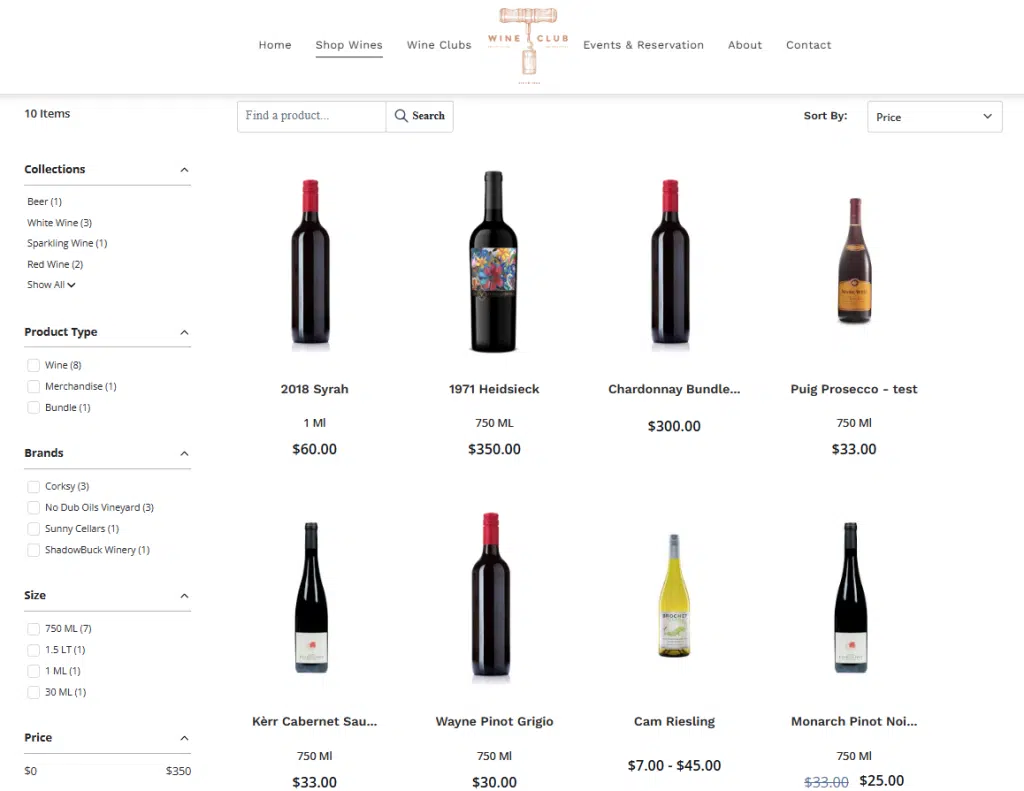
A few years ago at the DTC Wine Symposium, a panelist joked about the modern winery website formula: the guy, the dog, the truck, and the vineyard. Beautiful backdrop, strong lifestyle photography, a thoughtful founder story. Polished, absolutely. Strategically distinct, rarely. The critique wasn’t about branding. It was about structure. Most winery websites aren’t broken, but they aren’t built as decision environments either. Calls to action are unclear, revenue pathways are buried, shipping surprises appear late, and wine club often lives in isolation instead of throughout the buying journey. After auditing winery sites across regions and production sizes, the pattern is consistent: performance is constrained by friction, not effort. Most wineries don’t have a traffic problem. They have a conversion architecture problem. Before increasing ad spend or launching another promotion, run a winery website audit — on your phone. Start at the homepage and move t
00
March 4, 2026
Event Type: Webinar
Date: 3/19/2026
In this free, one-hour webinar, you’ll hear from industry experts and top-performing peers who are using data to grow their outbound sales. We will share growth tools for building high-performing, hyper-segmented lists without spending hours creating segments or exporting and importing spreadsheets. You’ll learn to use predictive analytics tools to anticipate when customers are likely to purchase again, and send them relevant offers they are interested in. And we will share key integrations that both speed the outreach process and drive greater campaign ROI. You do not need to be an Enolytics client to sign up for this webinar, and any DTC winery leader or operator can benefit from the tools and tactics presented. If you’re ready to sell more wine through your outbound sales channel, sign up below. We can’t wait to see you there. Thursday, March 19, 11:00am - 12:00pm (PDT) RSVP
00
March 2, 2026
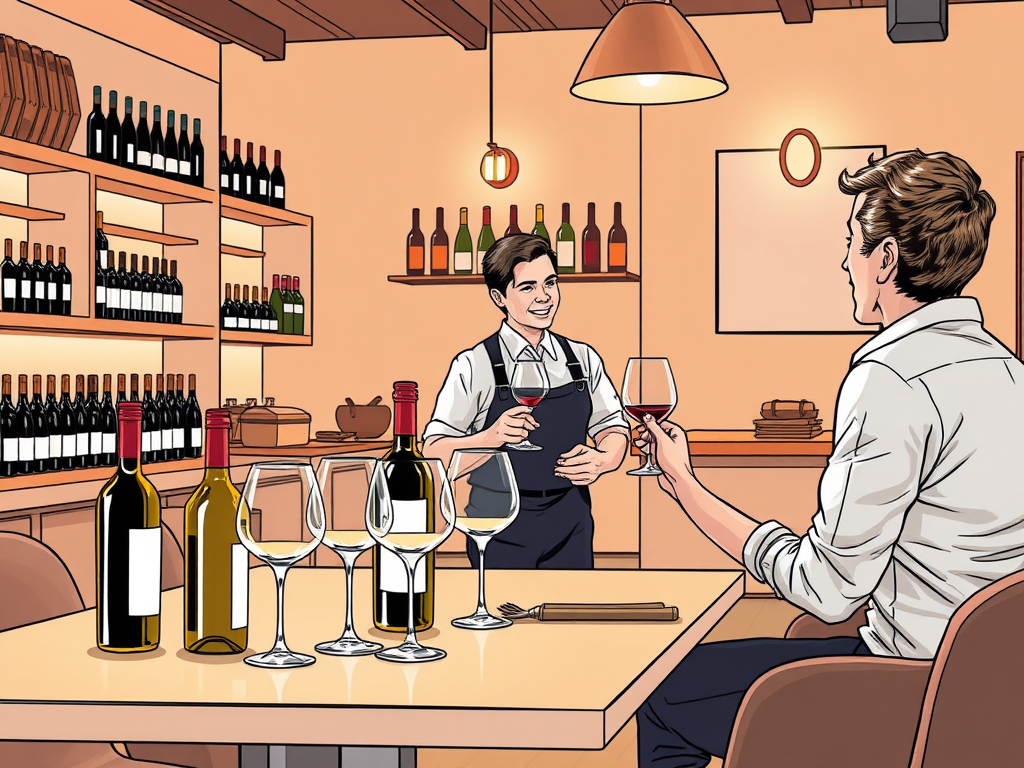
We call it a Tasting Room, when it’s really a Sales Room. Why is that? After the repeal of Prohibition in 1933, wineries re-opened in an environment where the government was highly suspicious of any and all alcohol sales. On-premise consumption was restricted and considered the purview of saloons, which were vilified during the years of Prohibition. So, to comply with laws and distinguish themselves as places of refined moderation, wineries leaned into “tasting,” not drinking. The Tasting Room became the winery’s sales room. Over the decades, tasting rooms have become places of hospitality, education, and increasingly, dinner (or lunch). Along the way, the primary role of the tasting room—to form a connection with the consumer for the purpose of selling wine—got lost. Now, I recognize that I’m being hyperbolic here. In the contracting market we’re living in, too many wineries are focusing only on the hospitality aspect. They need to lean
10