
Filter Post Type
NewsVideoProductEventLink
Sort:
Most Recent
1–8 of 8
October 9, 2025
In California, water scarcity is an ever-growing concern, and as droughts become more frequent, it’s vital that our landscapes adapt. At Allen Land Design, we’re passionate about creating outdoor spaces that not only look beautiful but are also resilient and sustainable. When designing landscapes for wine country or any drought-prone region, the goal is to choose plants, materials, and techniques that conserve water while enhancing the beauty and functionality of the space. Xeriscaping—the practice of using drought-tolerant plants and water-efficient design—is the cornerstone of sustainable landscaping. Plants like lavender, succulents, and ornamental grasses are perfect for the dry conditions of Sonoma County, adding texture, color, and movement without relying on excessive water. One of our favorites, the California native sage, is not only stunning with its silvery leaves but is also a magnet for pollinators, helping support local wildlife. Beyond plant
00
May 20, 2025
Sonoma County is home to a remarkable array of native plants, each contributing to the rich tapestry of our local ecosystems. These plants are not only beautiful but also play a critical role in sustaining the health of our environment. From the rugged coastal ranges to the sun-soaked valleys of wine country, Sonoma’s native plants have evolved to thrive in our Mediterranean climate—making them ideal for sustainable and low-maintenance landscaping. Native plants are uniquely adapted to the soil, rainfall, and temperature of their home region. This means they require less water, fewer chemical inputs, and minimal maintenance compared to non-native species. In landscaping, that translates to less work for property owners and more harmony with the environment. Seven Native Plants Ideal for Sonoma County Landscapes 1. California Poppy (Eschscholzia californica) Hearty as they are iconic, our state flower thrives in full sun and well-drained soil. Its bright orange blooms are a
00

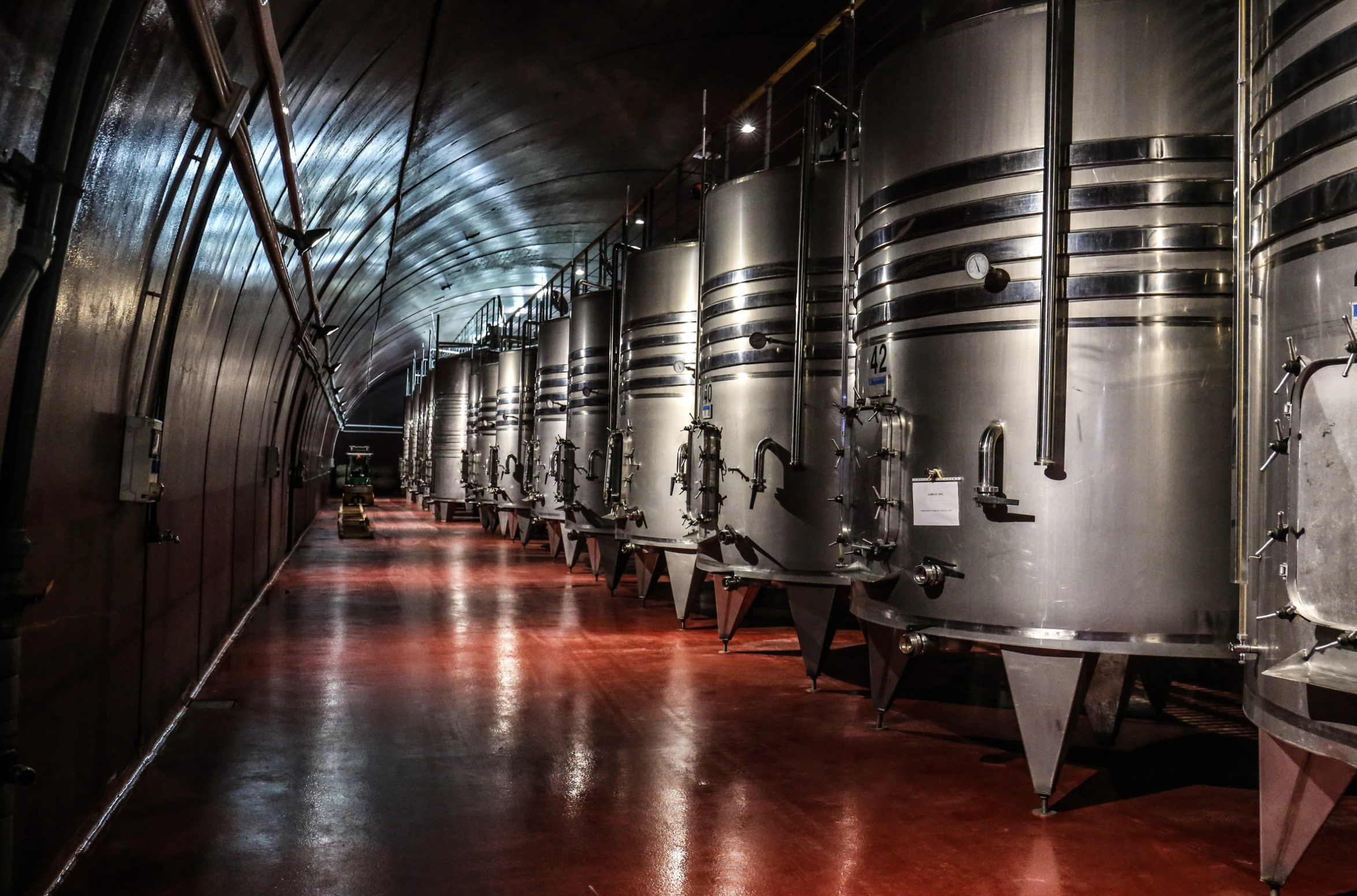
Businesses like wineries, breweries, and other manufacturers with high-strength wastewater streams generate specialized effluents. Since no two facilities or wastewater streams are exactly alike, they require proper treatment solutions tailored to their specific needs. Specialty Treatment Solutions (STS) is an industry leader in providing custom engineered wastewater treatment solutions for specialized commercial and industrial applications. We provide optimal wastewater treatment designed around the specifications of each client’s site and business needs while enhancing sustainability and meeting compliance standards. Why Is Custom Wastewater Treatment Important? Custom water treatment systems are crucial for effectively managing high-strength industrial wastewater streams with fluctuating loads and unique characteristics. They are designed around the specific treatment requirements, capacity needs, site layout, and sustainability goals of each facility. One-size-fits-all appro
00
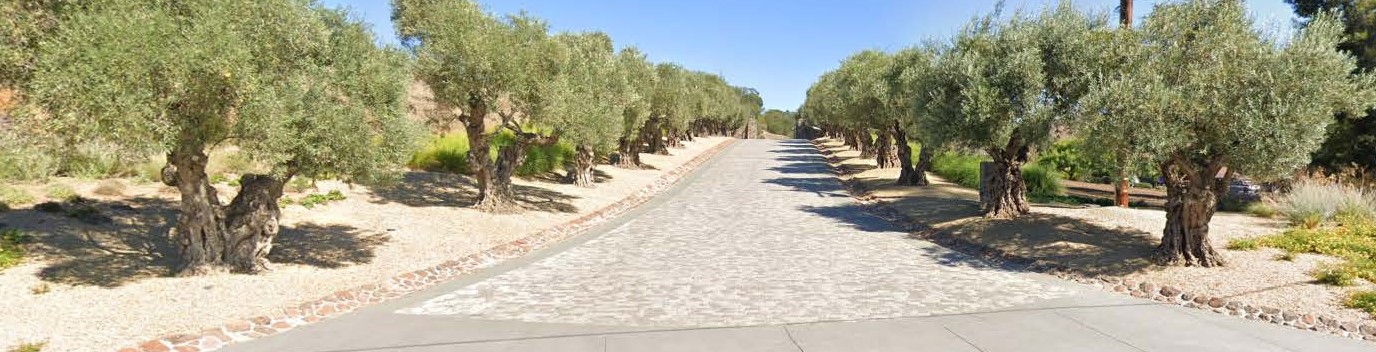
In Sonoma County Wine Country, olive trees are more than just a stunning addition—they symbolize resilience, sustainability, and timeless beauty. Thriving in our climate, these drought-tolerant trees require little water once established, making them an ideal choice for landscapes focused on conservation and longevity. At Allen Land Design, we see olive trees as more than just a striking feature; they’re an embodiment of our commitment to sustainability and respect for the land. These trees are deeply connected to the soil, their strong roots preventing erosion and helping to preserve the integrity of the land. Their shimmering silver-green leaves and gnarled, weathered bark not only evoke a sense of serenity but also provide shade, privacy, and year-round beauty. Whether planted as a solitary statement piece or as part of a larger grove, olives enhance your landscape while nurturing the environment. For wineries and private estates, olive trees offer a unique opportu
00
Healthy and Vibrant Landscapes Inspire Healthy and Vibrant Lifestyles. Allen Land Design’s philosophy of enhancing the lives of present and future generations through our work is grounded in the concepts of sustainability. We strive to incorporate methods that build healthy-living soils, cleanse and conserve water, and sustain natural resources: Storm-water management features Climate-appropriate plant palettes, including wildlife habitat plants and edible landscapes Landscape designs to enhance passive solar heating and cooling Recycled and sustainable material choices Green building techniques and landscape coordination on LEED and GreenPoint-rated projects Green living roofs and living walls Efficient irrigation systems Organic and bio-dynamic soil and plant-system management To us, sustainability starts with appreciation and respect for the earth and extends to the particular land we are entrusted to design, build and maintain. Beyond that caring, we
00

LISTEN IN to Sustainable Winegrowing's Marketing Tip Monday! What does it mean to farm sustainably? Sustainable farming is a collection of practices spanning from water and energy conservation, to soil health and biodiversity, and social equity. There are so many examples of sustainability in action to point to right outside of your window: Native landscaping: minimal irrigation and maintenance needs. Cover crops: promote soil health and provide refuge for beneficial insects. Alternative energy sources: reduce reliance on fossil fuels. Owl boxes & raptor perches: birds of prey feast on vertebrate pests. One topic that sustainable farmers get asked about often is pest management. In this Sustainable Story Marketing Tip, learn how Presqu’ile Vineyards utilizes technology to manage bird pests in a more environmentally and economically sustainable way. Safely Keeping Birds at Bay Birds like finches and starlings are common vineyard pests. They damage fruit and canopies,
00

Marketing Tip Monday Water Management at Shale Oak Winery While consumers name food and beverage as one of the most important industries when it comes to sustainability, more than 1 in 4 US adults said they don't know what makes a product sustainable (2022 Morning Consult, What Sustainability Means to Consumers). There is a need for consumer education on sustainability, and this is a great opportunity for your brand! Welcome to Marketing Tip Monday with SIP Certified. We know customers are looking for wines labeled as sustainable. While our longer-form episodes help you learn about the latest science and research for the wine industry, these twice-monthly micro podcasts will help you share your dedication to sustainable winegrowing so you can show your customers that you share their values. You can help educate your customers by sharing specific things that your brand does to be sustainable. Build a bond over your mutual care for the health of the people and the planet!
00
July 22, 2022
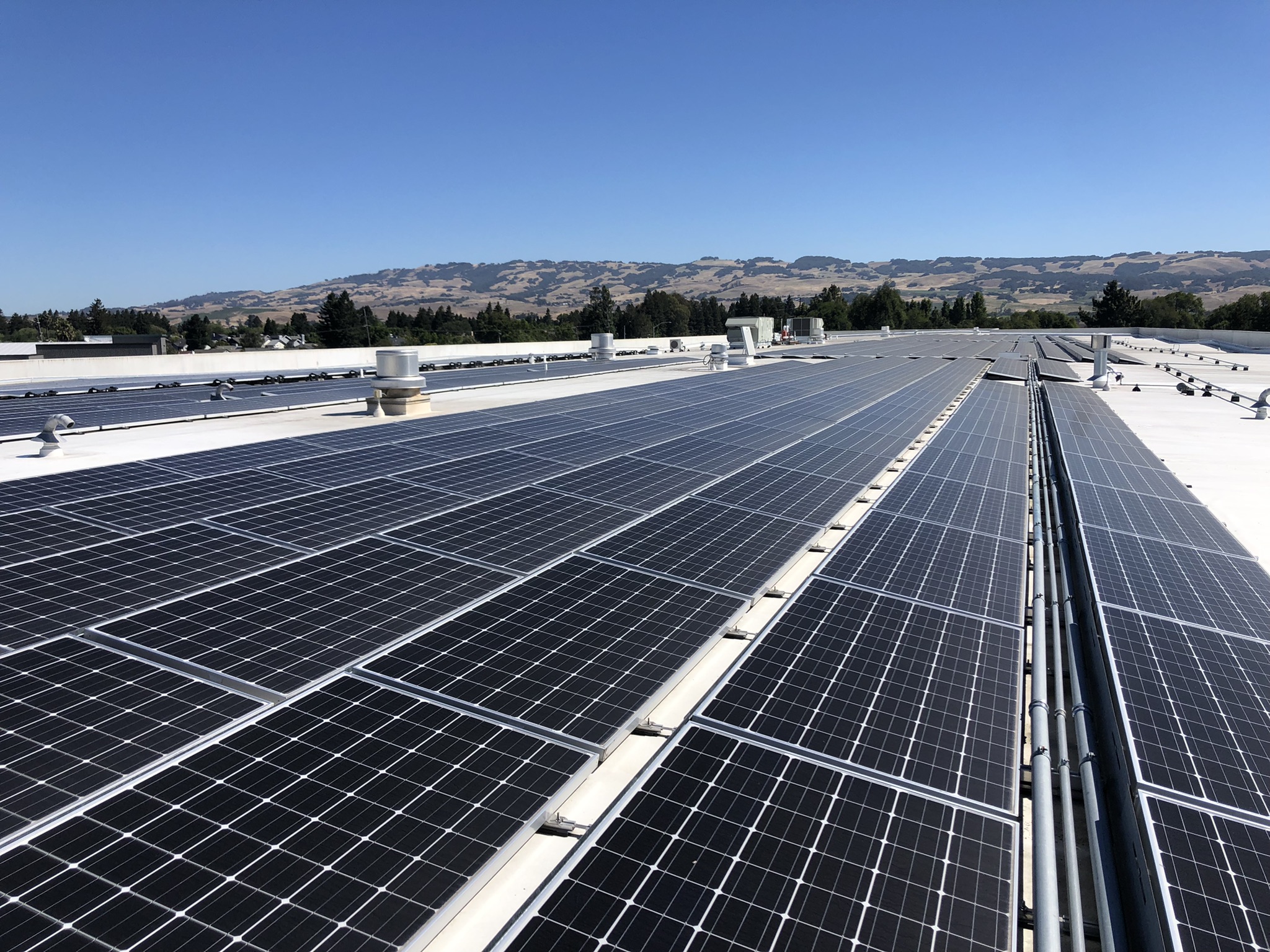
Scott Laboratories Announces Petaluma Headquarters Energy Consumption Is Now 100% Offset With Renewable, Carbon-Free Energy Petaluma, California, – July 2022 – Scott Laboratories is pleased to announce we now offset over 100% of our energy use from our Petaluma headquarters with renewable and carbon-free energy. The first part of this project was completing the addition of solar capacity to the Petaluma facility. Partnering with West Coast Solar, the installation was completed at the end of May, which has maximized our existing system. In 2016 Scott Labs relocated to 1480 Cader Lane, consolidating operations and expanding warehouse capacity. At the time, the Petaluma facility was built to meet the highest standards of the Bay Area Clean Air District measures, including installing on-site bike shelters and a Petaluma Transit bus stop for commuters. The new construction included ultra-high efficiency HVAC, low water landscaping, 100% LED active use-only lighting,
00