
Filter Post Type
NewsVideoProductEventLink
Sort:
Most Recent
1–10 of 84

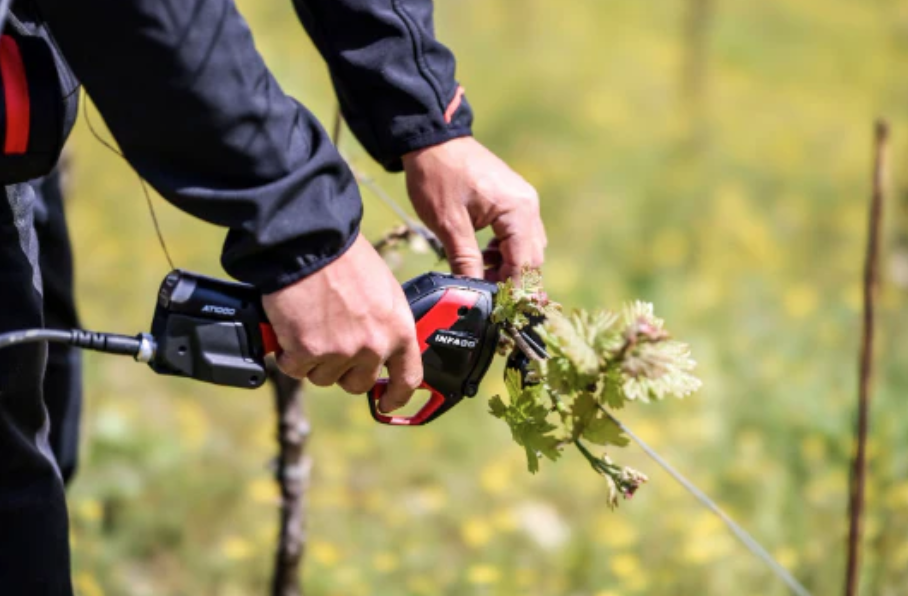
Training young vines is one of the most delicate tasks in viticulture. Get it right, and you set the foundation for decades of healthy growth and high yields. Get it wrong, and you risk snapped shoots, poor airflow, and lower fruit quality. That’s why choosing the right tool for trellising is critical—especially during the first two years of a vine’s life. Enter the INFACO AT1000, a battery-powered tying tool that pairs with the F3020 platform to offer fast, consistent, and gentle ties—without damaging tender shoots. In this article, we’ll explore how the AT1000 can transform how you train your vineyard, reduce labor time, and preserve plant health from the ground up. Tying without breaking growth: why gentleness matters Young shoots = fragile structure First- and second-year vine shoots are highly flexible but prone to: Splitting at the base Crushing when tied too tightly Drying or choking if ties aren’t breathable Traditional methods like twist ties or hand-knotted twine often re
00

April 7, 2026
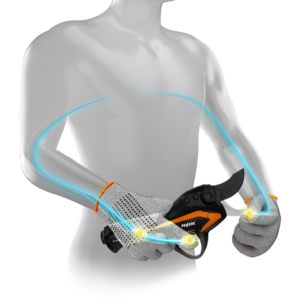
PELLENC continues to redefine professional viticulture and arboriculture tools with the launch of the C3X pruning shears — the first professional pruning shears with an integrated battery, manufactured in France. Designed to meet the evolving demands of today’s professionals, the C3X delivers exceptional efficiency, enhanced safety, and complete freedom of movement in the field. Integrated Power, Maximum Freedom By integrating the battery directly into the pruning shears, PELLENC eliminates external power cables and backpacks, offering users unmatched mobility and balance. The compact ALPHA LITE battery provides powerful, consistent performance throughout the workday while significantly reducing operator fatigue. The result is a tool that feels lighter, more agile, and perfectly suited for precision work in vineyards, orchards, and green spaces. The First Connected Pruning Shears The C3X is also the first pruning shear on the market to feature standard Internet c
00

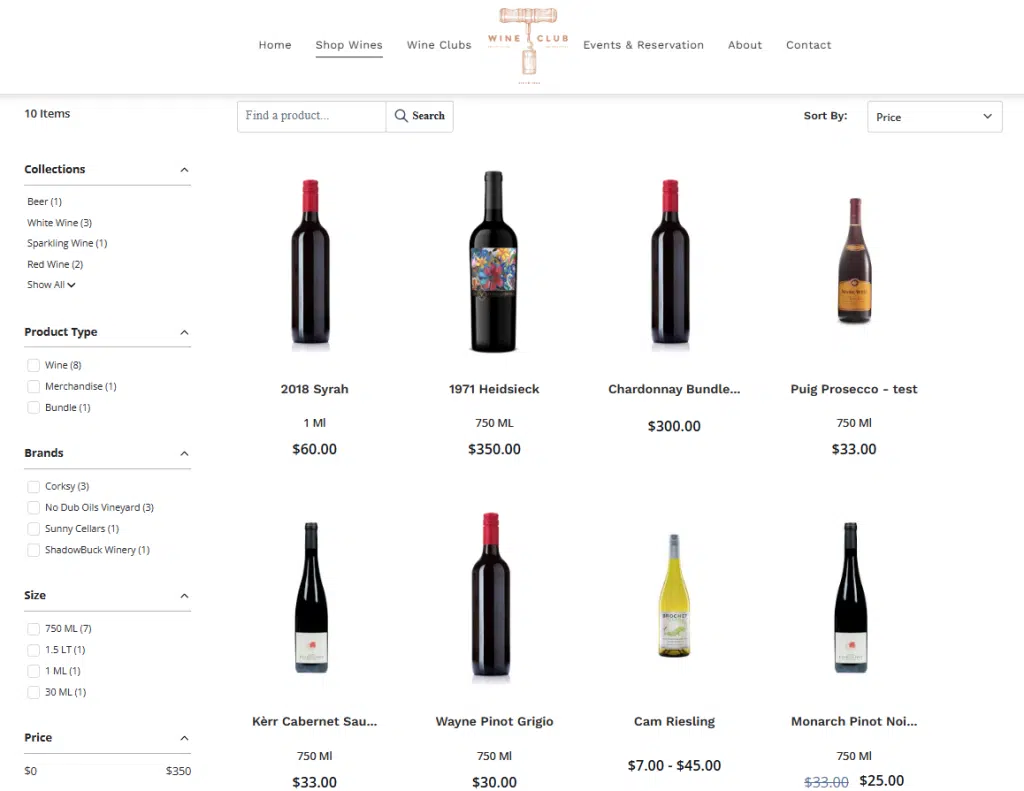
A few years ago at the DTC Wine Symposium, a panelist joked about the modern winery website formula: the guy, the dog, the truck, and the vineyard. Beautiful backdrop, strong lifestyle photography, a thoughtful founder story. Polished, absolutely. Strategically distinct, rarely. The critique wasn’t about branding. It was about structure. Most winery websites aren’t broken, but they aren’t built as decision environments either. Calls to action are unclear, revenue pathways are buried, shipping surprises appear late, and wine club often lives in isolation instead of throughout the buying journey. After auditing winery sites across regions and production sizes, the pattern is consistent: performance is constrained by friction, not effort. Most wineries don’t have a traffic problem. They have a conversion architecture problem. Before increasing ad spend or launching another promotion, run a winery website audit — on your phone. Start at the homepage and move t
00

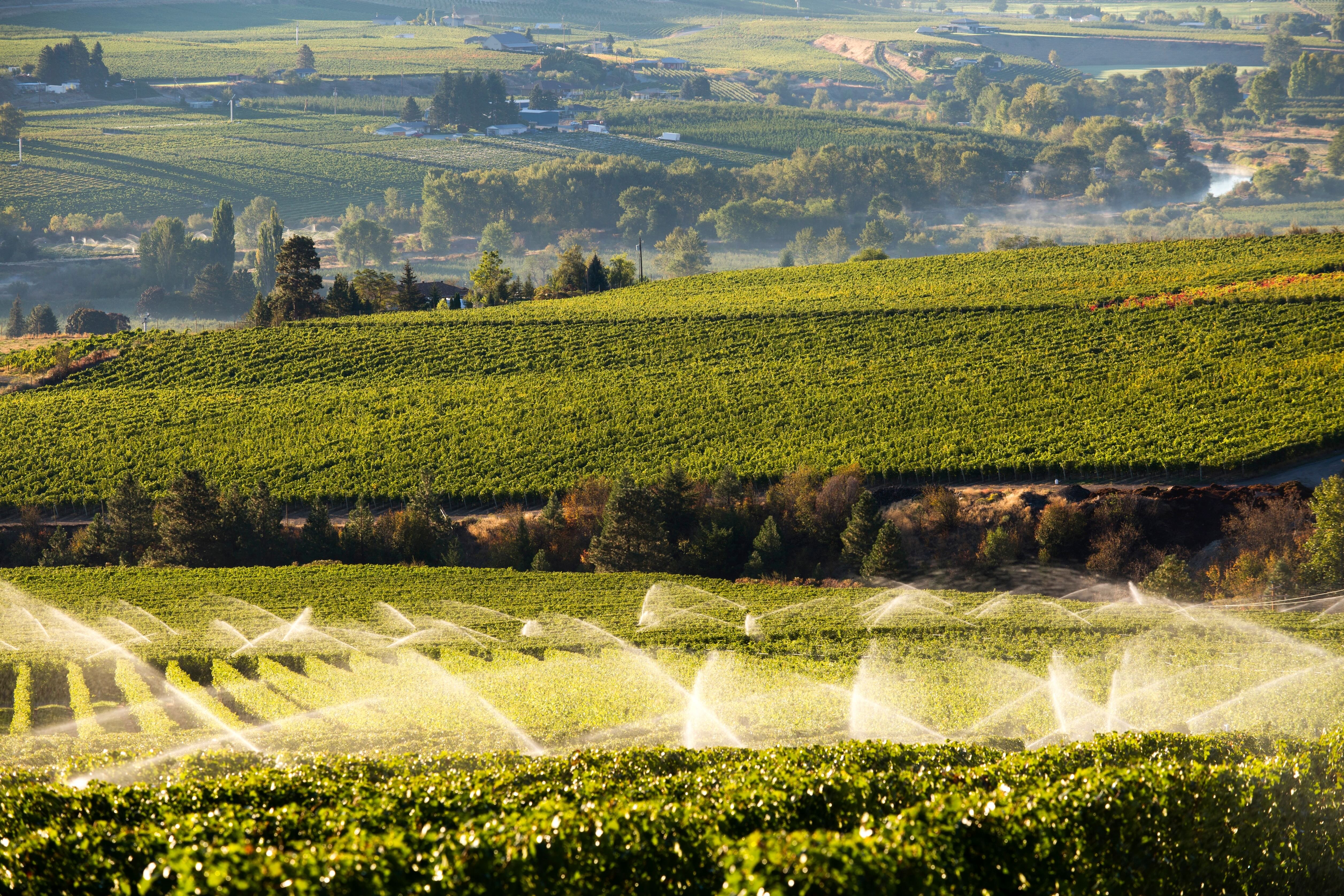
Declining groundwater levels and increasing pressure under the Sustainable Groundwater Management Act are changing how California wine growers think about water. What was once largely an operational concern is now directly tied to long-term viability, regulatory compliance, and sustainability planning. These issues were front and center during a session at the 2025 WIN Expo, where vineyard operators, hydrologists, and county leaders discussed how groundwater management is evolving and what growers can do to stay ahead. Moderated by Val King, Director of Channel Partnerships at Verdi, the session underscored a clear reality. There is no single solution, but there is a shift toward local control, better data, and practical changes in vineyard management. SGMA Was Built to Be Local, Not One-Size-Fits-All Your browser does not support HTML5 video. SGMA is often misunderstood as a rigid, top-down mandate. In reality, it was designed around California’s variability in geology, climate
00

December 15, 2025
Whether you have an event in Nashville, Nantucket, or Naples, marketers today are increasingly challenged with the task of providing marketing to their teams. The increasing number of events (large or small) and the materials (swag, print, signage, etc.) needed to support events in today’s global environment highlights the importance of having an effective promotional asset management partner. So, how does a marketer get materials to the field in a timely manner under these conditions? I’d recommend finding a partner that already has an effective platform and business model, what I refer to as a “Promotional Asset Management (PAM).” Think of PAM like you would a company that outsources manufacturing of its product. If you research the evolution of contract manufacturing, you will find that prior to the 1970s, most businesses built their own production facilities. That changed when it became apparent that it was much more efficient to find a partner for the prod
00
.png)
November 12, 2025
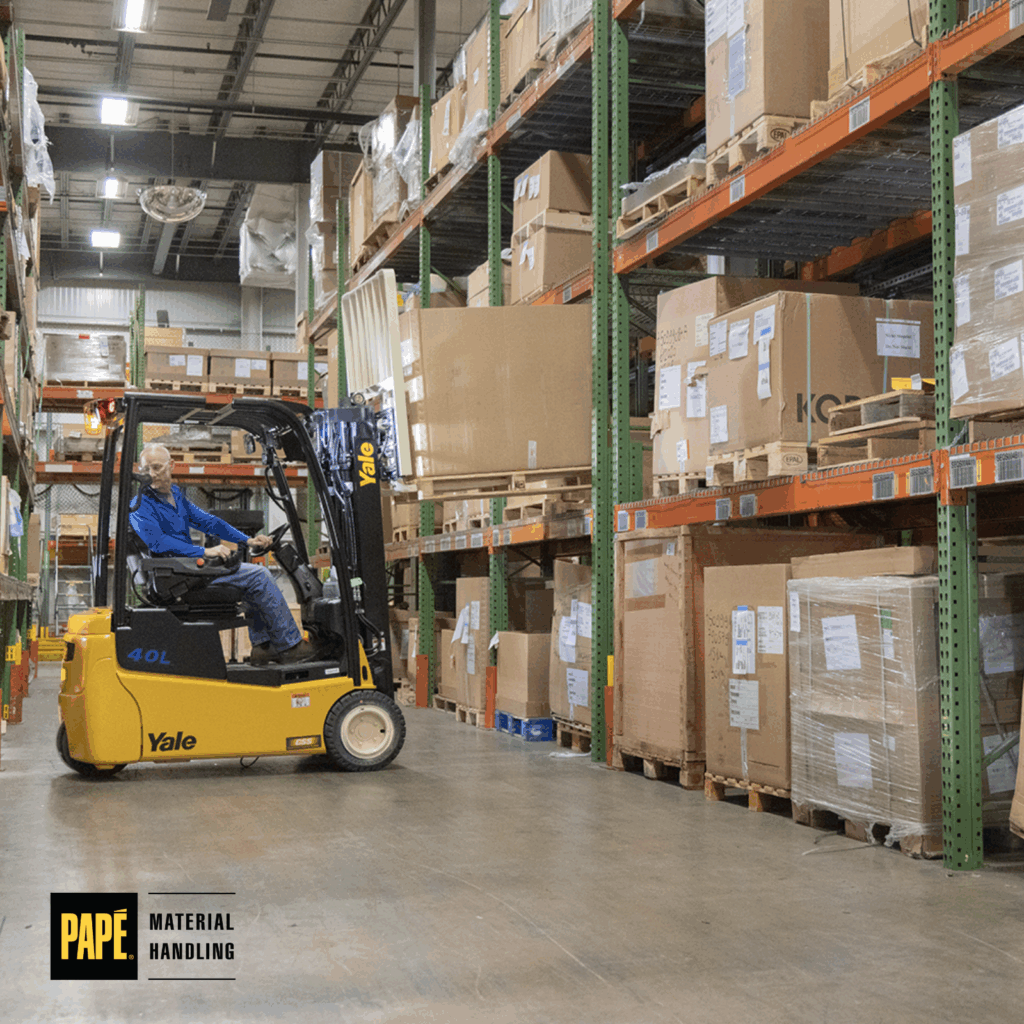
Warehouses and distribution centers are managing more SKUs than ever before. While a broader product mix can help meet customer demand, it also introduces significant challenges around warehouse storage, picking efficiency, and safety. Below, we break down the most common problems warehouses face as SKUs increase, as well as proven solutions to improve productivity and order accuracy. What Challenges Do Increasing SKUs Pose for Warehouse Operations? As product lines expand, warehouse managers must handle inventory management at an entirely new scale. The three most common order picking challenges include: 1. Storage Challenges Limited Storage Space: As SKUs multiply, existing shelving often reaches capacity. Mixed Inventory Issues: Combining multiple SKUs in the same bin or shelf slot slows down picking and leads to more mistakes. Shift Away from Bulk Orders: With full-pallet picking becoming less common, small-batch and single-item picking require even more organized s
00
October 31, 2025
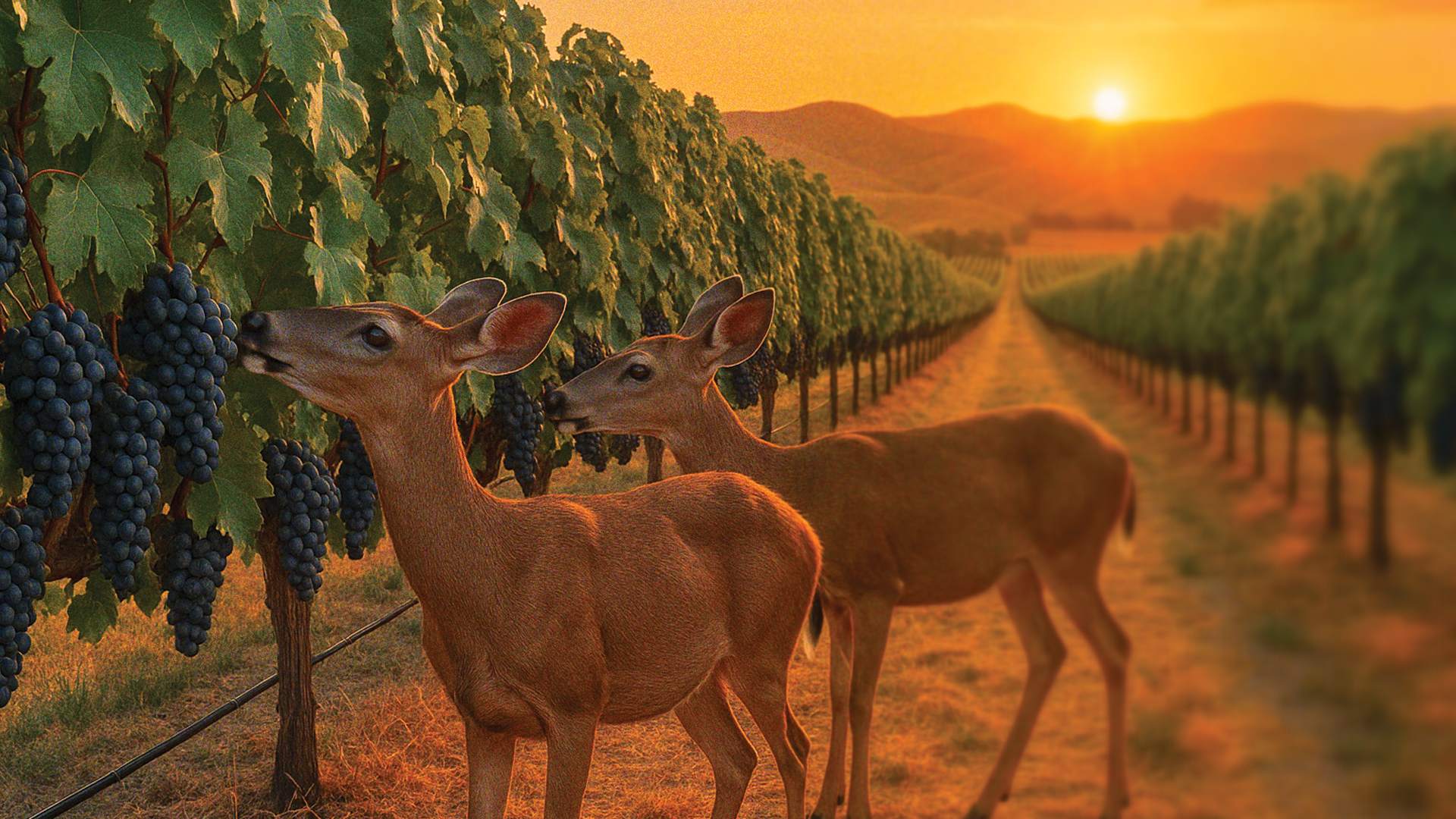
Wildlife Challenges Don’t End at the Vineyard Edge When vineyard managers think about wildlife threats, the focus is almost always on protecting grapes from browsing deer, hungry birds, or burrowing rabbits. But the reality is, animals can—and often do—cause problems well beyond the vines themselves. From chewing cables to nesting in outbuildings, wildlife can interfere with harvest operations, damage valuable equipment, and even create food safety concerns in processing areas. As harvest season approaches and activity around the winery ramps up, the potential for these issues often increases. “A lot of managers focus on exclusion fencing for the vineyard blocks, which is critical—but the work doesn’t stop there,” says George Horetsky, senior sales representative for Trident Fence. “If wildlife can access your equipment yard, storage areas, or crush pad, you’ve still got vulnerabilities that can cost time and money.” The Hidd
00

September 16, 2025
Tasting room/Store Manager at Polymath
00


In recent years, the increasing frequency and intensity of wildfires have posed significant challenges for winemakers and grape growers. One of the most pressing issues is the impact of smoke exposure on grapes, which can lead to undesirable flavors and aromas in the resulting wines. This document aims to provide winemakers and grape growers with a general understanding of their options for evaluating smoke-tainted grapes. “With localized testing now available at ETS, a winemaker can make more informed decisions on whether to harvest the grapes or write them off,” says General Manager Kyle Crowley of VA Filtration USA. By exploring various assessment methods and mitigation strategies, the industry can make informed decisions to ensure the quality and marketability of their wines despite the challenges posed by smoke exposure. Pre-Harvest: Pull grape (berries) samples to test before harvesting all your grapes for fermentation production. ETS offers an excellent smoke panel t
00

September 10, 2025

In today’s wine industry, tasting room reservations are not just operational tools — they are strategic levers. According to the 2025 SVB State of the Wine Industry Report, tasting room visitation remains one of the most powerful drivers of Wine Club acquisition and the second-largest contributor to direct-to-consumer (DTC) revenue, following wine sales themselves. Yet, as consumer visitation patterns evolve, how wineries manage reservations — whether through third-party platforms or built-in tools — has become a critical decision. The right choice can impact everything from guest satisfaction and Wine Club conversion to brand control and long-term revenue growth. Let’s explore the two primary approaches wineries use today: • External reservation platforms (e.g., Tock) • Built-in reservation flows on the winery’s own website External Reservation Systems: Convenience with Constraints
00