
Filter Post Type
NewsVideoProductEventLink
Sort:
Most Recent
1–5 of 5

January 23, 2026
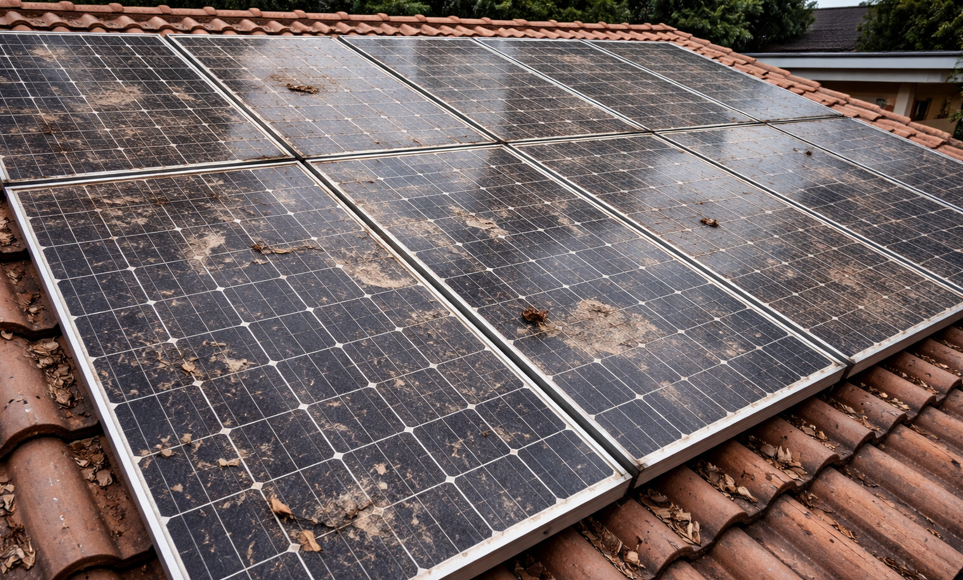
Key Takeaways Regular solar panel cleaning helps maintain energy output by removing dirt, salt residue, and debris that block sunlight and reduce efficiency. Most homeowners should clean solar panels once or twice per year, with coastal and high-dust areas often needing more frequent service. Professional solar panel cleaning protects your investment by safely removing buildup without damaging surfaces, wiring, or warranties. Solar panels are designed to be low maintenance, but that does not mean they are maintenance-free. Over time, dirt, dust, pollen, bird droppings, and coastal salt can reduce how much sunlight reaches your panels. When that happens, your system produces less energy, and your savings take a hit. Here on California’s Central Coast, solar panel cleaning plays a bigger role than many homeowners realize. This guide explains how often solar panels should really be cleaned, what affects cleaning frequency, and how proper maintenance protects your investment. Our par
00

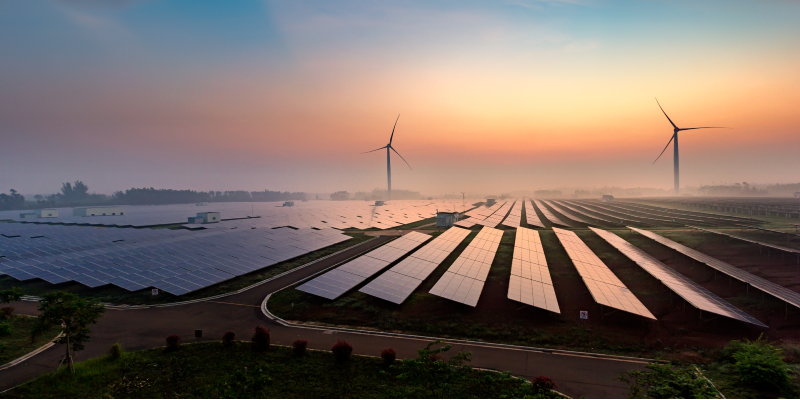
As the effects of climate change accelerate and dangerous weather conditions become more frequent, we have to reduce carbon emissions on a global scale. Even before founding Westcoast Solar Energy, we designed and installed solar panel projects that help reduce carbon footprint, reliance on fossil fuels, and energy costs. As the years have gone by, we have seen a tremendous shift where solar energy is more affordable and accessible than ever. The versatility of solar energy means that anyone can benefit from this renewable energy source. From small-scale solar devices like phone chargers or water heaters to the larger residential and commercial solar projects we work on, solar energy belongs to everyone. If you’re looking to go solar, contact our team. The Benefits of Solar Energy The benefits of solar energy can be split into three categories. Health Environment Economy A decreased use of fossil fuels reduces matter emissions from the air leading to better cardiac and res
00

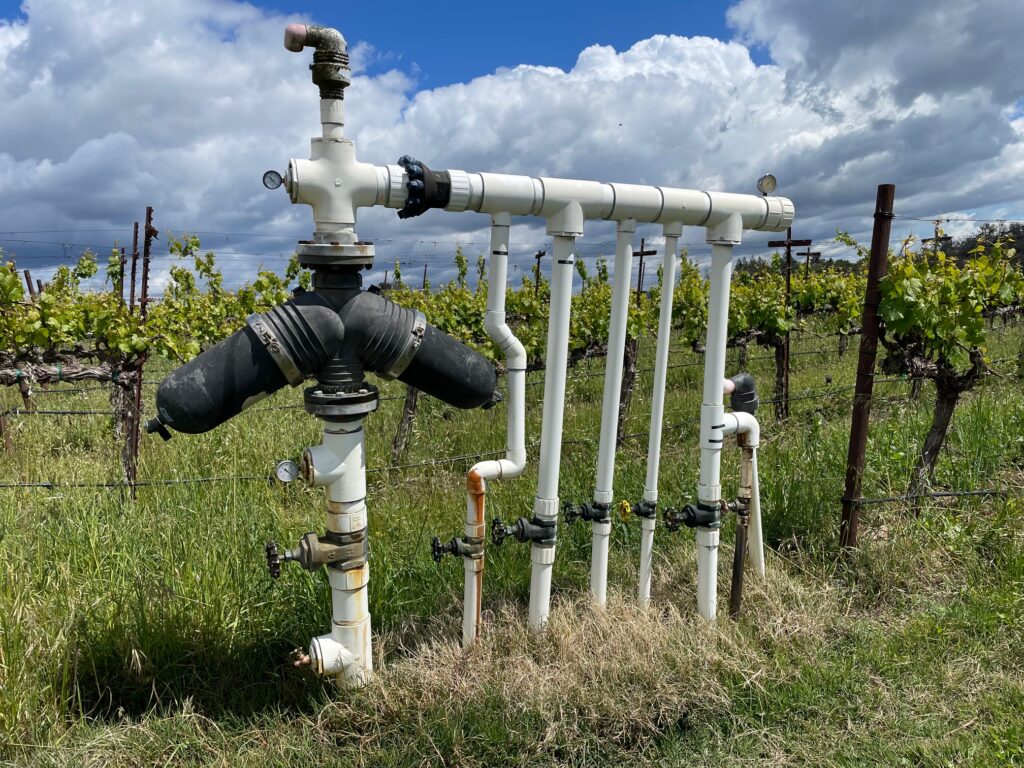
Read this first! As agricultural consultants in California, irrigation consulting during the growing season is our bread and butter. A lot of times, especially in vineyards with lighter soils where I recommend short and frequent irrigations, I know my desired schedule amounts to a tall order. Not everyone can feasibly do two hours, three times a week. No matter what’s best for the vines, I have to work with a human irrigator, who is still going to turn the valve on at 5 pm and turn it off at 7 am the next day. In a lot of cases, this amounts to a vineyard that is both over- and under-watered: the 14-hour irrigation percolated past the rootzone in under 3 hours and the rest of the week (after the root zone water was depleted) the soil was dry as a bone. So, I’m happy to see so much interest these days in valve automation. I’m also apprehensive because I’ve automated valves and it’s not a silver bullet. It’s not any bullet. It’s a useful tool t
00
December 17, 2024

Solar panel monitoring is crucial for keeping an eye on your system’s efficiency and catching potential problems early on. However, even the best monitoring systems can encounter issues. Westcoast Solar Energy can guide you through some common problems and how to address them. 1. Inaccurate Data Incorrect data can result in misleading performance assessments. If you’re noticing strange readings, you can address this issue by making sure your monitoring system is calibrated correctly. You can also take a look at the system’s sensors and make sure they are clean and unobstructed. If the issue persists, contact Westcoast Solar Energy for professional assistance. 2. System Outages If your monitoring system goes offline, it can hinder your ability to track performance. Most systems have built-in alerts for outages. If you’re experiencing frequent interruptions, contact your solar panel installer for troubleshooting. 3. Sensor Malfunctions Faulty sensors can provide
00

Verdi’s mission is to make modern irrigation automation accessible to all growers, regardless of vineyard size or type of irrigation system — even manual systems can be automated. Most automation solutions for irrigation are expensive and tailored toward the upper tier of vineyard operations. Existing systems also fail to address the worsening conditions farmers face, including labor shortages and environmental concerns such as droughts, water scarcity and new water usage monitoring requirements from the government. Yet, every grower needs to reduce water costs and waste and the time their team spends patrolling the vineyards for valve malfunctions and line breaks, as well as improve the quality and yield of their crop. As Verdi’s founders, CTO Roman Kozak and CEO Arthur Chen, worked to solve these problems, they realized the solution was to make the latest technology affordable and simple enough for farmers to install themselves. “Arthur and I
00