
Filter Post Type
NewsVideoProductEventLink
Sort:
Most Recent
1–10 of 62

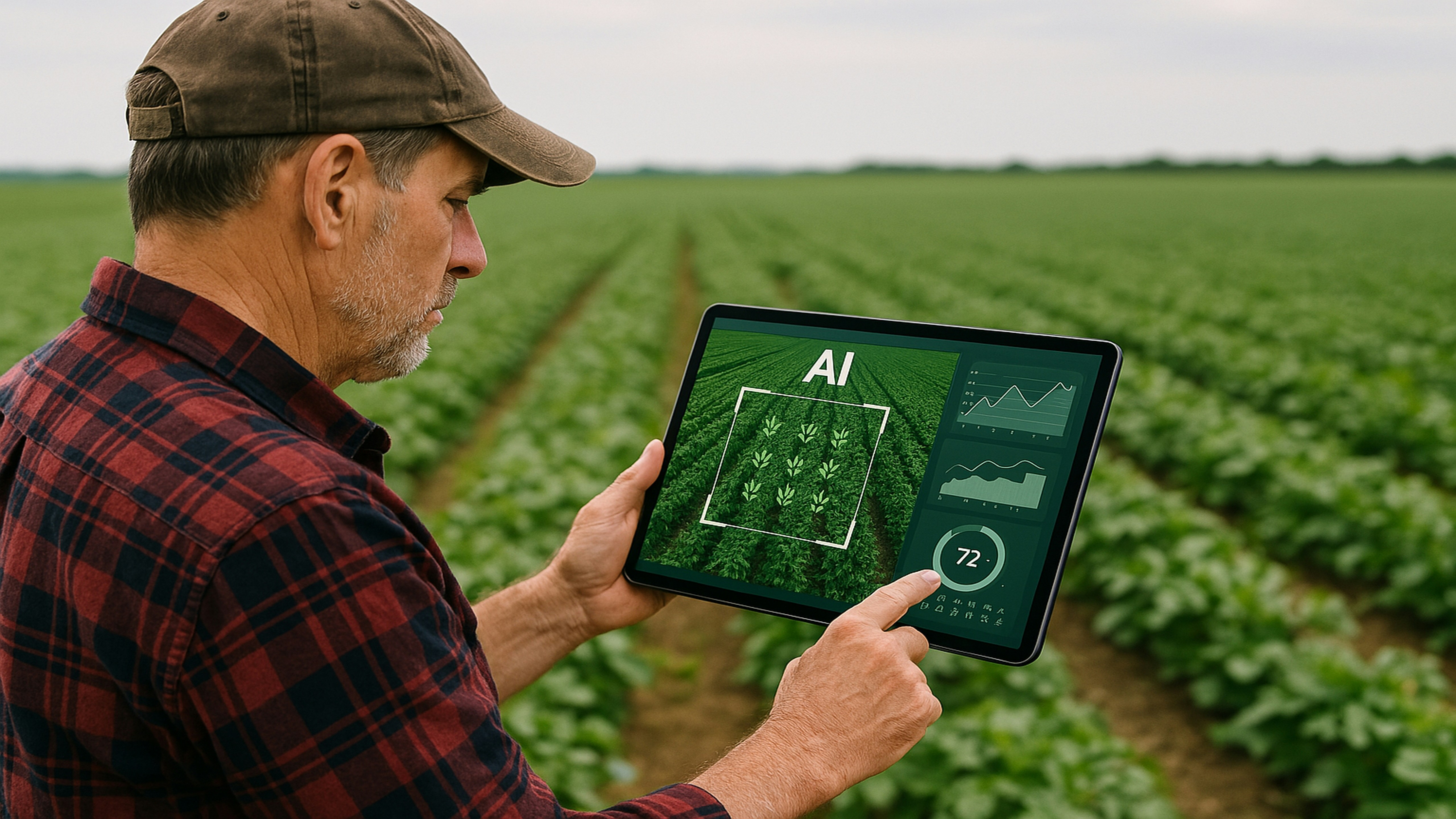
Most conversations about AI in agriculture lead nowhere. There is plenty of speculation, plenty of marketing, and very little shared understanding of how AI is actually being used inside real vineyard operations. There is no manual. No proven tools, and even fewer examples that go beyond theory. That is what makes this story different. Rather than discussing what AI could do someday, this article looks at what happened when a professional vineyard management team, operating at scale and under real economic pressure, put AI to work on the unglamorous parts of their operation: scheduling, coordination, and administrative complexity. The outcome was not what most people would expect. The biggest gains did not come from automation itself, but from what changed once friction was removed from daily work. First, You Have to Start With a Real Problem A vineyard operations leader managing large-scale acreage described a situation many vineyard operators recognize immediately: an operatio
00
Event Type: Webinar
Date: 4/22/2026
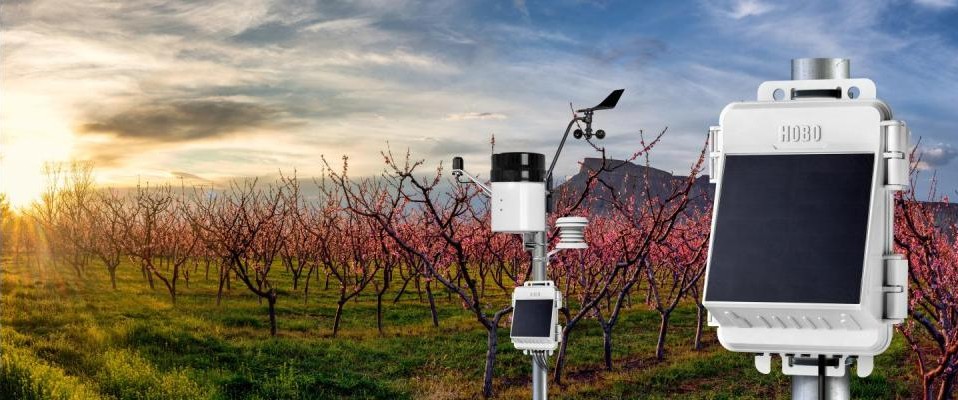
Learn how NEWA's hyper-localized modeling, paired with HOBO weather stations, helps growers use the optimal pest management and disease countermeasures. Jon Clements, Extension Fruit Team Leader at UMASS Amherst presents the models and tools that NEWA has developed to help growers with insect pest and plant disease risk assessment, and Matt Sharp of HOBO presents how HOBO stations work with NEWA's tools. How to use NEWA Models for Growing Recommendations In the first portion, Jon will demonstrate how to use NEWA models for recommendations on spray schedules, irrigation and thinning models, including: Integrated Pest Management (IPM): Using the Apple Scab Model for targeted fungicide applications to reduces chemical costs and improve the timing of sprays. Irrigation Optimization: Use data on precipitation and environmental demand to help manage water, particularly for drought monitoring in high-density orchards with smaller root systems. Crop Thinning Decisions: The tool
00

Two years ago, I wrote an article on AI in the vineyard for WBM. Feel free to read that article here…if you want. Otherwise, my basic argument was that although AI will eventually play a role in how we farm grapes, it’s a long way off compared to other industries and even other crops. We who grow grapes are the last ones to see such innovation. And since then, AI has grown exponentially. If two years ago you were playing around with Chat GPT to create bizarrely distorted images and learn about tax loopholes, you can now go onto the likes of Claude and have it just create a website for you from a single prompt. Chatbots like this have essentially eliminated the need for entry-level coders. However Claude is a computer, so it makes sense that it’s gotten very good at writing code for other computers. Similarly Chat GPT has digested the entire internet, and curates any answer for you by plucking it from its vast network of information. Sometimes its correct, and other t
00
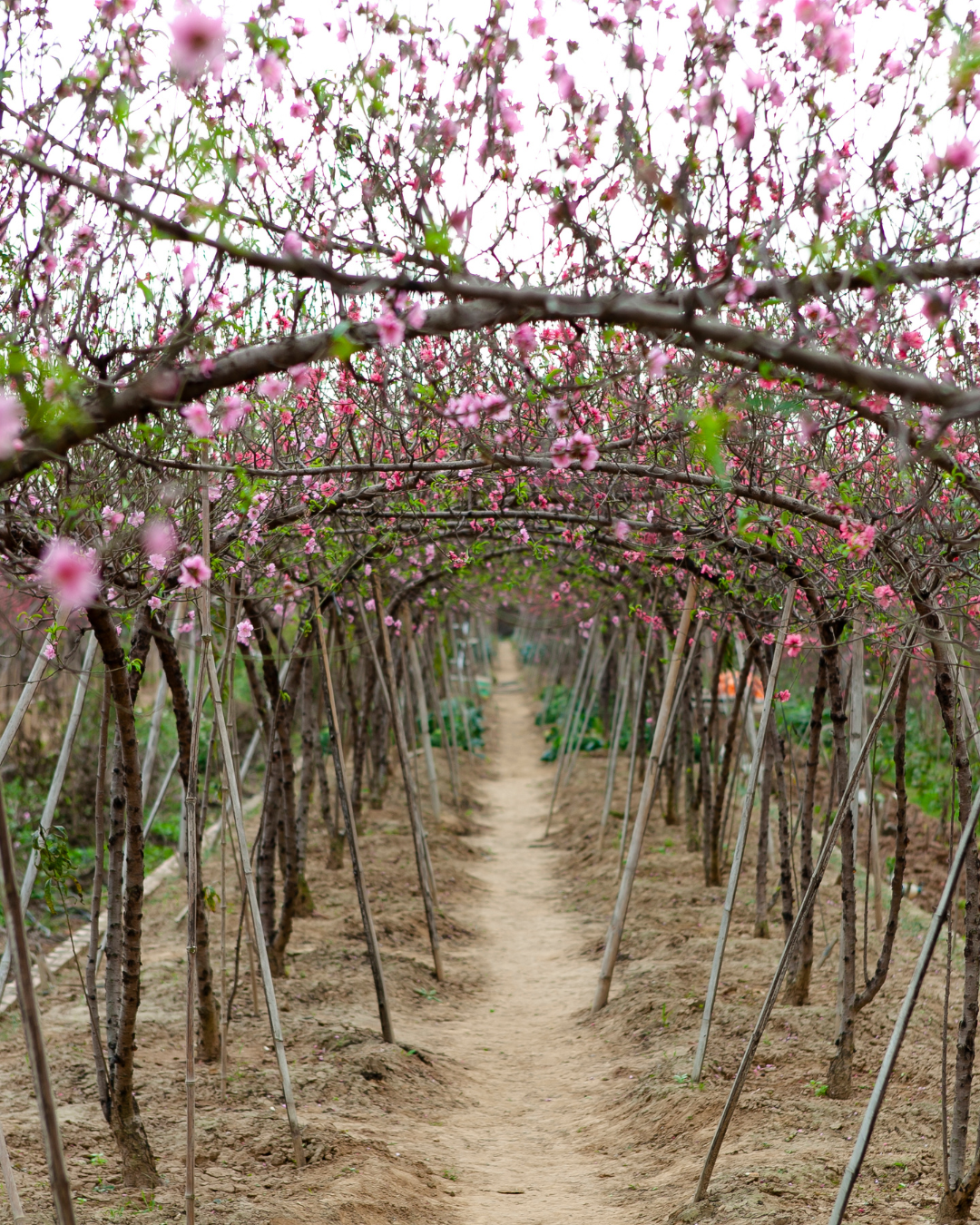
Bloom signals more than color in the field. It marks the transition into one of the most critical irrigation periods of the year. As crops move from dormancy into active growth, water demand begins to shift quickly. Root systems wake up. Canopies expand. Evapotranspiration increases. What worked during winter or early pre-season conditions will not carry you through bloom and fruit set. This is the moment to recalibrate. Start with a System Check Before peak demand hits, take time to evaluate your irrigation infrastructure: Inspect valves, filters, and pressure regulators Confirm flow meter accuracy Review pump performance under load Test soil moisture sensors and telemetry connectivity Verify that automation schedules match current crop stage Small inconsistencies in early season can become major inefficiencies during full production. Match Irrigation to Crop Physiology During bloom, consistency matters. Over-irrigation can reduce oxygen in the root zone and impact nutrient uptak
00
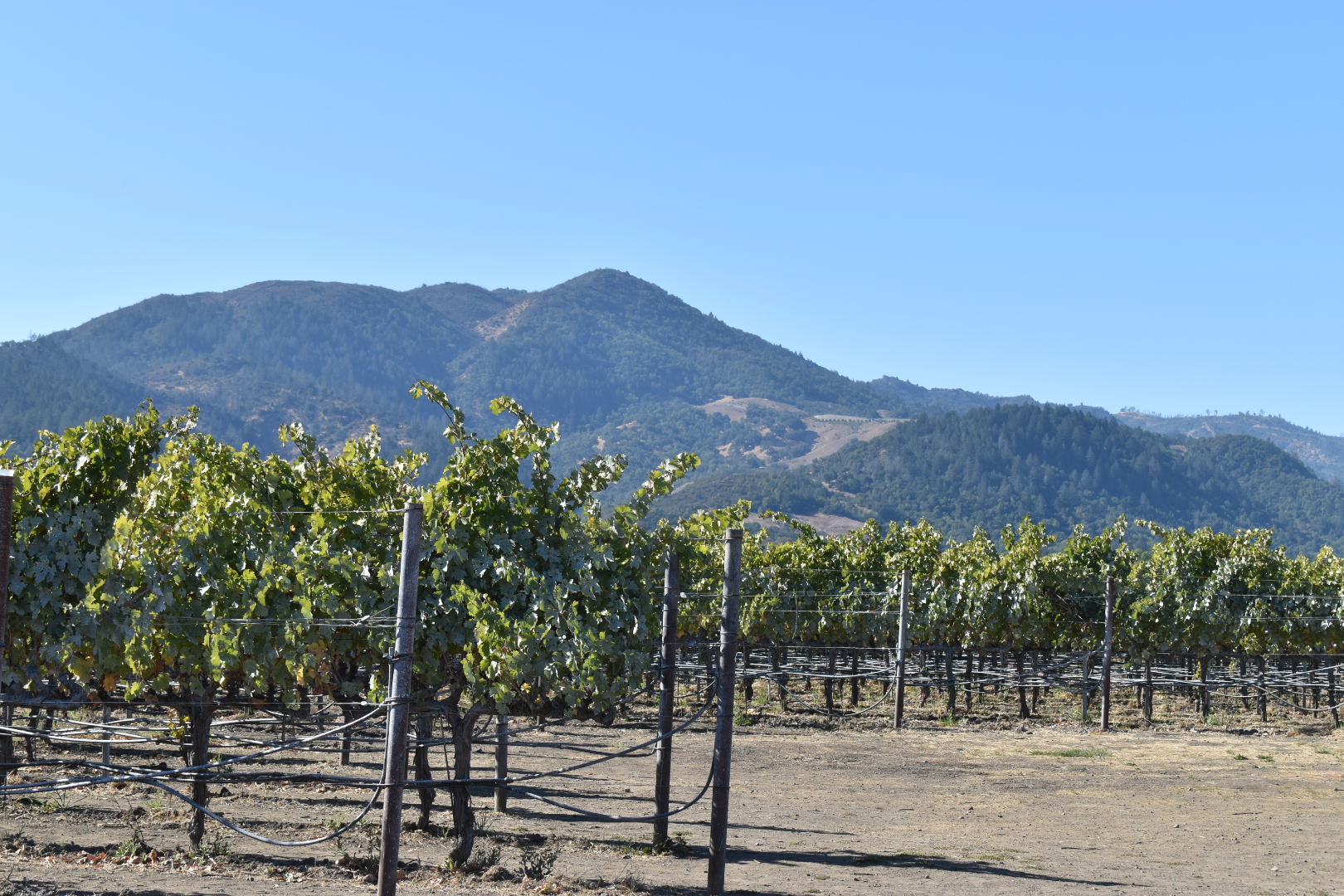
Vineyards communicate long before the fruit shows any stress. Subtle shifts in canopy color, changes in shoot vigor, and even small variations in soil texture can reveal how each block is responding to the season. For growers, the challenge is catching those signals early enough to act with confidence. That’s where strong water monitoring makes a difference. With tools that track soil moisture, water flow, pump activity, and irrigation timing across the ranch, growers can see where vines are holding steady and where attention is needed. Instead of guessing based on visual cues alone, they can match irrigation to the real conditions happening beneath the surface. This approach supports more than efficiency. It protects vine health during heat events, helps stabilize fruit quality, and builds a clearer understanding of each block’s behavior over time. Every vineyard has its own pattern and rhythm. When growers can follow those patterns consistently, they gain a new level of
00
Harvest has wrapped. It's raining. And the only thing on your calendar is that pesky meeting to finalize your budget for next year. Here are some things Advanced Viticulture can help you out with: Soil moisture probes: see how deeply irrigations percolate and how quickly water gets depleted. Florapulse plant stress sensors: track water stress and maximize wine quality, sans pressure bomb. Weather stations: don't just talk about your terroir, quantify it Frost monitoring: monitor temperatures and set alerts for dangerous frost events. Valve automation: stop sending someone to that far-flung vineyard just to turn a valve. Flow/pressure monitoring: Keep track of your irrigation efficiency and see just how much water you're actually using. Tank/reservoir/well depth monitoring: how much water are you working with? Know what's available to you whenever and wherever. Did your fruit get rejected this year? How about leveling up your game with Advanced
10
November 14, 2025
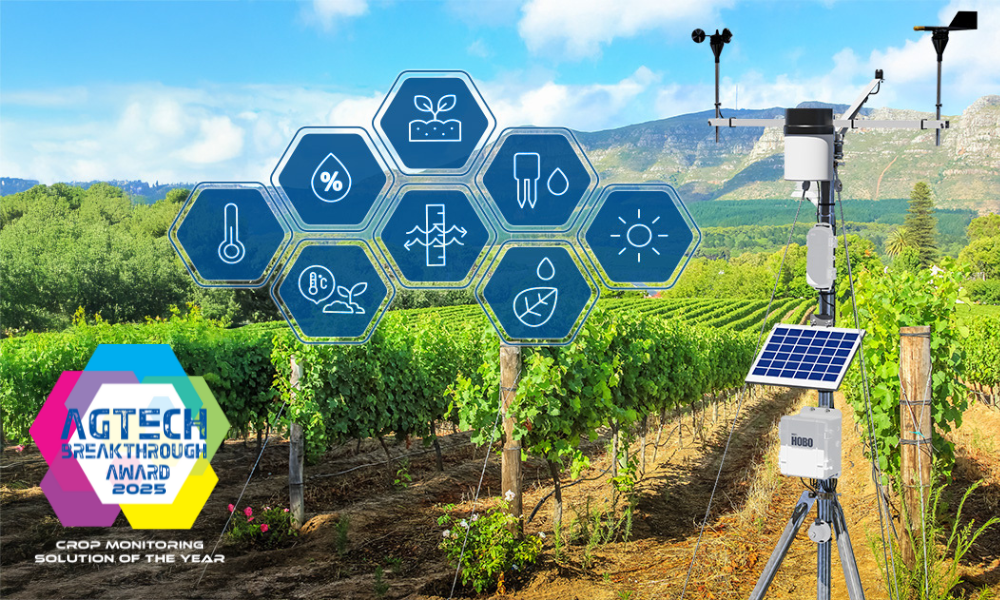
HOBO Data Loggers receives “Crop Monitoring Solution of the Year” in 2025 AgTech Breakthrough Awards Program for the HOBOnet Wireless Sensor Network Annual awards program recognizes innovation in agricultural & food technologies around the globe BOURNE, Mass., – HOBO Data Loggers, a LI-COR® brand and leading manufacturer known for accurate and reliable data loggers, today announced it has been awarded “Crop Monitoring Solution of the Year” in the 5th annual AgTech Breakthrough Awards program conducted by AgTech Breakthrough, a leading market intelligence organization that recognizes the top companies, technologies, and products in the global agricultural and food technology markets today. The HOBOnet Wireless Sensor Network delivers cost-effective, distributed, wireless, and scalable in-field crop monitoring. Designed to empower growers with real-time environmental data for improved decision-making, HOBOnet provides precise, site-specific insights
00
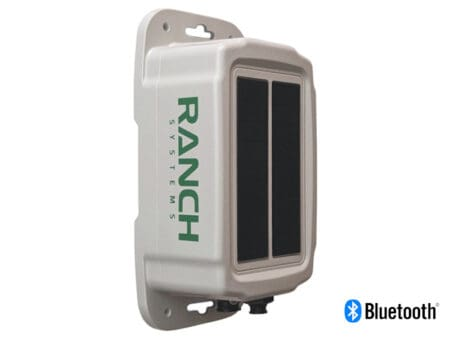
Ranch Systems, a California-based leader in agricultural and environmental monitoring, continues to advance connected solutions for vineyard operations. From weather and irrigation control to soil and water data collection, Ranch Systems’ technology helps growers turn field conditions into actionable insights. At this year’s WIN Expo, Ranch Systems will showcase the RS10 Bluetooth® Transmitter & Data Logger, part of the new RanchDL™ line. The RS10 captures data directly from the field using Bluetooth® Low Energy connectivity — no gateway or cellular plan required. Designed for flexibility, it supports a wide range of sensors and applications, providing a simple, reliable way to log and access data through the myRanch™ mobile app. The Ranch Systems team will be available to discuss how the RS10 and the company’s full suite of telemetry and automation tools can help streamline vineyard monitoring and improve decision-making from the ground
00
November 12, 2025
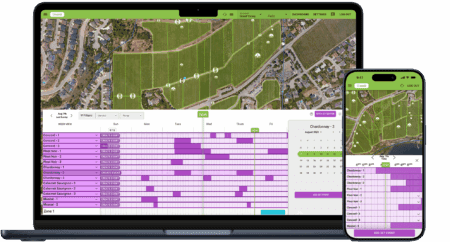
Vineyard owners and grape growers lie awake at night trying to map a path to the future through today’s volatile market. Worries that run through their minds include the overflowing bulk market that is cancelling contracts and lowering grape prices, and the higher pay rates and immigration raids that are compounding an already stressed labor supply. Two clear steps forward are to lower operational costs and reduce existing staff workload. Automating irrigation management is a logical way to achieve this, as it reduces labor, water usage and materials costs. But small or mid-sized growers often forego these benefits because the automation price tag outweighs the return on investment. Instead, 95% of growers still choose to continue irrigating manually. Verdi addresses this ROI concern with affordable irrigation automation technology that growers and their teams can easily install themselves without any training. What makes Verdi unique is how its smart hardware and easy
00
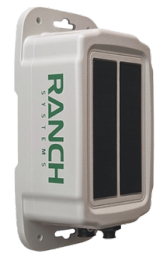
For over 20 years Ranch Systems has been an innovative leader in data logging and telemetry. Our telemetry systems use a combination of Cellular, Wi-Fi and Bluetooth® BLE with Long-Range Mode to create powerful monitoring and control systems. Our primary uses are in agriculture and environmental monitoring.Yesterday we announced a new set of solutions under the brand RanchDL. Under this new brand we are offering our simplest and most popular product, the RS10™ BLE with Long-Range Mode unit, in a unique, easy-to-use data logger version. The standalone RS10 Data Logger utilizes the latest Bluetooth® wireless technology. Users can connect to the logger directly from the browser on both desktop, tablet, and mobile devices to easily achieve desired configuration as well as download data quickly and easily. Along with the RS10 data logger, we have curated a set of solutions based on the most popular sensors requested. These include options for Water Level, Soil Moi
10