
Filter Post Type
NewsVideoProductEventLink
Sort:
Most Recent
1–10 of 11

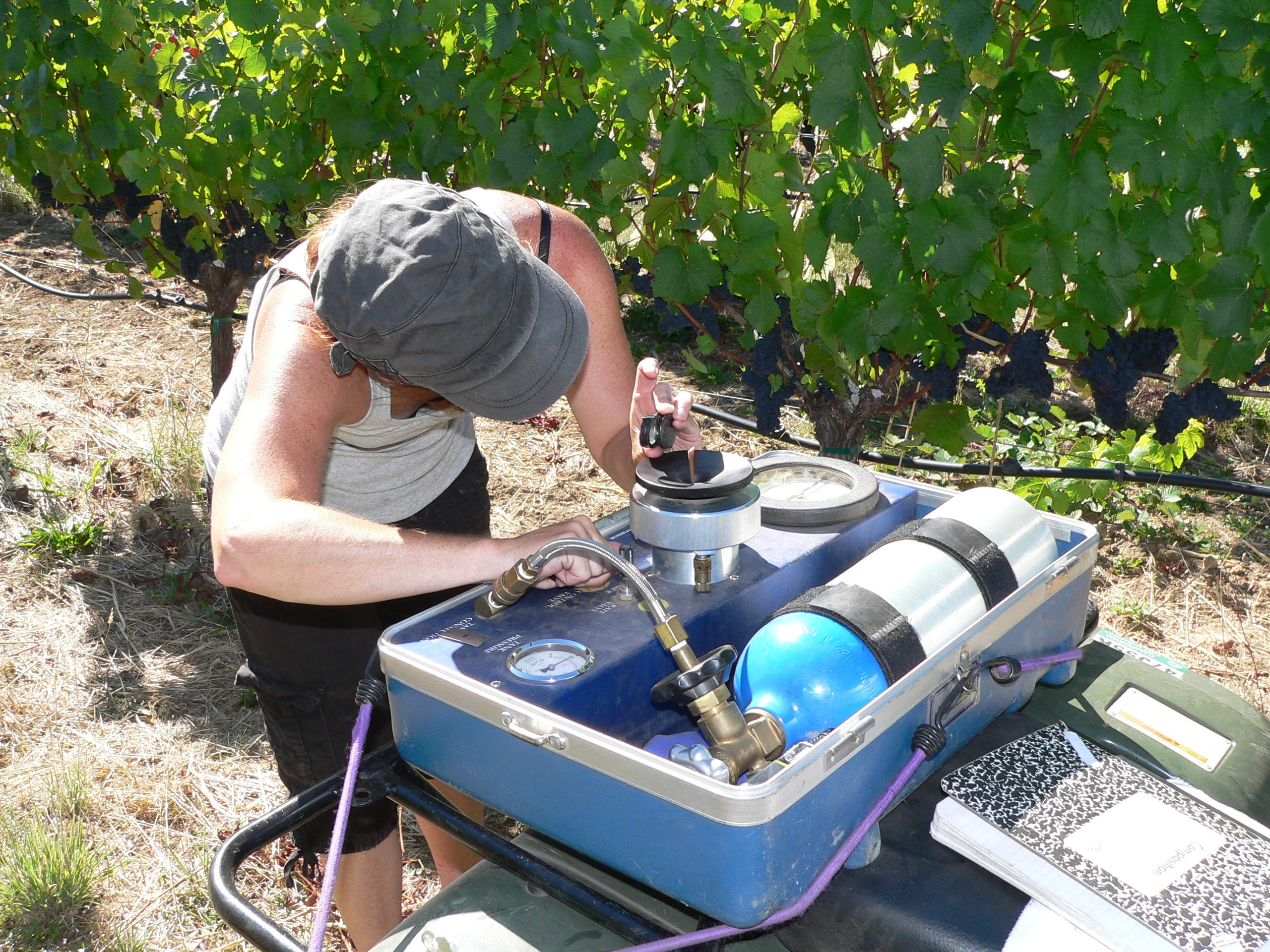
Two years ago, I wrote an article on AI in the vineyard for WBM. Feel free to read that article here…if you want. Otherwise, my basic argument was that although AI will eventually play a role in how we farm grapes, it’s a long way off compared to other industries and even other crops. We who grow grapes are the last ones to see such innovation. And since then, AI has grown exponentially. If two years ago you were playing around with Chat GPT to create bizarrely distorted images and learn about tax loopholes, you can now go onto the likes of Claude and have it just create a website for you from a single prompt. Chatbots like this have essentially eliminated the need for entry-level coders. However Claude is a computer, so it makes sense that it’s gotten very good at writing code for other computers. Similarly Chat GPT has digested the entire internet, and curates any answer for you by plucking it from its vast network of information. Sometimes its correct, and other t
00

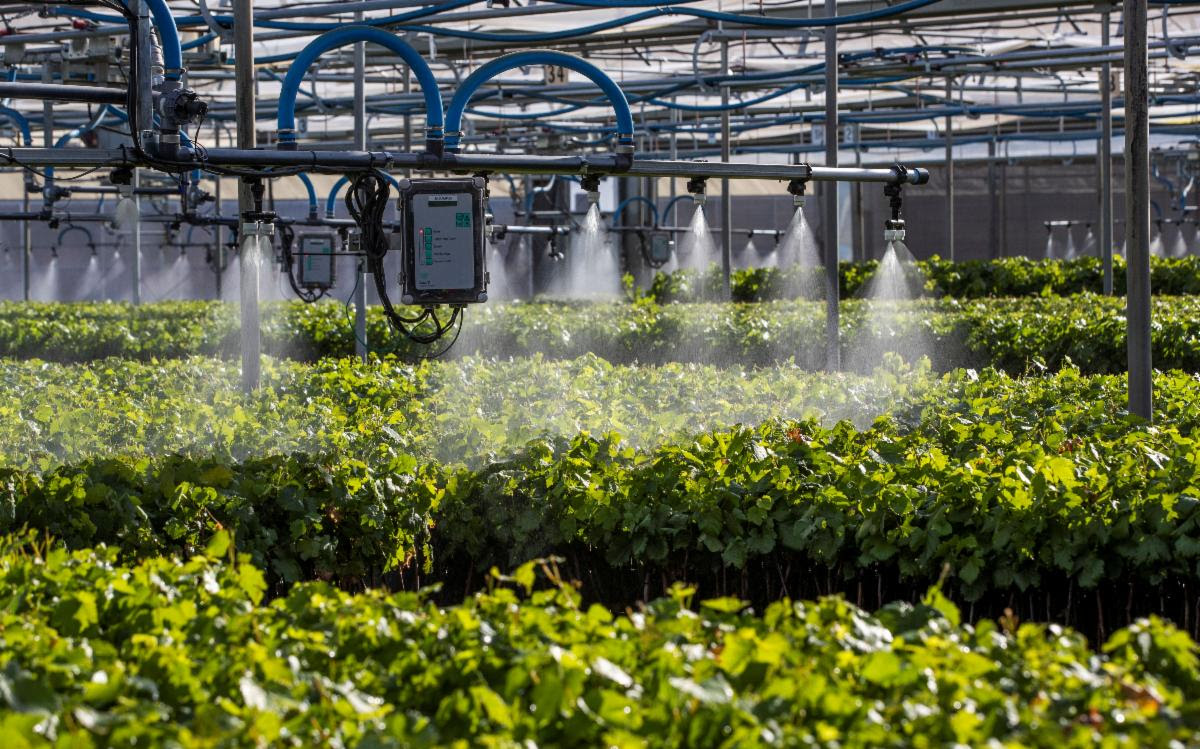
Off-Season, On Point: Essential Prep for Superior Grapevines A new season is just around the corner! As we enter Fall, our off-season presents the opportunity for our nursery to reflect, recharge, and prepare for the coming year. To ensure a successful start, here are just a few of the essential preparations that take place when we aren’t producing vines. These measures are designed to ensure that we are fully equipped for the new season and to maintain our commitment to providing the healthiest vines for our partners. Farming Virus Sampling We test over 120k vines each year to ensure Sunridge vines have well over a 99% statistical confidence of being virus free. No other nursery comes close to this level of testing. Dropping Fruit By removing the vine clusters from our scion mother blocks, and channeling all the vine’s energy into growth, we ensure the production of robust canes for optimal wood harvesting. Replants & Increase Blocks I
00

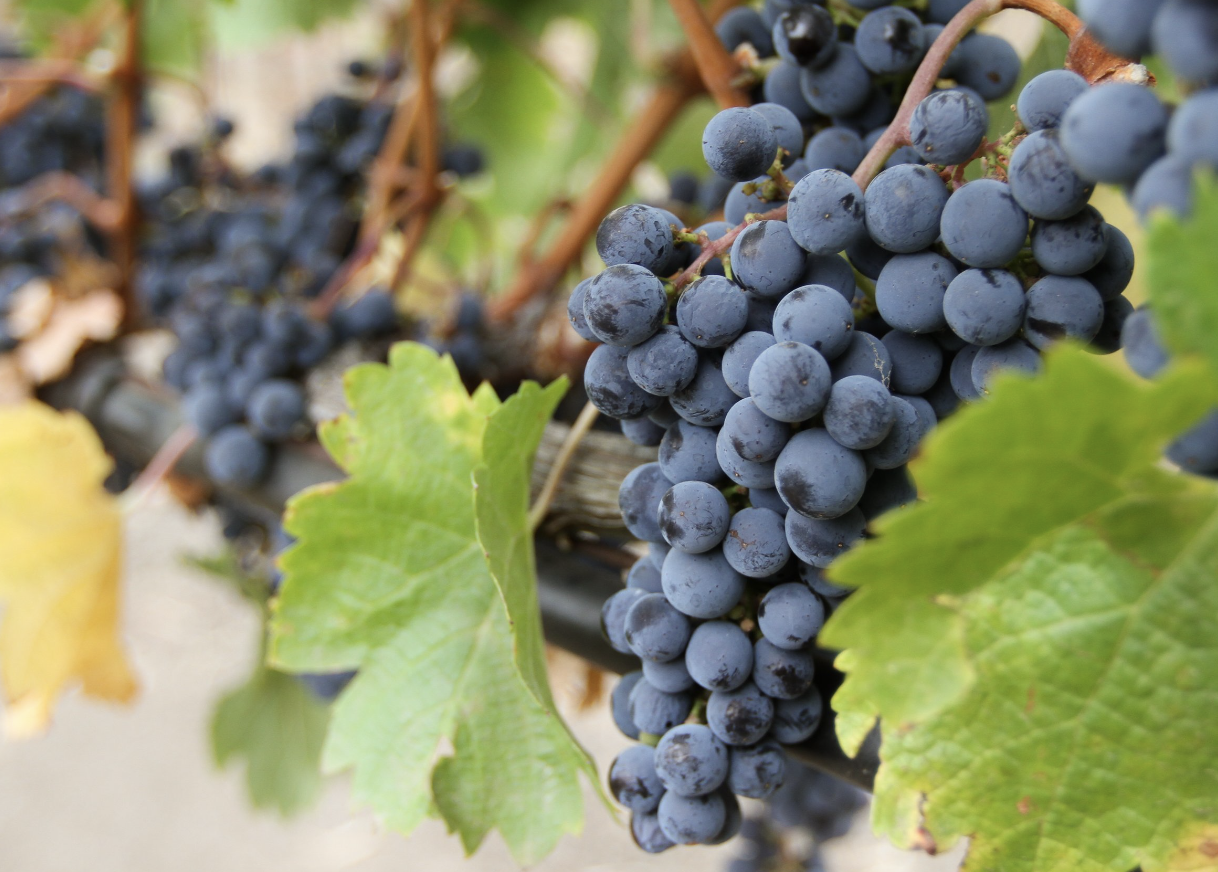
A measurement of phenolic content of grapes describes grape potential. It characterizes grape maturation, block to block variation, and variation between vintages. It is an important part of describing raw material coming into a winery and is often the first indication that a wine lot may have poor color, high or low tannin or unripe seeds. Grape Water Content Clients have best results sampling directly from the vineyard rather than from picking bins. Sampling mechanically harvested fruit from gondolas or sampling direct from a fermenter does not give reliable results. The panel consists of a wine-like extract of the grapes followed by HPLC analysis. The panel is designed for red grapes and the extraction process is intended to mimic red wine fermentation. Reported compounds include total, monomeric and polymeric anthocyanins, tannin, catechin and quercetin glycosides. Two ratios are also reported: the catechin/tannin ratio and polymeric anthocyanins/tannin ratio. Gr
10
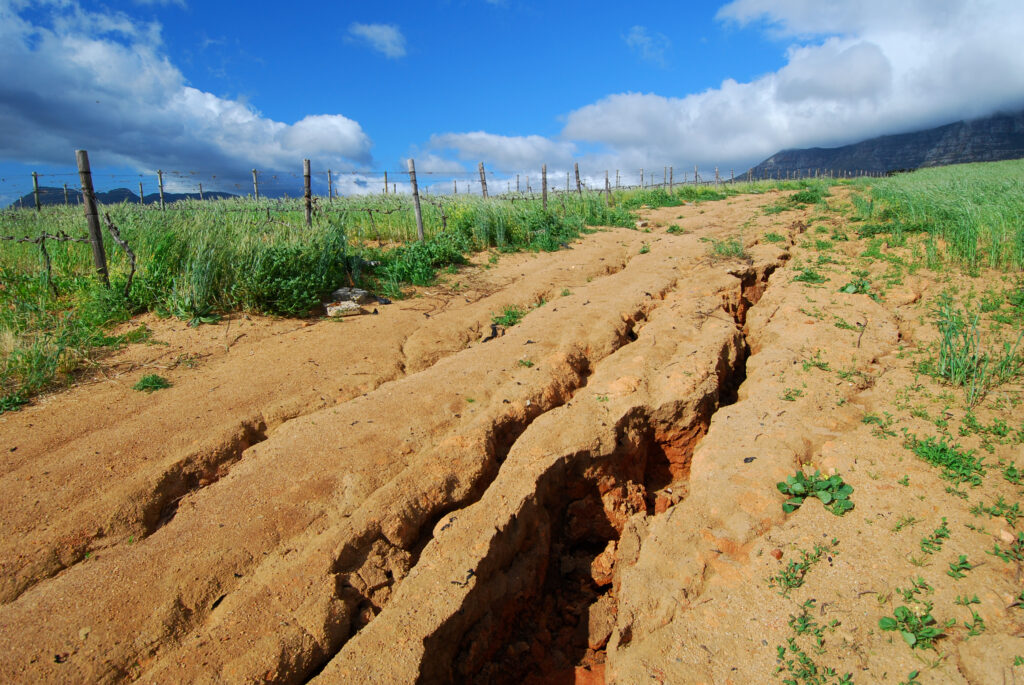
It's not for the faint of heart Going no-till certainly has been picking up steam in recent years, and overall it’s a good thing. When I first got involved in viticulture back in 2010 I was living in Italy. Like a lot of Mediterranean viticultural areas, there was a tendency to disc everything all the time. If you didn’t have a barren wasteland with vines poking out of it, you weren’t a good farmer. Anything you couldn’t get to with a tractor you sprayed with herbicide. One of my first vineyard jobs in Italy was spraying glyphosate out of a backpack sprayer all spring. I felt like I was in the final scene of the Godfather! Minus the dying part. Herbicide: the new four-letter word Mentalities have shifted since then both in Europe and here in the states. All in all it’s a good shift. We’ve all seen places that have gone on for years and years using herbicide to a point where you don’t even need to spray it anymore because that soil is so d
00
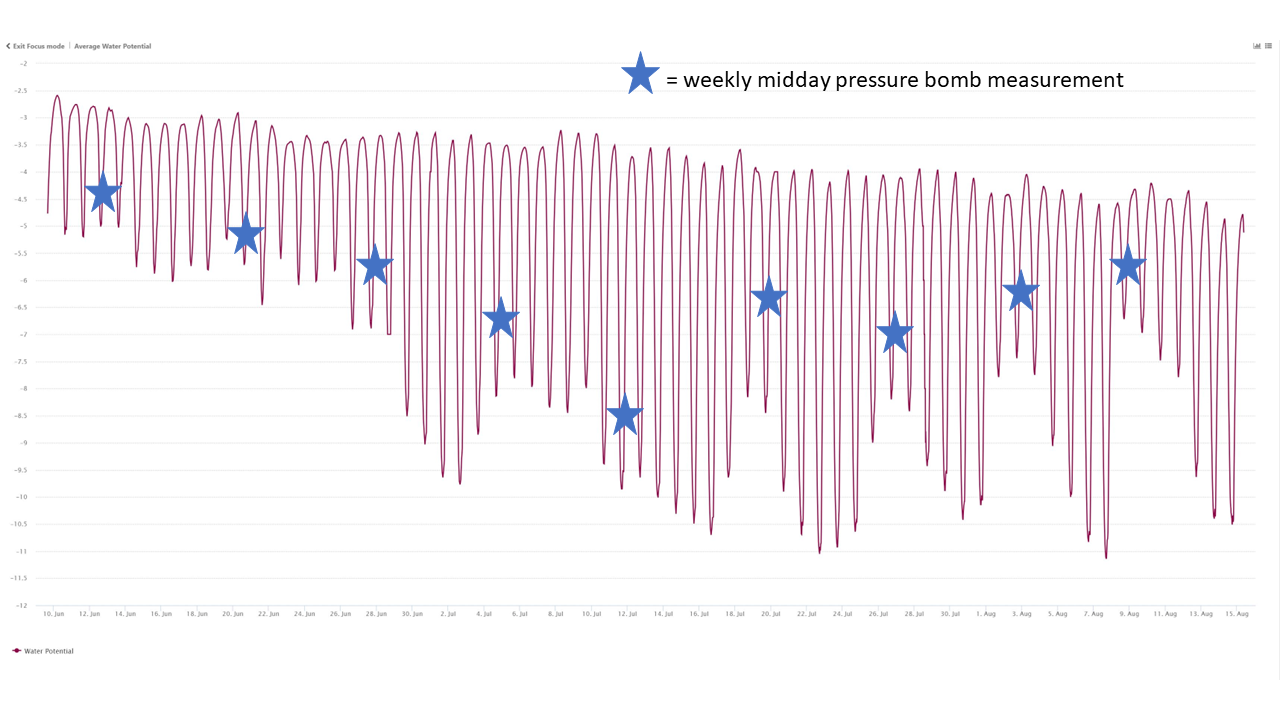
I once saw a commercial that said: “forget everything you thought you knew about slip covers”. So I did. Admittedly I don’t know a lot about slip covers. I do know quite a bit about plant stress. Up until recently, our constant flow of data on soil moisture has been studied along with weekly spot measurements of leaf water potential via pressure bomb. This year we switched to FloraPulse® plant stress sensors and holy moly, having real time data on plant stress is pretty wild. First of all, how much data are we talking about? This graph compares our real time plant stress measurements with what would be weekly midday pressure bomb measurements. Look at how much data we were missing just by looking at only weekly snapshots of plant stress. There is a lot of stuff going on those other 6 days, not to mention at night. Pressure bomb measurements are hypothetical. Stars are placed where weekly measurements would be made to illustrate data missed by manual measurements.
00
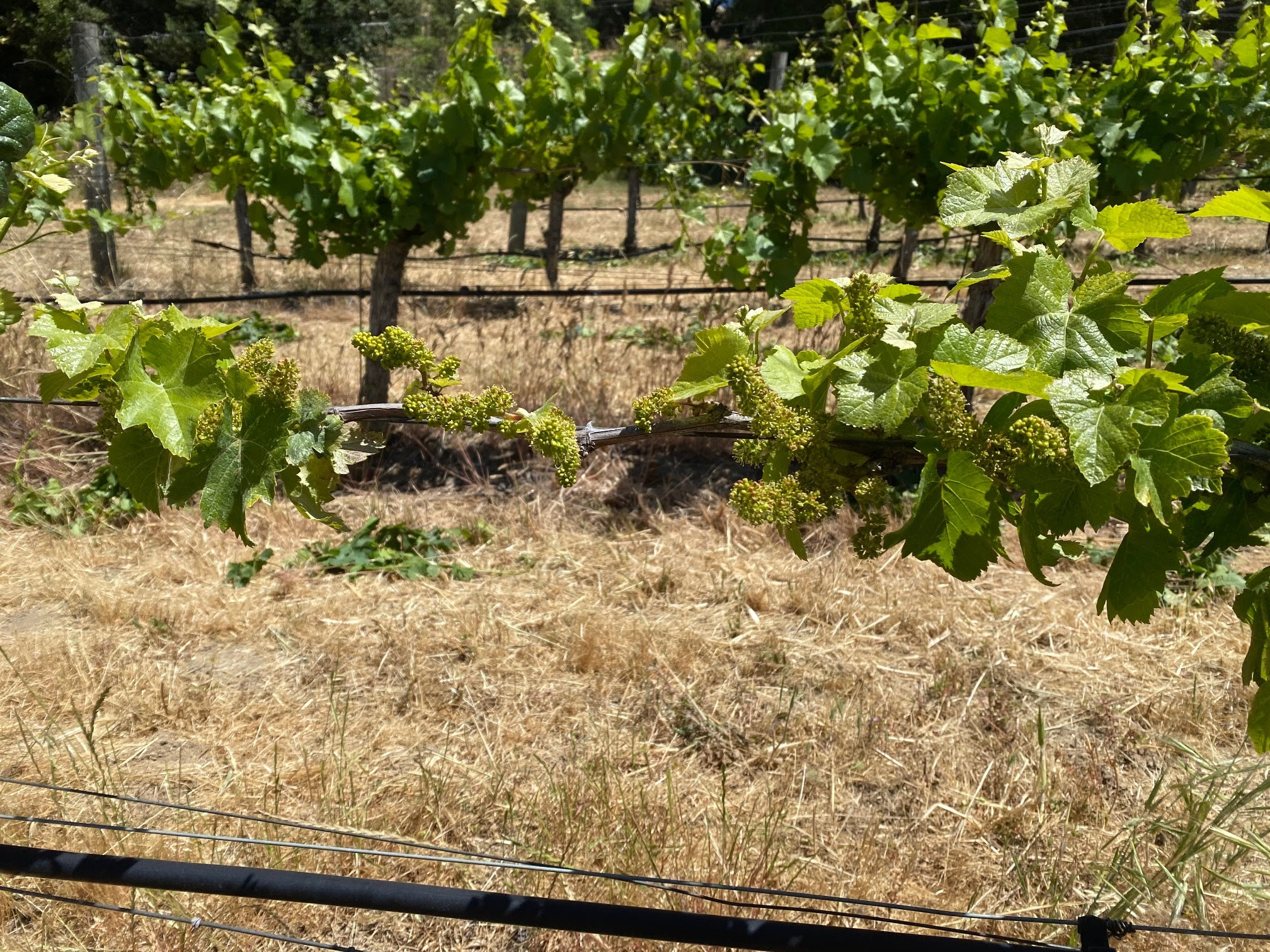
This week is supposed to be hot. Really hot. Any temperature over 105 degrees will cause damage and usually the surface of exposed fruit is 10-15 degrees F hotter than ambient temperature. We’re probably going to see some of that this week. A loose canopy protects fruit better than a tight VSP. For those growers that got roasted in June of 2021, it’s déjà vu all over again. The earlier in the season that heat damage hits, the worse it is. There’s the obvious fried fruit, but last year we saw damage to vascular tissue in the rachis as well as possible enzyme degradation that affected ripening for the rest of the season. The typical response we see from growers is to lay on the irrigation. That’s fine…but it probably isn’t going to help you that much. Having ample water in the soil will allow the canopy to transpire better and cool itself down, but it will do little to save this year’s crop. Berries just don't transpire mu
00
Vines' nutrient needs vary across the season, and bloom is a particularly sensitive time. Leading up to bloom, you want to make sure your micronutrients are on point. Boron and Zinc for instance are crucial if you want to ensure good set. On the other hand, too much nitrogen can reprogram your vines to think veggie and forgo fruit production all together. Once fruit is set though, it's time to lay on the macro-nutrients. Most vines benefit from Nitrogen and Phosphorous at this time. These will help your canopy expand and ripen up all those grapes you've got coming. If your vines need Potassium, now is a good time to apply it. Again...if they need it. I don't need to tell you how much winemakers freak out about the big K, but at this point vines are making good use of it and harvest is a long way off. You can read all about the importance of Potassium here. Calcium and Magnesium are also important, but overdoing one or the other can seriously mess with
00

April 1, 2022
As a convenient push-button source of measurement data, near infrared (NIR) analysis has significant potential to supplement chemical analysis solutions for testing, particularly for key parameters such as organic carbon. The use of NIR is gaining momentum as progress with the complicated business of calibrating NIR equipment for soil samples opens the way for more sustainable and efficient tests. The lab assistant pours a cup of grain into the top of an instrument, taps the touchscreen to start a test and then barely has time to look-up before the multi-parameter results pop-up on the display. For anyone working with quality control in areas such as grain handling, the advantages of rapid and convenient analysis with near infrared (NIR) instruments have long been obvious as an alternative to slower reference analysis and the hazardous chemical waste that goes with it. So if NIR is already proven for jobs such as the analysis of grain, feed, dairy powder, soymeal and myriad other app
00
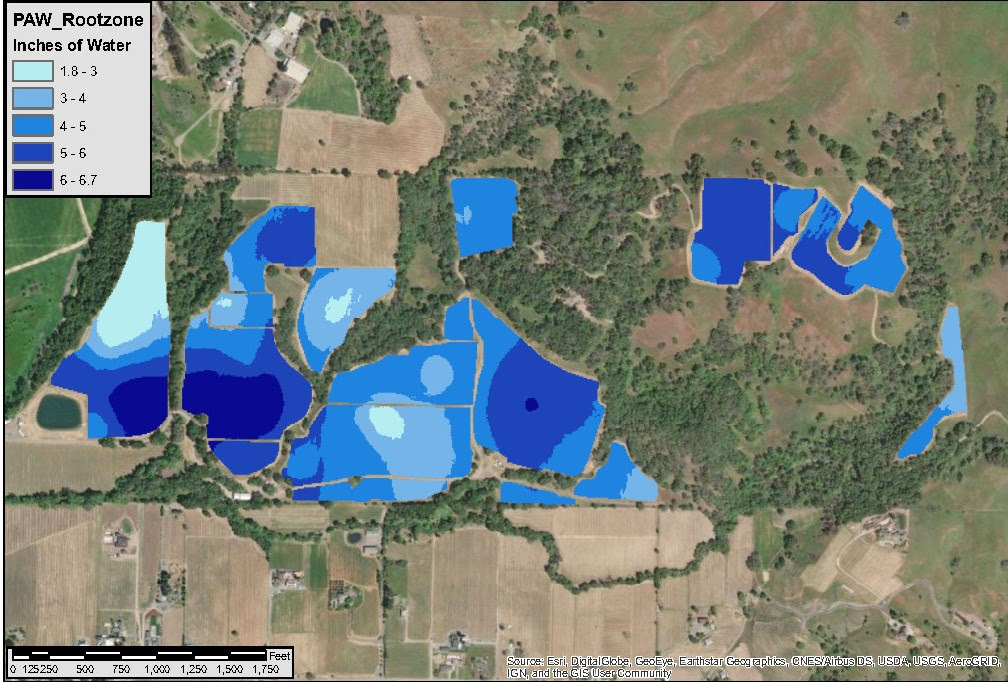
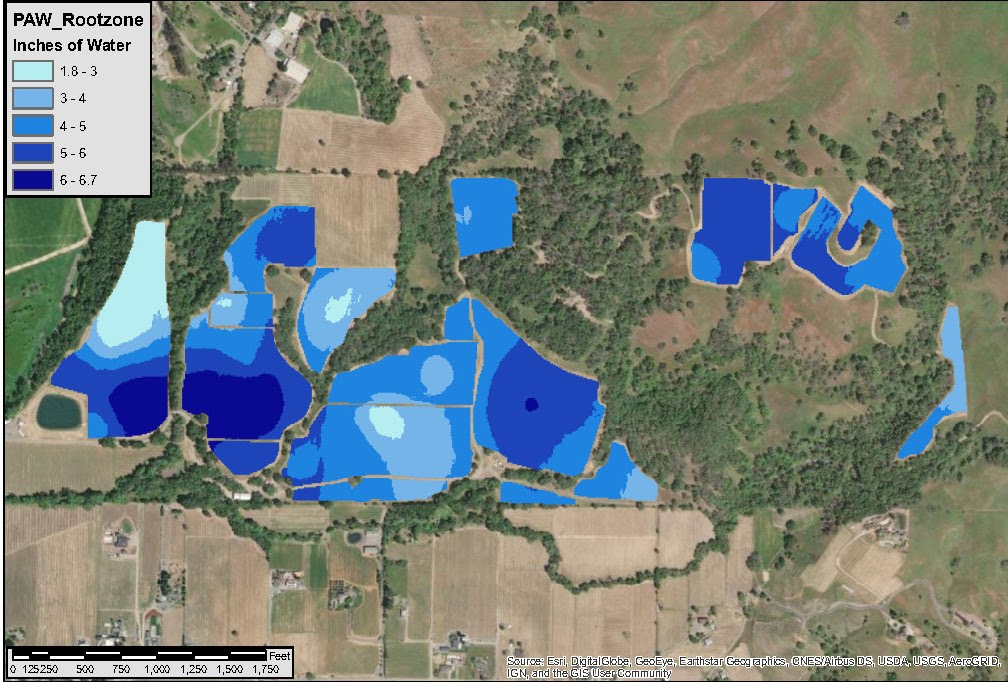
Here at AV we've been working with some new soil-sampling equipment: our power probe and electromagnetic soil electrical conductivity sensor. We've taken data collected via these tools and integrated it with old-fashioned soil pit analysis. The result is a way to spatially view numerous aspects of soils. Check it out! We can use this information to look varying levels of plant-available water in the rootzone. We can also look at differences in organic matter percentage. These are just a few examples of the numerous soil characteristics we can analyze and present. These maps consolidate tables of numerical data into spatial maps that are easily interpreted by anyone - not only soil experts! Read this recent response from one of our clients: "The amount of information is incredible. Very informative for a guy like me who doesn’t know much about the roles of different soil levels. The color map charts clearly show some mass differences throughout
00
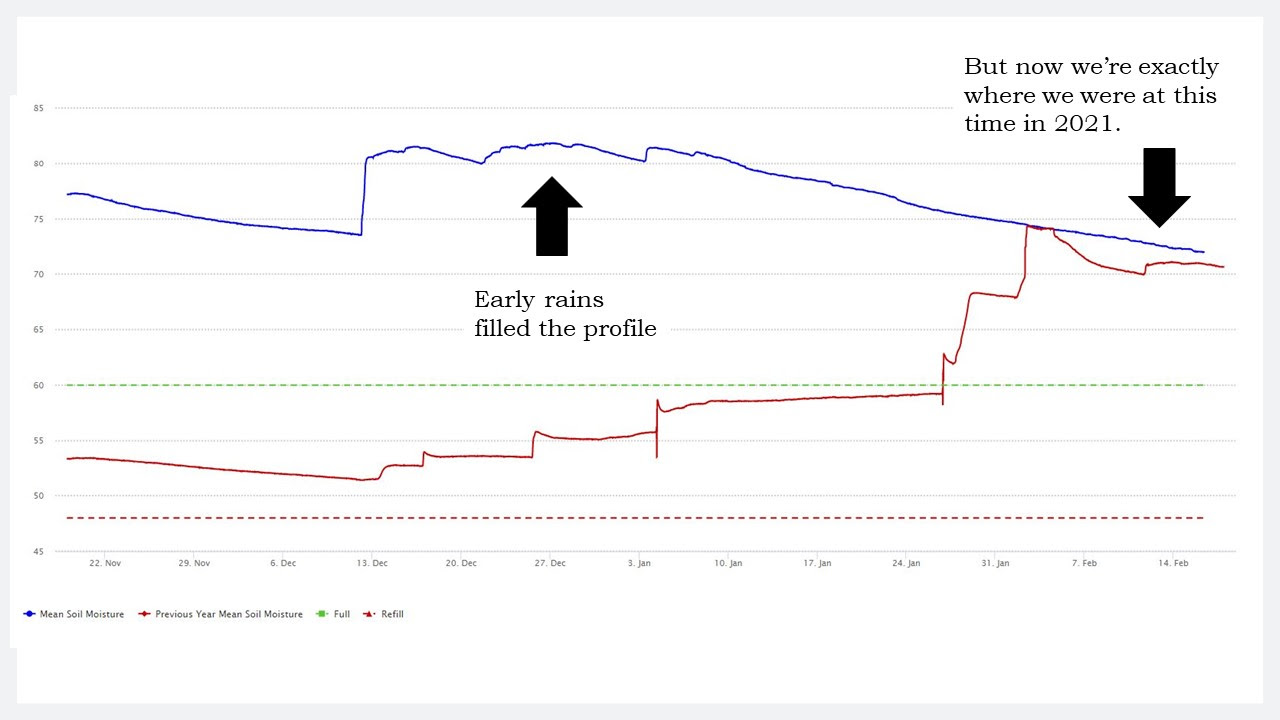
Things certainly were looking up a few months ago. Harvest ended. Nothing in Sonoma or Napa caught fire. And we even got rain! A lot of it. Here in Windsor, we finished out 2021 just south of 20 inches of rain for the fall season. But then that was it. I may not have made it through dry January, but the weather did. Now we’re looking at a February that’s just as temperate. Roll the footage… We love our soil probes here at AV, so let’s take a look at how this year stacks up against its parched predecessor. Below is a Napa site. Now keep in mind, we had some rain in February of 2021, but as you can see the moisture reserves that we accumulated in the fall have left us exactly where we were last year, and that’s not a comforting place to be… Ditto in the Russian River Valley… So is 2022 going to be just as hard? Yes and no. One of the major problems last year was running out of water. If you use surface water-fed ponds, the early rains w
00