
Filter Post Type
NewsVideoProductEventLink
Sort:
Most Recent
1–10 of 13

January 22, 2026
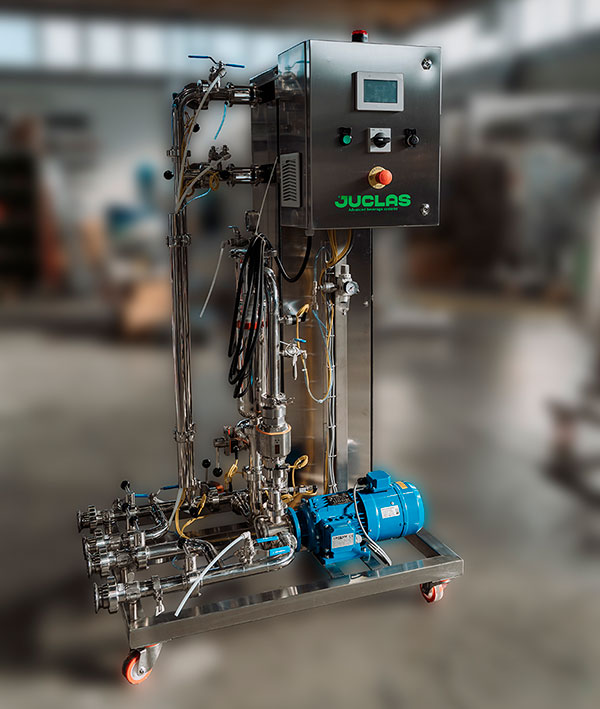
Techniques available to winemakers, especially for those crafting fine white and sparkling wines, have continued to evolve through the years, providing more sophisticated options for fine-tuning the style and complexity of their finished products. Winemakers frequently use cross-flow filtration for clarification and microbial stabilization of wine. The tangential flow of juice across the filter’s membrane surface limits clogging and allows continuous cleaning of the membrane. This technology is well-suited for wineries seeking very fine clarification during post-fermentation processing. However, its highly automated machinery can be too expensive for smaller wineries, and its high product loss level is more impactful for small batch processing of high-quality wines. “Today, these smaller wineries use cross-flows from mobile services or manual systems, very likely pad filters,” says Massimiliano Buiani, Chief Operating Officer for JUCLAS, USA. “Pad filte
00

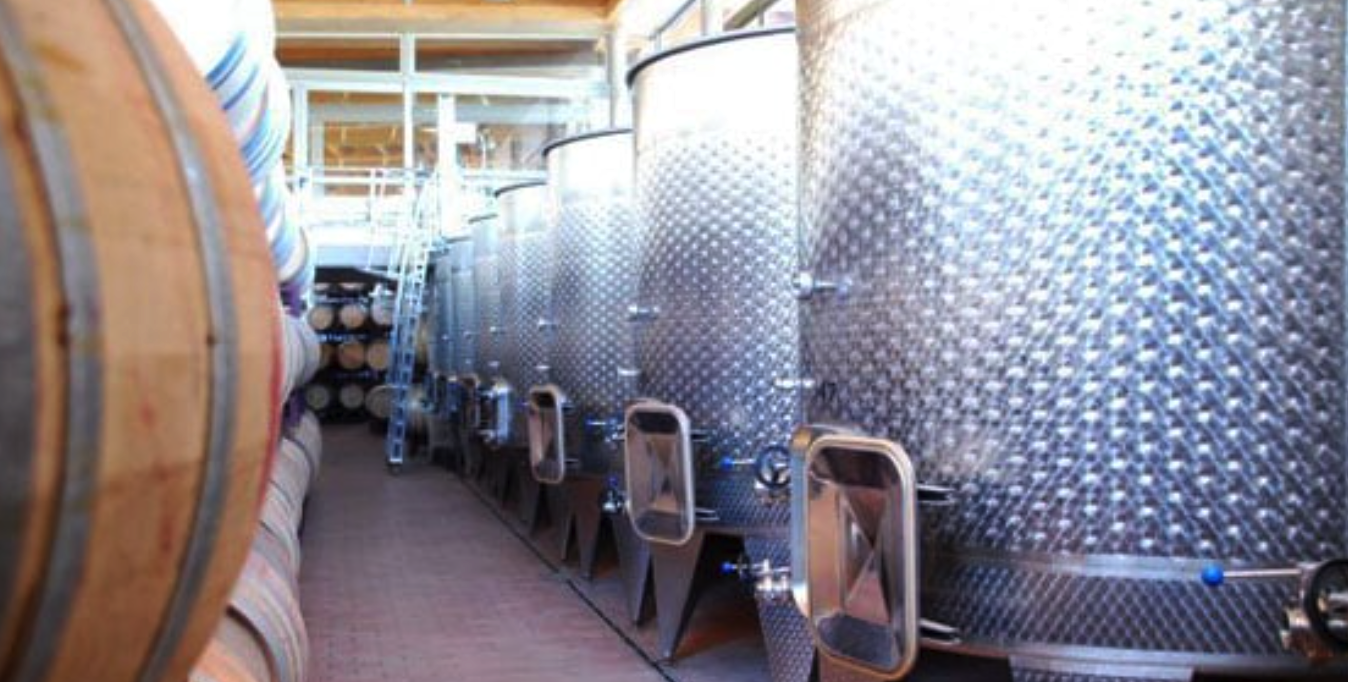
When it comes to winemaking, the tools and techniques used behind the scenes can significantly influence the quality of the final product. Air compressors are a versatile and indispensable part of the process. From maintaining a pristine production environment to aiding in critical processes, they play a key role in ensuring wine quality. In this guide, we’ll explore how air pressure impacts wine quality and how winemakers can effectively use air compressors to elevate their craft. The Role of Air Compressors in Cleaning and Sanitation Cleanliness is the foundation of great wine. Any contamination during the winemaking process can ruin an entire batch. Air compressors assist in maintaining strict hygiene standards by powering tools used for cleaning barrels, tanks, and other equipment. Compressed air enables high-pressure washing systems to reach even the smallest crevices, ensuring that bacteria and residues are thoroughly removed. By maintaining an ultra-clean environment, win
00

August 6, 2024
Flextank Helps La Mesa Vineyards Deliver Award-Winning Wines Sweep Gold Medals At Three Prestigious California Wine Competitions La Mesa Vineyards uses Flextank vessels to capture gold medals and create top small-batch artisan-style wines of exceptional quality. Vancouver, Wash. – August 06, 2024 – Flextank, the leader in advanced oxygen-permeable polyethylene tanks for wine, cider, spirits and craft beverage fermentation and storage, today announced one of the company’s premier Flextank customers, La Mesa Vineyards, recently swept prestigious industry wine awards in three separate competitions. The Amador County, Calif.-based La Mesa Vineyards received several Gold, Double Gold and Best-in-Class awards at the respected 2024 Peninsula Underground "Under the Radar" California wine competition, 2024 Orange County Fair Commercial Wine competition, and at the 2024 California State Fair competition. Competition is Fierce. Flextank Helps Deliver Awar
00

June 30, 2022
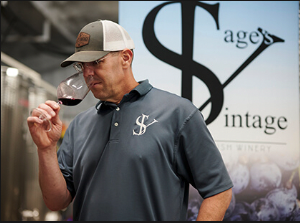
American winery owners from coast to coast rely on Process2Wine winery management software to make each day run smoothly. Process2Wine software is developed by Ertus Group, a French company that came to the US with decades of grape-growing and winemaking experience built into a grape-to-bottle software solution packed with functionality and backed by a technical understanding of what vineyard and winery owners need to succeed. The founder Alain Sutre was formerly the director of prestigious estates in Bordeaux. Thanks to his vision, and to collaboration with experts in the field, Sutre launched Process2Wine in 2011 with the aim of planning and managing all the winemaking operations. We reached out to users to find out why they like working with Process2Wine winery management software. Here are the results: Why they chose Process2Wine Some wineries find Process2Wine through word of mouth. That includes Wes Jensen at Sages Vintage in Nacogdoches, Texas, who says, “I
11

November 15, 2021
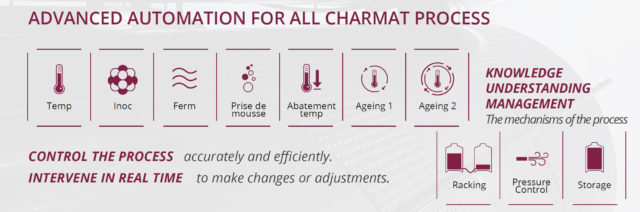
ATPGroup and their trusted partner Parsec move into the US sparkling wine production market. Introducing Aphromate Plus which offers an innovative and precise control system for the automation of the Charmat method sparkling wine process. ATPGroup prides themselves on “relentless innovation” across the wine, beer, food, and pharmaceutical industries. Their enology team partners with wineries to provide technical solutions, to make innovative product recommendations, and can help overcome a variety of winemaking challenges. By bringing Parsec’s revolutionary European system to the US in the form of Aphromate Plus, they are giving wineries more options for sparkling wine production. The Charmat method was created in Italy and is a sparkling winemaking process that traps bubbles in wine via carbonation in large steel tanks. The Charmat method is used in Italy to produce Prosecco, Moscato, Lambrusco, and others, and in Spain for non-method champenoise-made spa
00

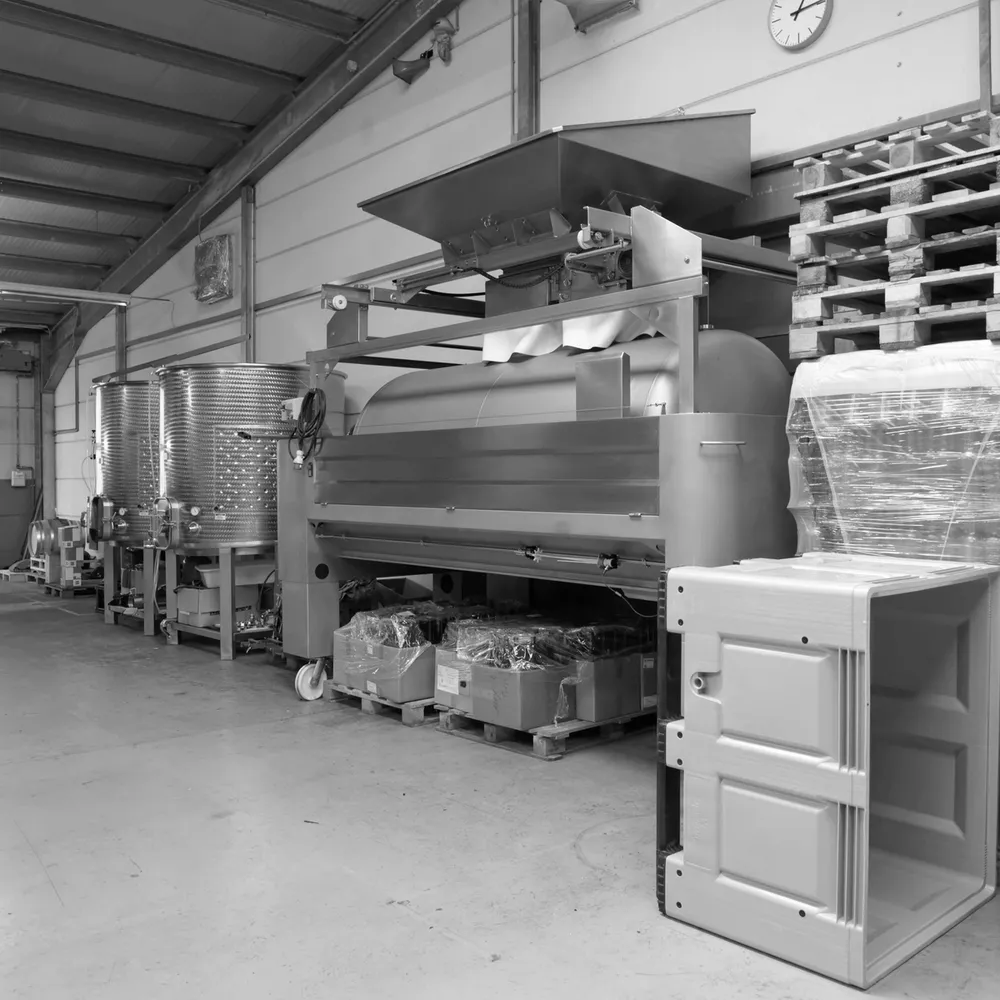
In Part One of our guide to building a crush pad we looked at receiving and processing grapes for fermentation or pressing. Let's now take a look at presses. The question of basket vs. membrane press comes up frequently, so let's address it upfront. Basket vs. Pneumatic Membrane Presses Since we're focusing on crush pads processing anywhere from 3 to 20+ tons per hour of grapes, we'll look at the two most popular options for crush pads of this size: basket and pneumatic membrane presses. Basket Presses For a deeper dive you can check out our Guide to Basket Presses. But as a general overview, basket presses have a "platen" (large flat plate) that is connected to one or more hydraulic pistons. The pistons push the platen down slowly until it reaches the grapes held in a cylindrical basket. These hydraulic pistons are capable of generating tens of thousands of pounds of force. As this force reaches the grapes and is distributed over the surface of the
00

Wineries producing small lots of white or rose wines can face many challenges throughout the various phases of winemaking. Below are some of the steps in making these 2 varietals, and ways Flextanks can help solve common challenges along the way: Phase #1 Grape Picking & Transportation The typical production cycle for whites/roses’ begins with transporting the ripe fruit to the winery. Flextank offers several options for picking bins and transporting totes for use in the vineyard and fruit transport to the winery. These bins are built in the US using extremely durable, FDA-approved resins. They are easy to clean and have a solid wall construction, which means no cracks or voids to harbor bacteria. Our most popular bins for grape transportation are the Versa Bins which include stacking lids for stacking bins 2-3 high for transportation. Phase #2 Sorting Out the MOG After receiving the fruit at the winery the next important step is sorting out the “MOG” (mate
00


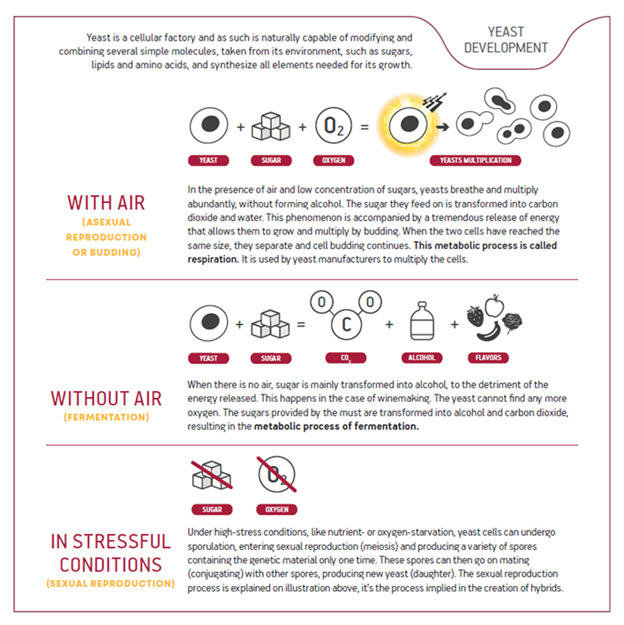
What is Yeast? Yeast are Eukariotic, single cell microorganisms that belongs to the kingdom of the Fungi. There are several yeast species in the Saccharomyces genera: Saccharomyces cerevisiae, S. pastorianus, S. bayanus, etc ... This diversity arises from different origins like mutations, genome assortment or hybridization. The most well- known species used industrially is Saccharomyces cerevisiae, but there are many other types of yeast. Etymologically, "saccharo" comes from sugar, "myces" from fungus and "cerevisiae" means "beers" in Latin. More commonly, Saccharomyces cerevisiae are called "brewers yeasts" and "bakers yeasts" but they may also be called "budding yeast," according to their means of reproduction. Active Dry Yeast (ADY) Active dry yeast is the freshest yeast format used in the winemaking industry. At Fermentis, we select and manufacture yeast that is used for a wide variety of wine styles. Our e
00
October 19, 2020
Along with increasing quality and decreasing costs, oak alternatives including tannins, chips, and staves combined with a program of micro-oxygenation during ageing, offer distinct advantages for wines that are or may be impacted by smoke. Tannins and oak treatment can help mask smoke taint but come with a risk of having the opposite effect and acting synergistically to enhance the smoke character instead, especially those with heavier toast profiles. Incorporating micro-oxygenation into the mix gives the winemaker greater control to dial in the specific oak character to suit different wines and conditions. Unlike barrels, the sensory impact of the tannins and oak alternatives can be bench-trialed before you commit to complete batches.
Additionally, because smoke compounds and any possible residual Brettanomyces in barrels can increase the perception of smoke aromas, it is always best to avoid barrels, especially with wines post-remediation.
Finally, when dealing with smoke tai
10