
Filter Post Type
Sort:
Most Recent
110 of 433
Maximizing Tight Spaces: Narrow Aisle Equipment Solutions
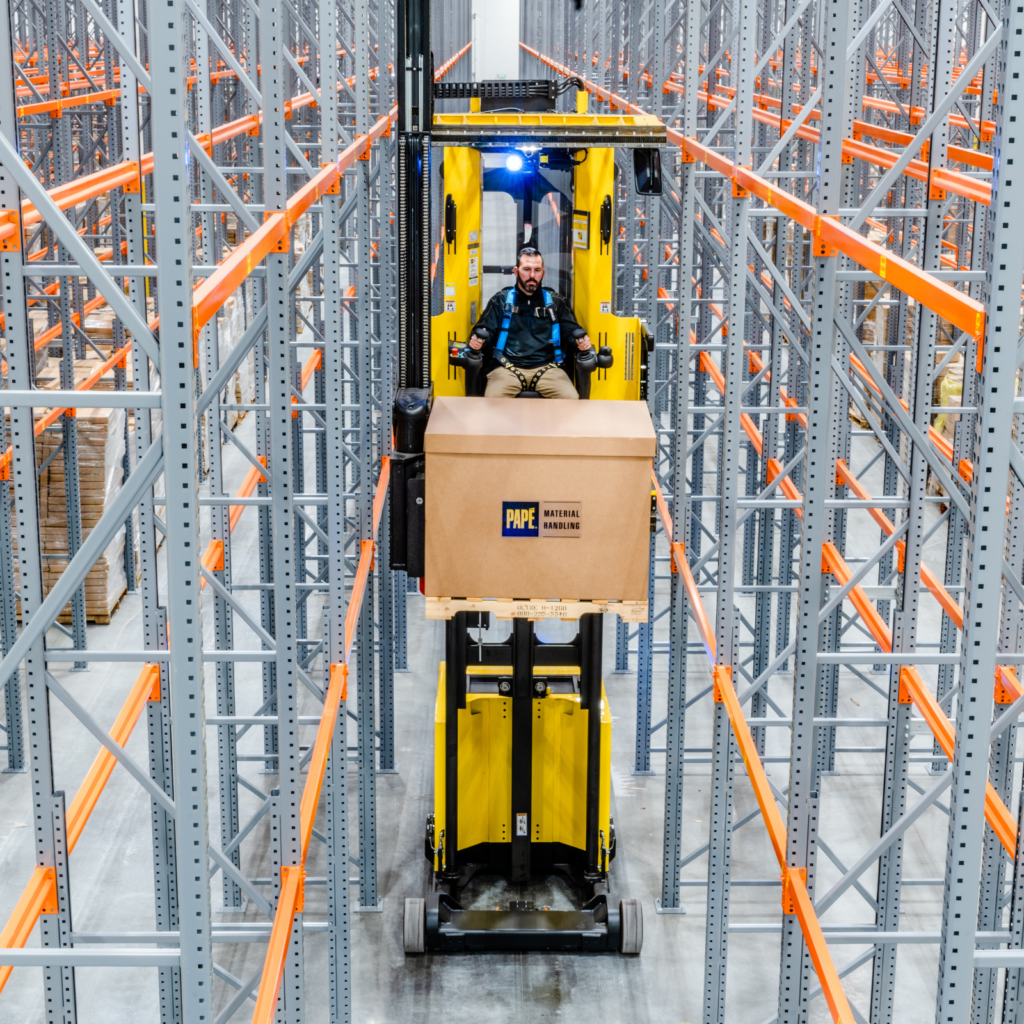
As inventory grows and SKU counts increase, many warehouses feel pressure before they run out of space. The real challenge often shows up in the aisles, at the rack, and around staging areas where congestion slows operations. The right narrow aisle solution can increase storage density, enhance maneuverability, and keep goods moving smoothly. Instead of expanding your footprint, many facilities can unlock capacity by rethinking equipment, racking, and traffic flow. At Papé Material Handling, this broader approach connects layout planning, operator-focused technology, lift trucks, racking, automation, and fleet management to keep warehouse operations running efficiently and safely. Safety and Productivity Go Hand in Hand With tighter spaces, control, visibility, training, and maintenance become even more important. In a narrow aisle environment, small inefficiencies can quickly lead to product damage or increase the risk of injury. That’s why productivity and safety need t
00

Wine Club Scorecard

For Winery Owners, GMs & Wine Club Managers


Your Wine Club Deserves Better Than a Best Guess


Talk to enough wine club managers and a pattern starts to emerge. The club is running. Shipments are going out. Members are renewing, mostly. And yet there is this persistent, low-grade frustration that things could be doing so much more, and nobody can quite agree on what better actually looks like or where to start.


That is not a people problem. It is not even really a strategy problem. It is what happens when you are managing something genuinely complex without a clear baseline to work from.


Wine clubs are one of the most valuable revenue channels a winery can have. Done well, they create reliable recurring income, deepen customer loyalty, and turn occasional buyers into genuine advocates. But they are also difficult to manage well. You are balancing member experience, logistics, pricing, retention, acquisition, and brand storytelling all at once. And most teams are doing it without any real benchmark for how they are performing relative to what is possible.


You fix what is loudest, not necessarily what matters most.

So decisions get made on feel. Churn ticks up and the instinct is to throw a discount at it. Acquisition slows and suddenly everyone is debating whether to restructure the club tiers. Revenue per shipment plateaus and nobody is quite sure if that is a pricing issue, a product issue, or just the market.


What the best clubs do differently

The wineries that run their clubs well tend to have one thing in common: they have taken the time to actually understand where they stand. Not in a vague, gut-check kind of way, but specifically. They know their retention rate and what is driving it. They know which member segments are most valuable and why. They know where their acquisition funnel leaks and what a realistic cost per new member should look like. That clarity changes how they make decisions.

Most clubs do not have that clarity. Not because the people running them are not capable, but because nobody ever gave them a framework to build it from. That is the gap the Wine Club Scorecard was designed to fill.


What you actually get

The Wine Club Scorecard is a free assessment built specifically for winery owners, GMs, and wine club managers who want an honest read on how their club is performing. It covers the areas that actually drive club health: member retention, acquisition strategy, engagement, revenue per shipment, and overall club structure.


You answer a series of questions about how your club operates today, and what comes back is a genuine report with benchmarks, clear data on where you stand, and specific steps you can take to improve. Whether your club has 200 members or 2,000, the output is the same: real information you can act on.


The whole thing takes about five minutes. And the conversations it tends to start, with your team, with ownership, with whoever makes decisions about where to invest, are usually long overdue.


If you have had that nagging sense that your club is running but not quite performing, this is a good place to start. Not because it will hand you a magic fix, but because you cannot fix what you have not clearly identified. A lot of wine clubs are leaving real money and real member relationships on the table, not out of negligence, but simply because no one has stepped back to look at the full picture.


Now is a good time to look.

Free report. Benchmarked data. Clear next steps. Takes five minutes.

Take the Free Scorecard wineclubscorecard.com


© 2026 WineClubScorecard.com  ·  Built for the wine industry.

00
Starting Irrigation Season with Soil Moisture in Mind
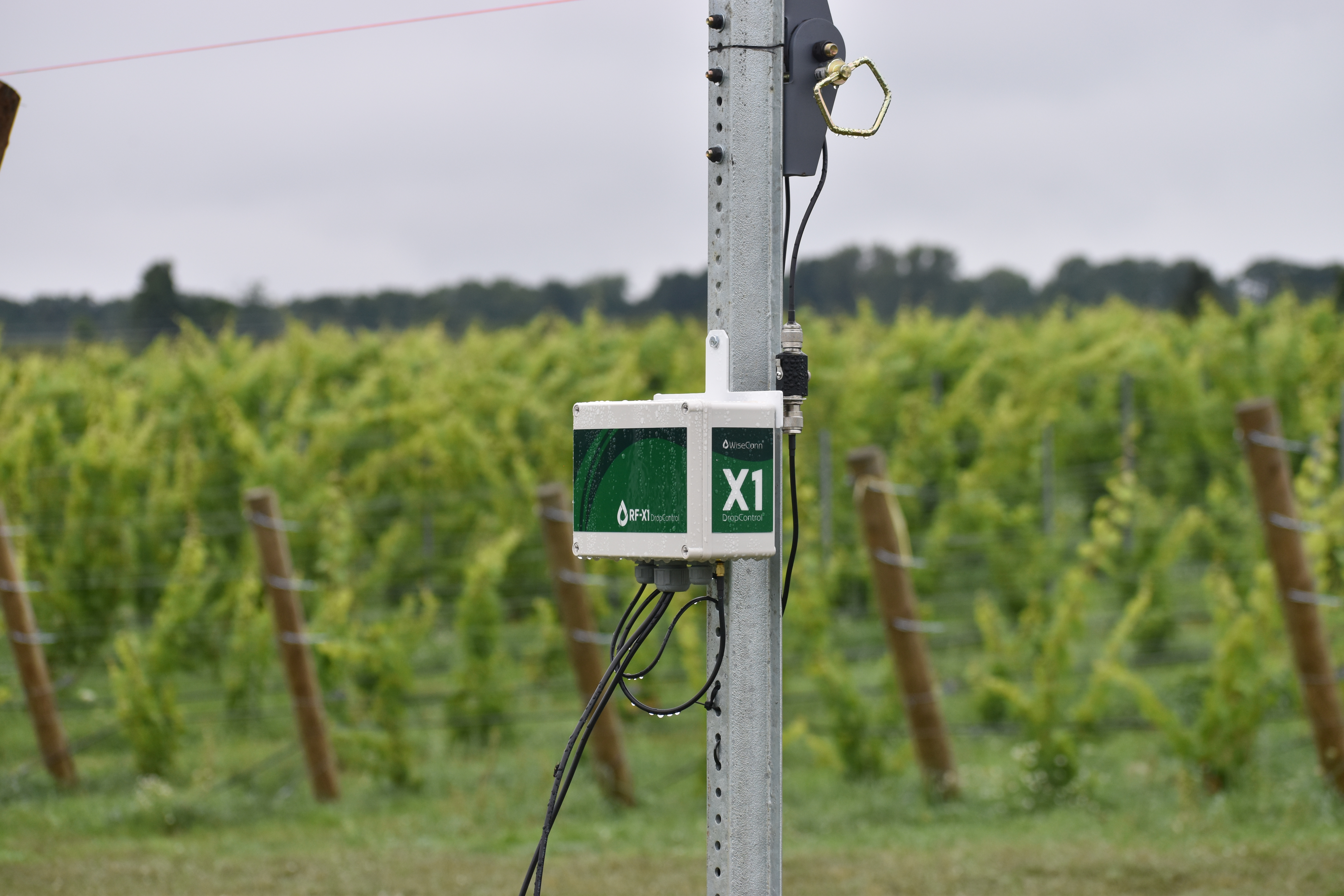
Across California vineyards, soil health is becoming more measurable, shifting the focus from practice alone to understanding how soils actually function and how that impacts water management in the field. Rather than relying only on inputs like cover crops or compost, growers are starting to look more closely at how their soils hold, move, and supply water to the vine throughout the season. Soil health is not a single metric, but a combination of physical, chemical, and biological factors that work together. Indicators like soil organic carbon, mineralizable carbon, and aggregate stability are becoming more widely used because they help explain how well a soil can retain moisture, support microbial activity, and maintain structure under irrigation. These characteristics directly influence how water is stored in the root zone and how consistently it is available to the vine. That variability becomes especially important during irrigation season. Two blocks receiving the same
00
Enhancing Field Inspections: Real-Time Scouting and Issue Resolution
Accurate, timely field inspections are critical for vineyard performance. Traditionally, managers rely on paper notes or delayed reports from scouts, which can lead to incomplete information, slower response times, and missed opportunities to protect yield and quality. For vineyards operating across multiple blocks, this lag in communication and visibility can cascade into inefficiencies, crop losses, or unnecessary expenses. The core challenge lies in capturing precise observations and translating them into actionable work. Pest activity, vine health, irrigation problems, and canopy concerns all require attention at the block level. Without real-time reporting, managers may only become aware of problems after they have already impacted yield, forcing reactive interventions instead of proactive measures. AgCode addresses these challenges by enabling real-time scouting and rapid issue resolution. Scouts and field crews log observations directly through mobile devices, including photos,
00
A Winery is a Business. Start Running It Like One.
Oh sure, there’s a ton of romance and history in the origins of winemaking. And every boutique enterprise, no matter how large or small, has a charming tale to tell about their artisan craft and how it all got started. But at the end of the day, wineries live or die by their numbers. No matter how compelling the story or how good the wine, if the numbers don’t work, the business is bound to fail. To avoid that, it’s imperative for wineries to have rock-solid data on their day-to-day fiscal operations so they’re able to determine the overall health of their organization. That’s where having the right financial infrastructure in place becomes critical. Set Up for Wine Industry Protea Financial is an outsourced, operational financial partner intentionally focused on the complexities and challenges of wineries. Winery owners need accurate bookkeeping, timely reporting and proactive inventory management in order to drive profitability. With 12+ years in the business
00
FEATURED Bulk Wine Listing on the WIN Marketplace: 2023 Columbia Valley Sauvignon Blanc
Fresh Whites for Warmer Days    Now available: 2023 Columbia Valley Sauvignon Blanc — a fresh, versatile bulk wine option for wineries refining white wine programs and planning upcoming releases. Columbia Valley’s climate of warm days and cool nights supports slow, even ripening while preserving natural acidity, resulting in wines with bright fruit character and crisp balance. This makes Sauvignon Blanc a strong fit for both standalone bottlings and blending applications. View Listing The WIN Marketplace is built to connect buyers and sellers across the wine industry, and listings like this 2023 Columbia Valley Sauvignon Blanc highlight how the platform helps wineries efficiently source quality wines from trusted producers. With its bright acidity, fresh fruit profile, and versatility, Sauvignon Blanc is a valuable option for both blending and standalone programs as wineries refine their white wine portfolios. If you have bulk wine available, now is an ideal ti
00
California’s 2025 Grape Crush: Progress, But Not Yet Balance
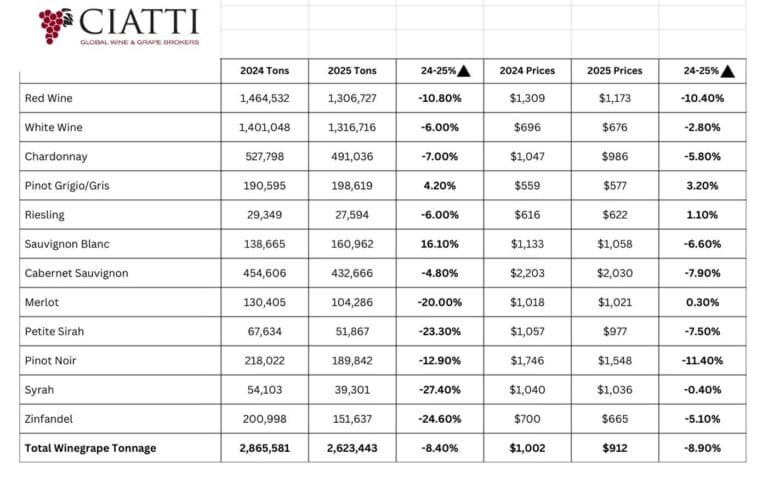
The later-than-usual release of the Grape Crush Report had everyone doing what this industry does best: guessing. And when the number finally dropped, it landed somewhere between “not great” and “not nearly low enough to matter.” At approximately 2.6 million tons, the 2025 crush came in higher than most had hoped, and, more importantly, higher than many believe the market actually needs. The Facts: What the Crush Report Tells Us Data released by the California Department of Food and Agriculture shows that the 2025 grape crush totaled approximately 2.6 million tons. That represents a decline of just over 8% from the prior year and marks the smallest crop since the late 1990s. On the surface, that’s a meaningful shift. After several years where production consistently exceeded 3 million tons, supply is clearly beginning to respond. But the details matter. Key premium varieties such as Cabernet Sauvignon, Chardonnay, and Pinot Noir all declined, while certain
00
What Top Performing DTC Wineries Are Doing Differently in 2026
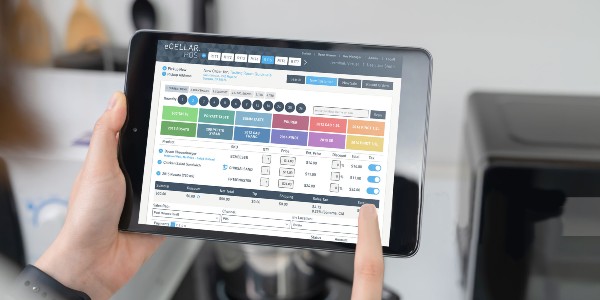
As wineries navigate shifting consumer behavior, rising costs, and increasing compliance complexity, one thing is clear. The gap between average and top performing direct to consumer programs is widening. At eCELLAR, we see this play out every day across our winery clients. The difference is not just better wine or stronger brand recognition. It is operational. Top performing wineries are taking a more intentional approach to customer relationships, internal workflows, and conversion. Increasingly, success comes down to how well technology supports those efforts behind the scenes 1. They Personalize the Club Purchase Experience Wine clubs continue to be one of the most important drivers of long-term revenue. Managing them effectively requires more than basic functionality. Wineries seeing the most success are: Offering more flexible club structures Automating recurring processes Creating a seamless member experience across channels As club models evolve, the systems supporting them ne
00
Ciatti Global Market Report - March 2026
Recent-vintage stocks growing tighter The 2026 harvests in the Southern Hemisphere are in full swing – a number are ahead of a typical schedule, in fact – and this month’s Global Market Report provides the latest on conditions, grape quality, and crop-size expectations. With one exception, the bulk markets of the world have been quiet over the past month. The introduction to our March 2025 report applies again 12 months on: “The bulk market can be characterised as slow and steady since mid-February, with the Southern Hemisphere focused on harvest and demand in the Northern Hemisphere dampened by flat or declining retail sales and, in Spain, some elevated pricing.” Wary buyers are waiting to see how the harvests affect availability and pricing before committing, perhaps using the intervening time to take the industry pulse at shows like Wine Paris (growing in prominence; we review its recent instalment here) and ProWein, and generally try to gain a read on
00
Ciatti California Market Report - March 2026
Green shoots: Is this a “transitional moment”? With spring getting underway, this month’s California Report assesses vineyard conditions, grape demand, and whether the bulk wine and grape markets are seeing the first tentative green shoots of  recovery: Is the industry in a “transitional moment” before growth returns later this year or next? We dive into recent reports that case-good sales declines in the US are slowing, using the latest SipSource US wholesale depletions data to pick out some sales trends. The convergence of pricing toward California-appellation levels on all but a select handful of wines theoretically enables bulk wine buyers to make their decisions based purely on which samples best meet their quality/character specifications. This has opened up product development and scope for wine companies to attack potential retail opportunities. With wine aisles growing shorter, this is a challenging time to “buy the dip” with inn
00