
Filter Post Type
NewsVideoProductEventLink
Sort:
Most Recent
1–5 of 5

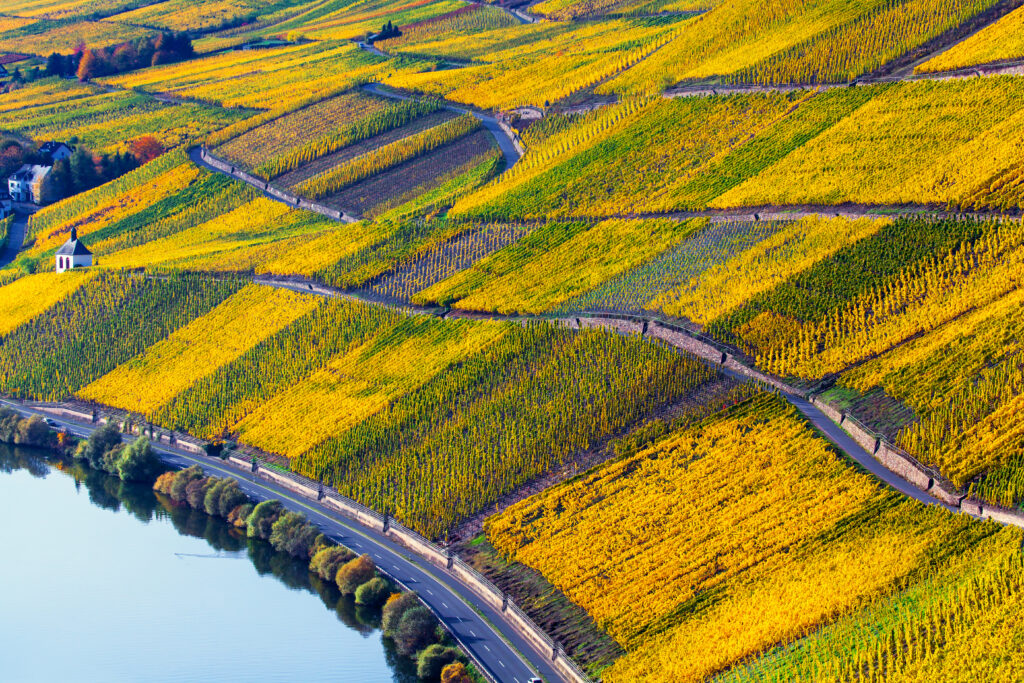
The conversations I have about quality tend to focus on red wine. This is especially true in California, where Napa Cabs have historically garnered high prices, followed up by Coastal Pinot noirs and red Rhones. Honestly, in most places I’ve been where the climate allows for ripening red grapes, the reds are the main event with the whites being more of a warm-up act or even an afterthought. As a result, we know a lot about how to grow red grapes for quality – and less about how to grow whites. Consumer tastes are shifting though, and the big reds of yore are taking a back seat. Drinkers want lower alcohol wines with a lighter style and wineries are taking fewer risks with wine they can turn around in under a year. As a result, white varieties are in hot demand. If you’re a grower who can’t sell your grapes, you may very well be considering grafting some of your reds over to white. So how do you grow a good white? In many ways whites are harder than their r
00

March 28, 2025
Elevate Your Vineyard's Appeal to Grape Buyers with In-Season Berry Phenolic Testing CVC Ag is excited to offer weekly berry phenolic tracking. Our precision sampling and analysis services help you monitor key wine quality markers—essential for color, tannin structure, mouthfeel, and aging potential. Why Phenolic Tracking Matters Data-Driven Harvest Decisions – Go beyond Brix and acidity to pick at peak phenolic maturity. Consistency & Quality Control – Achieve uniform phenolic expression year after year. Maximize Grape Value – Deliver fruit with premium quality metrics that buyers demand. CVC's Phenolic Analysis Services Total Anthocyanins – Monitor seasonal color evolution to ensure optimal grape maturity and wine quality. Catechins (Tannins) – Measure seed-derived tannins known for their impact on bitterness, astringency, and aging potential. Total Polyphenols – Track polyphenol development, key cont
00
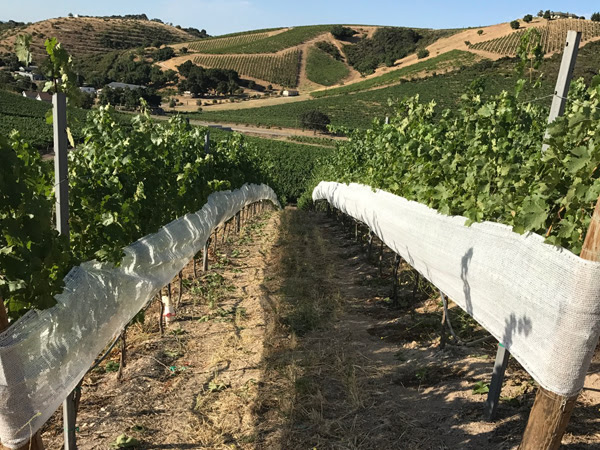
The following is an excerpt from our new blogpost. With the dramatic ups and downs of the climate, shade cloth is rapidly becoming a necessity here in California. I’ve written a bit about shade cloth before, but recently we were asked by a client if colored shade cloth made any difference. Luckily, the UCDavis Extension led by Kaan Kurtural has done the legwork for us. Kurtural et al. examined the effectiveness of 4 different shade cloth colors: 40% black, 40% blue, 40% Aluminet (Shiny), and 20% Pearl. The percentages refer to how much light each cloth excluded. They compared these shade cloths to a control, where no shade cloth was used. Shade cloth is now available in all sorts of colors, but black is still the best for limiting heat stress in the fruit zone. It’s important to go over some physiology at this point, mainly how grapes are affected by light and heat. Light, more specifically UV and visible light, can cause the increased synthesis of anthoc
00
This week is supposed to be hot. Really hot. Any temperature over 105 degrees will cause damage and usually the surface of exposed fruit is 10-15 degrees F hotter than ambient temperature. We’re probably going to see some of that this week. A loose canopy protects fruit better than a tight VSP. For those growers that got roasted in June of 2021, it’s déjà vu all over again. The earlier in the season that heat damage hits, the worse it is. There’s the obvious fried fruit, but last year we saw damage to vascular tissue in the rachis as well as possible enzyme degradation that affected ripening for the rest of the season. The typical response we see from growers is to lay on the irrigation. That’s fine…but it probably isn’t going to help you that much. Having ample water in the soil will allow the canopy to transpire better and cool itself down, but it will do little to save this year’s crop. Berries just don't transpire mu
00
What it means to winegrapes and what we can do about it
I'm not an expert in climatology, and I’ll bet most of you are not either. That is why I listen to experts on the subject of climate change. I concluded, long ago, that not only is it real, but humankind has played a large part in the most recent and dramatic changes in weather patterns and weather-related events. I’d like to avoid politics in this viticulture column, but I find it painful to hear that deniers are still out there. Sure, there are some scientists that deny anthropogenic causes for climate change, but they represent only a tiny minority of scientists who have seen enough evidence supporting man-made climate change. In fact, many of the scientists being touted by climate change deniers are not climate scientists at all—some are not true scientists at all.
What struck me and made me a believer many years ago, was the dramatic spike in atmospheric CO2 concentration over the last several decades
00