
Filter Post Type
NewsVideoProductEventLink
Sort:
Most Recent
1–10 of 20
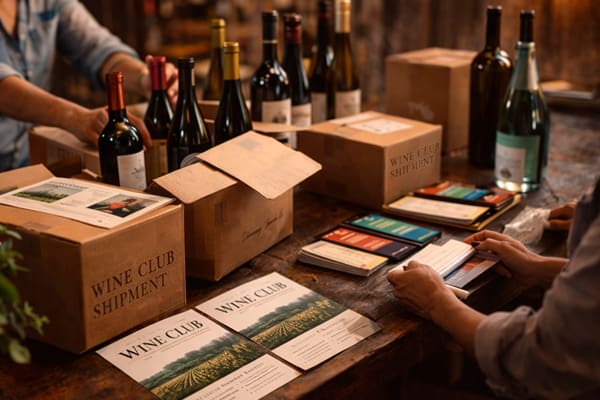
Why Wine Clubs Aren’t Working, And What’s Replacing Them For many wineries, the biggest challenge today isn’t attracting new customers; it’s keeping the ones they already have. Wine clubs once represented the most stable revenue engine for wineries. Members signed up, shipments went out quarterly, and predictable revenue flowed in. It was the foundation of direct-to-consumer success. But that foundation is cracking. Recent industry data reveals a troubling trend: nearly 40% of wine club members cancel within the first year. In a market where customer acquisition costs are climbing, and competition for attention has never been fiercer, losing members at this rate isn’t just a retention problem; it’s a profitability crisis. The math is unforgiving. If acquiring a new club member costs hundreds of dollars in marketing, tasting room labor, and incentives, losing them before they’ve generated meaningful lifetime value means wineries are bleeding money with every signup. And yet, some winer
00
March 2, 2026
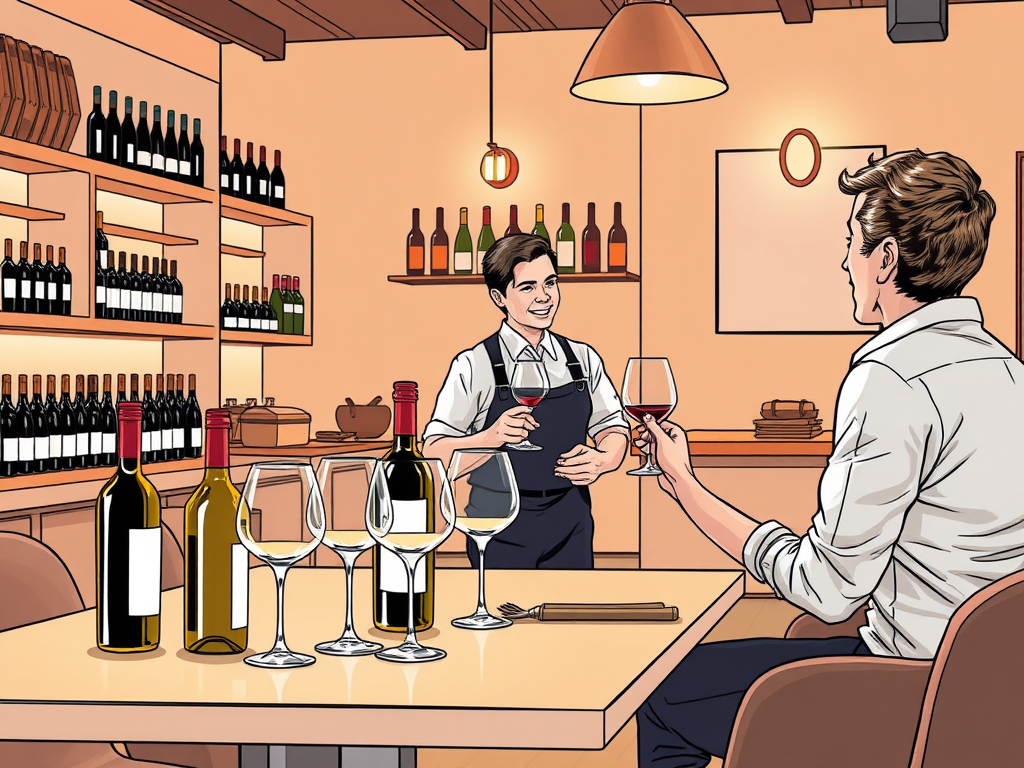
We call it a Tasting Room, when it’s really a Sales Room. Why is that? After the repeal of Prohibition in 1933, wineries re-opened in an environment where the government was highly suspicious of any and all alcohol sales. On-premise consumption was restricted and considered the purview of saloons, which were vilified during the years of Prohibition. So, to comply with laws and distinguish themselves as places of refined moderation, wineries leaned into “tasting,” not drinking. The Tasting Room became the winery’s sales room. Over the decades, tasting rooms have become places of hospitality, education, and increasingly, dinner (or lunch). Along the way, the primary role of the tasting room—to form a connection with the consumer for the purpose of selling wine—got lost. Now, I recognize that I’m being hyperbolic here. In the contracting market we’re living in, too many wineries are focusing only on the hospitality aspect. They need to lean
10

December 16, 2025
Plata Wine Partners is a premium “vineyard-to-bottle” production house rooted in California’s top coastal AVAs. With more than 20,000 acres of sustainably managed vineyards, Plata provides bulk-wine, private-label, and custom-program solutions for brands of all sizes. Their team brings together expertise in viticulture, winemaking, production, and finance to deliver programs aligned with modern consumer preferences. As the business evolved, Plata recognized that their Winemaker’s Database (WMDB) system lacked the accuracy, speed, and real-time visibility required by a 12+ facility production model. Plata implemented InnoVint in 2024, and the difference after just one harvest was remarkable. The Challenge: A System That Slowed Down the Entire Business Before InnoVint, Plata’s production and finance teams were burdened by manual processes that made everyday work harder and introduced costly risk. Excessive manual data entry. Every two weeks, the
00

November 4, 2025

Meta Ads, Miracle Results If your holiday Meta ads felt like lighting money on fire in a festive candle, that’s not because social is dead. It’s because your targeting and flighting were built for wishful thinking, not gifting intent. The fix isn’t magic. It’s method. You can absolutely turn Meta into a gift-selling machine between Thanksgiving and New Year—if you understand what actually drives intent and how to spend wisely when every other brand on earth is screaming for attention. What follows is a ruthless, winery-specific playbook for the six-week window between Thanksgiving and New Year that prioritizes intent, protects margin, and leans on real benchmarks instead of folklore. First, reality: volume is there, but it clusters Holiday ecommerce keeps breaking records, with online spend hitting roughly $241.4B from Nov 1 to Dec 31 and mobile responsible for the majority of transactions. (Adobe Newsroom) Translation: your customers are buying on their
00

July 30, 2025
How Wineries Can Use Simple SEO To Get More Tasting Room Traffic You need more people in your tasting room. You don’t have more money to spend on ads, and they’re not working as well as they used to anyway. You would like to get more traffic from searches on Google, but you’ve been told that SEO is all about writing tons of content and posting tons of social, and you don’t have the time and resources to do that. You’re stuck and you’re frustrated. What can you do? We recently helped a Willamette Valley winery tackle exactly this challenge. With some simple but highly-effective tactics, we brought them from nearly zero visibility on local searches to 100% visibility and top rankings in only 90 days. The approach we used could work for nearly any winery looking to get noticed without generating tons of content or rebuilding their website. This is the EXACT checklist that we used. What You Can Do (With ZERO SEO Skills) 1. Tidy Up the Ba
00
July 9, 2025

Everywhere you look right now—Hallmark Channel, Netflix, social media—it’s Christmas in July. And while most people are watching cozy movies and pretending it’s snowing outside, here’s a better question for wineries: Are you ready for your holiday season? October, November, and December (OND) are your biggest sales months of the year. Holiday winery marketing doesn’t start in October—it starts now. They’re sprinting through Q3—right now—while everyone else is still daydreaming about hot cocoa and watching Christmas movies… you’ve got rosé in your glass and wine bundles to plan. 1. Clean Up Your Data — Because Bad Data Costs You Money This isn’t just about removing bounced emails. Bad data quietly drains OND revenue by blocking you from segmenting, targeting, or even reaching your customers. Your Move: Export your full email list (now, not later). Use ChatGPT to help spot typos like gmaii.com in
00
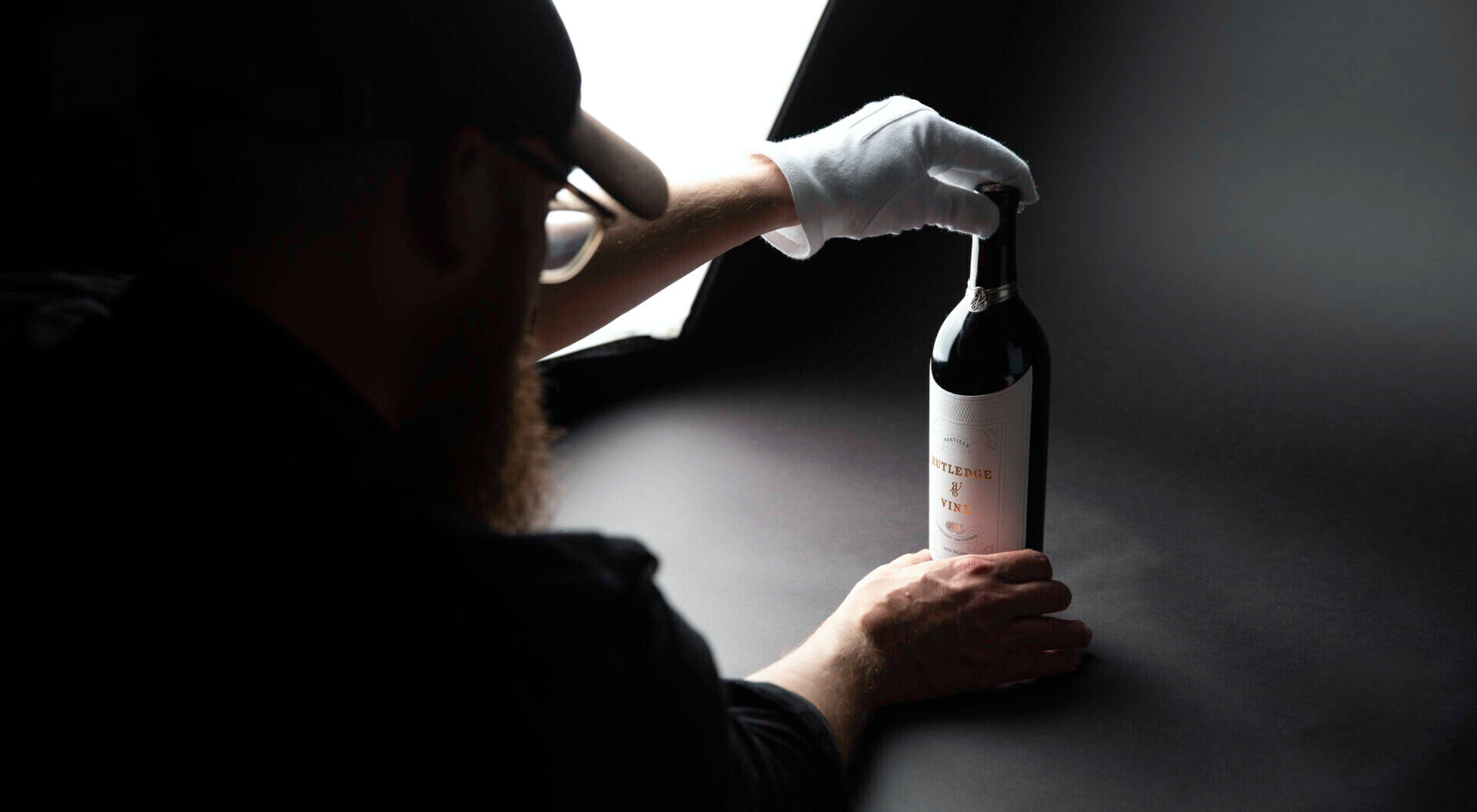
Packaging is the First Touch Point a Consumer Has With Your Brand Whether it’s an experienced consumer or someone buying their very first bottle, the appeal of your product is founded on the use of well considered glass packaging and label design. While these must be authentic to your brand and winery, it is critical to stay up to date with trends in the wine industry. If you want to effectively catch the attention of your target market, you should consider these 5 things about your wine packaging for your upcoming vintage and beyond. A wine bottle (and its packaging) is the first touch point that a consumer has with your brand. Thoughtful consideration of every aspect of your wine packaging allows you to communicate your brand identity, provenance, product information, and the rationale behind the product in a way that is meaningful to your target audience. A customer looks at a shelf, they choose a wine variety, such as a cabernet, but they are an inexperienced consume
00

With no and low-alcohol categories on the rise and the sober-curious boogeyman around every corner, we needn’t wait for rock bottom to take a hard look at our sales strategy and make a change today. While much of the wine & spirits industry points the finger at Gen Z & Millennials, the World Health Organization or the Surgeon General, the truth is there’s only one entity responsible for the trajectory of our revenue. According to Navy SEALs Jocko Willink and Leif Babin in Extreme Ownership, when “problems feel overwhelming and insurmountable . . . it’s our human nature to shift blame, find excuses, and avoid consequences. But taking ownership over what went wrong and accepting the reality of the situation gives you complete control over how you can solve these challenges.” Trying to sell alcohol in 2025 is tough. Plain and simple, no way around it. With that acknowledged, let’s explore what we can do about it. A Sign of
00
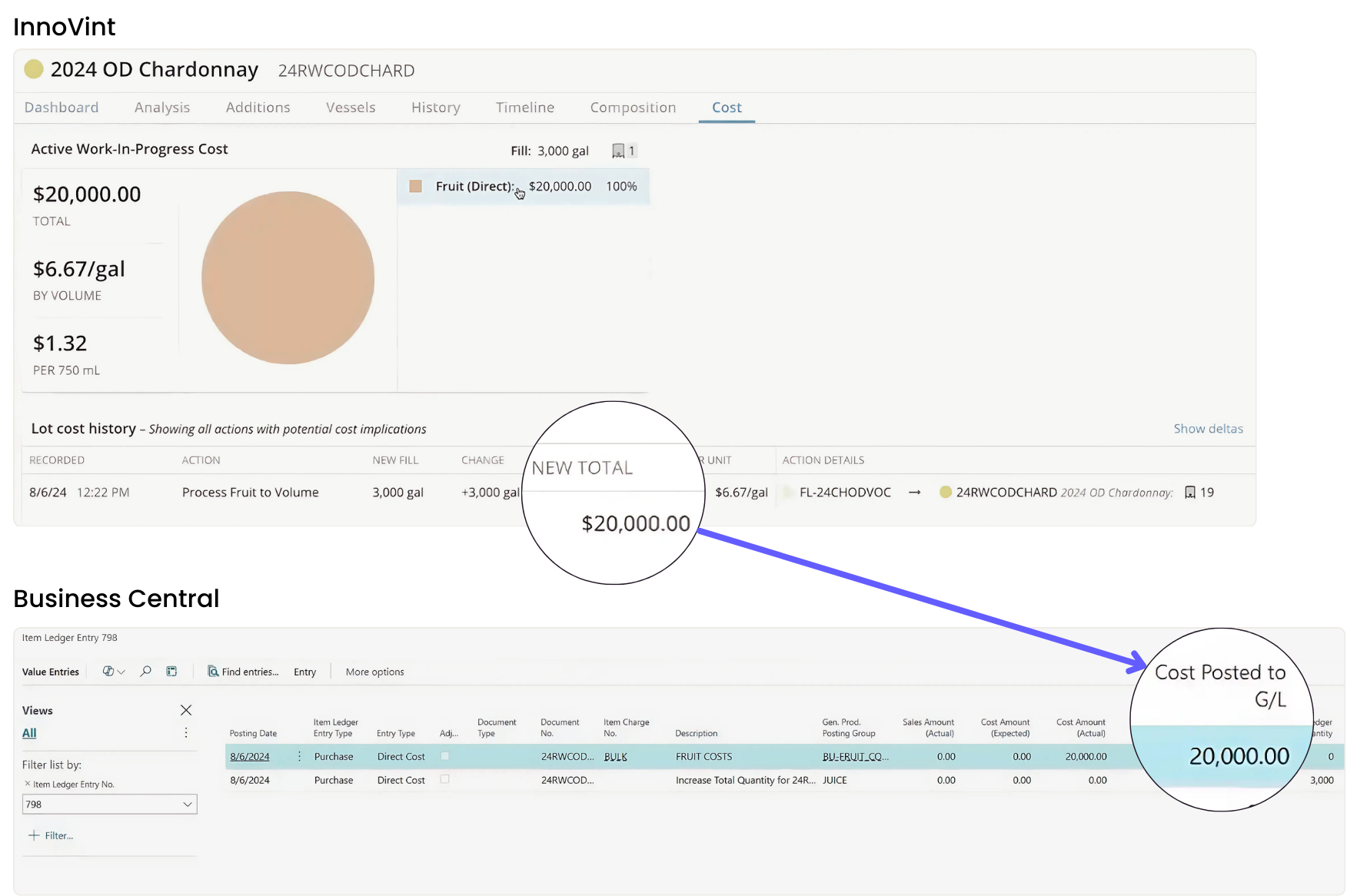
If you’re a winemaker, winery owner or executive, you know that crafting wine is anything but a straightforward manufacturing process. And small decisions can make and break profits. Winemaking isn’t a simple recipe; it’s an evolving blend of art, science, and constant hands-on adjustments. Every harvest, blend, and barrel is unique, meaning there’s no “one-size-fits-all” approach to production. That’s where traditional Enterprise Resource Planning (ERP) systems fall short. While they’re great for tracking your general ledger, automating order management, and tracking case goods inventory, they don’t understand the nuances of wine production. In this article, we’ll get into why ERPs just aren’t a good fit for the cellar—and why integrating purpose-built winery solutions can make all the difference. Where ERPs Miss the Mark for Wineries No Vineyard Tracking or Insights Winemaking starts in the vineyard, but most ERP
00
December 17, 2024

Keeping up with industry news and trends is one of the most underrated disciplines in beverage alcohol. It’s a frightening habit, admittedly — slowing down long enough to read or at least skim several articles every day when the return on investment takes months or years to materialize. When sales are down, it’s human nature to scrounge for the fastest wins available. In our desperation to keep the lights on, we abandon most eagerly the very practices that would lead to longevity and profitability for our business. The inconvenient timing of these insights — namely, that the best articles and industry reports tend to circulate precisely when everyone has checked out for the holidays —only intensifies the competitive advantage up for grabs by those who are paying attention. An up-to-date understanding of consumer preferences and behavior can inform our production, focus our messaging, and align sales & marketing so that everything from tasting ro
00