
Filter Post Type
NewsVideoProductEventLink
Sort:
Most Recent
1–10 of 53
Green shoots: Is this a “transitional moment”? With spring getting underway, this month’s California Report assesses vineyard conditions, grape demand, and whether the bulk wine and grape markets are seeing the first tentative green shoots of recovery: Is the industry in a “transitional moment” before growth returns later this year or next? We dive into recent reports that case-good sales declines in the US are slowing, using the latest SipSource US wholesale depletions data to pick out some sales trends. The convergence of pricing toward California-appellation levels on all but a select handful of wines theoretically enables bulk wine buyers to make their decisions based purely on which samples best meet their quality/character specifications. This has opened up product development and scope for wine companies to attack potential retail opportunities. With wine aisles growing shorter, this is a challenging time to “buy the dip” with inn
00

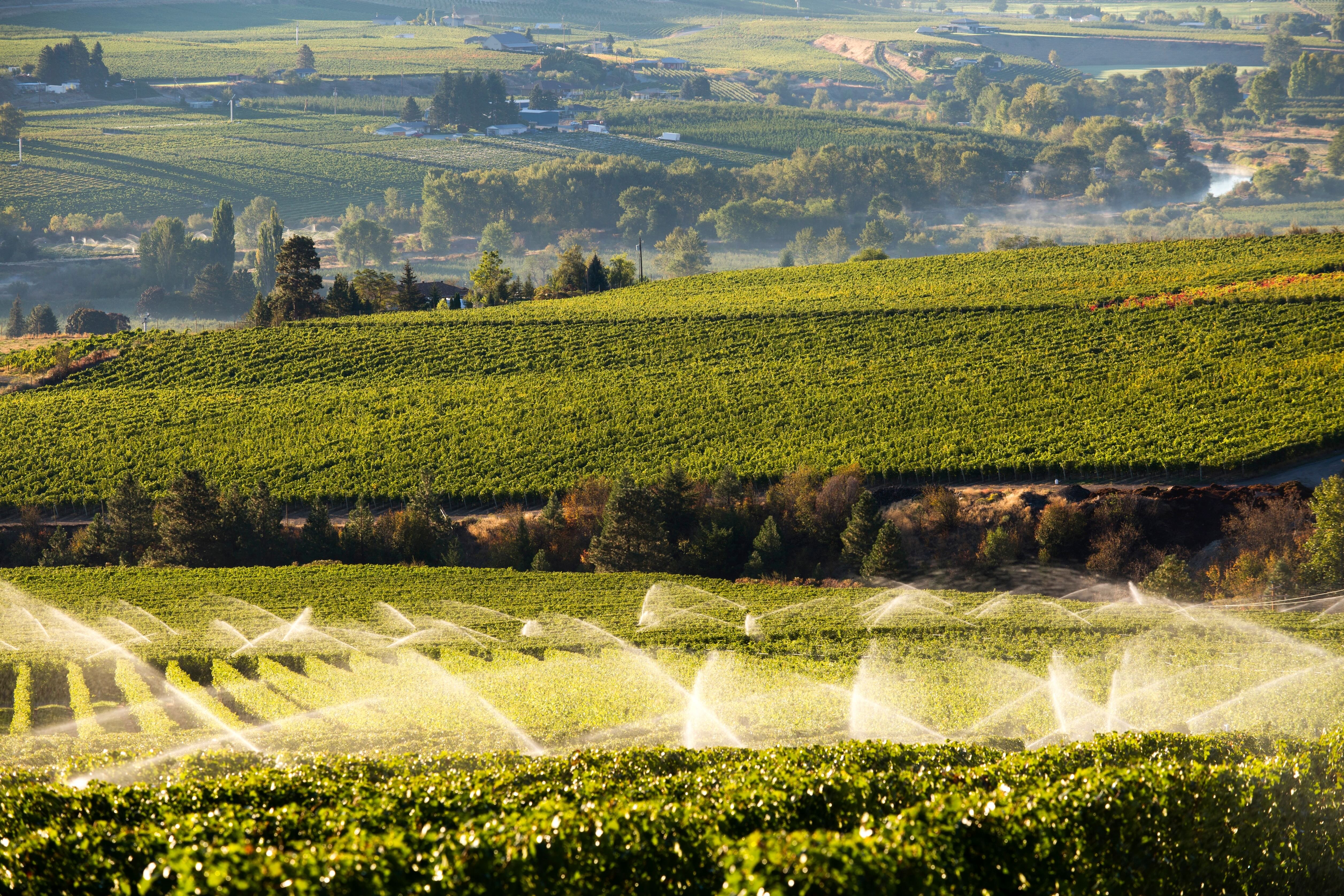
Declining groundwater levels and increasing pressure under the Sustainable Groundwater Management Act are changing how California wine growers think about water. What was once largely an operational concern is now directly tied to long-term viability, regulatory compliance, and sustainability planning. These issues were front and center during a session at the 2025 WIN Expo, where vineyard operators, hydrologists, and county leaders discussed how groundwater management is evolving and what growers can do to stay ahead. Moderated by Val King, Director of Channel Partnerships at Verdi, the session underscored a clear reality. There is no single solution, but there is a shift toward local control, better data, and practical changes in vineyard management. SGMA Was Built to Be Local, Not One-Size-Fits-All Your browser does not support HTML5 video. SGMA is often misunderstood as a rigid, top-down mandate. In reality, it was designed around California’s variability in geology, climate
00

December 16, 2025
Plata Wine Partners is a premium “vineyard-to-bottle” production house rooted in California’s top coastal AVAs. With more than 20,000 acres of sustainably managed vineyards, Plata provides bulk-wine, private-label, and custom-program solutions for brands of all sizes. Their team brings together expertise in viticulture, winemaking, production, and finance to deliver programs aligned with modern consumer preferences. As the business evolved, Plata recognized that their Winemaker’s Database (WMDB) system lacked the accuracy, speed, and real-time visibility required by a 12+ facility production model. Plata implemented InnoVint in 2024, and the difference after just one harvest was remarkable. The Challenge: A System That Slowed Down the Entire Business Before InnoVint, Plata’s production and finance teams were burdened by manual processes that made everyday work harder and introduced costly risk. Excessive manual data entry. Every two weeks, the
00

December 10, 2025
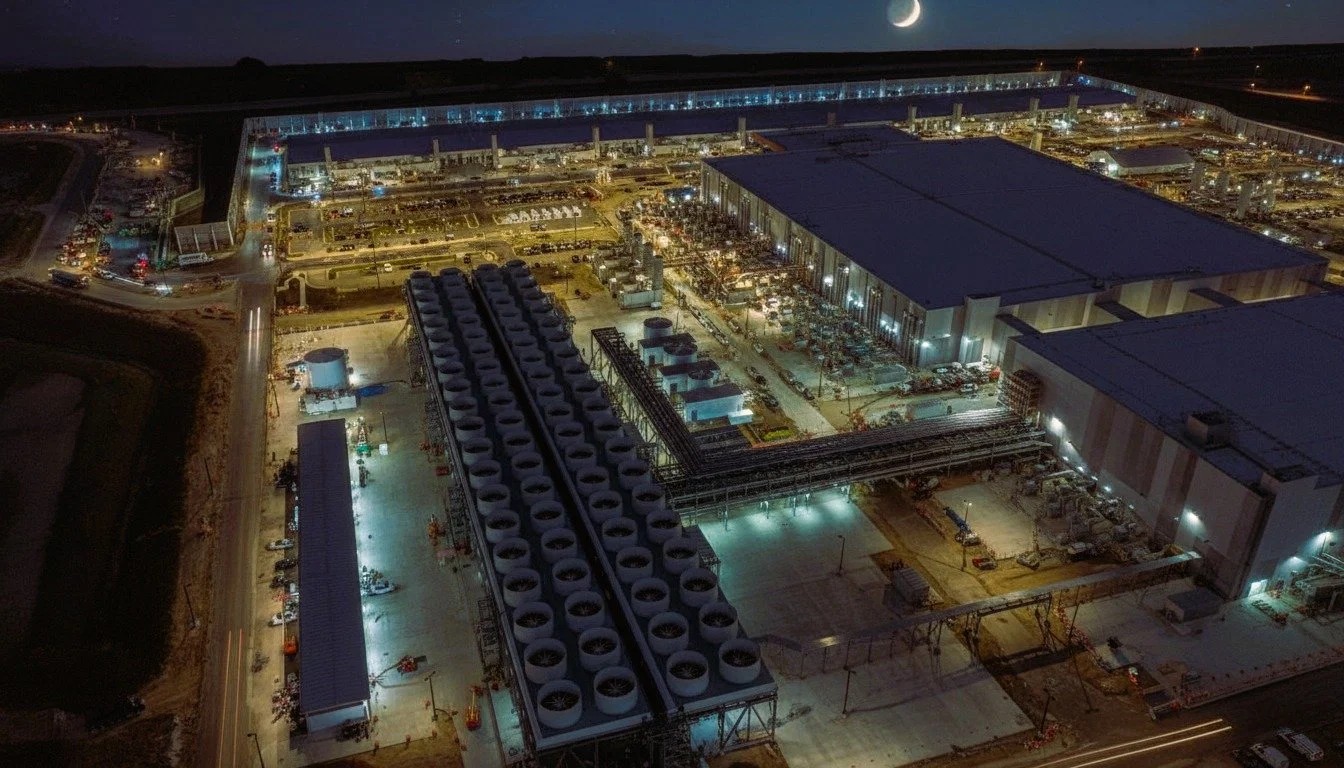
Since its launch in 2022, ChatGPT has swept into our lives like a whirlwind romance. It’s the new Google for our age. Don’t know what to cook for dinner? ChatGPT it. Need to finally draft that pesky email? ChatGPT it. In fact, some people are literally dating the chatbot. CBS Saturday Morning recently reported on Chris Smith, a man who claims to have fallen in love with ChatGPT. He’s even proposed. She said yes. It’s a heartwarming tale that forebodes the end of human civilization as we know it. Of course, the insatiable demand to have all our questions answered and our heart’s deepest desire fulfilled at the push of a button comes with ripple effects—not only for our souls, but our wallets. The AI boom has unleashed a construction spree of energy-hungry data centers to support the tech’s exploding use, requiring utility companies to upgrade their infrastructure, which is then passed on to the average consumer in the form of electricity bills
00

October 21, 2025
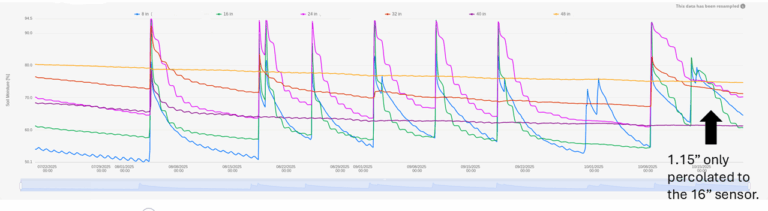
Hear me out Up and down the California Coast, we got some rain last week. Up North, places got around 1.3” with up to 2” closer to the ocean. Down south in Paso Robles, we’re looking similar numbers of between 1.5” and 2”. So, one would naturally think that if we were irrigating post-harvest (as we highly recommend), we can stop now. As you may have suspected by the title of this article, that may or may not be the case. Profile Picture Here at AV, we love looking at soil moisture charts. However, in the case of rainfall, it can be misleading. Looking at the graph below, you can see that irrigations produce a clear spike indicating how deeply water percolated and how long it took to be completely depleted by plant roots. Rain doesn’t deliver the same concentrated volume you’re used to getting with a drip emitter. Therefore it doesn’t infiltrate the soil in the same way. You may see shallower percolation from the inch plus of rain we got
00

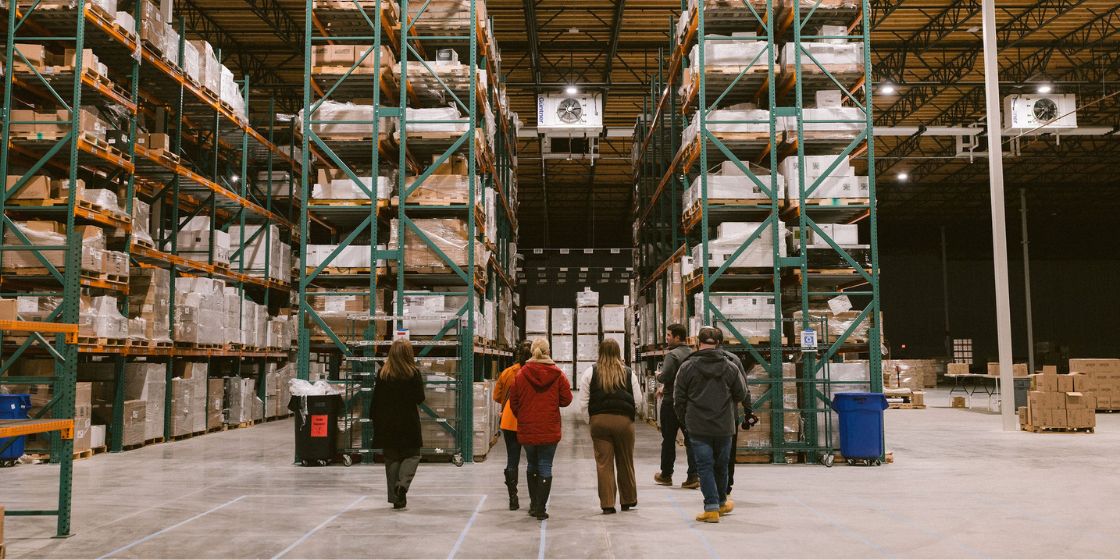
In today’s wine industry, running lean has become the norm. Wineries are navigating tighter margins, shifting consumer demand, and limited resources all while trying to maintain the exceptional service their customers expect. In a market where every shipment counts, having the right fulfillment partner is not just a convenience, it’s a necessity. At WineDirect Fulfillment, we understand the pressure to do more with less. That’s why we’ve built our operations and tools to support your business through every challenge, helping you protect your brand, deliver a top-tier customer experience, and keep things running smoothly. Choosing the Right Partner When you're operating with a smaller team and fewer resources, there’s no room for error. Delays in shipping, inventory mishaps, or damaged wine can quickly erode customer trust and impact your brand’s reputation. And with limited time to chase down support or resolve issues, wineries need a par
00

July 17, 2025
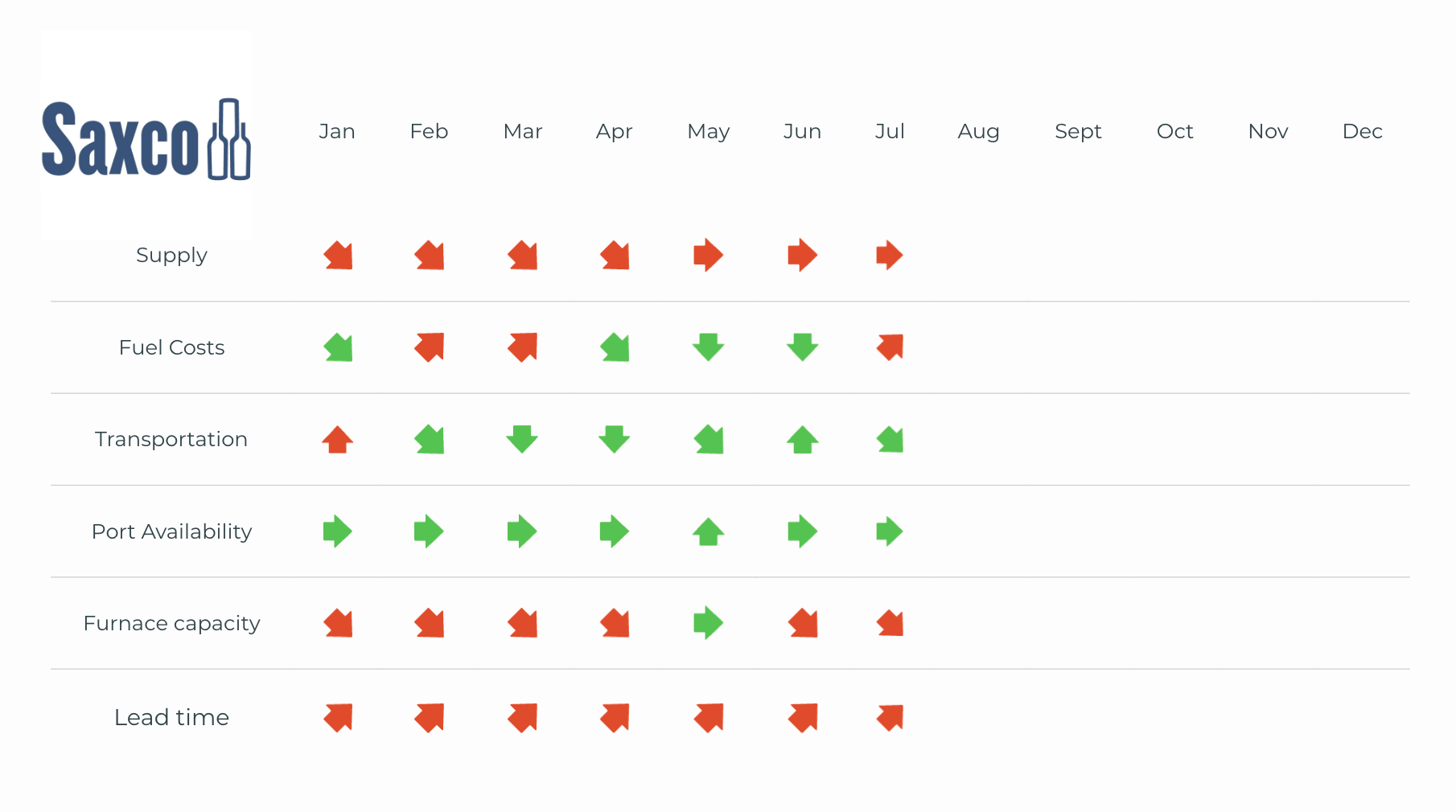
Packaging supply stable, but uneasy While June ushered in a more stable rhythm after May’s tariff-driven frenzy, underlying uncertainty continues to shape planning, procurement, and pricing across the packaging and logistics landscape. Supply remains steady across most categories, but stability doesn’t mean simplicity. US glass manufacturers, in particular, are contending with a mismatch between output and demand. Inventories have piled up amid sluggish ordering, especially from wine producers still reeling from compressed consumer spending and slowing DTC velocity. With tanks and warehouses more full than empty, some domestic furnaces are now eyeing Q3/Q4 production pauses as a measure to rebalance. After a brief reprieve in May, diesel prices rose again in June, increasing from $3.499 to $3.599 per gallon, a continued reflection of the volatile energy market. According to the latest Deloitte economic outlook, while core inflation is showing signs of moderation, ener
00


The nutritional health of yeast can determine the success – or failure - of the resulting wine. To get the most out of your yeast, a high-quality nutrient product is essential. “High quality micronutrients are essential to the healthy development of the yeast and a robust fermentation,” emphasizes Bill Merz, Gusmer Enterprises Inc’s Director of West Coast Beverage Sales and a winemaker himself. “The solubility of those nutrients is also key to yeast cell access. That’s exactly the kind of scientific research Gusmer has done and the superior products it provides.” Gusmer Enterprises, Inc., a leading manufacturer and supplier of fermentation and filtration products for the beverage, food and pharmaceutical industries since 1924, specializes in the distribution of yeast nutrition developed to ensure healthy, vigorous and clean wine batch fermentation, vintage after vintage. Included in Gusmer ‘s comprehensive portfolio of nutritio
00
The Southern Hemisphere harvests have wound down and their sizes seem variable: while Argentina’s and South Africa’s appear to have come in close to their downwardly-adjusted averages, Chile’s is estimated to be approximately 25% short; the crop sizes in Australia and New Zealand remain harder to quantify, with some grapes – mainly reds in the former, whites in the latter – unpicked to assist in balancing supply. It is mid-spring in the Northern Hemisphere, meanwhile, and despite some inclement weather across Europe through March, the vineyards of France, Italy and Spain appear in good condition. March was also wet in much of California, which has now experienced three consecutive winters of average or above-average snowpack for the first time since 1998-2000. It likely that the grape market more than conditions will dictate the 2025 harvest size in California, judging by the number of vineyards across the state yet to be pruned. The bulk mark
00
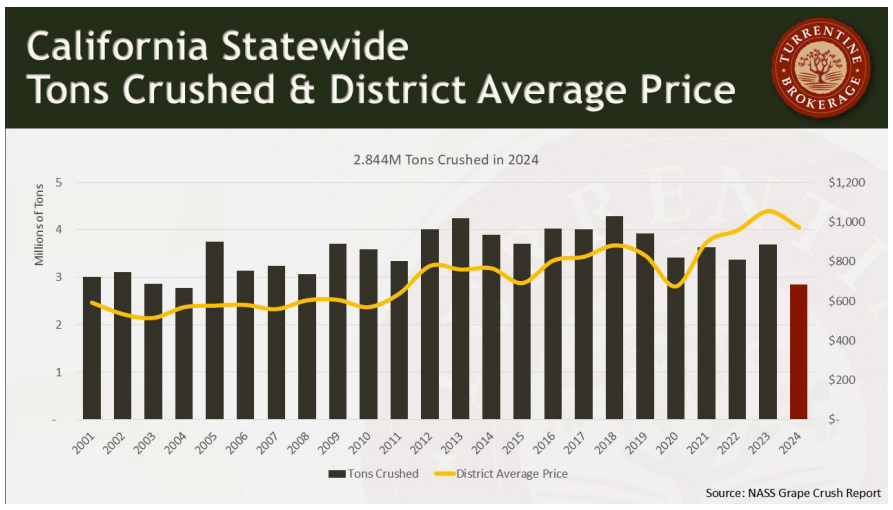
NOVATO, CA - “The fact that the 2024 California wine grape crop was 2.844 million tons is nothing short of shocking. Although the 2024 crop was generally light, and overall demand was lackluster, the industry has not seen a crop this low since 2004,” according to Audra Cooper, Director of Grape Brokerage of Turrentine Brokerage. With grape acreage being removed (and the process continuing), and growers employing mothballing techniques on some of their less marketable blocks, the question now arises: Do we have enough wine grapes for the future growth of the California wine business? According to Brian Clements, Vice President of Turrentine Brokerage, “The 2023 harvest of 3.685 million tons was a major contributing factor to the industry’s oversupply, despite the approximately 325,000 tons of grapes that were left unpicked due to quality concerns and heavy yields. 2024 brought a historically lighter crop of 2.844 million tons, yet approximately 100,
00