
Filter Post Type
NewsVideoProductEventLink
Sort:
Most Recent
1–10 of 34

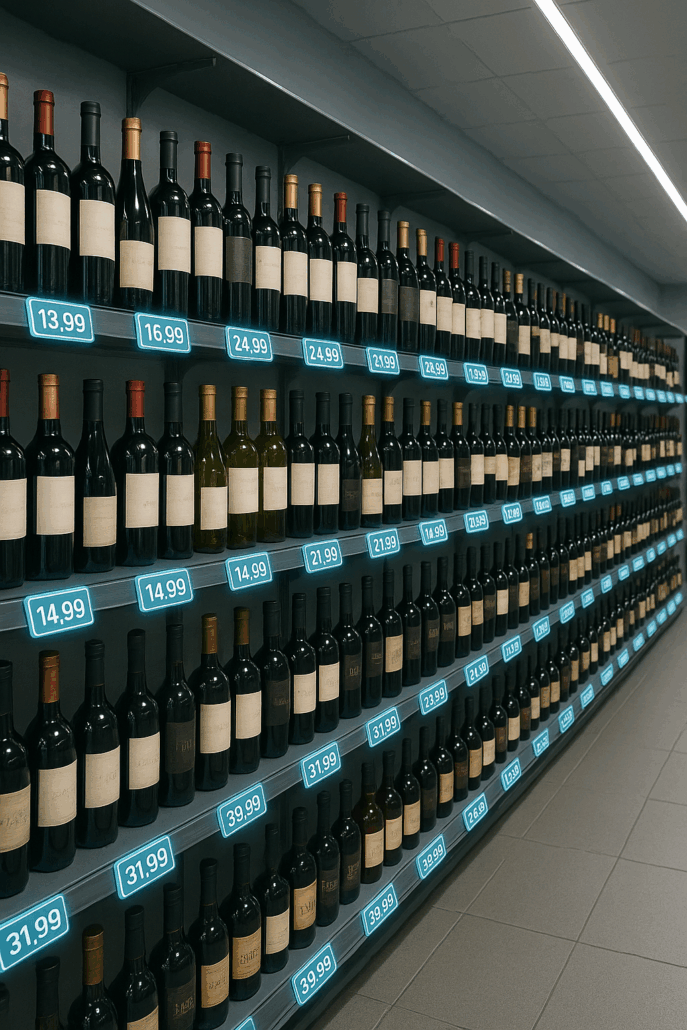
Why It’s Time to Take Control of Chain Retail Pricing In the wine & spirits business, the difference between a best-seller and a case that never sees the shelf often comes down to something so mundane, it’s almost embarrassing to say out loud: Pricing. Not the actual price point — the accuracy of it. There are already plenty of reasons your product might not make it to the shelf — a buyer reorg, a freight delay, the seasonal shuffle, or simply the chaos of modern retail. So when you’ve beaten the odds and secured a coveted placement with one of the nation’s top chain retailers, the last thing that should kill the momentum is a clerical error. And yet, that’s exactly what happens when the price on the invoice doesn’t match the price in the retailer’s system. One mismatch, and the product gets refused at the dock — benched before it ever had a shot. No match = no receiving. No receiving = no shelf placement. No pl
00


We live in a world where distributed brands have to do real work to help customers find the best and right place to buy, wherever they are. The old answer was the “retailer locator”: a sad cluster of outdated pins on a map, with no genuine path to purchase and a short whitelist of stores that ignore the majority of retailers selling your product. Antiquated Map Solutions Then “carting solutions” showed up. In theory, they were an upgrade of the experience: software that turns brand demand into a buy flow and gives you attribution along the way. In practice, they offer a path to purchase from a painfully limited roster of retailers, mostly big national chains plus marketplaces.Modern Carting Solution But in the U.S., most products don’t have clean, national-chain coverage. And most carting tools don’t have a multitude of smaller chains or independent retailers. So they do the expedient thing: when they can’t find a great retailer match, they
00
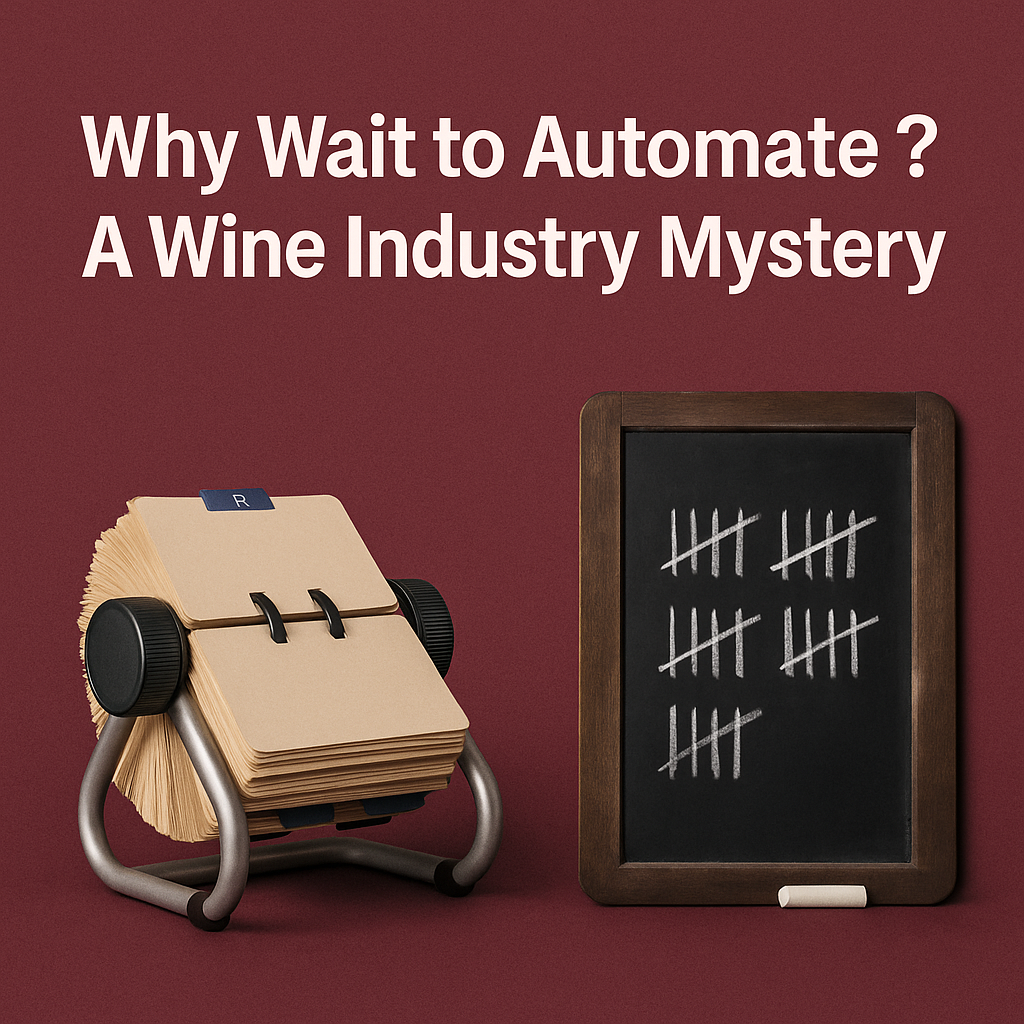
Imagine your VP of Sales announcing they’ve ditched CRM for a Rolodex. Or your finance director saying Excel is too modern, so they’re switching to chalkboard. And yet, here we are — 2025 — squinting at billbacks for hours on end and sending reps to visit every retail account like the entire industry is running for sheriff. Automation isn’t new, but for the wine & spirits world, it might as well be black magic. We love to talk about efficiency, scaling, and modernizing — right up until someone proposes replacing busywork with bots. Suddenly, it’s “But our rep relationships!” or “This is how we’ve always done it.” As if nostalgia for manual labor is part of our brand identity. Let’s get one thing straight: no one’s asking you to hand your label design to Midjourney or let ChatGPT pick your clones. We’re talking about automating the parts of your business that drain time, w
00

2025 in review; looking ahead to 2026 This month’s California Report looks back at 2025 on the bulk wine and grape markets and ahead to what we might expect to see in 2026. Bulk inventory charts for a number of 12-month ranges – and updated for January – are included, so too SipSource US wholesaler depletions data that takes in the opening two months of the important OND sales period, and the first packaging bulletin of the year from our friends at Saxco. A Q&A with Ciatti broker Chris Welch, discussing the current wine consumption and bulk market situation, will be published in the coming days. It is fair to say 2025 – like 2023 and 2024 before it – was not an easy year for California’s wine industry, nor was it for the wine industry globally. Evolving consumer preferences as the Baby Boomer generation shrinks, persisting post-pandemic inflationary tailwinds, and economic and political uncertainty, have been eroding sales in most major wine-con
00


The Actionable Version (Yes, Another One — But Hear Us Out) It wouldn’t be the end of the year in beverage alcohol without a million prediction articles telling you what might happen next. You’ve probably already read a few that say consumers will drink less, premiumize more, and still somehow want everything new, nostalgic, global, and convenient at the same time. All of that may be true — but this isn’t another “interesting but abstract” trends piece. This one is about what’s actionable right now for: Makers who need flexible, reliable distribution, and Buyers who want to keep their sets fresh, differentiated, and relevant in 2026 Here’s what we see coming — and how to actually do something about it. 1. Volume Isn’t Growing — but Opportunity Is Getting More Targeted Overall volume across many beverage alcohol categories remains flat or slightly down. At the same time, Buyers are still actively looking for n
00
December 15, 2025
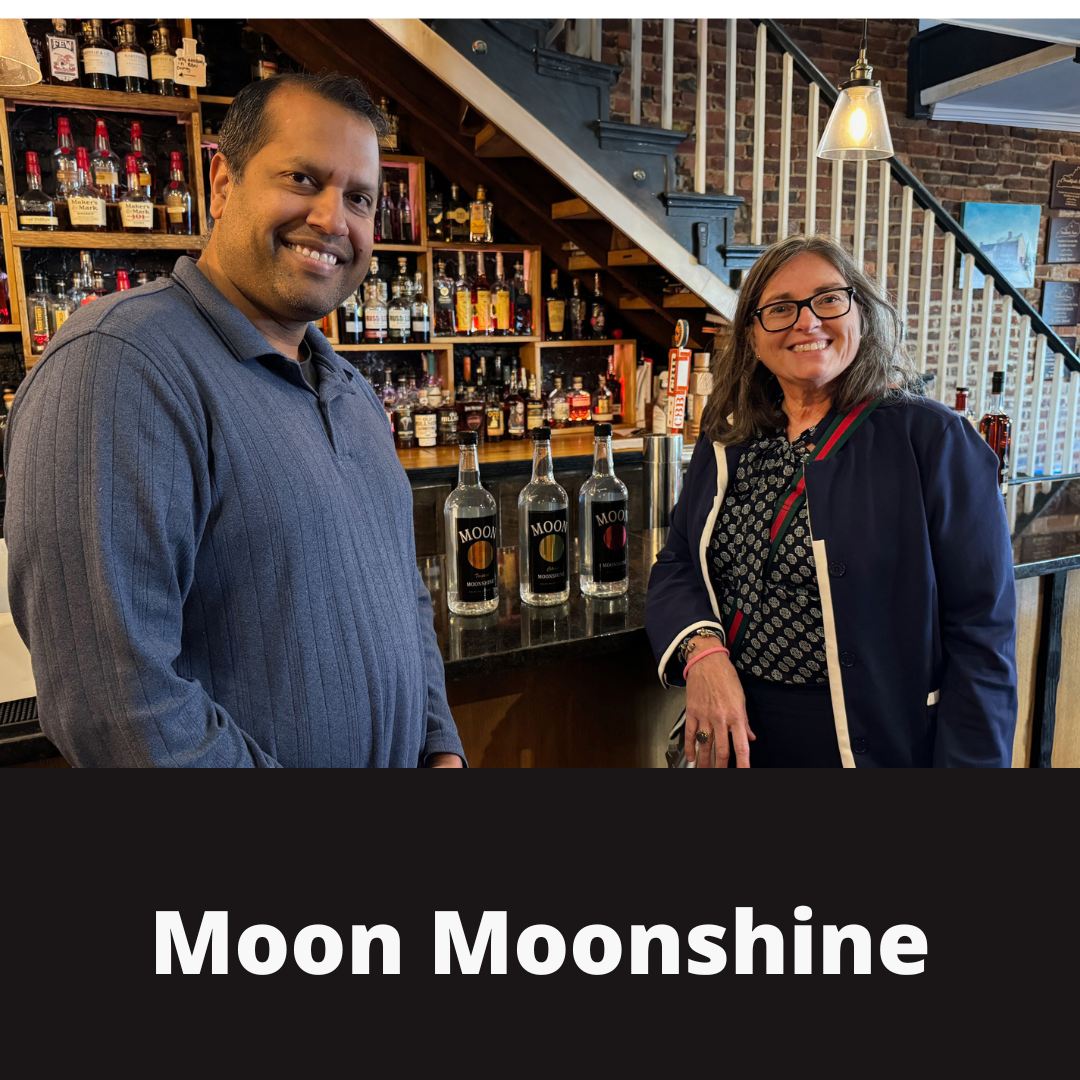
Forget the harsh, high-proof jars of yesteryear. This is Moon Moonshine, a modern spirit for a modern drinker: smooth, flavorful, mixable, and built for today’s drinkers. It’s low sugar, low calories, no artificial ingredients, and has a lighter, smoother finish than most tequila or whiskey. Crafted in Kentucky with non-GMO corn, premium limestone and shale–filtered spring water, and distilled in copper pot stills, Moon Moonshine delivers a clean, contemporary take on America’s original spirit. Three all-natural flavors—Citrus, Berry, and Tropical—come in at 35% ABV. Launched just four months ago, the brand is already picking up major traction in Florida. College bars, beach bars, cocktail bars—they’re all leaning in. And with good reason: Moon Moonshine is easy, versatile, and profitable for Buyers. “Moon Moonshine takes a timeless spirit and gives it a bold, modern twist. We wanted a people-forward brand that’s s
00

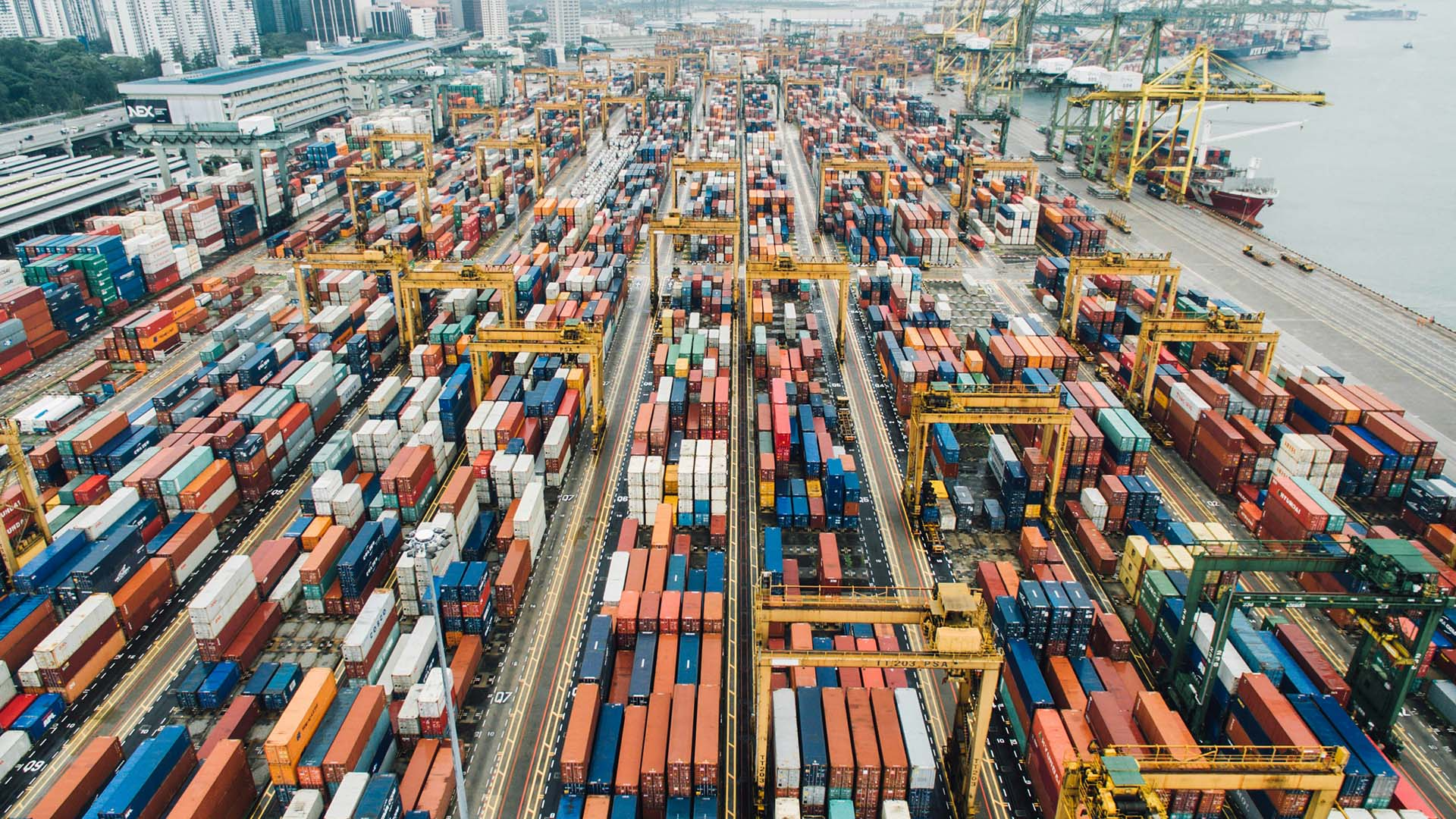
The U.S. tariff environment remains unpredictable, with repercussions that stretch well beyond its borders. More recently, Section 232 duties on steel and aluminum were doubled to 50 percent on June 4, 2025, adding another layer of complexity to global trade. While these tariffs primarily affect industries reliant on steel and aluminum, they highlight just how volatile the economic landscape can be: a reality that resonates deeply within the glass industry. Although the UK negotiated a temporary carve-out for steel and aluminum (maintaining rates at 25 percent until around July 9), most other trade partners are experiencing the full weight of these changes. For the glass industry, which relies heavily on stable supply chains and predictable costs, such shifts serve as a stark reminder of the risks posed by an unstable economic climate. For background on earlier tariff impacts on glass from March 2025, including implications for our glass bottle pricing, see our report on the
00
June 18, 2025

SAN JOSE, CA – June 18, 2025 – LibDib, the leading web-based wholesale alcohol distributor, today announced a new partnership with The Beverage Blueprint to support wine, spirits, no- and low-alcohol brands seeking distribution in California. This partnership offers full-service merchandising and chain retail support for Makers with existing business, as well as a tailored “à la carte” solution for brands transitioning from traditional distributors. With this partnership, LibDib expands its footprint beyond logistics and compliance, now offering merchandising services, chain retail support, and onboarding solutions that are specifically designed for brands navigating change—especially those impacted by recent shifts in the California distribution landscape. “This partnership gives our clients an on-the-ground solution to activate and expand in California,” said Will Clark, Founder of The Beverage Blueprint. “We work closely wi
00

It’s hard, in any business, to choose strategies that promote long term growth and longevity while struggling to keep the lights on and make payroll every month. Under thinly veiled panic, we have a tendency to push our sales teams to treat our buyers as means to an end when cash is tight. Overvaluing vanity metrics like off-premise accounts sold, we scrounge for quick, small wins and placements that result in high churn and ultimately lead us right back to square one. While we may accept – somewhere in the distant, tightly compartmentalized, “rational part” of our brain – that not all accounts are equal and that the vast majority of volume is driven by the top ten or twenty percent of our customers, we go on behaving this way nonetheless, because action feels better than a sales cycle rivaling the Great Wall of China lengthwise. The good news for wineries & distilleries willing to be more strategic with their sales resources is
00

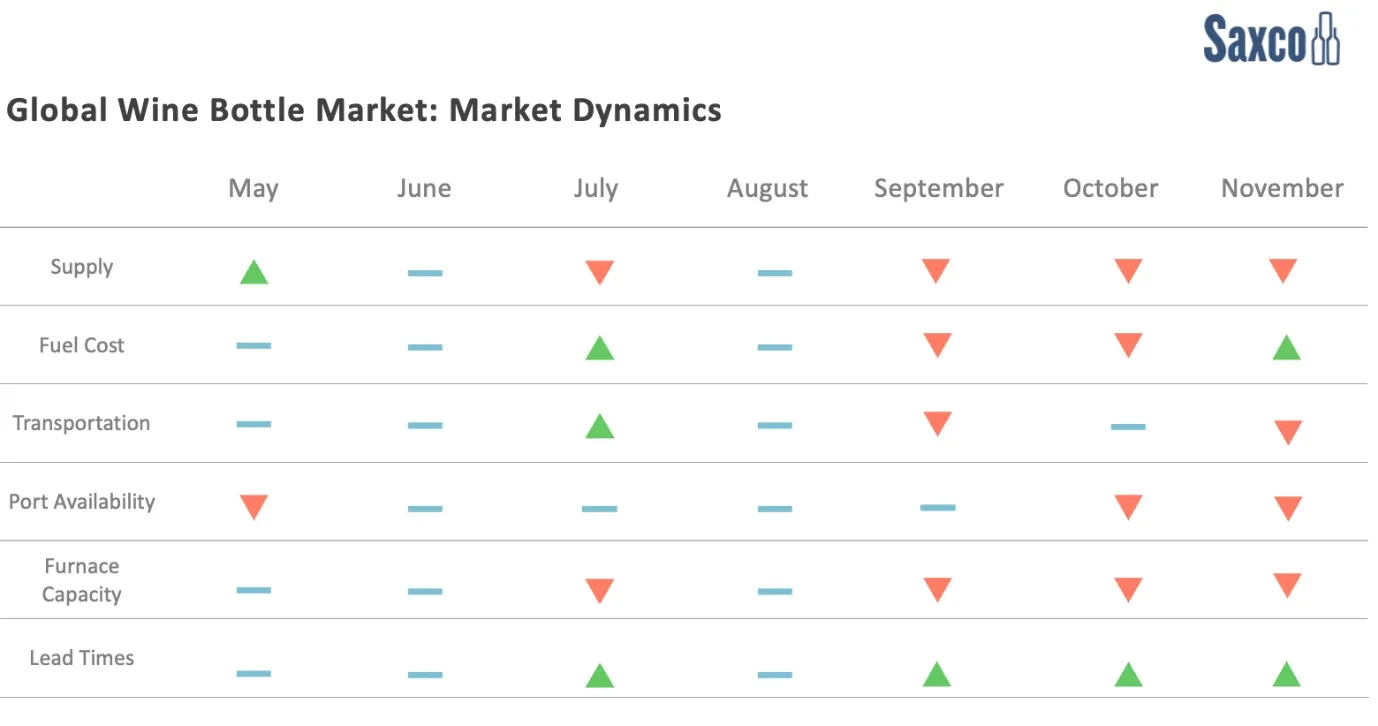
With a challenging harvest, ongoing industry headwinds, and the recent resolution of the US election, the world is still adjusting to what has become a continuously evolving “new normal” since COVID-19. The supply chain now braces for potential uncertainties surrounding a new administration. Concerns about rising fuel expenses are becoming more pronounced, with diesel prices experiencing a modest increase of approximately three cents on average across the US, as reported by the EIA. This uptick is causing anxiety among businesses that rely heavily on transportation to maintain their supply chains. On a more positive note, there is significant relief in international shipping. The cost of ocean freight from Asia to the US has seen a remarkable decline, with container shipping fees plummeting by $1,000 to $2,000. The International Longshoremen’s Association recently conducted a brief but impactful three-day strike at ports along the East and Gulf Coasts. This wor
00