
Filter Post Type
NewsVideoProductEventLink
Sort:
Most Recent
1–10 of 57
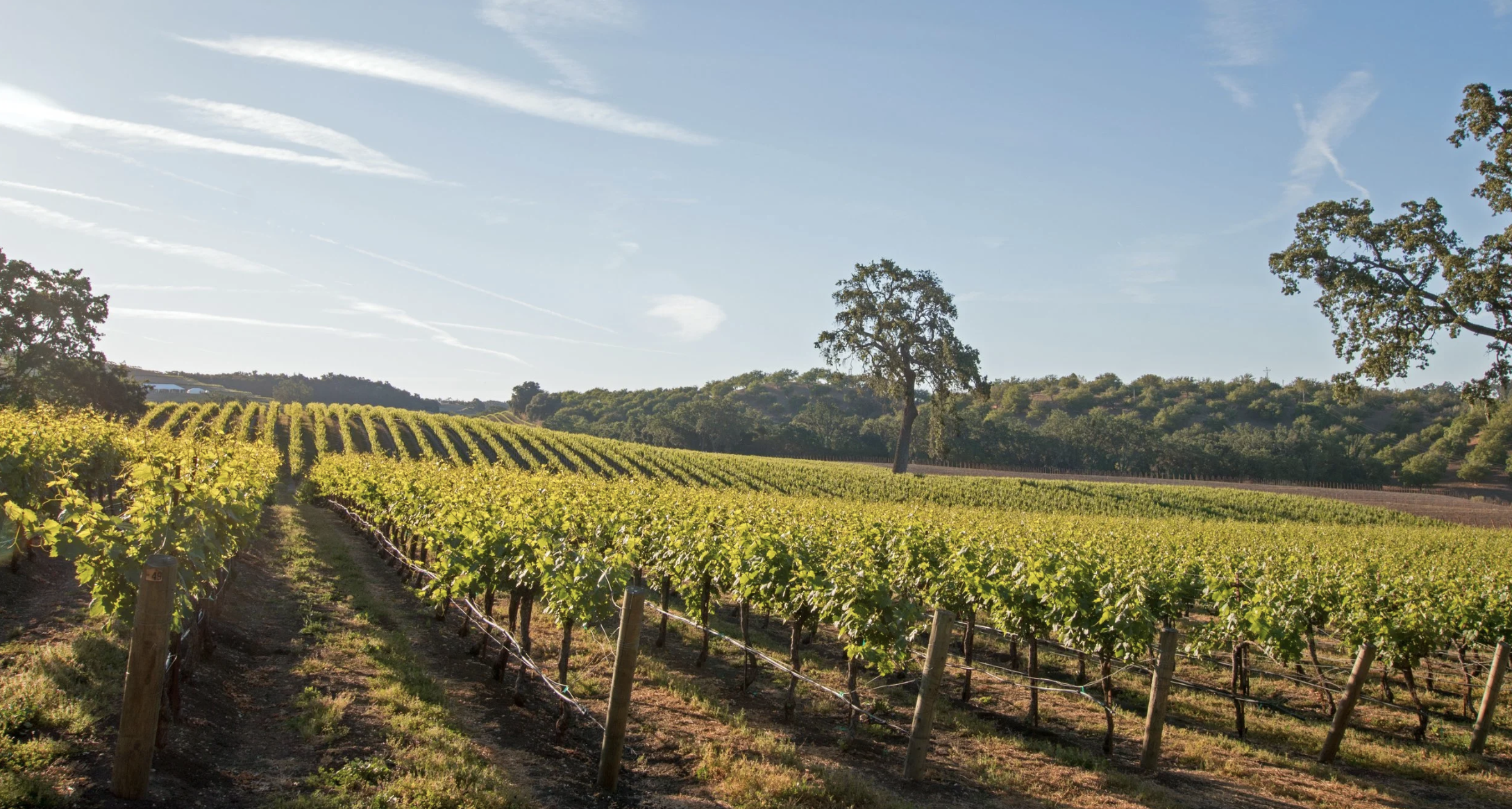
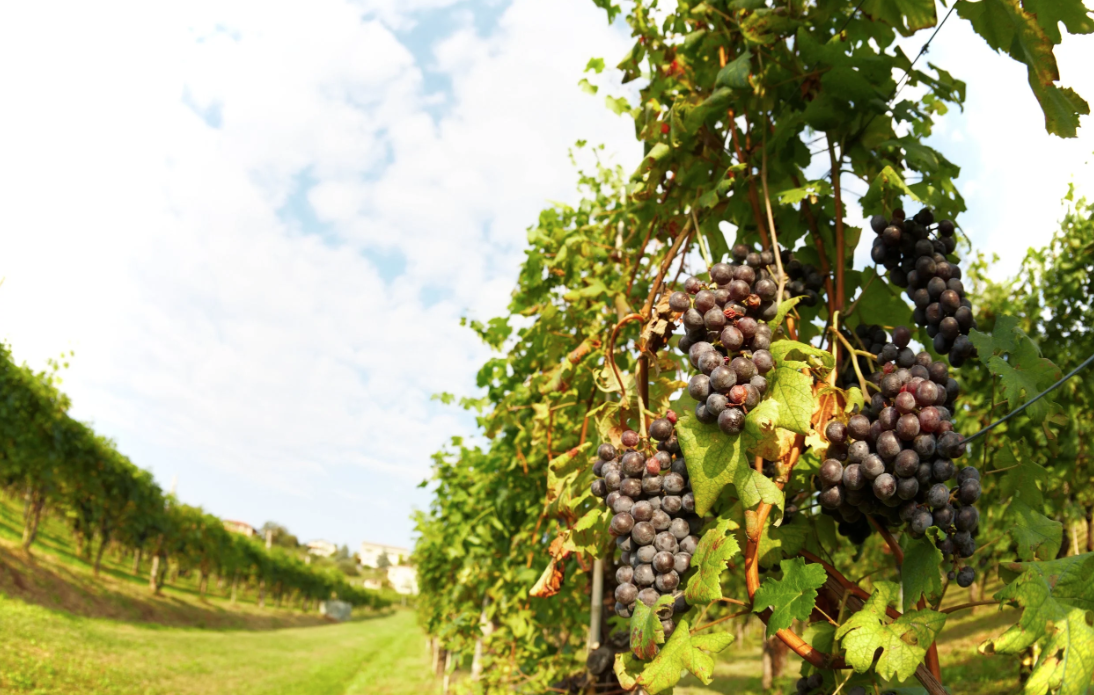
Your next customer will see your winery before they ever taste your wine. They'll see it on Instagram while planning a weekend trip. They'll see it on your website while deciding whether to book a reservation. They'll see it in an email while considering whether your wine club is worth joining. And in every one of those moments, they're making a decision based on what your visuals tell them about who you are. This isn't a trend. It's how people buy now. According to a 2023 study by Cloudinary and Harris Poll, 75% of online shoppers say product photos are the most influential factor in their purchase decisions. That number holds across categories, and it holds in wine. The difference is that wineries aren't just selling a product. They're selling an experience, a place, a feeling. Which means your visual content has to do more work than a product shot on a white background. It has to make someone want to be there. Most wineries know this on some level. Fe
00
The weather is shifting, trip-planning season is underway, and tasting room traffic is about to pick up. This is the good news. The bad news? If you're reading this and thinking "we'll get to our spring marketing when spring gets here," you're behind. The tasting rooms that stay full from April through June aren't the ones with the best wine or the prettiest views. They're the ones that showed up in someone's planning process three weeks before the trip happened. People don't stumble into wine country on a whim and wander from door to door the way they did fifteen years ago. They research. They scroll. They book. And if your winery isn't visible and compelling during that research window, you're invisible when it counts. The hotel industry figured this out years ago. Marriott doesn't wait until summer to market beach properties. They start running "book your getaway" campaigns in late winter, because they know the booking win
00
February 10, 2026
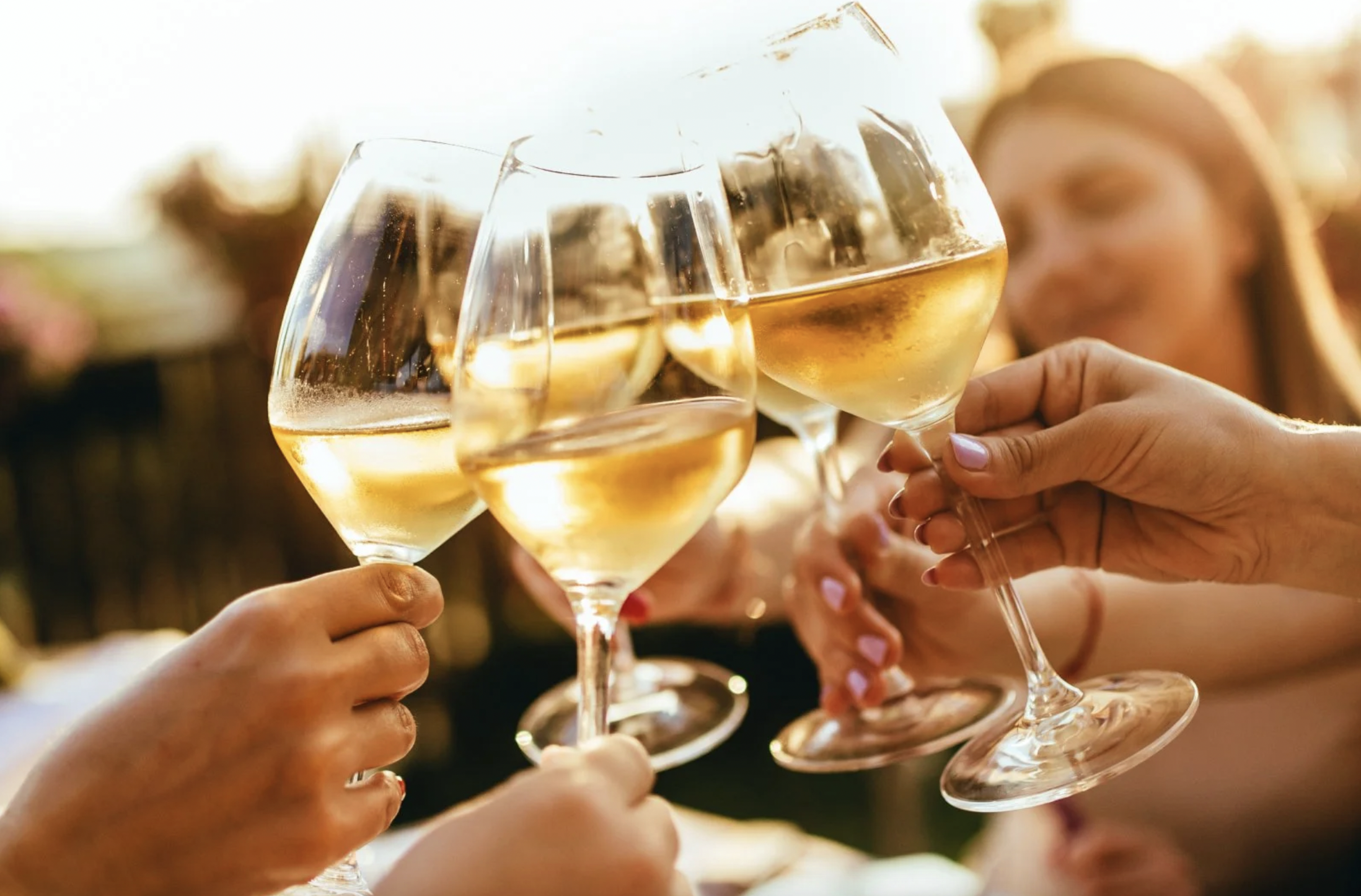
After 30 years of moving up and to the right, the American wine industry hit a wall. Not a temporary slowdown or a soft patch. A structural shift that requires a fundamentally different marketing playbook. 2025 was the reality check. 2026 is the year wineries either adapt or watch their customer base age out beneath them. The data is now unambiguous: wine sales dropped approximately 6% in 2024, marking the steepest decline in decades according to SipSource industry data. More troubling than the headline number is what's driving it. This isn't a recession blip or a bad vintage. It's a fundamental realignment of who drinks wine, how they buy it, and what they expect from the brands they choose. Here are the five trends reshaping the US wine market and what they mean for your brand's survival. The Demographic Disruption The wine industry built its growth on one generation: Baby Boomers. That generation is now aging out. The Wine Market Council's 2025 U.S. Consumer Ben
00
January 20, 2026
The wineries with the most loyal wine clubs aren't the ones with the best discounts. They're the ones with the strongest emotional identity. This will sound counterintuitive to anyone who's ever tried to stem club churn by sweetening the deal with free shipping or an extra bottle. But the data tells a different story. Companies with strong emotional connections to customers outperform competitors' sales growth by 85%. Not 8.5%. Eighty-five percent. The question isn't whether emotional connection matters. It's how you build one. Enter brand archetypes: a framework rooted in Jungian psychology that helps wineries create the kind of deep, identity-based loyalty that discounts can never buy. When wineries align their story, experience, and messaging with a core archetype, wine club loyalty stops being a battle against churn and becomes a natural expression of who they are. What Are Brand Archetypes? (And Why They Work in the Wine Industry) Brand archetypes are 1
00


WHY DEMOGRAPHICS STILL MATTER IN WINE At first glance, it may seem logical to take a broad approach to wine marketing—after all, shouldn’t the goal be to sell wine to anyone who’s willing to buy it? Not exactly. In practice, marketing to “everyone” is a fast track to appealing to no one. You water down your message, misfire your tactics, and wind up wasting both budget and energy trying to reach people who were never going to buy from you in the first place. Smart marketing is selective, not scattershot. And that’s where demographics come in. At their core, demographics are just the quantifiable details about your customers—things like age, gender, income, education, and marital status. But in the hands of a capable marketer, demographics become strategic tools. They help decode how different consumers make decisions, what cultural cues they respond to, and how best to approach them with offers they’ll actually care about. Wine, with all
00
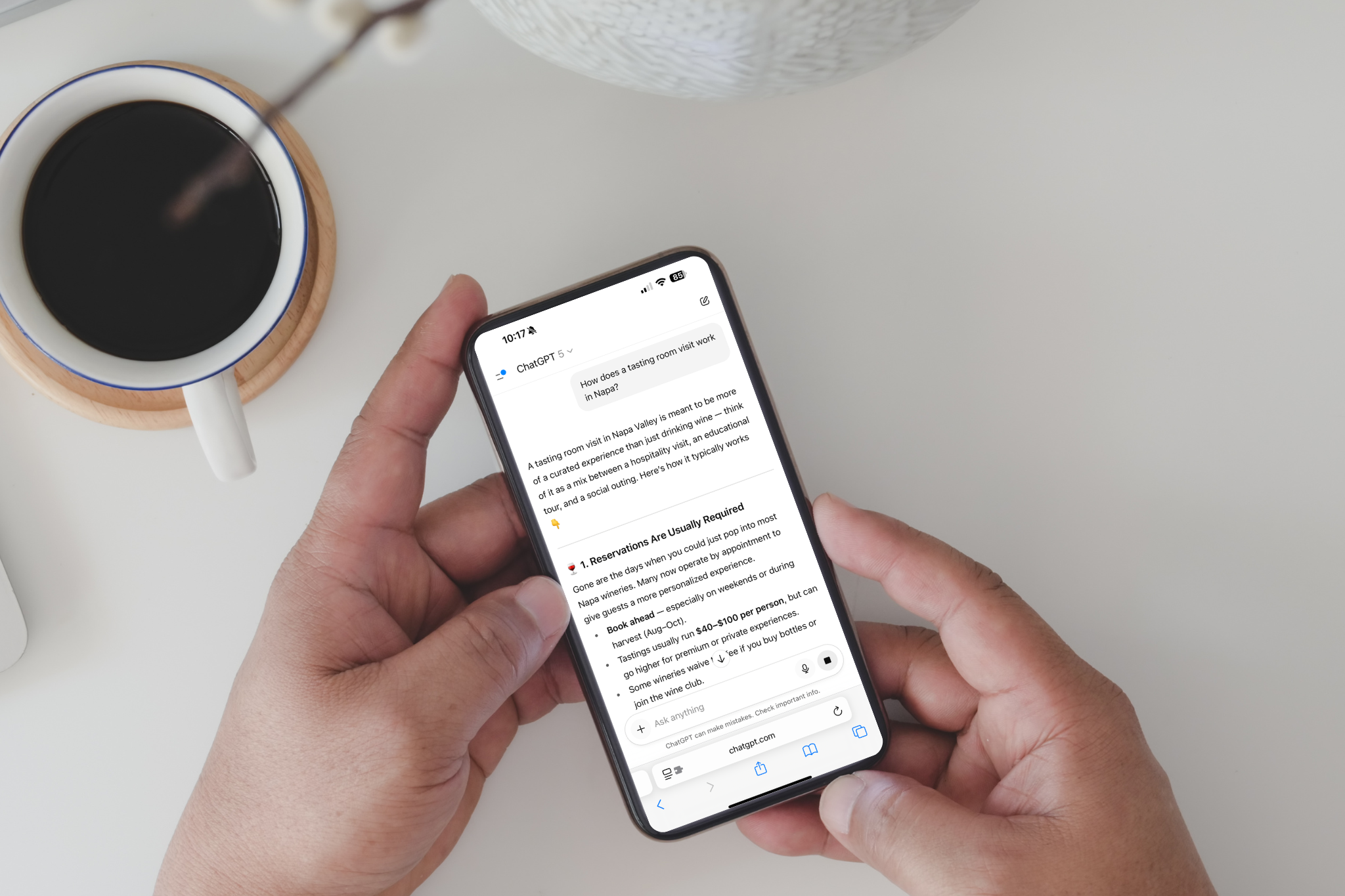
AI is changing how customers discover, research, and buy wine online — and that means your website strategy needs to change with it. We’re moving beyond the days of traditional, keyword-heavy SEO. Today’s search landscape is driven by generative AI — platforms like ChatGPT, Perplexity, Bing Copilot, and Google’s AI Overviews — which don’t just show links. They summarize information, cite sources, and even recommend brands directly in the search results. For wineries, that means success is no longer just about ranking on page one. It’s about becoming the trusted source these AI systems quote, reference, and build their answers from. Here are five practical ways to make sure your winery’s site is ready for the AI era — and positioned to be discovered, cited, and recommended. 1. Make Sure AI Can Access and Understand Your Website AI visibility starts with technical accessibility. If AI crawlers can’t reach or interpret you
00
October 7, 2025
Your Current Marketing Won't Work for Younger Wine Drinkers The generational shift in wine consumption is happening faster than most wineries are prepared to handle. According to Wine Intelligence's US Wine Consumer Trends 2025 report, millennials will surpass baby boomers as the largest wine-consuming demographic by value this year. Meanwhile, the oldest members of Gen Z (born 1997-2012) are now turning 28 and developing their own distinctive wine preferences. The problem? Most wineries continue marketing as if their primary audience is still over 55. The messaging, channels, and tactics that worked for boomers actively repel younger buyers. Let's examine what actually works when marketing to these crucial demographics. What Younger Wine Consumers Actually Want Millennial Wine Drinkers (Ages 29-44) Millennials approach wine fundamentally differently than their parents: What They Value: Transparency about production methods and ingredients Sustainable and ethical busines
00
October 7, 2025
Beyond SMS & Email: 2 Proven DTC Channels for More Wine Sales in 2025 New Direct Mail Strategies & Affordable Mobile Apps Deliver Quick Wins As we barrel into OND — the most critical sales quarter for wine brands — many DTC marketing teams are staring down a sobering reality: sales are slumping, inboxes are saturated, and SMS campaigns are losing steam. The two primary direct marketing channels most wineries rely on — email (used by 85% of brands) and SMS (used by 15%) — are showing serious signs of fatigue. Promotional emails are increasingly buried in spam folders, and just last week, some of the industry’s leading SMS providers urged wineries to limit their use of SMS this holiday season due to deliverability concerns. So what now? If you’re a wine marketer looking for incremental sales this year without taking big risks, it’s time to revisit two proven channels that have quietly regained their edge: direct mail and affordabl
00
September 1, 2025
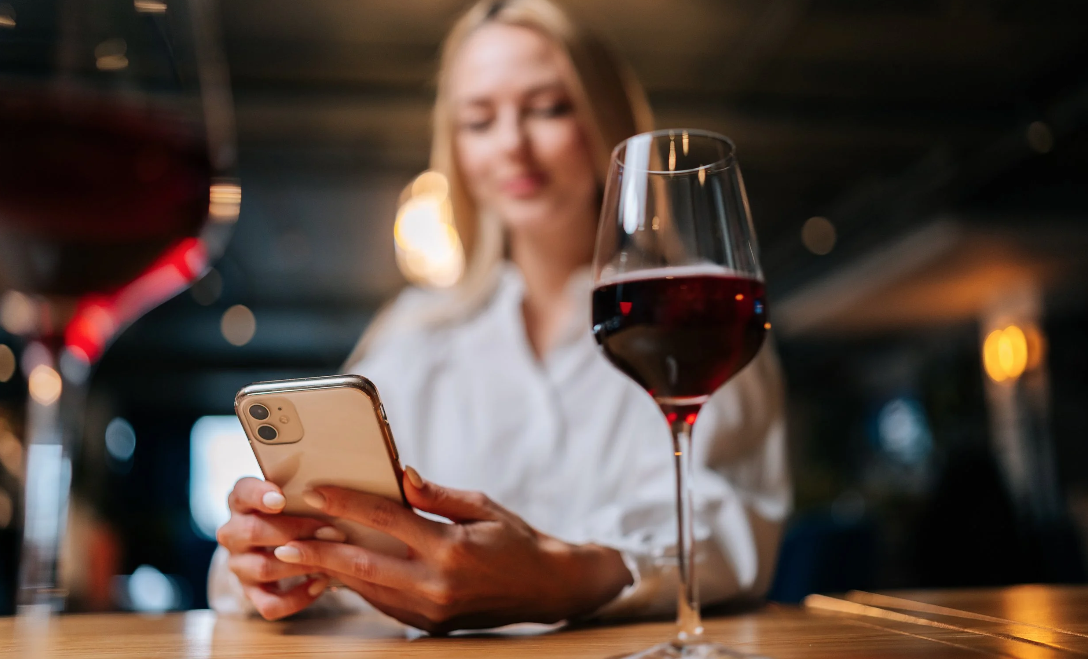
Your Customers Check Texts Faster Than Emails, So Why Are You Still Only Relying on Inboxes? The typical American checks their phone 96 times a day, that's once every 10 minutes. While your carefully crafted email campaign sits unopened among dozens of others, text messages get read within minutes. The numbers don't lie: SMS messages have a 98% open rate compared to email's paltry 20-30%. Even more telling, 90% of text messages are read within the first three minutes of delivery. For wineries competing for attention in crowded digital spaces, this isn't just a nice-to-have channel, it's the most direct line to your customer's attention. Why SMS Works Specifically for Wine Brands Wine isn't software or fashion, it's experiential, emotional, and often enjoyed in specific moments. This unique position makes SMS particularly effective for wineries in ways other industries can't match. First, wine consumers are increasingly mobile-first. When planning wee
00
August 5, 2025
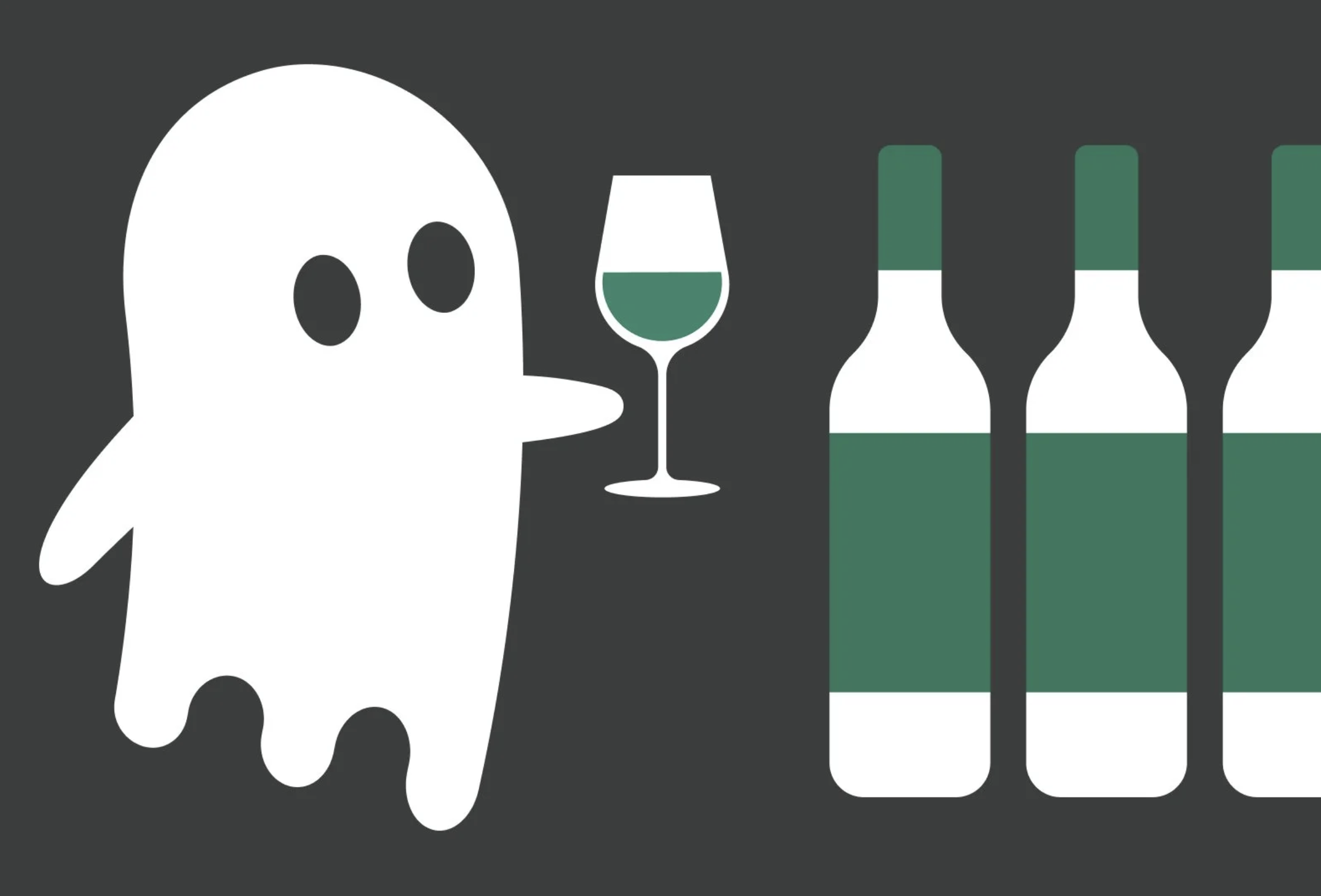
Are Your Wine Club Members Ghosting You? Here's Why Your wine club members are breaking up with you, but they're not telling you why. They're just... disappearing. The numbers are stark: Silicon Valley Bank's latest research (which we are going to reference a lot in this blog) shows wine clubs are experiencing member attrition rates between 28-36% annually, with luxury segment clubs performing only marginally better at 23-29% (SVB Direct-to-Consumer Wine Report, 2025). That's not a leak, it's a flood. And while many wineries frantically chase new sign-ups to replace the departed, few address why members leave in the first place. Wine club fatigue isn't a mysterious phenomenon. It's a predictable human response to predictable winery behavior. The Warning Signs You're Already Losing Them Before members cancel, they disengage. They're sending signals you might be missing: Email open rates drop below your average Shipment modifications increase (dow
00