
Filter Post Type
NewsVideoProductEventLink
Sort:
Most Recent
1–10 of 212

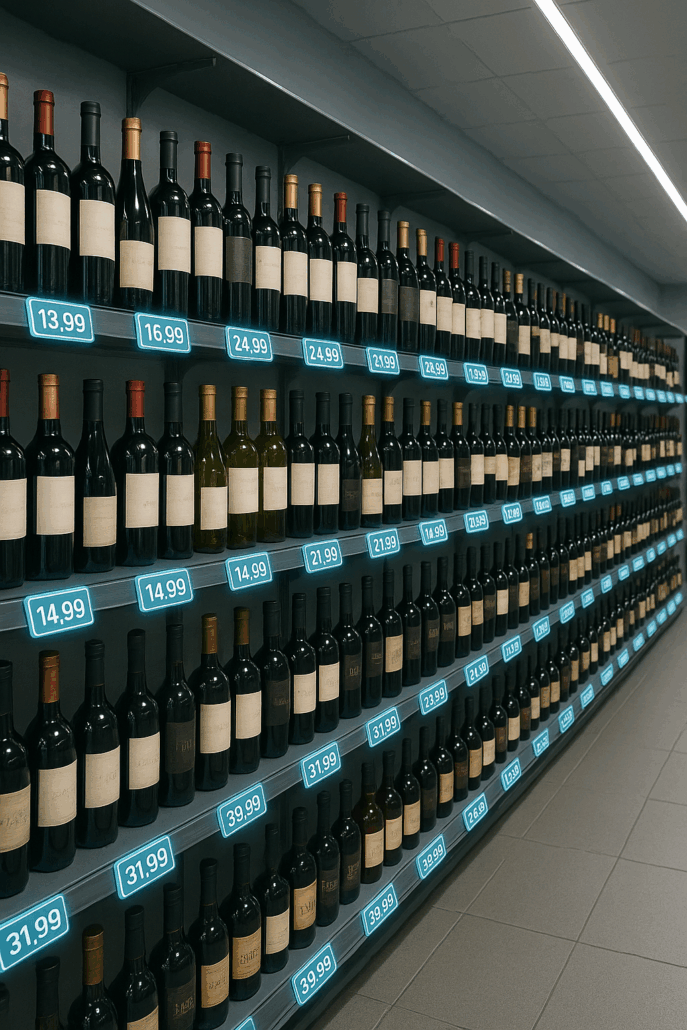
Why It’s Time to Take Control of Chain Retail Pricing In the wine & spirits business, the difference between a best-seller and a case that never sees the shelf often comes down to something so mundane, it’s almost embarrassing to say out loud: Pricing. Not the actual price point — the accuracy of it. There are already plenty of reasons your product might not make it to the shelf — a buyer reorg, a freight delay, the seasonal shuffle, or simply the chaos of modern retail. So when you’ve beaten the odds and secured a coveted placement with one of the nation’s top chain retailers, the last thing that should kill the momentum is a clerical error. And yet, that’s exactly what happens when the price on the invoice doesn’t match the price in the retailer’s system. One mismatch, and the product gets refused at the dock — benched before it ever had a shot. No match = no receiving. No receiving = no shelf placement. No pl
00

It’s not hard to see the promise of AI on a vineyard: process a ton of information and get meaningful answers quickly. The problem is that no one knows how to get started. There are no clear standards, few proven playbooks, and almost no shared examples of AI delivering measurable results inside real vineyard operations. How can you use AI on your vineyard? Keep reading... This article looks at how one vineyard management team approached AI not as a trend to adopt, but as a constraint to manage. They had too much information, too many variables and far too little human capacity to process them all. This is how they did it. The Question You Should Be Asking First A vineyard operations leader managing large-scale acreage described a situation where scale magnifies every inefficiency. Across thousands of acres and dozens of properties, the team was already using sensors, labor tracking systems, equipment data, compliance tools, and agronomic models. The problem was not lack of infor
00

From hospitality-driven visitation to loyalty and strategic partnerships, the Wine Sales Symposium explores where revenue growth is coming from now The path to winery growth looks different than it did even a few years ago. Today’s most successful wineries are not relying on a single channel or a single tactic. Instead, they are building growth through a combination of stronger customer experiences, deeper retention strategies, and brand partnerships that extend reach beyond traditional wine audiences. At this year’s Wine Sales Symposium, several sessions will explore how these shifts are reshaping sales and marketing strategies across the industry. One of the most important changes is happening in hospitality and visitation. Consumers—especially Millennials and Gen Z—are increasingly choosing experiences that feel personal, memorable, and aligned with their identity. For wineries, that means visitation is no longer simply about tasting wine; it’s about de
00
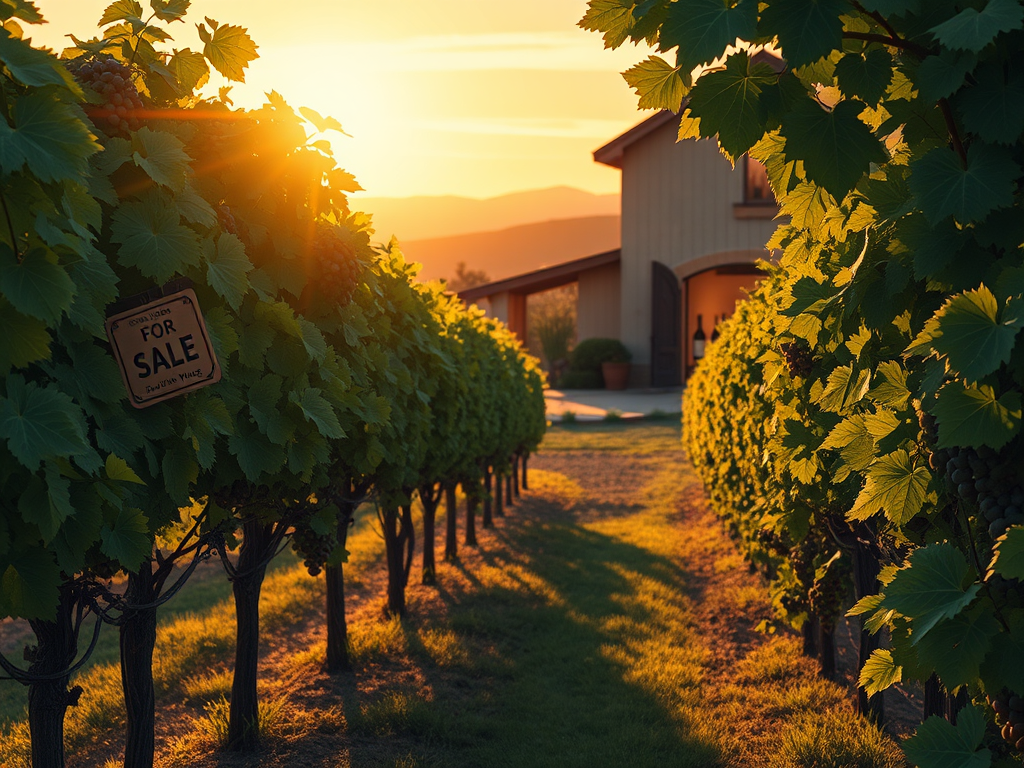
If you're thinking of selling your winery, rather than closing, this article is for you. These are the top things to consider when positioning your winery for sale in today's market. If you’re in the wine industry, you already know that this is a hard market. There are an increasing number of wineries for sale, and you likely know several others that would sell if they had the opportunity. So what do you need to do if you’re seriously considering selling your winery in the near future and want to maximize the value of that sale? Here are three areas to focus on: maximizing your cash flow, assessing your salable assets, and being honest with your expectations. Read on my Substack page. Maximize Your Cash Flow The best way to show that your winery is worth the price is to have cash flow. The highest value in a winery is, in fact, cash coming in. At the same time, most wineries consider selling because they don’t have enough of it. That tension is real, and
00

April 1, 2026
We are certainly living in different times—times that are difficult to predict and even harder to plan for. Challenges originating far outside our professional world are quickly impacting our day-to-day operations and, ultimately, your business. Throughout 2026, suppliers across the industry have faced significant disruption, and those challenges have inevitably flowed downstream to our valued wine and spirits customers. While none of us welcome this level of uncertainty, it is also not entirely unexpected given the global environment we’re operating in. Recently, the Wine Industry Network published a timely and insightful article that underscores the importance of preparation. The message is clear: we must plan ahead, secure what we can, and remain ready for continued volatility. Duties, tariffs, currency fluctuations, transportation challenges, and unexpected fees are all contributing to rising costs—and the reality is, no one can predict what will come next. What
00
March 31, 2026
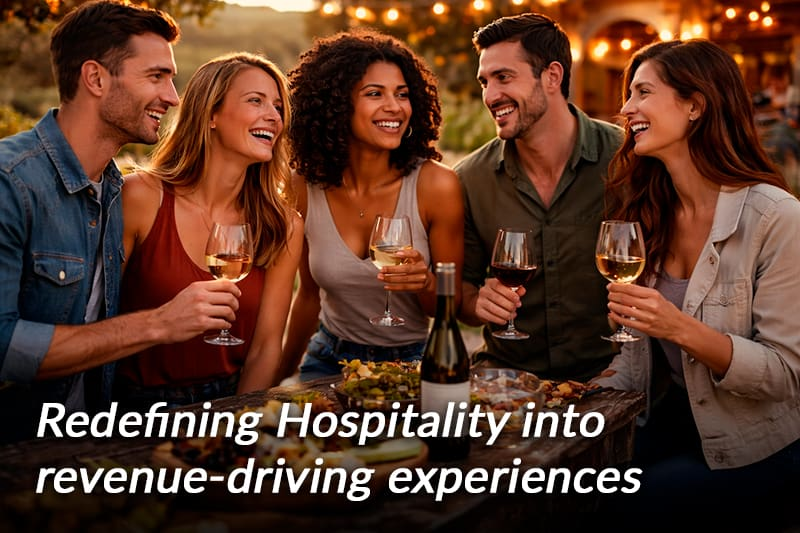
The tasting room used to be the heart of the winery business model. Walk-ins became club members. Club members became brand ambassadors. Revenue flowed predictably, and the formula worked. That’s changing. Visitation to wine regions is softening and tasting room traffic that wineries once counted on is declining. The cohort that’s most noticeably absent? Millennials and Gen Z, the consumers who should be building the next generation of wine loyalty. For many wineries, the drop-off has been gradual enough to rationalize. Blame the economy. Blame changing drinking habits. Blame competition from craft beer and cocktails. But the reality is harder to swallow: younger consumers aren’t avoiding wine country because they don’t like wine. They’re avoiding it because the traditional tasting room experience no longer competes with how they want to spend their time and money. And if wineries don’t adapt, they risk becoming relics of an industry that waited to
00
The weather is shifting, trip-planning season is underway, and tasting room traffic is about to pick up. This is the good news. The bad news? If you're reading this and thinking "we'll get to our spring marketing when spring gets here," you're behind. The tasting rooms that stay full from April through June aren't the ones with the best wine or the prettiest views. They're the ones that showed up in someone's planning process three weeks before the trip happened. People don't stumble into wine country on a whim and wander from door to door the way they did fifteen years ago. They research. They scroll. They book. And if your winery isn't visible and compelling during that research window, you're invisible when it counts. The hotel industry figured this out years ago. Marriott doesn't wait until summer to market beach properties. They start running "book your getaway" campaigns in late winter, because they know the booking win
00
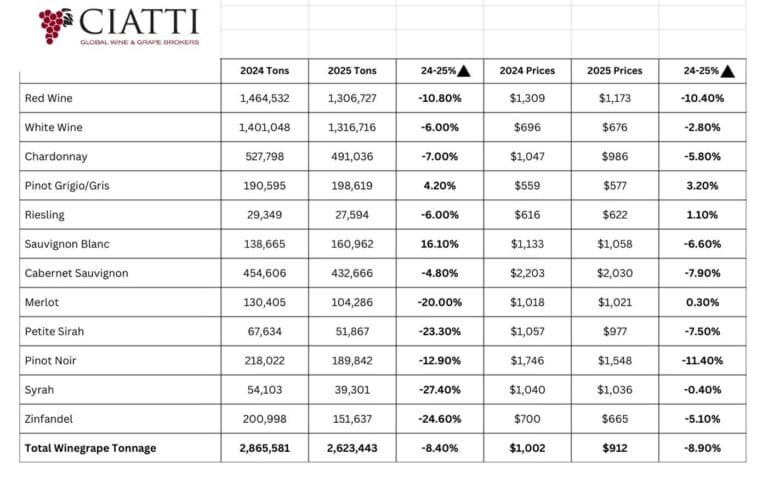
The later-than-usual release of the Grape Crush Report had everyone doing what this industry does best: guessing. And when the number finally dropped, it landed somewhere between “not great” and “not nearly low enough to matter.” At approximately 2.6 million tons, the 2025 crush came in higher than most had hoped, and, more importantly, higher than many believe the market actually needs. The Facts: What the Crush Report Tells Us Data released by the California Department of Food and Agriculture shows that the 2025 grape crush totaled approximately 2.6 million tons. That represents a decline of just over 8% from the prior year and marks the smallest crop since the late 1990s. On the surface, that’s a meaningful shift. After several years where production consistently exceeded 3 million tons, supply is clearly beginning to respond. But the details matter. Key premium varieties such as Cabernet Sauvignon, Chardonnay, and Pinot Noir all declined, while certain
00


Afternoon Brief: California Wine Industry Faces Turning Point
For California agriculture, the conversation highlights a broader reality—industries must evolve alongside consumers. The wine sector’s ability to innovate, market effectively, and adapt to new trends will determine its success in the years ahead...
00
Why Wineries Need Influencer Marketing Now Here's a number that should reshape how you think about marketing: 69% of consumers trust influencer recommendations more than information coming directly from a brand That's not a slight edge. That's a fundamental shift in how people decide what to buy. For wineries, this matters more than it does for most industries. Wine is a considered purchase wrapped in uncertainty. Your potential customer is standing in a tasting room or scrolling through an online store, wondering: Will I like this? Is it worth the price? Am I making the right choice? Influencer content answers those questions in ways traditional marketing cannot. When a trusted voice says "I tried this Pinot and it's incredible with grilled salmon," that carries weight. It's a peer recommendation disguised as content. Instagram and TikTok now drive wine discovery among younger audiences, and 87% of Gen Z consumers say they're willing to buy products
00