
Filter Post Type
NewsVideoProductEventLink
Sort:
Most Recent
1–10 of 44

May 6, 2026

The Great Digital Divorce: Why 2026 is the Year to Fire WordPress and Hire an AI Agent For years, wineries have been trapped in a "bad marriage" with their websites. You pay thousands in monthly retainers just to keep the lights on, or wait days for a junior developer/assistant to change a tasting room photo (or even worse, take time out of your day to handle it), and live with the nagging fear that a single WordPress update might crash your entire storefront. That era is over. The "Great Digital Divorce" has arrived. The $100,000 Anchor For decades, if you wanted a high-end, custom-built site that actually performed, it cost hundreds of thousands of dollars. WordPress was the "affordable" alternative that offered functionality to the masses, but it came with a hidden tax: it was built on 20-year-old logic. It relies on clunky databases and "dynamic" files that are slow, vulnerable, and increasingly expensive to maintain. Here’s the reality: AI has changed expectations around in
00
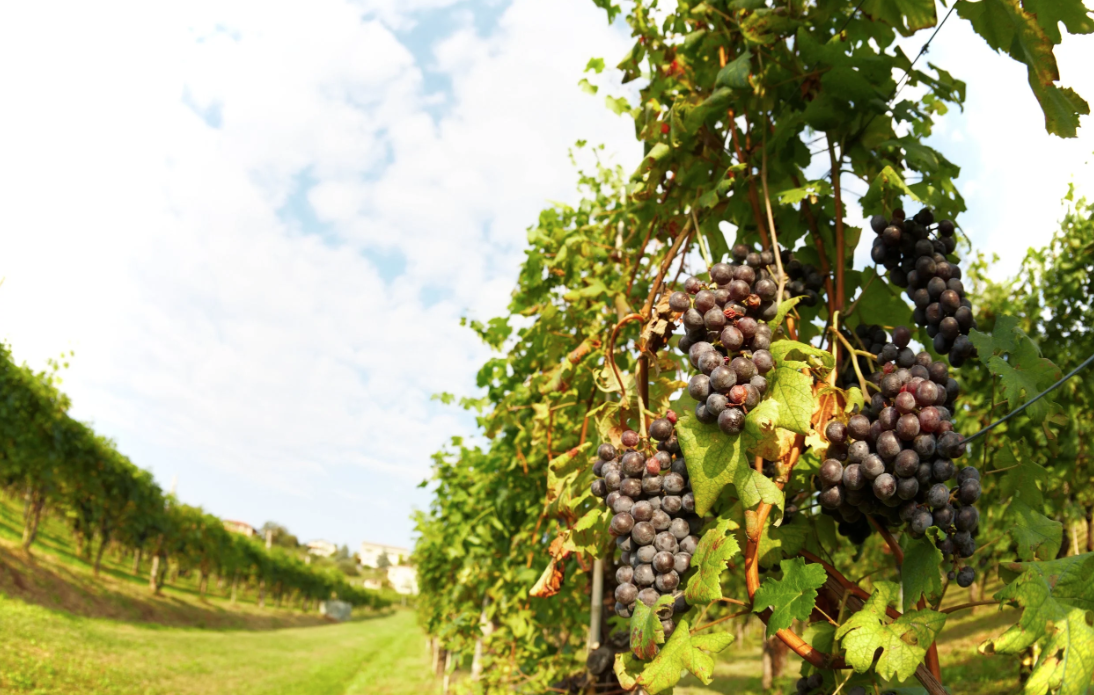
The weather is shifting, trip-planning season is underway, and tasting room traffic is about to pick up. This is the good news. The bad news? If you're reading this and thinking "we'll get to our spring marketing when spring gets here," you're behind. The tasting rooms that stay full from April through June aren't the ones with the best wine or the prettiest views. They're the ones that showed up in someone's planning process three weeks before the trip happened. People don't stumble into wine country on a whim and wander from door to door the way they did fifteen years ago. They research. They scroll. They book. And if your winery isn't visible and compelling during that research window, you're invisible when it counts. The hotel industry figured this out years ago. Marriott doesn't wait until summer to market beach properties. They start running "book your getaway" campaigns in late winter, because they know the booking win
00
Why Wineries Need Influencer Marketing Now Here's a number that should reshape how you think about marketing: 69% of consumers trust influencer recommendations more than information coming directly from a brand That's not a slight edge. That's a fundamental shift in how people decide what to buy. For wineries, this matters more than it does for most industries. Wine is a considered purchase wrapped in uncertainty. Your potential customer is standing in a tasting room or scrolling through an online store, wondering: Will I like this? Is it worth the price? Am I making the right choice? Influencer content answers those questions in ways traditional marketing cannot. When a trusted voice says "I tried this Pinot and it's incredible with grilled salmon," that carries weight. It's a peer recommendation disguised as content. Instagram and TikTok now drive wine discovery among younger audiences, and 87% of Gen Z consumers say they're willing to buy products
00

February 24, 2026

The word “brand” is notoriously difficult to define in marketing. If we were talking about a ranch brand—the kind seared onto livestock to signify ownership—that’s easy to understand. But in marketing, a brand is not a physical thing. It’s a symbolic construct. It’s not the label on the bottle or the winery’s logo or even the product itself. Rather, it’s the entire perception a consumer holds in their mind about your company, your wine, your people, and everything you collectively represent. A brand is a conceptual identity that differentiates you from your competitors. It can be shaped by your name, your origin story, the design of your label, the personalities involved in your winery, your tasting room experience, your packaging, your email tone, your partnerships, or even how you respond to a customer complaint. All these elements come together to form the intangible yet powerful idea of your brand. It is, quite literally, eve
00
February 10, 2026
After 30 years of moving up and to the right, the American wine industry hit a wall. Not a temporary slowdown or a soft patch. A structural shift that requires a fundamentally different marketing playbook. 2025 was the reality check. 2026 is the year wineries either adapt or watch their customer base age out beneath them. The data is now unambiguous: wine sales dropped approximately 6% in 2024, marking the steepest decline in decades according to SipSource industry data. More troubling than the headline number is what's driving it. This isn't a recession blip or a bad vintage. It's a fundamental realignment of who drinks wine, how they buy it, and what they expect from the brands they choose. Here are the five trends reshaping the US wine market and what they mean for your brand's survival. The Demographic Disruption The wine industry built its growth on one generation: Baby Boomers. That generation is now aging out. The Wine Market Council's 2025 U.S. Consumer Ben
00
NAPA, Calif., (Nov. 26, 2025) – VA Filtration Services’ Scientific Approach, Innovative Solutions from Napa Valley At VA Filtration Services, our mission is to empower winemakers to produce wines of the highest sensory quality. One of the challenges in modern winemaking is managing undesirable levels of pyrazines, particularly methoxypyrazines, which can impart green, herbaceous aromas that mask fruit character and complexity. Winemakers are left with two options: cover up the pyrazine (and potentially other attributes) or remove it through advances in pyrazine remediation practices. The Problem: Pyrazines in Wine Methoxypyrazines are naturally occurring compounds in certain grape varieties, such as Cabernet Sauvignon and Sauvignon Blanc. While subtle concentrations can add a sought-after freshness, excessive amounts lead to pronounced bell pepper and grassy notes, often perceived as faults—especially in premium reds. Often pyrazines present in wine due to enviro
00
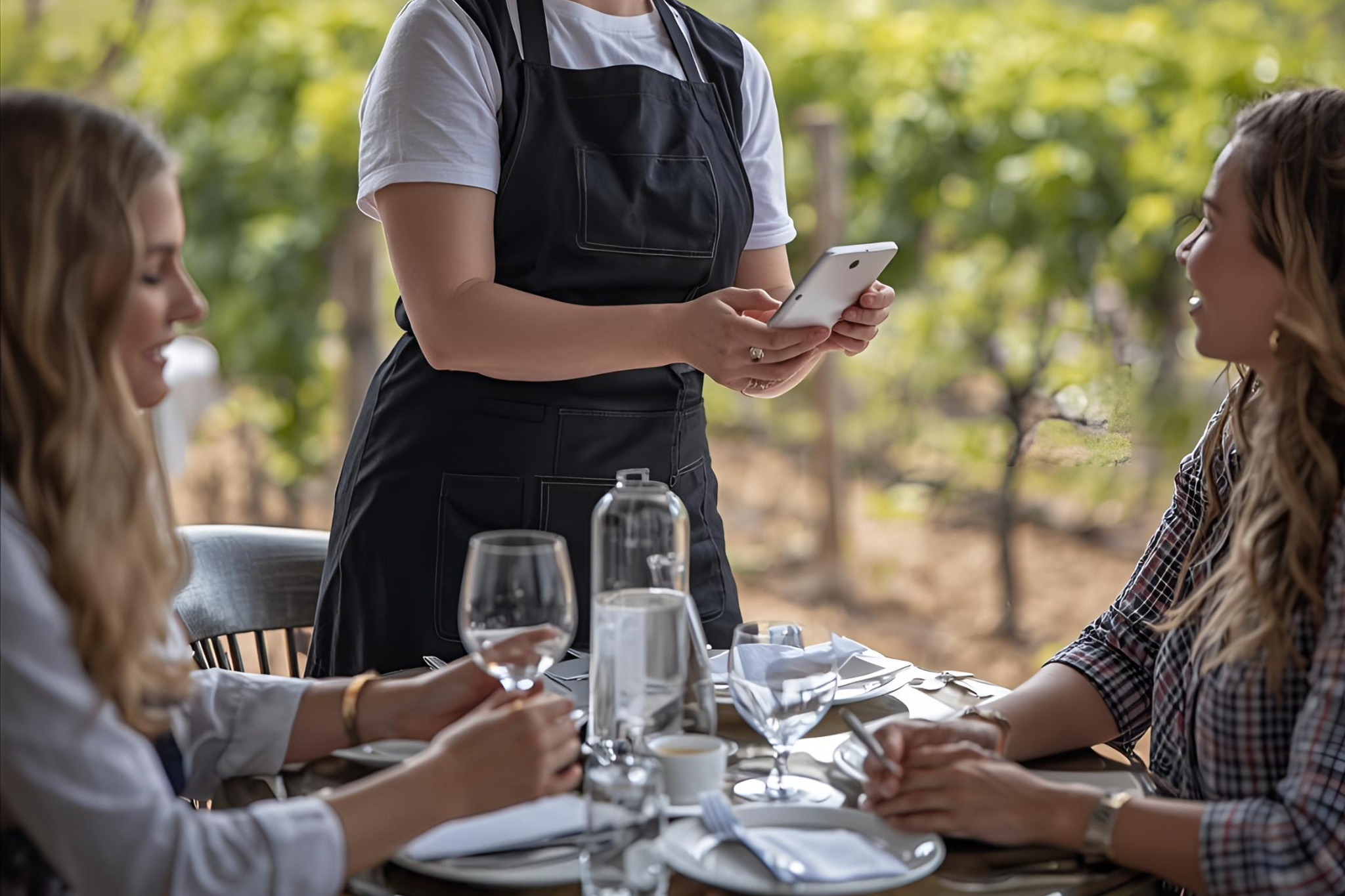
Great wine brings people to your winery. Great service brings them back. And today, nothing elevates service like a Point-of-Sale (POS) that lets you meet guests anywhere, from the vineyard lawn to a bustling festival. In today’s DTC landscape, the tasting room is no longer the only in-person touchpoint that matters. Wineries are hosting vineyard tours, pouring at festivals, working farmers’ markets, and even running golf-cart service to meet guests where they are. But here’s the problem: too many wineries are stuck with outdated point-of-sale systems that can’t keep up. If your team is tethered to a counter or juggling multiple systems, you’re not just slowing down service—you’re losing sales, missing data, and eroding customer trust. The solution? A mobile POS for wineries that makes every interaction seamless, personal, and connected. Why Flexibility Matters in Winery Service Hospitality is the heartbeat of any winery. Guests expect warm, pe
00
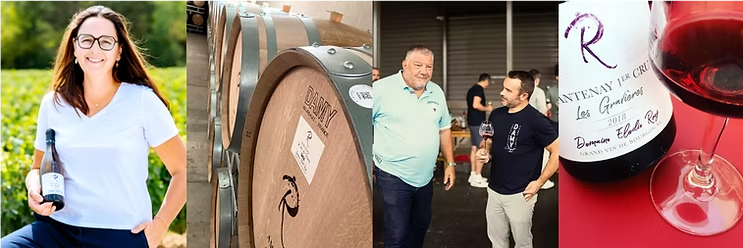
Bouchard Cooperages is very proud to represent Tonnellerie Damy, based in Meursault, one of the most prestigious cooperages in Burgundy. Tonnellerie Damy, and its French Sales Manager Étienne Martin, work exclusively with their neighbor and client Domaine Élodie Roy in Maranges. This important producer uses Damy barrels exclusively for its production of chardonnay, aligoté and pinot noir. For those interested, the same Damy barrels Élodie Roy uses for the production of these wines are currently available from stock inventory in California, Oregon, Washington, Virginia and Ontario. Tonnellerie Damy - Meursault, France Tonnellerie Damy was founded in 1946 and is managed by third generation Jérôme Damy who overseas the production of 18,000 barrels per year. The cooperage represents a state of the art facility located in Meursault, Burgundy. The majority of Damy's barrels are made from single origin French Oak, sourced from the most
00
September 1, 2025
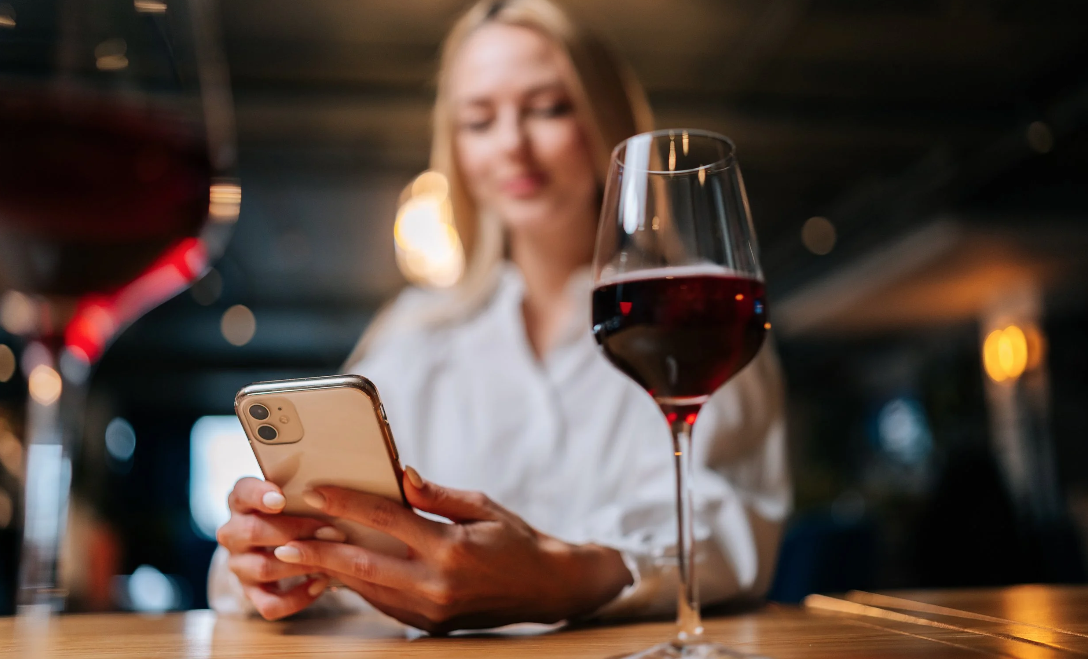
Your Customers Check Texts Faster Than Emails, So Why Are You Still Only Relying on Inboxes? The typical American checks their phone 96 times a day, that's once every 10 minutes. While your carefully crafted email campaign sits unopened among dozens of others, text messages get read within minutes. The numbers don't lie: SMS messages have a 98% open rate compared to email's paltry 20-30%. Even more telling, 90% of text messages are read within the first three minutes of delivery. For wineries competing for attention in crowded digital spaces, this isn't just a nice-to-have channel, it's the most direct line to your customer's attention. Why SMS Works Specifically for Wine Brands Wine isn't software or fashion, it's experiential, emotional, and often enjoyed in specific moments. This unique position makes SMS particularly effective for wineries in ways other industries can't match. First, wine consumers are increasingly mobile-first. When planning wee
00
August 5, 2025
Are Your Wine Club Members Ghosting You? Here's Why Your wine club members are breaking up with you, but they're not telling you why. They're just... disappearing. The numbers are stark: Silicon Valley Bank's latest research (which we are going to reference a lot in this blog) shows wine clubs are experiencing member attrition rates between 28-36% annually, with luxury segment clubs performing only marginally better at 23-29% (SVB Direct-to-Consumer Wine Report, 2025). That's not a leak, it's a flood. And while many wineries frantically chase new sign-ups to replace the departed, few address why members leave in the first place. Wine club fatigue isn't a mysterious phenomenon. It's a predictable human response to predictable winery behavior. The Warning Signs You're Already Losing Them Before members cancel, they disengage. They're sending signals you might be missing: Email open rates drop below your average Shipment modifications increase (dow
00