
Filter Post Type
NewsVideoProductEventLink
Sort:
Most Recent
1–10 of 55
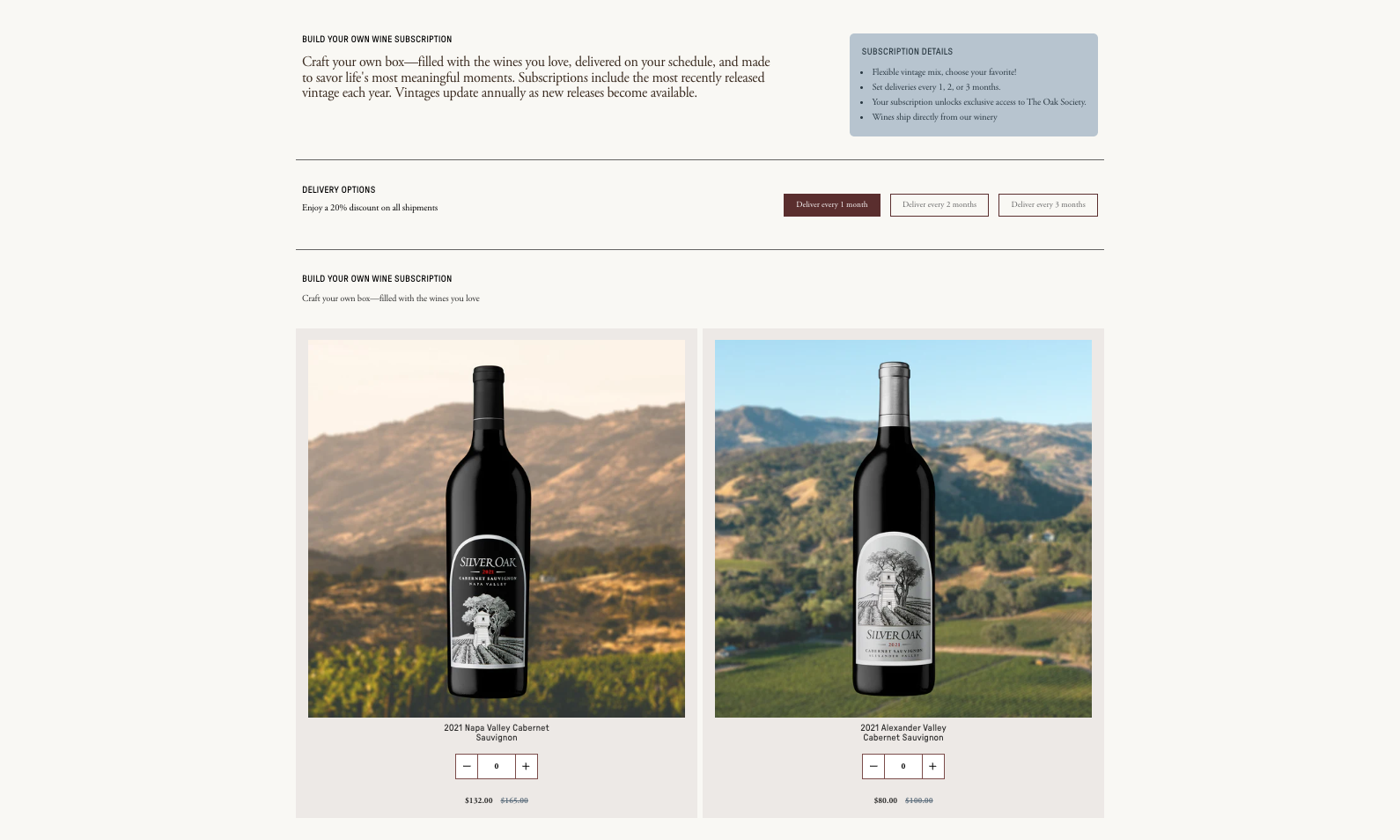
Five years ago, running a winery on Shopify meant duct-taping a lot of things together. Great for e-commerce. Okay for DTC. Difficult for wine clubs. Not really designed for tasting rooms. That's changed. The combination of Shopify's platform investments and a handful of wine-specific apps has created something genuinely new: a single operational stack that connects your tasting room, your wine club, your online store, and your loyalty program under one customer record. That convergence has real operational consequences — and it's why an increasing number of wineries are consolidating everything onto Shopify. Here's what's actually different. Your Card on File, Finally Done Right One very frustrating limitation of running a winery business on Shopify used to be simple: Shopify didn't let you vault a customer's payment card and charge it later for anything other than a subscription — not from your POS or your back office or sales team for one-tim
00
February 10, 2026

After 30 years of moving up and to the right, the American wine industry hit a wall. Not a temporary slowdown or a soft patch. A structural shift that requires a fundamentally different marketing playbook. 2025 was the reality check. 2026 is the year wineries either adapt or watch their customer base age out beneath them. The data is now unambiguous: wine sales dropped approximately 6% in 2024, marking the steepest decline in decades according to SipSource industry data. More troubling than the headline number is what's driving it. This isn't a recession blip or a bad vintage. It's a fundamental realignment of who drinks wine, how they buy it, and what they expect from the brands they choose. Here are the five trends reshaping the US wine market and what they mean for your brand's survival. The Demographic Disruption The wine industry built its growth on one generation: Baby Boomers. That generation is now aging out. The Wine Market Council's 2025 U.S. Consumer Ben
00
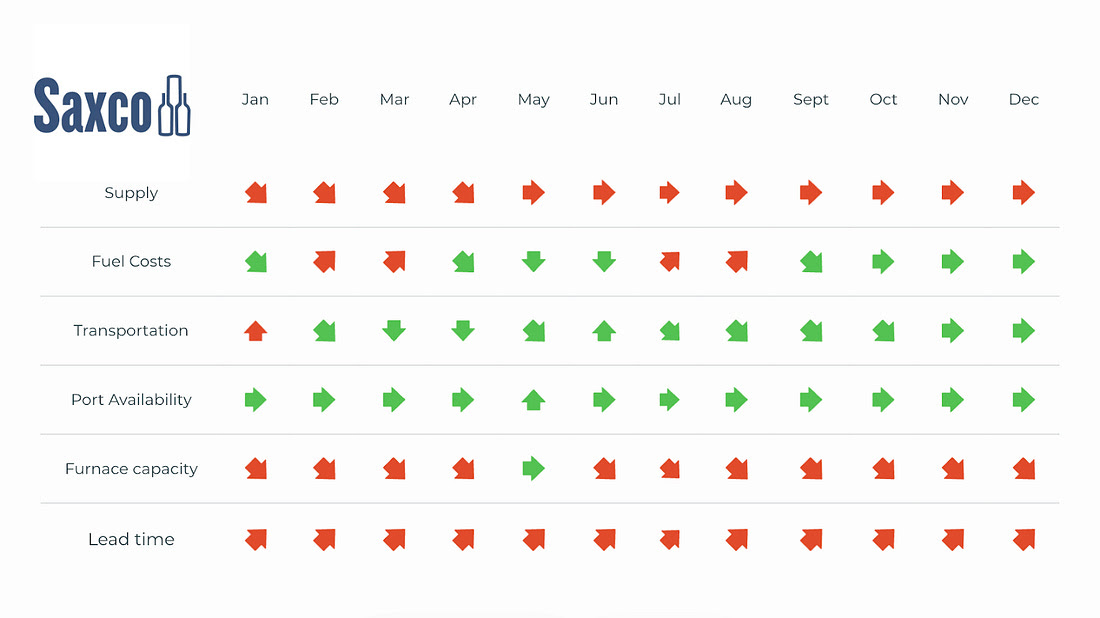
Another month of calm November typically marks the end of a new harvest and the middle of our busiest sales quarter. October’s government shutdown created unbelievable market uncertainty. But with the system back up and Thanksgiving almost normal, stability returned rather than the predicted surges or collapses by pundits from both sides. Still, questions remain about the future of our economic recovery prospects. For now, it is a reprieve, allowing us to regroup for the new year. Market dynamics The delayed reports from Commerce and the Bureau of Labor Statistics have started to trickle in, bringing some key takeaways: Unemployment is holding at 3.8%. Inflation easing to 2.3% YoY. Consumer spending down ~2% from Q3, but no hint of a cliff. As we close out the year and look to 2026, the focus will be on staying agile in both supply planning and capturing winery sales and marketing opportunities. The key trends persist: Steady demand, no major swings, and a growing gap between spe
00
December is when winery commerce systems reveal their true strengths — and their limitations. Busy tasting rooms. Holiday gift orders. Club shipments. Online traffic spikes. Staff moving fast across multiple channels. This is the moment when technology either supports growth — or quietly slows it down. The Difference Isn’t Just Sales. It’s Conversion. Most winery platforms can process transactions. Fewer are designed to support hospitality-driven conversion — turning visitors into buyers, buyers into members, and seasonal traffic into long-term relationships. That distinction becomes especially clear during the year’s final sales push. What High-Performing Wineries Do Differently They Use POS Systems Built for Hospitality High-volume tasting rooms need more than a checkout screen. The strongest systems support: fast, browser-based performance (no app lag) tabs, tables, flights, and food service quick workflows that keep staff present with guests
00

December 10, 2025
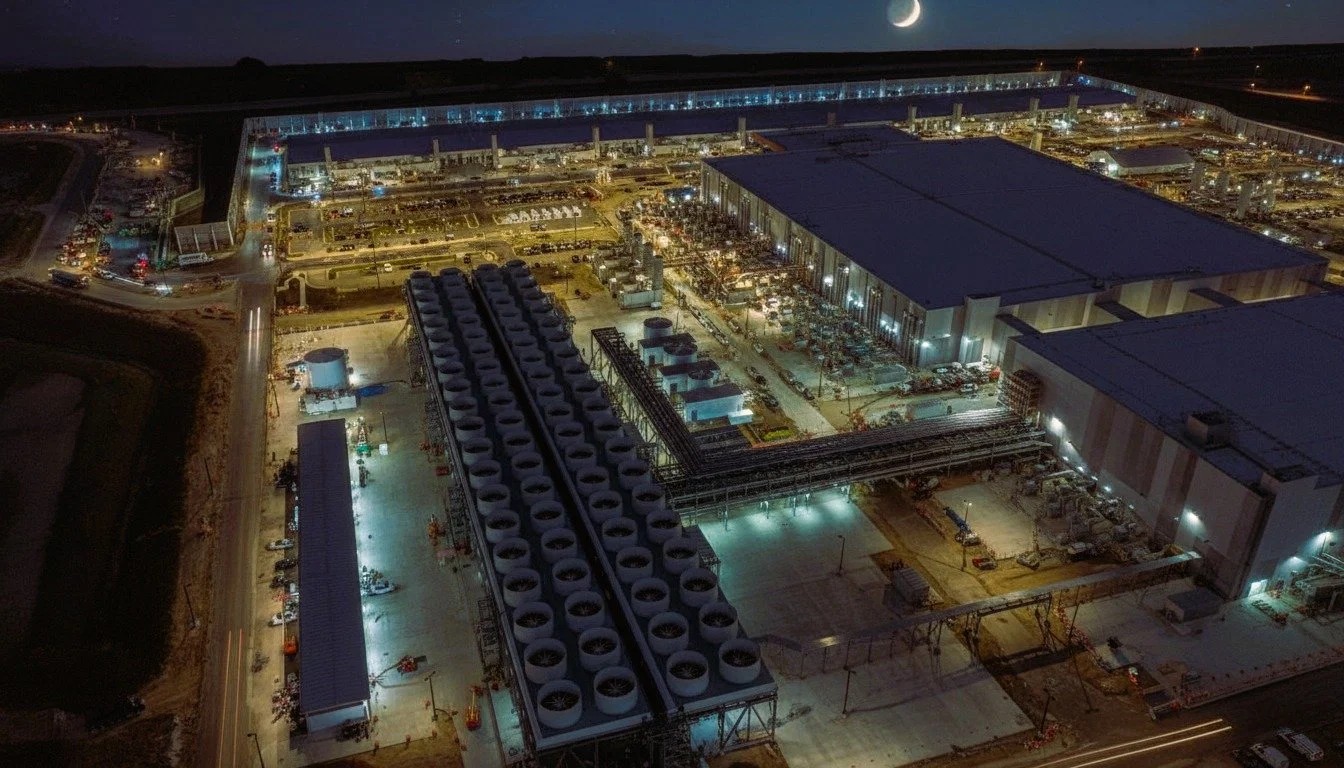
Since its launch in 2022, ChatGPT has swept into our lives like a whirlwind romance. It’s the new Google for our age. Don’t know what to cook for dinner? ChatGPT it. Need to finally draft that pesky email? ChatGPT it. In fact, some people are literally dating the chatbot. CBS Saturday Morning recently reported on Chris Smith, a man who claims to have fallen in love with ChatGPT. He’s even proposed. She said yes. It’s a heartwarming tale that forebodes the end of human civilization as we know it. Of course, the insatiable demand to have all our questions answered and our heart’s deepest desire fulfilled at the push of a button comes with ripple effects—not only for our souls, but our wallets. The AI boom has unleashed a construction spree of energy-hungry data centers to support the tech’s exploding use, requiring utility companies to upgrade their infrastructure, which is then passed on to the average consumer in the form of electricity bills
00
Cyber Week Winery Marketing: Planning Smarter, Selling Stronger Cyber Week is almost here, and consumers are primed to buy. For wineries, it’s not just a chance to move inventory — it’s a chance to win new fans, reward loyal members, and end the year strong. The goal isn’t simply to discount — it’s to strategically position value, create urgency, and make buying feel effortless. Whether you’re a small family-run tasting room or a multi-location brand, these proven strategies will help you get the most out of the week. 1. Build Anticipation Before the Week Begins Cyber Week success starts long before Friday. The wineries that win start warming up their audience early — building curiosity, boosting email sign-ups, and reminding people why they love their brand. Ideas to get the buzz going: Add a countdown banner or homepage teaser with “Our biggest offer of the year starts soon.” Send a “save the date” email to your
00

November 18, 2025

If your winery’s December felt like a sugar high followed by a January hangover, congratulations—you’re in the club. The holiday season brings out the best and worst of wine marketing. We see a flurry of emails, social posts, pop-up bundles, and panicked “last chance for shipping!” reminders that make even Santa unsubscribe. But behind all that glitter and noise sits something actually useful: data. And data, unlike mistletoe or tinsel, ages beautifully—if you know how to use it. Day 1: The Ghost of Open Rates Past Let’s start with the easy one. You sent fifteen emails between Thanksgiving and New Year’s, and shocker—open rates dropped after the first week. This isn’t your subscribers turning into Grinches; it’s list fatigue. Consumers are bombarded with messages from every brand they’ve ever accidentally clicked “subscribe” on. The fix: cut your frequency, not your revenue. Segment your list by engage
00
November 4, 2025

Meta Ads, Miracle Results If your holiday Meta ads felt like lighting money on fire in a festive candle, that’s not because social is dead. It’s because your targeting and flighting were built for wishful thinking, not gifting intent. The fix isn’t magic. It’s method. You can absolutely turn Meta into a gift-selling machine between Thanksgiving and New Year—if you understand what actually drives intent and how to spend wisely when every other brand on earth is screaming for attention. What follows is a ruthless, winery-specific playbook for the six-week window between Thanksgiving and New Year that prioritizes intent, protects margin, and leans on real benchmarks instead of folklore. First, reality: volume is there, but it clusters Holiday ecommerce keeps breaking records, with online spend hitting roughly $241.4B from Nov 1 to Dec 31 and mobile responsible for the majority of transactions. (Adobe Newsroom) Translation: your customers are buying on their
00

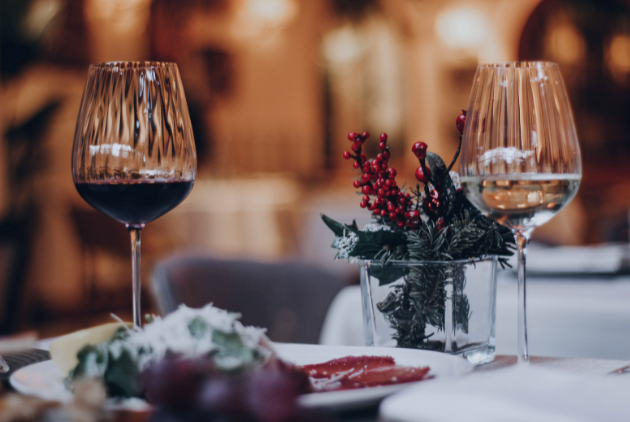
In our most recent Free Training Friday, we focused on one thing: helping wineries convert holiday browsers into buyers. With peak shopping season approaching, this session was all about small, actionable tweaks you can make right now to ensure your site is ready when customers start searching for gifts. 1. Make Holiday Intent Obvious When shoppers land on your homepage, they're looking for one thing: the confidence that you can help them find (and ship) the perfect gift on time. That's why it's so important to give them clear visual and navigational cues that say, "Yes, we've got you covered." That doesn't mean covering your site in red and green. Instead, aim for subtle seasonal touches that align with your brand, like warm seasonal messaging, photography, or gift-centric cues. Two Key Updates to Add Now: Shipping Timelines: Clearly state cutoff dates ("Order by Dec 18 for delivery by Dec 24"). Corporate Gifting Entry: Include an entry po
00
August 5, 2025

If you employ full-time staff, seasonal crews, or part-time help in Oregon’s wine industry, there’s a new law that could change how you approach labor planning and workplace disputes—especially during your busiest seasons. Oregon Senate Bill 916 (SB 916) makes Oregon the first state in the country to offer unemployment insurance (UI) benefits to both public and private sector employees who are engaged in a labor strike. Why Provide Unemployment Benefits to a Striking Workforce? Lawmakers behind the bill say it’s about fairness. Their argument is that workers who are lawfully on strike shouldn’t be forced to choose between standing up for better conditions and being able to pay their bills. They point out that most strikes in Oregon don’t last long—about eight or nine weeks on average—and believe a short-term safety net could lead to more productive negotiations. But not everyone agrees. Many employers, especially in agriculture and manufa
00