
Filter Post Type
NewsVideoProductEventLink
Sort:
Most Recent
1–6 of 6
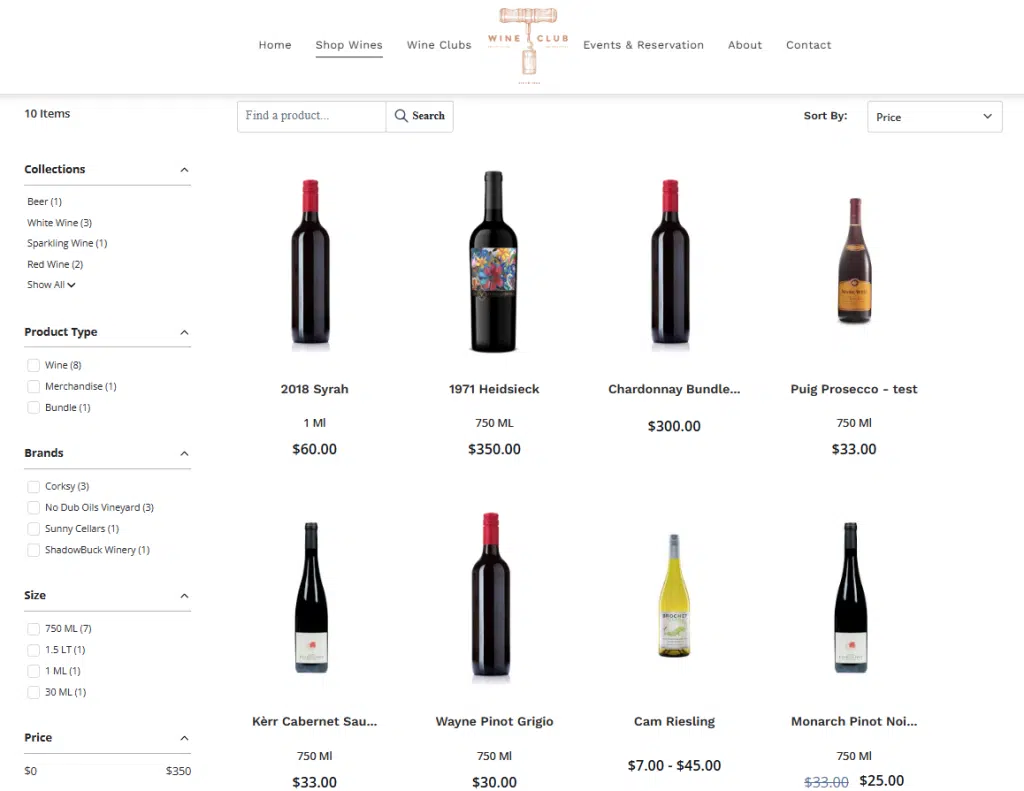
A few years ago at the DTC Wine Symposium, a panelist joked about the modern winery website formula: the guy, the dog, the truck, and the vineyard. Beautiful backdrop, strong lifestyle photography, a thoughtful founder story. Polished, absolutely. Strategically distinct, rarely. The critique wasn’t about branding. It was about structure. Most winery websites aren’t broken, but they aren’t built as decision environments either. Calls to action are unclear, revenue pathways are buried, shipping surprises appear late, and wine club often lives in isolation instead of throughout the buying journey. After auditing winery sites across regions and production sizes, the pattern is consistent: performance is constrained by friction, not effort. Most wineries don’t have a traffic problem. They have a conversion architecture problem. Before increasing ad spend or launching another promotion, run a winery website audit — on your phone. Start at the homepage and move t
00
September 1, 2025

Your Customers Check Texts Faster Than Emails, So Why Are You Still Only Relying on Inboxes? The typical American checks their phone 96 times a day, that's once every 10 minutes. While your carefully crafted email campaign sits unopened among dozens of others, text messages get read within minutes. The numbers don't lie: SMS messages have a 98% open rate compared to email's paltry 20-30%. Even more telling, 90% of text messages are read within the first three minutes of delivery. For wineries competing for attention in crowded digital spaces, this isn't just a nice-to-have channel, it's the most direct line to your customer's attention. Why SMS Works Specifically for Wine Brands Wine isn't software or fashion, it's experiential, emotional, and often enjoyed in specific moments. This unique position makes SMS particularly effective for wineries in ways other industries can't match. First, wine consumers are increasingly mobile-first. When planning wee
00
May 13, 2025
The wine industry is undergoing a significant transformation, as highlighted in recent analyses from SVB and BMO. Both institutions underscore a pressing need for wineries to adapt to shifting consumer behaviors and market dynamics. Declining Consumption and Changing Demographics BMO's 2025 Wine Market Report indicates a 4% drop in U.S. wine consumption in 2024, with Canada experiencing a 5% decline. SVB points to a long-term "demand correction," noting that Millennials and Gen Z are less engaged with wine compared to previous generations. This generational shift is further emphasized by BMO's finding that only 8% of consumers believe moderate alcohol consumption is healthy, while 45% view it as harmful. Challenges in Direct-to-Consumer (DTC) Sales While DTC sales have been a lifeline for many wineries, their effectiveness is waning. BMO reports that although DTC revenue has increased, shipment volumes are down by 10%. SVB highlights issues such as wine club churn and
00
As wineries look to sell more wine directly to consumers, they are constantly seeking innovative strategies to enhance their market presence and boost revenue. One effective approach that has gained popularity and proven to be effective in and out of the wine industry is the creation of wine bundles. This strategy not only caters to the diverse preferences of consumers but also plays a significant role in boosting sales. In this wine bundles article, we will delve into the benefits of bundling products, effective bundling strategies including “bundle and save”, seasonal and holiday bundles, and the importance of leveraging data and e-commerce for creating compelling wine bundles. Why Bundle Wine? Bundling is a marketing strategy where multiple products are sold together as a single package, often at a reduced price compared to purchasing each item individually. This approach offers numerous advantages for wineries: Increased Perceived Value: By combining various wines or w
00


The stark limitations of hindsight Driving while looking into your rearview mirror isn’t just dangerous but woefully ineffective. Don’t make the same mistake when measuring your wine & spirits sales. What measurements can be seen in your rearview mirror? Shipments Depletions Accounts Sold Points of Distribution Lost Accounts Gained Accounts These numbers are certainly nice to know. They can tell you a lot about what is happening (or what has recently happened) with your business. But, they tell you absolutely nothing about the QUALITY of your distribution. For that, you need more forward-looking information or, as we like to call it, “leading indicators” of sales success. Follow the crowd, risk falling off a cliff It is rare to find a wine or spirits company reaching beyond our industry's tried and true metrics. Habits are hard things to break. To have a breakout sales performance, brands need to redefine the success metrics. T
00
March 23, 2021
California’s Proposition 65 warning regulations were recently amended to modify the delivery of the required state warnings for alcoholic beverages. The modified regulations somewhat ease compliance, as they will now allow for the required warning to be provided to the customer electronically for alcoholic beverages ordered online or via catalog. However, they muddle the standard for other orders that are placed for delivery. Proposition 65, adopted in 1986, generally requires in California for a statement to be provided before the purchase of products that contain certain chemicals that may cause cancer or reproductive toxicity. Stores are generally required to post signs along-side listed products. The warning methods and language are product-specific, but there is also a requirement that, for products that are sold on line, the warning be provided via electronic device to the customer, without requiring the purchaser to seek out the warning, prior to or during the purchas
10