Filter Post Type
NewsVideoProductEventLink
Sort:
Most Recent
1–10 of 20
May 20, 2025
Sonoma County is home to a remarkable array of native plants, each contributing to the rich tapestry of our local ecosystems. These plants are not only beautiful but also play a critical role in sustaining the health of our environment. From the rugged coastal ranges to the sun-soaked valleys of wine country, Sonoma’s native plants have evolved to thrive in our Mediterranean climate—making them ideal for sustainable and low-maintenance landscaping. Native plants are uniquely adapted to the soil, rainfall, and temperature of their home region. This means they require less water, fewer chemical inputs, and minimal maintenance compared to non-native species. In landscaping, that translates to less work for property owners and more harmony with the environment. Seven Native Plants Ideal for Sonoma County Landscapes 1. California Poppy (Eschscholzia californica) Hearty as they are iconic, our state flower thrives in full sun and well-drained soil. Its bright orange blooms are a
00

In today’s competitive market, knowing your customers is not just an advantage—it’s essential. Data appends offer businesses a way to enrich their customer data, providing deeper insights that can transform marketing strategies, improve customer experiences, and drive revenue. What Are Data Appends? Data appends involve adding new information to your existing customer database. This could include demographic details, email addresses, phone numbers, or behavioral data. The goal is to build a more comprehensive profile of your customers. Think of your friends or coworkers. If you knew one thing about them – Joe likes Cabernet Sauvignon – it would be tough to carry on a conversation with Joe for very long. You’d run out of things to say. But if you also know that Joe likes reading historical fiction and woodworking, is taking adult education classes in painting and art appreciation, and has traveled to Asia several times, you could converse all even
00
February 13, 2025

The labelling industry is no stranger to change. Each year, new regulations emerge that impact how businesses package and label their products. These changes often stem from government updates, industry standards, and consumer expectations for transparency and safety. For 2025, several key regulatory updates will require businesses to adapt their labelling practices to ensure compliance and maintain consumer trust. In this article, we’ll explore the upcoming regulatory changes, why they matter, and how your business can stay ahead of the curve. From ingredient transparency to sustainability requirements, here’s everything manufacturers need to know to navigate labelling regulations in 2025. Why Regulatory Compliance in Labelling Matters Labels play a critical role in product communication. They inform consumers about what’s inside the packaging, how to use the product safely, and whether it aligns with their values (e.g., organic, cruelty-free). Regulatory compliance
00
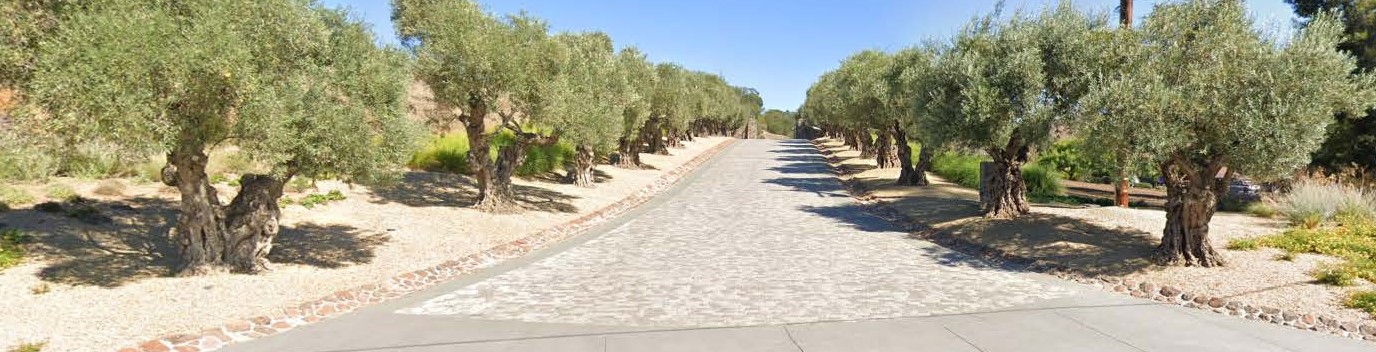
In Sonoma County Wine Country, olive trees are more than just a stunning addition—they symbolize resilience, sustainability, and timeless beauty. Thriving in our climate, these drought-tolerant trees require little water once established, making them an ideal choice for landscapes focused on conservation and longevity. At Allen Land Design, we see olive trees as more than just a striking feature; they’re an embodiment of our commitment to sustainability and respect for the land. These trees are deeply connected to the soil, their strong roots preventing erosion and helping to preserve the integrity of the land. Their shimmering silver-green leaves and gnarled, weathered bark not only evoke a sense of serenity but also provide shade, privacy, and year-round beauty. Whether planted as a solitary statement piece or as part of a larger grove, olives enhance your landscape while nurturing the environment. For wineries and private estates, olive trees offer a unique opportu
00
August 7, 2024

Summer is upon us, and whether you’re a brewer trying to keep up with the summer rush, a winemaker preparing for harvest, or in any other application where a chiller is used, keeping your chiller running at peak performance is critical. Activate remote monitoring today and you’ll be able to monitor your chillers’ performance anytime, anywhere. The system sends text and email alerts for any abnormal conditions – offering peace of mind that your equipment is operating smoothly. Learn more about remote monitoring here! Here are 5 helpful tasks you can do yourself to keep your chiller running smoothly. Summer temperatures cause high head pressure, which reduces your chiller’s capacity. To get the best efficiency and capacity from your chiller, it is essential to keep its condenser coils clean and ensure unrestricted air circulation.Cleaning the condenser is easy. First, shut down the chiller and turn off the power. Then, with a water hose, gent
00
July 10, 2023

WineDirect WebinarJuly 12, 2023 10 AM (PST) DP&F Partner, Bahaneh Hobel, will speak on the latest updates in Direct-to-Consumer (DTC) regulations. With a specific focus on key developments like the California Bottle Bill, Colorado Delivery Fee, Alaska's new licensing requirements, and the California Privacy Rights Act (CRPA), this event is a must-attend for wineries and professionals in the DTC space. Please click this link to register.
00

Join us for a quick, informative webinar on July 12th at 10am as industry experts, Jeff Carroll, WineDirect's VP Partnerships and Compliance, and Bahaneh Hobel, Head of Alcohol Beverage Law and Compliance at Dickenson Peatman & Fogarty, shed light on the latest updates in Direct-to-Consumer (DTC) regulations. With a specific focus on key developments like the California Bottle Bill, Colorado Delivery Fee, Alaska's new licensing requirements, and the California Privacy Rights Act (CRPA), this event is a must-attend for wineries and professionals in the DTC space. Don't miss this opportunity to stay ahead of the curve and gain valuable knowledge from leading experts in the field. Register now to secure your spot and ensure you are well-prepared to adapt to the recent changes in DTC regulations.
00
June 12, 2023
In September of 2022, California Governor Gavin Newsom signed into law Senate Bill 1162, also known as SB 1162, the Pay Transparency Act, which went into effect on January 1 of this year. This new pay transparency law adds new requirements for payroll, hiring, and recruiting in the state of California. SB 1162 sets new expectations for businesses operating and hiring in the state of California regarding pay scale and pay data reporting, making adherence to the new requirements especially important for payroll, hiring, and recruiting. This new development highlights the ever-changing nature of the landscape of California employment law and the importance of having HR support specialists who focus on these California requirements on your side. How California Expands Pay Transparency Requirements In an earlier blog post, we looked into the key points from SB 1162, namely its new requirements for pay scale and pay data reporting. For hiring and recruiting personnel, the former is most pert
00

Most of us are aware that something is going on with Google Analytics. But we sense this is months away, so putting it on the back burner won’t hurt, right? Not necessarily. If you’re like most wineries, your website has been on Google Analytics for 10+ years, and during all that time, Universal Analytics, or GA3, has faithfully logged your customer activities for free. If you want to continue this level of support from Google, you must get the next version – GA4 – set up as soon as possible. Google will officially stop supporting GA3 on July 1st, 2023. Don’t care about the “why” or “how”? Just want it to work? Book a call with us and we’ll take care of it for you. What Is Involved? Step One: Create A GA4 Property Google calls a website a “property.” If you have an existing GA3 set up, you have a property that looks like UA-55894432. You will need a new “property” for the new GA4. If you are capable
00
With the start of the new year, it is time to dust off the employee handbook, review your policies and procedures, and make sure they comply with all the new laws, regulations, and interpretations that have either already gone into effect or will in early 2023. Below, we have identified our “top 10” changes. Please keep in mind there were hundreds of laws, regulations, and changes implemented at the local, state, and federal levels throughout 2022. So, if you need a handbook/COVID-19 policy review or have any questions, please call. 1. California and Local Minimum Wage Raised – In addition to the gradual increase to minimum wage that has been in effect under California law, several Sonoma County cities have increased minimum wage beyond that required by the state. Below is a table that describes the state and local city requirements: Locality Effective Date Employers With 26 Or More Employees Employers With Less Than 26 Employees California 1/1/2023 $15.5
00