
Filter Post Type
NewsVideoProductEventLink
Sort:
Most Recent
1–10 of 63


From the Desk of Michelle van der Lugt... Do you know what's REALLY scary in the wine world? It’s not ghosts in the cellar... It’s the numbers we’re seeing across the industry. Sales are slowing. Clubs are shrinking. Margins are vanishing faster than you can say BOO! And too many wineries are still guessing instead of knowing. What’s really scary is: Not realizing which customers are slipping away until they’re gone Leaving easy money on the table — from missed reorders, lapsed members, or untapped fans Sending the same message to everyone instead of the right offer to the right person Spending weeks building reports while momentum slips away That’s where Enolytics comes in. Our platform turns your DTC and wholesale data into clear, actionable insights — helping you sell more wine through smarter customer insights, personalized marketing, and real-time performance tracking. Here’s how we turn the scary into success: Spot at-ris
00

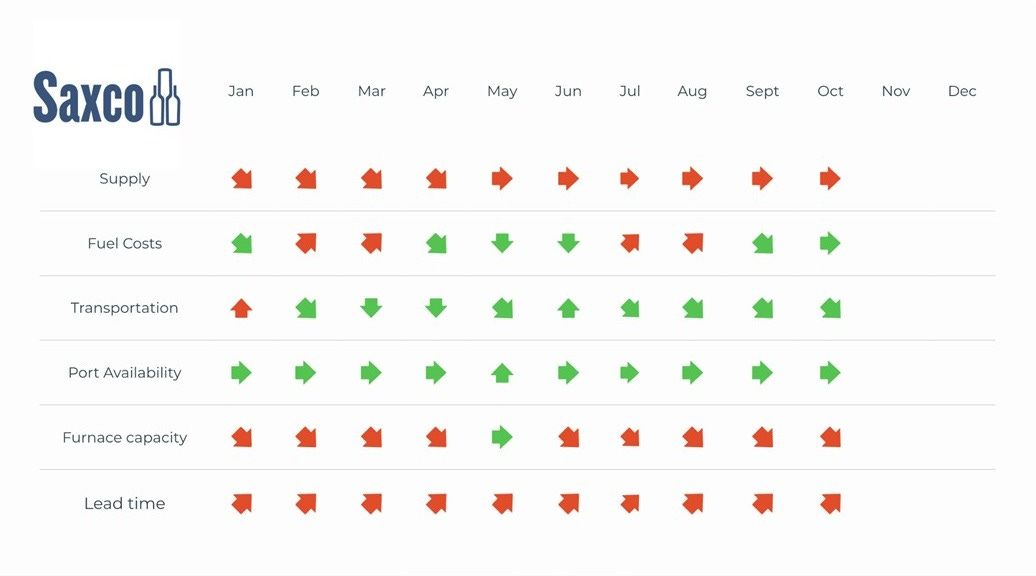
This month: Soft seas, more questions, and a consumer that’s anxious and cautious about tomorrow. October’s here, and the supply chain feels eerily quiet. Not calm exactly – just slow. There is movement, but it’s more drift than direction. Freight rates are down, not because we have gotten more efficient, but because demand is low. Fuel is holding steady, but only because the broader economy seems reluctant to surge. There are no logjams at the ports, yet there is not much urgency, either. Glass remains tight. Lead times are still creeping. And while retail shelves are being reset for the holiday sprint, the pace feels tentative. Brands are pushing forward, but many are doing so with a wary eye on cost, conversion, and the uncertain mood of the American shopper. The story of October is about the tension between the inertia of supply and the jitteriness of demand. Between short-term calm and long-term concern. Market overview Fuel costs rose imperceptibly from $3
00


Great wine brings people to your winery. Great service brings them back. And today, nothing elevates service like a Point-of-Sale (POS) that lets you meet guests anywhere, from the vineyard lawn to a bustling festival. In today’s DTC landscape, the tasting room is no longer the only in-person touchpoint that matters. Wineries are hosting vineyard tours, pouring at festivals, working farmers’ markets, and even running golf-cart service to meet guests where they are. But here’s the problem: too many wineries are stuck with outdated point-of-sale systems that can’t keep up. If your team is tethered to a counter or juggling multiple systems, you’re not just slowing down service—you’re losing sales, missing data, and eroding customer trust. The solution? A mobile POS for wineries that makes every interaction seamless, personal, and connected. Why Flexibility Matters in Winery Service Hospitality is the heartbeat of any winery. Guests expect warm, pe
00

September 8, 2025

In Session 3 of the Wine Club Symposium, Liz Mercer (WISE Academy) made a clear case: tasting-room traffic alone is too volatile to power sustainable DTC growth. Wineries that take their brand to their members, through roadshow events and member travel, are winning sign-ups, sales, and loyalty in the markets where fans already live. Why this matters now Weather, travel patterns, and local disruptions make tasting-room demand unpredictable. Taking the winery on the road diversifies acquisition and retention—and deepens relationships. You control cadence, format, and data capture instead of waiting for foot traffic. Three roadshow formats that work Winery-hosted dinners: Co-plan with a restaurant or country club; keep pricing all-inclusive; align the menu to make your wines shine. Partner-hosted events: Team up with lifestyle brands (e.g., premium appliance showrooms, private social clubs) to co-mingle audiences and scale. Champion-hosted gatherings: Member-home tastings done
00
September 8, 2025
In Session 3 of the Wine Club Symposium, Liz Mercer (WISE Academy) made a clear case: tasting-room traffic alone is too volatile to power sustainable DTC growth. Wineries that take their brand to their members, through roadshow events and member travel, are winning sign-ups, sales, and loyalty in the markets where fans already live. Why this matters now Weather, travel patterns, and local disruptions make tasting-room demand unpredictable. Taking the winery on the road diversifies acquisition and retention—and deepens relationships. You control cadence, format, and data capture instead of waiting for foot traffic. Three roadshow formats that work Winery-hosted dinners: Co-plan with a restaurant or country club; keep pricing all-inclusive; align the menu to make your wines shine. Partner-hosted events: Team up with lifestyle brands (e.g., premium appliance showrooms, private social clubs) to co-mingle audiences and scale. Champion-hosted gatherings: Member-home tastings done
00
Free Up Capital. Fuel Growth. Stay Harvest-Ready Most wineries lock up hundreds of thousands in barrel inventory. But here’s the truth: The barrel isn’t the asset—the wine inside is. Legacy Barrel Services helps you unlock the capital trapped in your cooperage program. We finance the barrels so you can preserve working capital, fund harvest operations, and focus on what matters—great wine. ✅ Smart financing.✅ Zero operational disruption. ✅ Capital back in your pocket. 📩 Let’s rethink your barrel program before 2025 hits: | contact@legacybarrelservices.com
00
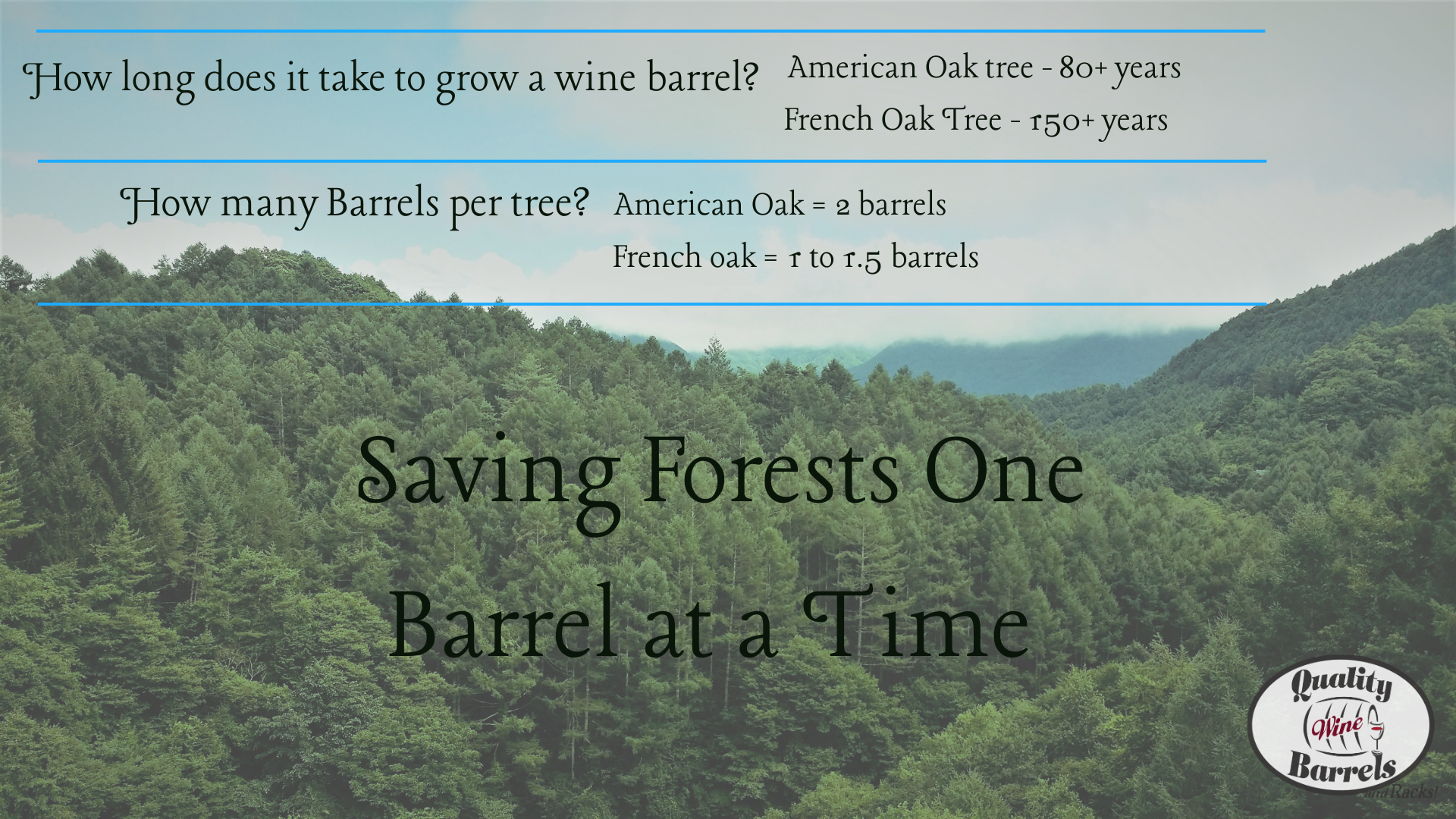
It Takes 150 Years to Grow a Barrel. Let’s Make It Count It takes French oak trees 120 to 150 years to mature. American oak? Around 80 to 100. That’s how long it takes nature to produce the raw material. Each tree doesn’t go far- it only yields one or two barrels. American oak = 2 barrels per tree French oak = 1 to 1.5 barrels per tree And yet, many barrels are used for only a few vintages—then discarded, chipped, or burned. We believe something that takes a century to grow shouldn’t be single-use. Reusing barrels is better for the planet, the pocketbook —and the future of winemaking. Our barrel sales have ranged from 10,000 to 20,000 per year for 20+ years. That adds up to hundreds of thousands of barrels we have kept in circulation. That means Our Work at Quality Wine Barrels has helped save: - 50,000 to 100,000 mature oak trees - 400 to 800 acres of slow-growing, carbon-absorbi
00
May 22, 2025
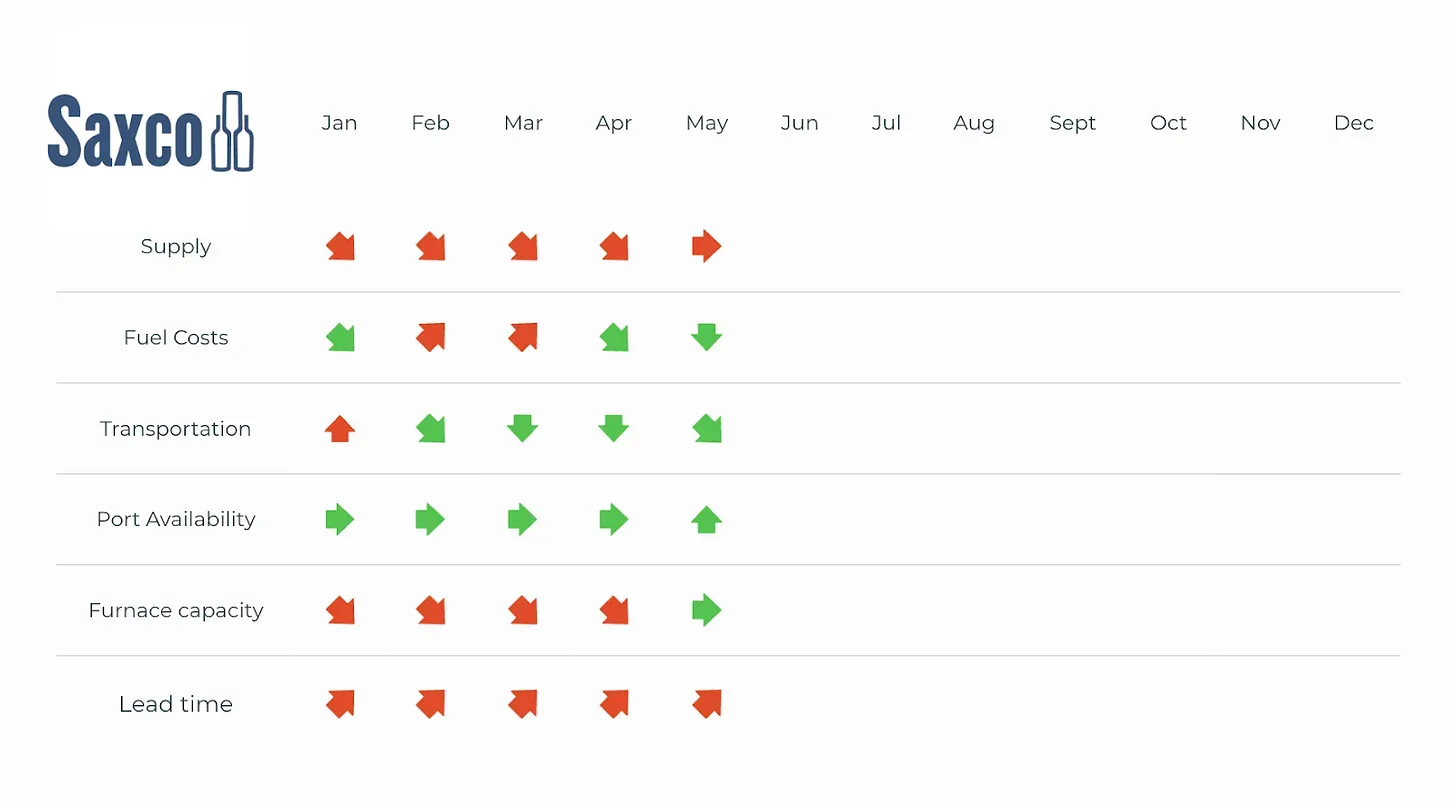
In recent years, US trade policy developments – including broad tariffs and anti-dumping/countervailing duties – have disrupted global supply chains and increased costs across multiple industries. The wine and spirits sector, in particular, continues to experience the ripple effects of trade tensions involving key packaging sources such as China, Mexico, and Canada, along with ongoing tariffs on aluminum and steel. On April 2, 2025, President Trump invoked emergency trade powers under the International Emergency Economic Powers Act (IEEPA), imposing a 10% “baseline” IEEPA tariff on most imported products from most countries, effective April 5. Higher tariff rates on imports from 57 countries were temporarily suspended for all but China, providing a 90-day reprieve. Meanwhile, China was subjected to 125% IEEPA reciprocal tariffs plus 20% IEEPA “fentanyl” tariffs, as well as any other applicable tariffs, such as the 25% China Section 301 tariffs initia
00

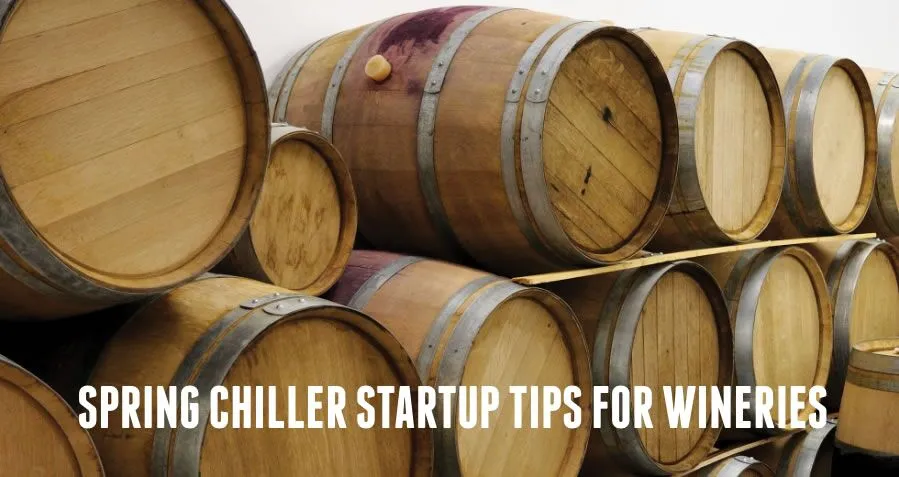
Get Your Cooling System Ready for the Season Ahead As spring arrives and vineyard life begins to bloom again, it’s the perfect time to wake your chiller from winter hibernation. A smooth startup now means reliable cooling when you need it most — whether you’re cold-soaking rosé lots or prepping for bottling. Below is a helpful step-by-step guide to safely and efficiently hook up and prepare your chiller for winery use this season: Spring Chiller Startup Checklist 1. Clean the Condenser Coils Spring debris like cottonwood, pollen, and leaves can restrict airflow. Use a soft brush or coil-safe cleaner to remove buildup. For heavy grime, a gentle rinse with water may help — just avoid damaging the fins. Straighten bent fins with a fin comb if needed. 2. Remove Winter Protection Take off tarps, overhangs, or insulation used for winter protection. Ensure there’s no trapped moisture, which can lead to rust or mold. 3. Inspect Power & Electrical Conne
00
April 23, 2025
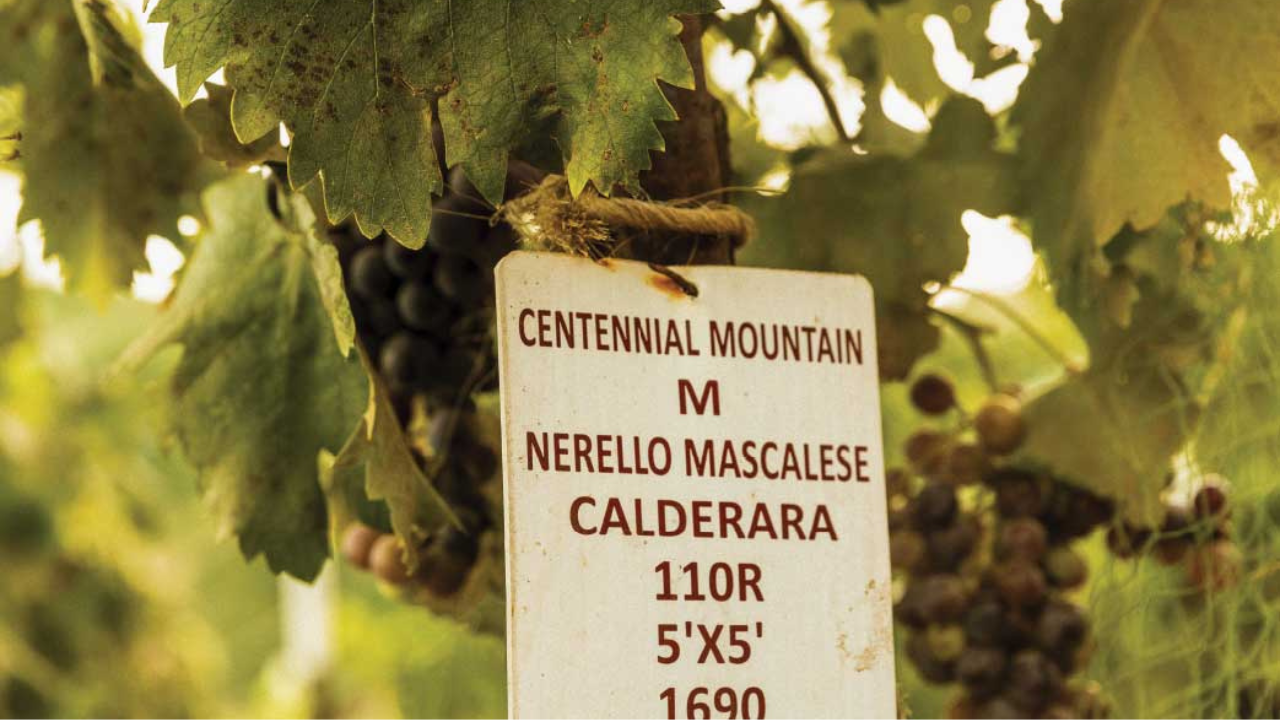
America’s First Carricante and Nerello Mascalese Planted in Sonoma County - Sonoma County Winegrowers
By Virginie Boone Italian varieties are no stranger to Sonoma County, a region rich in Italian heritage and history. The majority of these varieties exist in small pockets of acreage []
00