
Filter Post Type
NewsVideoProductEventLink
Sort:
Most Recent
1–10 of 71

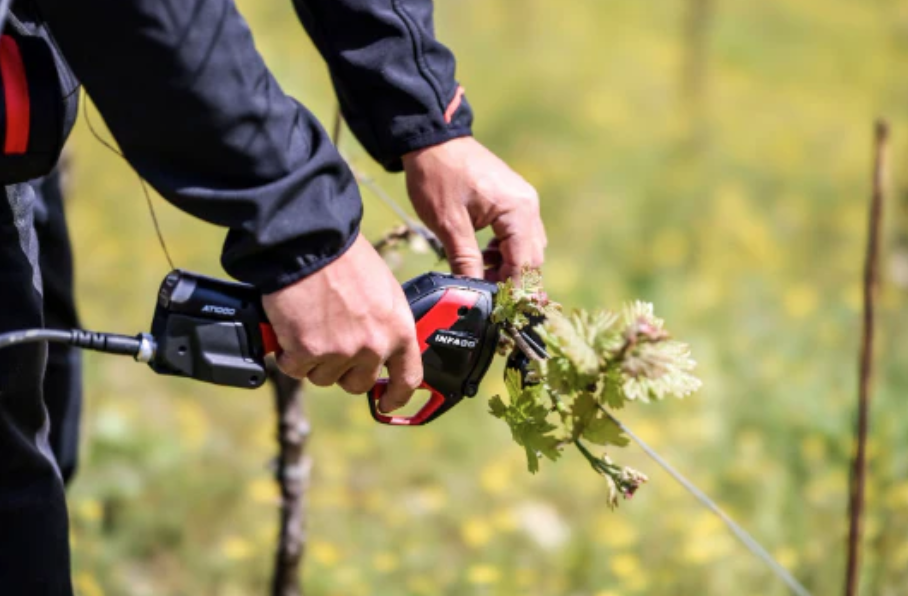
Training young vines is one of the most delicate tasks in viticulture. Get it right, and you set the foundation for decades of healthy growth and high yields. Get it wrong, and you risk snapped shoots, poor airflow, and lower fruit quality. That’s why choosing the right tool for trellising is critical—especially during the first two years of a vine’s life. Enter the INFACO AT1000, a battery-powered tying tool that pairs with the F3020 platform to offer fast, consistent, and gentle ties—without damaging tender shoots. In this article, we’ll explore how the AT1000 can transform how you train your vineyard, reduce labor time, and preserve plant health from the ground up. Tying without breaking growth: why gentleness matters Young shoots = fragile structure First- and second-year vine shoots are highly flexible but prone to: Splitting at the base Crushing when tied too tightly Drying or choking if ties aren’t breathable Traditional methods like twist ties or hand-knotted twine often re
00


Winemakers are no strangers to natural challenges but now faced with a unique combination of climactic and economic pressures, they’re on the hunt to expand and evolve their toolkits. In response, the team at LAFFORT brought key results from more than 70 trials conducted in the last year to winemakers and industry professionals along the West Coast. The 2026 Rendezvous commenced in Paso Robles, Calif. on April 28 before heading north to Santa Rosa, Calif. and Newberg, Ore., in the same week. Event organizer Lisa Strid shared that the program for this year’s Rendezvous was designed to directly address the top challenges facing winemakers today—costs, efficiencies, and combatting unexpected weather—and deliver information that was immediately applicable in the winery. LAFFORT, in addition to supplying yeast, tannins, enzymes and other fermentation products, expanded into oak and barrel alternatives with Nobile, aromatic and flavor enhancements with Essencia, and laboratory equipmen
00

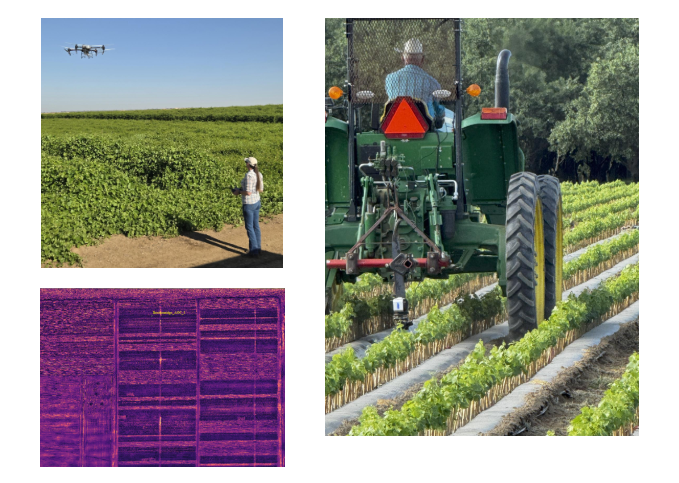
We extend our commitment to innovation beyond the nursery and into the field using real-time data, AI scouting, and precision water management to support long-term vineyard success. Here’s how we’re integrating technology into our field operations: AI-Powered Scouting Tellia Tellia is a voice-driven observation platform that captures and organizes field data instantly. Observations are securely stored and fully searchable. Need to know where a specific weed or issue was identified? Simply ask, and Tellia retrieves every relevant entry complete with location, timestamp, and notes. It transforms scouting from note-taking into actionable intelligence. Precision Irrigation Hortau Using soil tension probes and automated irrigation programming, the Hortau system allows us to irrigate based on real-time soil moisture data. This ensures optimal crop health while significantly improving water-use efficiency. Aerial Technology Drones and Imaging These tools allow us to detect var
00

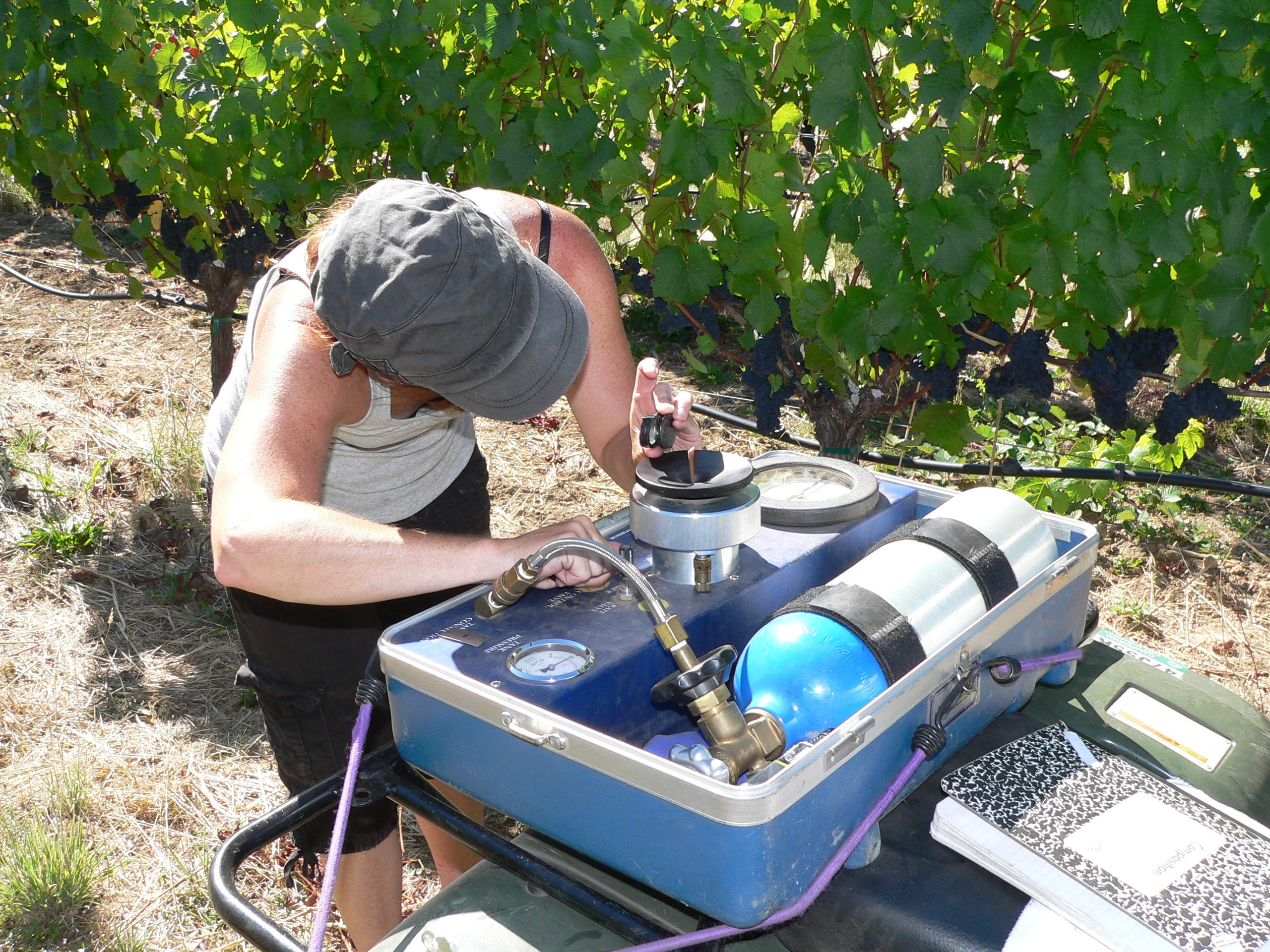
Two years ago, I wrote an article on AI in the vineyard for WBM. Feel free to read that article here…if you want. Otherwise, my basic argument was that although AI will eventually play a role in how we farm grapes, it’s a long way off compared to other industries and even other crops. We who grow grapes are the last ones to see such innovation. And since then, AI has grown exponentially. If two years ago you were playing around with Chat GPT to create bizarrely distorted images and learn about tax loopholes, you can now go onto the likes of Claude and have it just create a website for you from a single prompt. Chatbots like this have essentially eliminated the need for entry-level coders. However Claude is a computer, so it makes sense that it’s gotten very good at writing code for other computers. Similarly Chat GPT has digested the entire internet, and curates any answer for you by plucking it from its vast network of information. Sometimes its correct, and other t
00
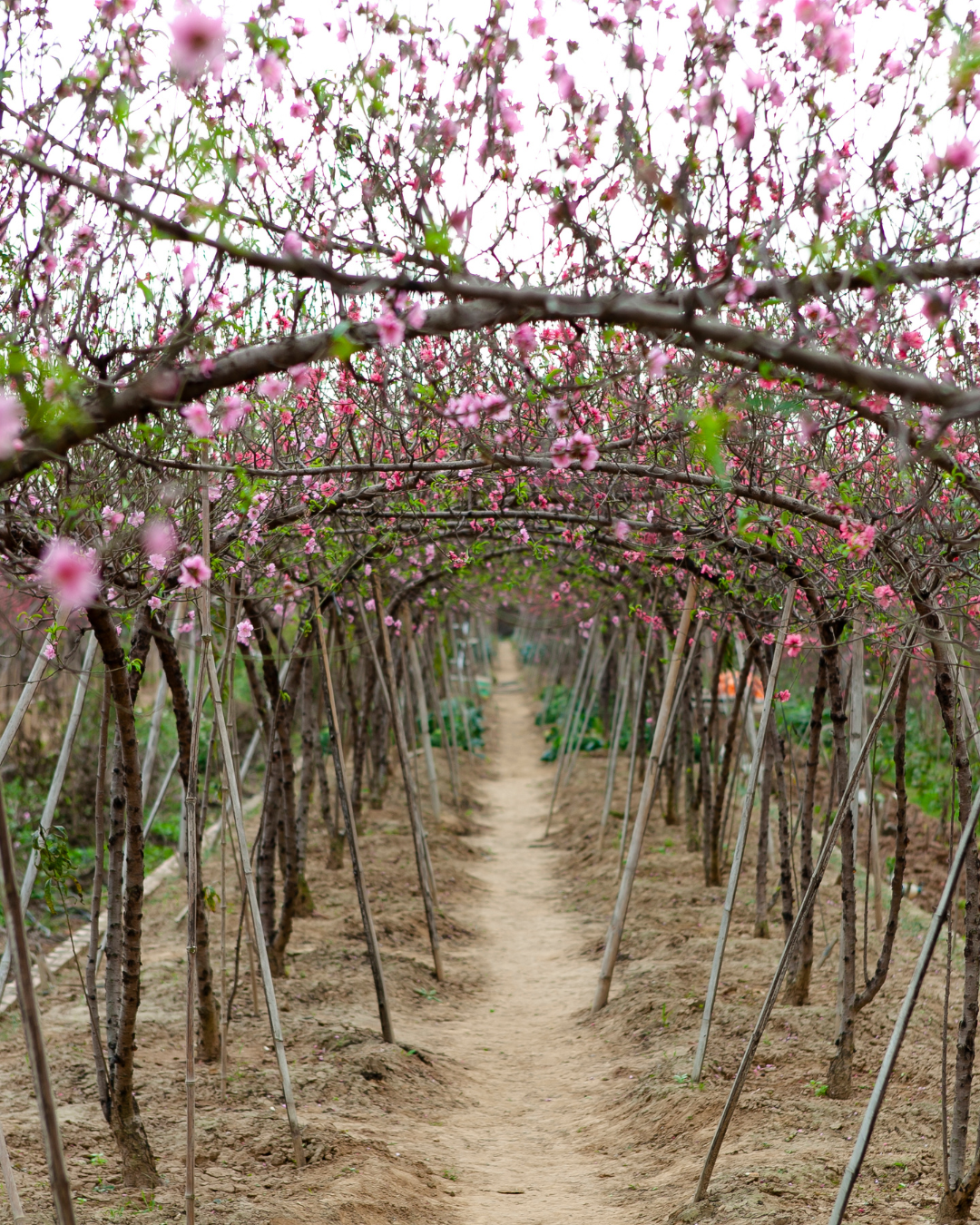
Bloom signals more than color in the field. It marks the transition into one of the most critical irrigation periods of the year. As crops move from dormancy into active growth, water demand begins to shift quickly. Root systems wake up. Canopies expand. Evapotranspiration increases. What worked during winter or early pre-season conditions will not carry you through bloom and fruit set. This is the moment to recalibrate. Start with a System Check Before peak demand hits, take time to evaluate your irrigation infrastructure: Inspect valves, filters, and pressure regulators Confirm flow meter accuracy Review pump performance under load Test soil moisture sensors and telemetry connectivity Verify that automation schedules match current crop stage Small inconsistencies in early season can become major inefficiencies during full production. Match Irrigation to Crop Physiology During bloom, consistency matters. Over-irrigation can reduce oxygen in the root zone and impact nutrient uptak
00

Maintaining wine balance in a changing climate Climate change is reshaping the wine industry. In many wine regions, each year seems to set new records for the hottest or driest growing season, followed by the earliest harvest dates yet. Such accelerated ripening is disrupting grape physiology; phenolic and aromatic development fall out of sync, sugar levels soar, and acidity drops away (1). So how can we adapt and build a more resilient wine sector? The answer to this question is multifaceted. In the vineyards, grape growers are rethinking their management practices, adjusting canopy architecture, introducing shading or optimising irrigation (1,2). Some are reaching for higher altitudes or moving further from the equator in search of cooler conditions (1). Others are trialling alternative heat- and drought-tolerant varieties, from long-forgotten cultivars to newly bred plant material. In the cellars, winemakers may turn to pragmatic solutions such as dilution or blending strategi
00
Harvest has wrapped. It's raining. And the only thing on your calendar is that pesky meeting to finalize your budget for next year. Here are some things Advanced Viticulture can help you out with: Soil moisture probes: see how deeply irrigations percolate and how quickly water gets depleted. Florapulse plant stress sensors: track water stress and maximize wine quality, sans pressure bomb. Weather stations: don't just talk about your terroir, quantify it Frost monitoring: monitor temperatures and set alerts for dangerous frost events. Valve automation: stop sending someone to that far-flung vineyard just to turn a valve. Flow/pressure monitoring: Keep track of your irrigation efficiency and see just how much water you're actually using. Tank/reservoir/well depth monitoring: how much water are you working with? Know what's available to you whenever and wherever. Did your fruit get rejected this year? How about leveling up your game with Advanced
10
October 21, 2025
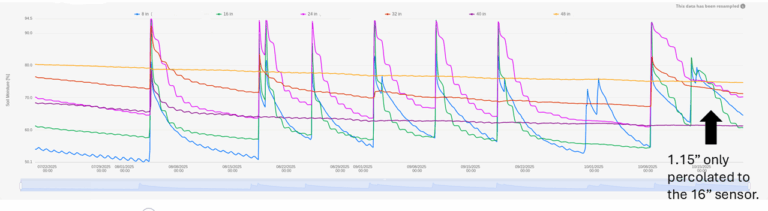
Hear me out Up and down the California Coast, we got some rain last week. Up North, places got around 1.3” with up to 2” closer to the ocean. Down south in Paso Robles, we’re looking similar numbers of between 1.5” and 2”. So, one would naturally think that if we were irrigating post-harvest (as we highly recommend), we can stop now. As you may have suspected by the title of this article, that may or may not be the case. Profile Picture Here at AV, we love looking at soil moisture charts. However, in the case of rainfall, it can be misleading. Looking at the graph below, you can see that irrigations produce a clear spike indicating how deeply water percolated and how long it took to be completely depleted by plant roots. Rain doesn’t deliver the same concentrated volume you’re used to getting with a drip emitter. Therefore it doesn’t infiltrate the soil in the same way. You may see shallower percolation from the inch plus of rain we got
00
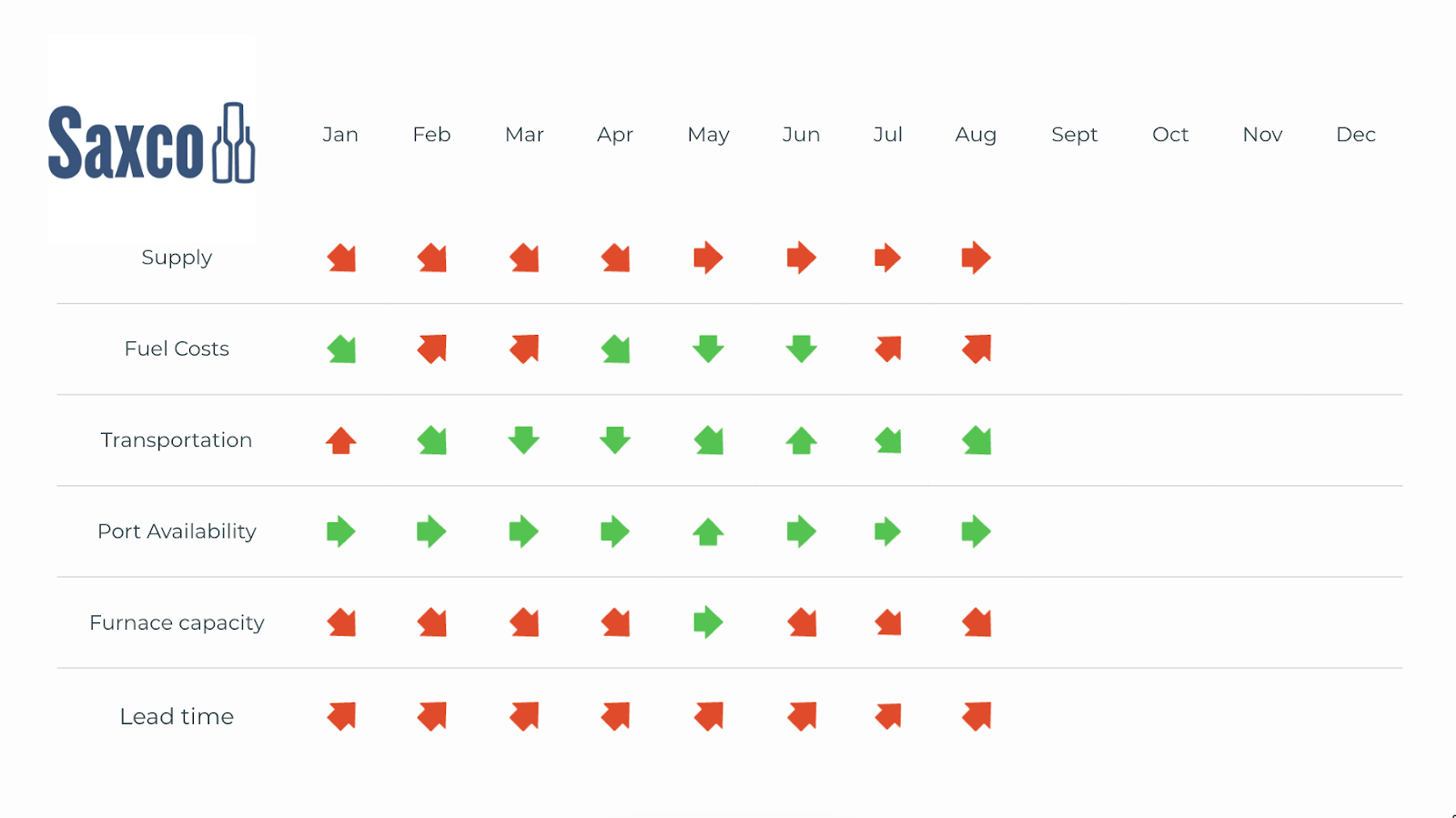
July's supply chain landscape feels deceptively calm, but the undercurrents are shifting. Fuel costs ticked upward again – $3.599 to $3.779 per gallon – putting quiet pressure on logistics, even as transportation costs eased with the surprising disappearance of peak season surcharges. That dip is a welcome but likely temporary reprieve. On the production side, capacity continues to tighten: OI’s Portland plant has officially closed, and two additional furnaces are scheduled to go offline, which continues to raise concerns about domestic supply heading into the back half of the year. Lead times have not budged from June’s elevated levels, but with fewer furnaces online, we are likely to see that stress compound by fall. Ports remain neutral, and overall supply feels steady – but for now, it is a still surface over increasingly strained infrastructure. Tariff watch: The rules are changing The new US tariff rates announced on July 31 mark a signifi
00
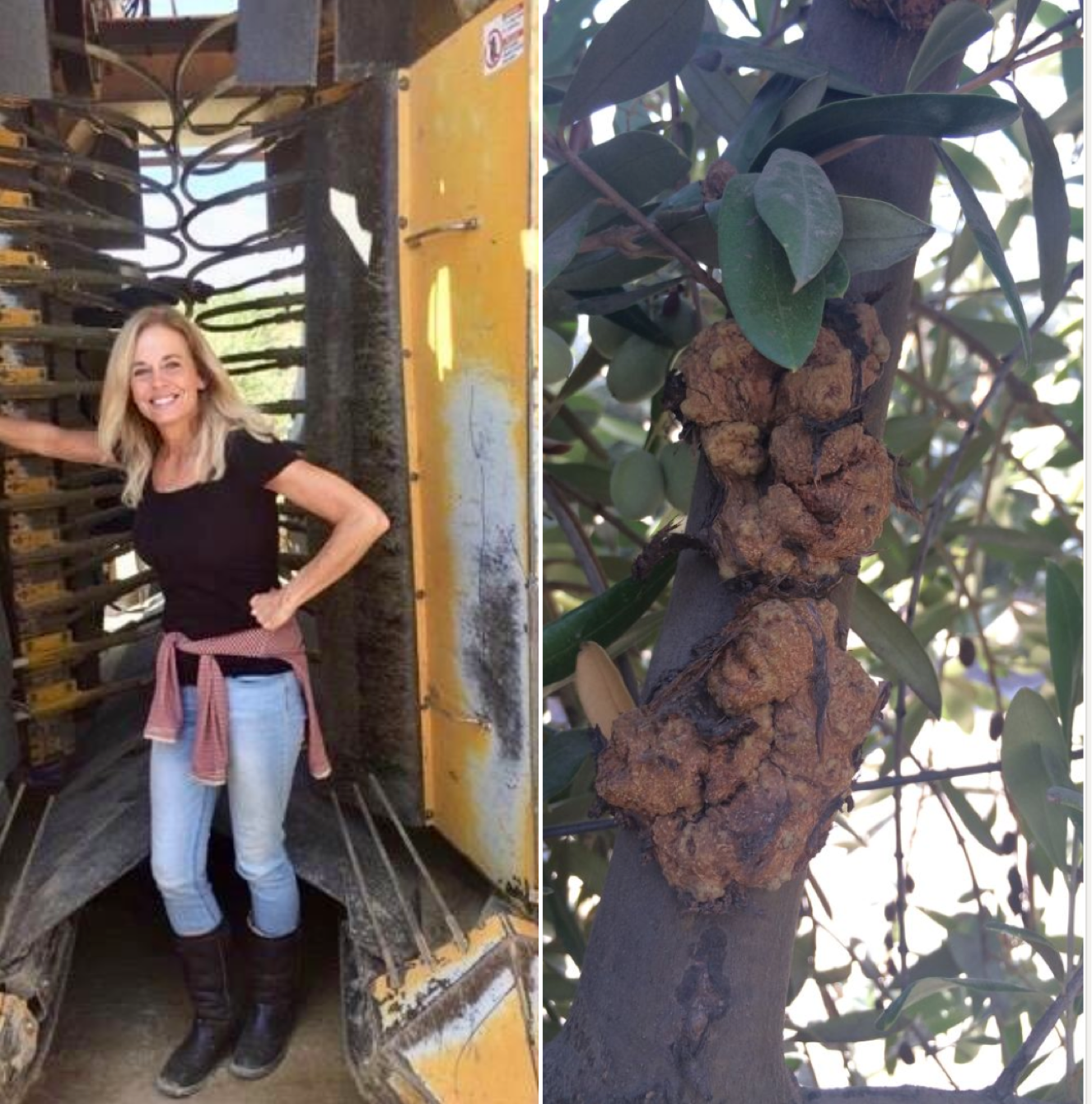
Don't forget to seal your plants and trees with Moisture-Loc and your favorite water-soluble pH-neutral fungicide post-harvest. An ounce of prevention could save you thousands of dollars in crop damage loss. Moisture-Loc seals wounds and protects your crops from winter desiccation, frost damage, and other environmental stressors! https://conserveawater.com/moisture-loc/
00