
Filter Post Type
NewsVideoProductEventLink
Sort:
Most Recent
1–8 of 8

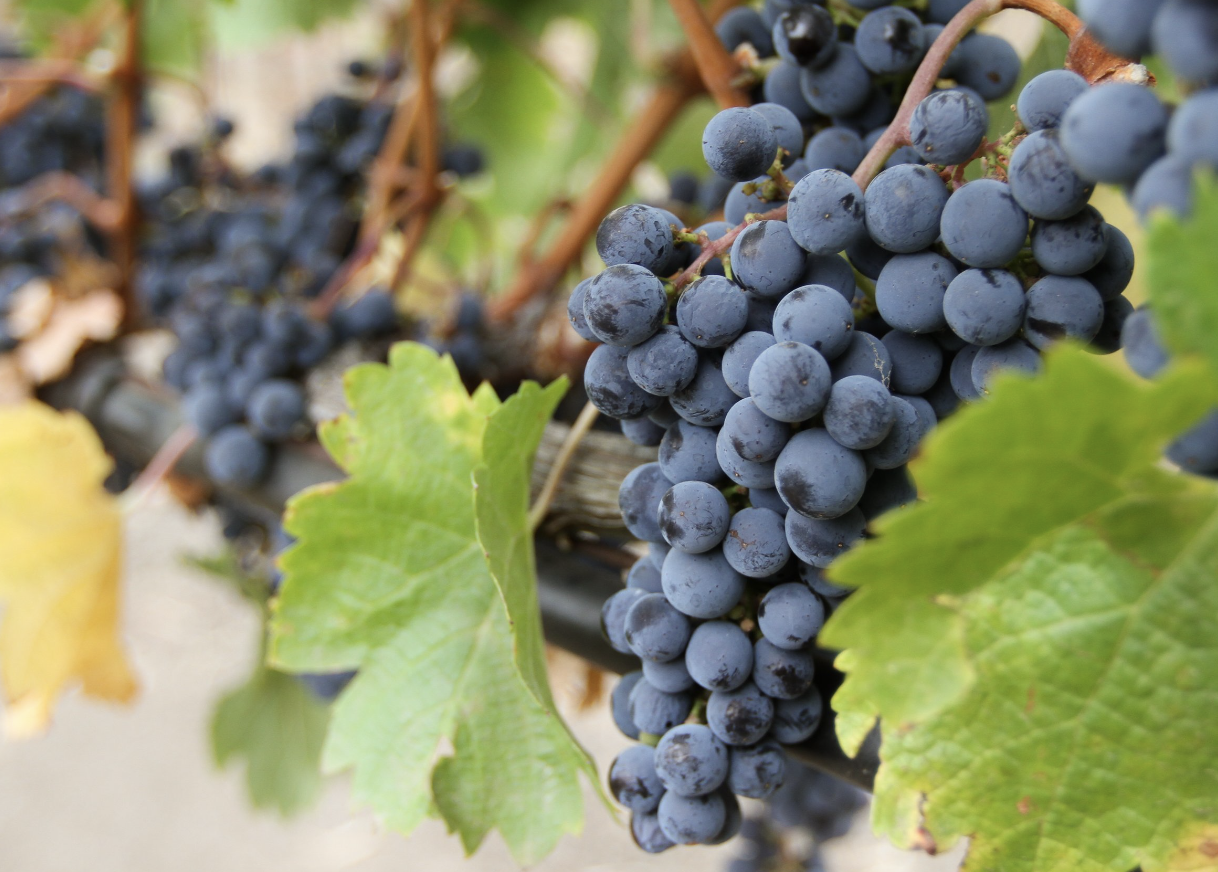
A measurement of phenolic content of grapes describes grape potential. It characterizes grape maturation, block to block variation, and variation between vintages. It is an important part of describing raw material coming into a winery and is often the first indication that a wine lot may have poor color, high or low tannin or unripe seeds. Grape Water Content Clients have best results sampling directly from the vineyard rather than from picking bins. Sampling mechanically harvested fruit from gondolas or sampling direct from a fermenter does not give reliable results. The panel consists of a wine-like extract of the grapes followed by HPLC analysis. The panel is designed for red grapes and the extraction process is intended to mimic red wine fermentation. Reported compounds include total, monomeric and polymeric anthocyanins, tannin, catechin and quercetin glycosides. Two ratios are also reported: the catechin/tannin ratio and polymeric anthocyanins/tannin ratio. Gr
10

March 28, 2025
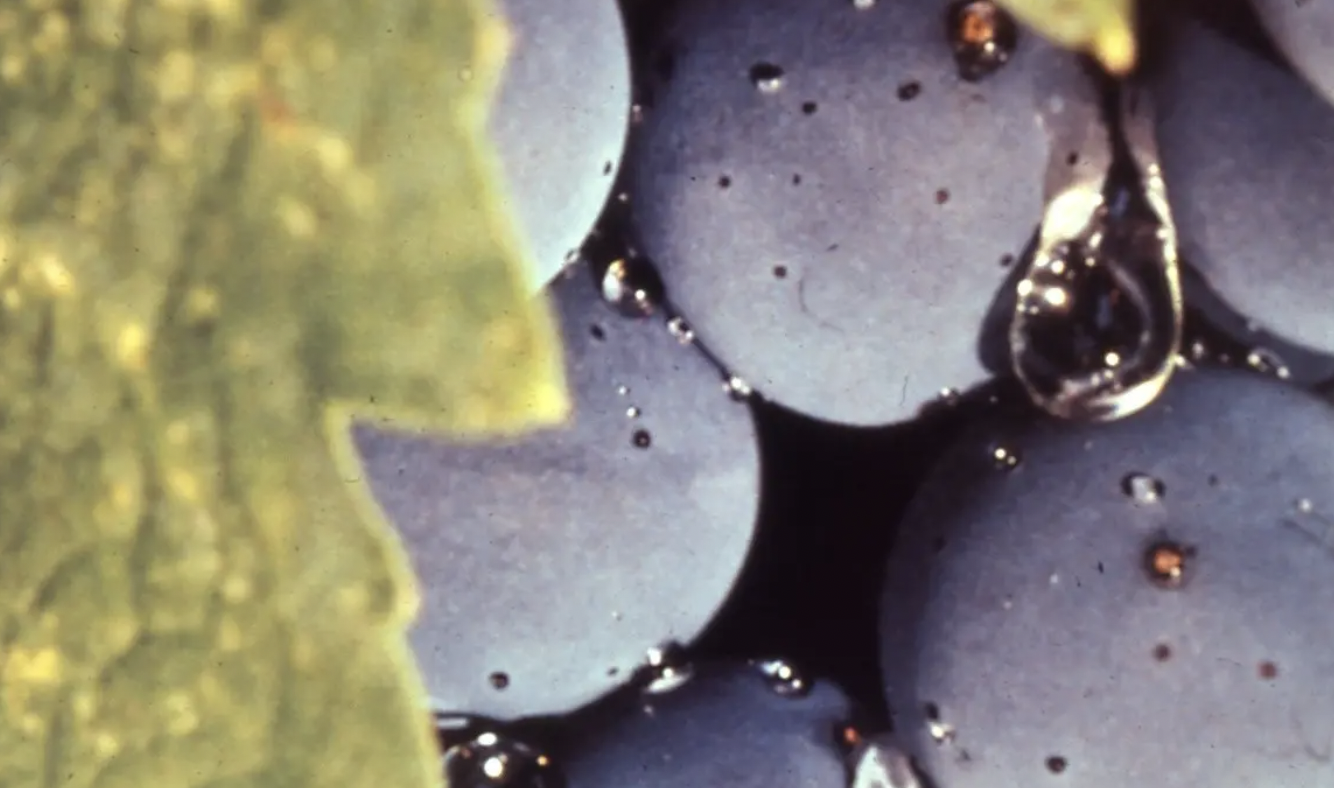
Elevate Your Vineyard's Appeal to Grape Buyers with In-Season Berry Phenolic Testing CVC Ag is excited to offer weekly berry phenolic tracking. Our precision sampling and analysis services help you monitor key wine quality markers—essential for color, tannin structure, mouthfeel, and aging potential. Why Phenolic Tracking Matters Data-Driven Harvest Decisions – Go beyond Brix and acidity to pick at peak phenolic maturity. Consistency & Quality Control – Achieve uniform phenolic expression year after year. Maximize Grape Value – Deliver fruit with premium quality metrics that buyers demand. CVC's Phenolic Analysis Services Total Anthocyanins – Monitor seasonal color evolution to ensure optimal grape maturity and wine quality. Catechins (Tannins) – Measure seed-derived tannins known for their impact on bitterness, astringency, and aging potential. Total Polyphenols – Track polyphenol development, key cont
00
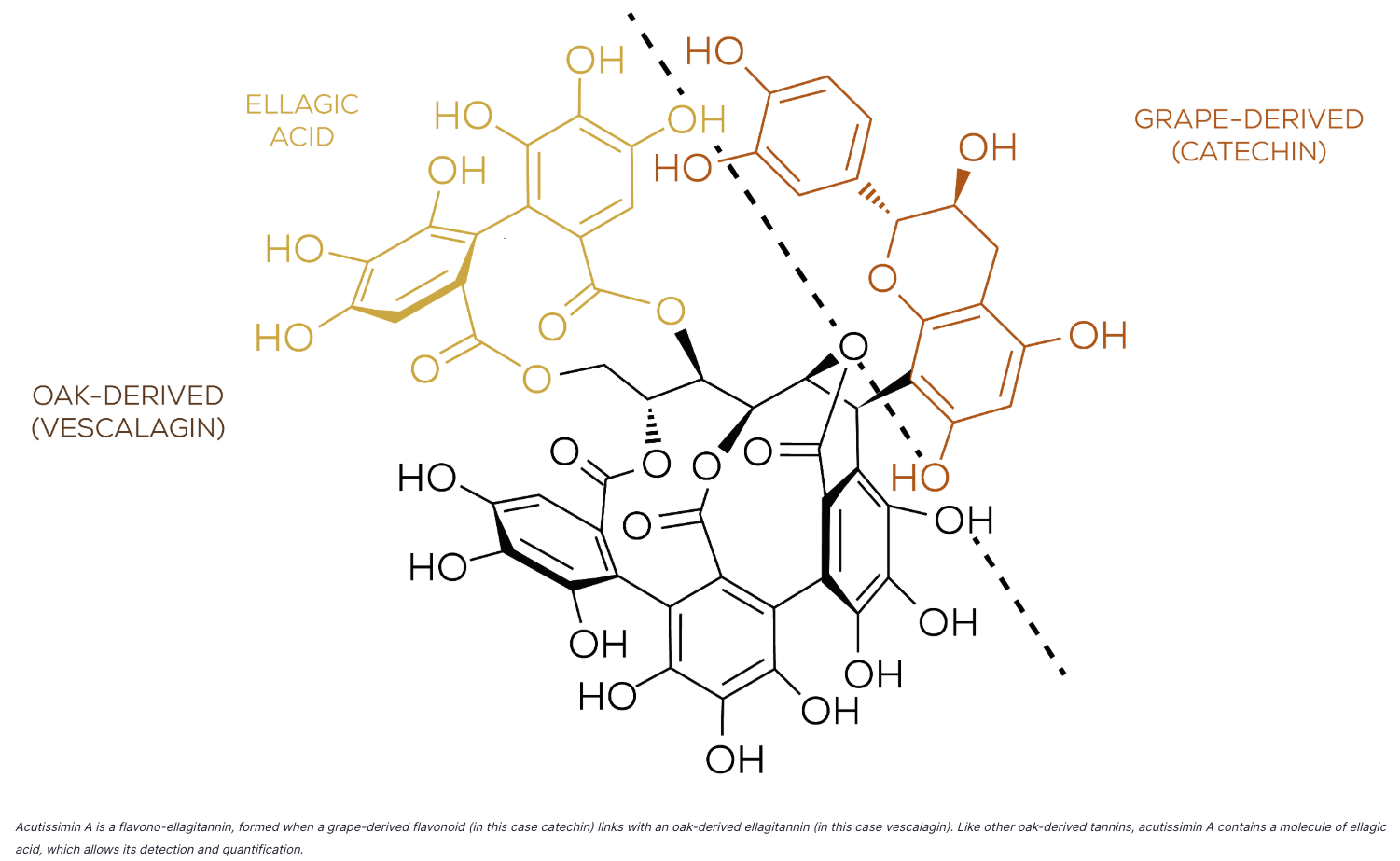
It is widely accepted that oak tannins can have a very significant influence on the tannic structure of wines. Besides their influence on mouthfeel, oak tannins are also antioxidants, and are viewed with renewed interest for their protective effect against wine oxidation. This hasn’t always been the case. Measuring tannins contributed by oak barrels (or barrel alternatives) is a challenging task. Analysis methods have consistently failed to adequately measure these compounds in wines, preventing both researchers and winemakers from fully understanding and assessing their impact. Why Do Oak Tannins Seem to Disappear in Wine? Oak tannins are ellagitannins, relatively complex molecules containing ellagic acid as a main building block. Ellagitannins belong to a class of tannins known as hydrolysable, due to the fact that they easily degrade in acidic aqueous solutions, like wine. Degradation by oxidation is also a cause of their decline in wine. For a long time, it could be ar
00


Would you like to save time and resources while running FSO2 (Free Sulfur Dioxide) checks on your wines in the cellar? Post-harvest, individual barrels, barrel lots and tanks require tracking of free sulfite, total sulfite, and acetic acid, in addition to glucose/fructose, organic acids and polyphenolics. BioSystems Free sulfite analysis kit is a fast, reliable and robust system that allows you to perform concurrent multiparametric analysis on our automated analyzers. So not only can you monitor free sulfite, but you can perform comprehensive, simultaneous QC with automation from less than a single 2 mL sample cup. All the user needs to do is load the sample, select the desired analytes, press run, and then continue onto other tasks while the instrument works unmonitored! Biosystems Free sulfite analysis kits were validated by partnering with wineries and reference laboratories around the world. This method has shown excellent perfor
00

Would you like to save time and resources while running monthly sulfur checks on your aging wines in the cellar? All those individual barrels, barrel lots and tanks to track free sulfite, total sulfite, and acetic acid in addition maybe glucose/fructose, organic acids and polyphenolics as well. Biosystems free sulfite analysis kit is a fast, reliable and robust system that allows you to perform concurrent multiparametric analysis on our automated analyzers. So not only can you monitor free sulfite, but you can perform comprehensive, simultaneous QC with automation off a less than a single 3 mL sample cup. All the user needs to do is load the sample, select the desired analytes, press run, and then continue onto other tasks while the instrument works for you, easy! Free sulfite was validated partnering with US wineries and reference laboratories around the world, the method has shown excellent performance compared with Aeration-Oxidation (A/O). We offer 30 plus
00
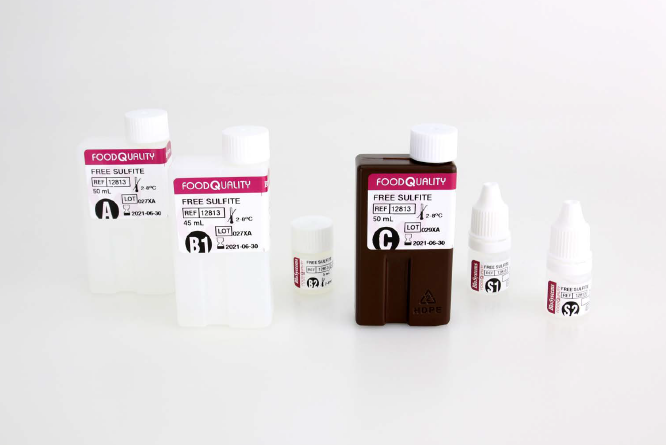
Would you like to save time and resources while running monthly sulfur checks on your aging wines in the cellar? Biosystems free sulfite analysis kit is a fast (less than 3 minutes), reliable and robust system that allows you to perform multiparametric analysis in different samples types for our automated analyzers. Validated partnering with wineries and reference laboratories around the world, the method has shown excellent performance compared with Aeration-Oxidation (A/O) and was also presented at OIV 2022 Conference in Mexico to the congress. Bi-reagent differential method takes into account interferences coming from the sample color and other antioxidants. In addition we offer 30 plus enzymatic and colorimetric kits for organic acids, sugars, sulfites, phenolics and more! US stock of reagents and consumables, US application support and a growing US technical service team. We’d love to hear what you need to ensure your wine quality in the most efficient and
00

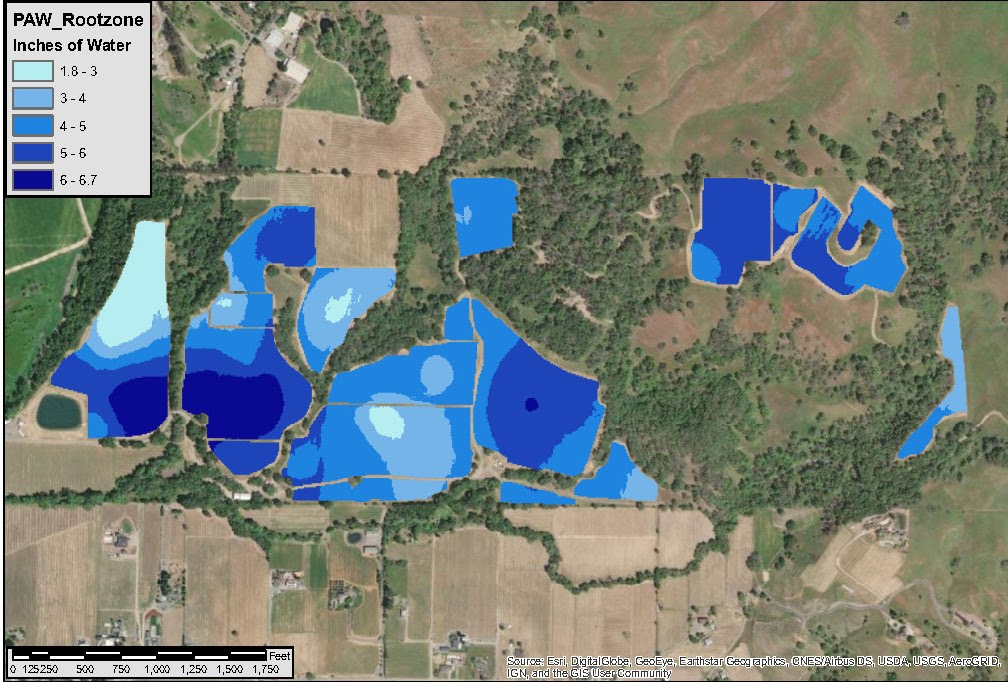
This week is supposed to be hot. Really hot. Any temperature over 105 degrees will cause damage and usually the surface of exposed fruit is 10-15 degrees F hotter than ambient temperature. We’re probably going to see some of that this week. A loose canopy protects fruit better than a tight VSP. For those growers that got roasted in June of 2021, it’s déjà vu all over again. The earlier in the season that heat damage hits, the worse it is. There’s the obvious fried fruit, but last year we saw damage to vascular tissue in the rachis as well as possible enzyme degradation that affected ripening for the rest of the season. The typical response we see from growers is to lay on the irrigation. That’s fine…but it probably isn’t going to help you that much. Having ample water in the soil will allow the canopy to transpire better and cool itself down, but it will do little to save this year’s crop. Berries just don't transpire mu
00

July 23, 2021
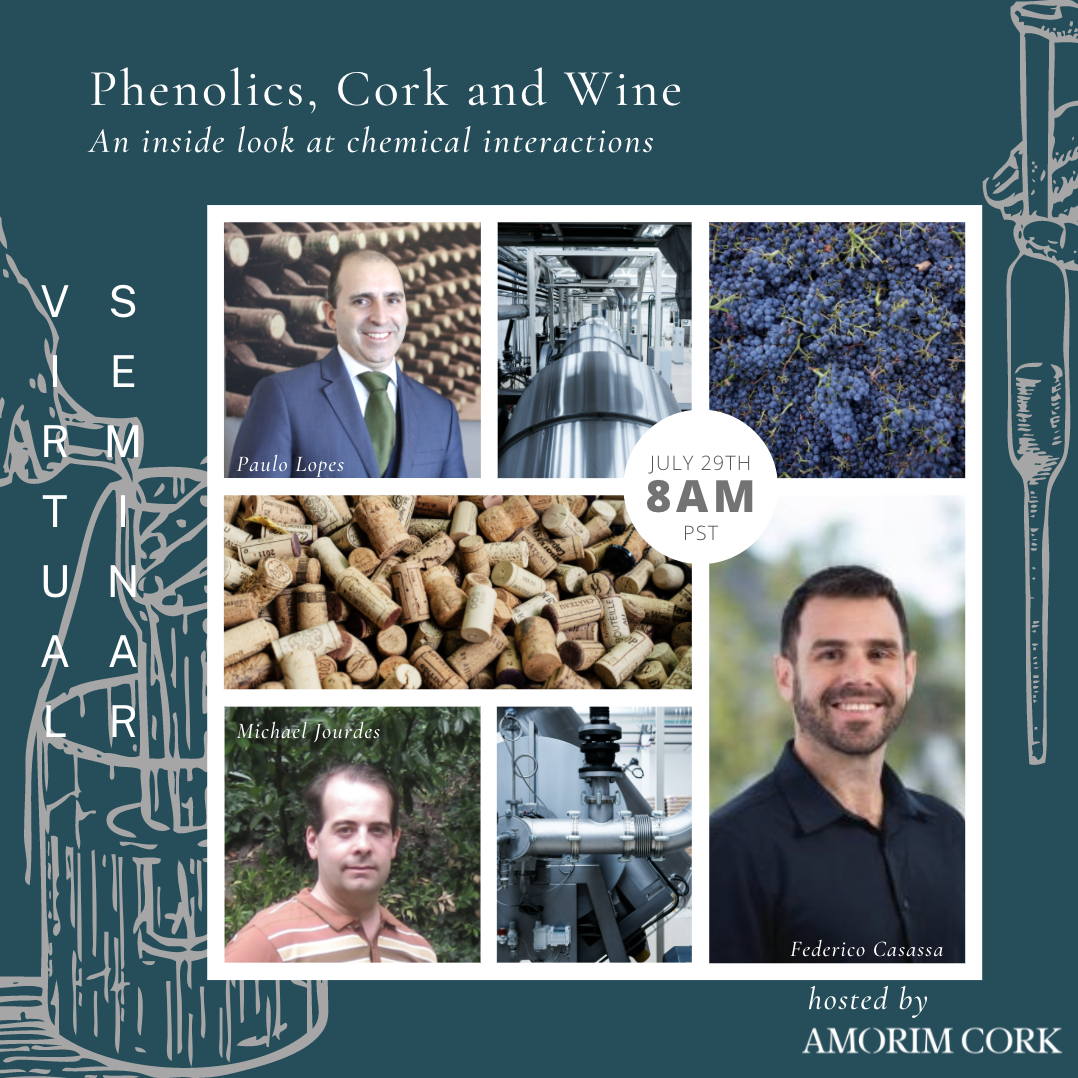
Join us for a closer look at how phenolics contribute to wine development and the role of closures in the process. Innovation, research, and quality control are Amorim's top priorities. The strong commitment to R&D, allied with major investment in innovation, has contributed and broadened knowledge about cork, wine, and the interaction between the two. This panel discussion will evaluate how phenolics and closures play an integral role in sensory analysis and taste development of wines as they age ... a fascinating exploration of chemistry in the bottle. Featured speakers: • Federico Casassa, Ph. D., Food Science, Wine Chemistry and Sensory Analysis, Cal Poly • Michael Jourdes, Ph. D., Organic Chemistry and Wine Chemistry, University of Bordeaux • Paulo Lopes, Ph. D., Director of Research and Development, Amorim Cork The details: • Date: July 29, 2021 • Time: 8:00 a.m. (Pacific Time) • Watch the recording here.
00