
Filter Post Type
NewsVideoProductEventLink
Sort:
Most Recent
1–10 of 22

October 31, 2025
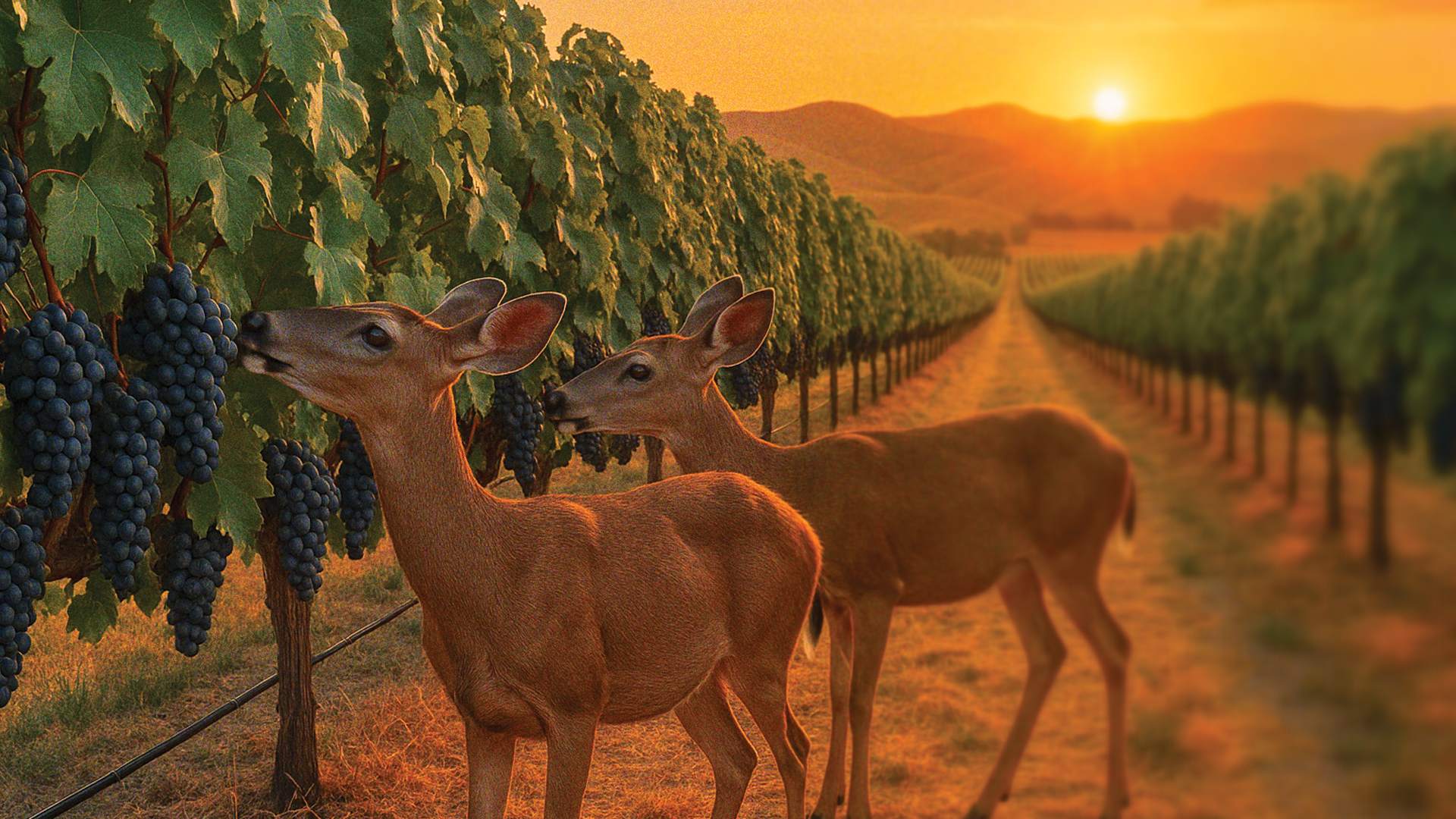
Wildlife Challenges Don’t End at the Vineyard Edge When vineyard managers think about wildlife threats, the focus is almost always on protecting grapes from browsing deer, hungry birds, or burrowing rabbits. But the reality is, animals can—and often do—cause problems well beyond the vines themselves. From chewing cables to nesting in outbuildings, wildlife can interfere with harvest operations, damage valuable equipment, and even create food safety concerns in processing areas. As harvest season approaches and activity around the winery ramps up, the potential for these issues often increases. “A lot of managers focus on exclusion fencing for the vineyard blocks, which is critical—but the work doesn’t stop there,” says George Horetsky, senior sales representative for Trident Fence. “If wildlife can access your equipment yard, storage areas, or crush pad, you’ve still got vulnerabilities that can cost time and money.” The Hidd
00

Whether you’re hosting guests in your tasting room, coordinating vineyard events, or welcoming visitors to your wine country retreat, first impressions matter—and pests can ruin them instantly. Wineries often double as hospitality venues, and that unique combination brings both beauty and challenges. High foot traffic, food and beverage service, and open-air spaces create ideal conditions for pests to thrive. At Clark Pest Control, we understand the specific pest pressures wineries face. Since 1950, we've partnered with hospitality-driven businesses to ensure their guests stay delighted—and pests stay out. Common Pest Challenges in Winery Hospitality Spaces: Flies and gnats in tasting rooms and outdoor patios Rodents nesting in storage areas or near food service zones Ants and crawling insects drawn to wine production waste or sugary spills Wasps around event areas and patios during warmer months Mosquitos around the winery property during the warmer, more hi
00

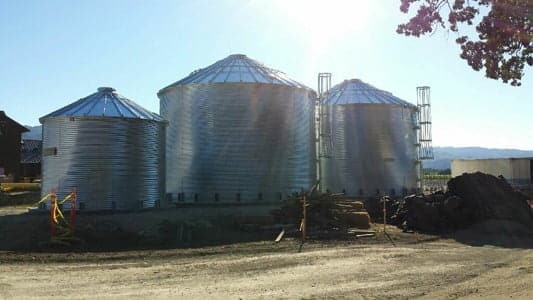
National Storage Tank began in the Napa Valley, Our roots are in wine, and they are deep, we served the needs of the Wine Industry in Napa & Sonoma Counties for years before we began to branch out into other industries. Behind all the prestige and panache involved in the Wine Industry, there are two things we always keep in mind; Agriculture and Manufacturing. We never forget neither the farmers nor the vintners, and from field to press and have been facilitating both for a long time. Water Storage Tanks Irrigation is essential, water on demand for crops, and frost prevention. Our tanks come in a wide variety of gallon capacities from 5,000 to 5 million and can be fitted with outlets of any size for maximum water draw, anti-vortex systems are second nature to us as well. Your crop needs a consistent and reliable water source because grapes grow and the weather changes often so vineyards have to be ready at a moment’s notice. Our Corrugated Bolted Steel Tanks have
00
Multiple cockroach species can be found commercial properties, particularly restaurants, food service outlets in malls, airports and entertainment venues, and food processing plants. The most common species found in commercial properties is the German or American cockroach, but the Turkestan cockroach is making its presence known more around commercial properties. While both German and Turkestan cockroaches are pests capable of causing problems for commercial property owners and managers, their differences in size, appearance, habitat preferences and behavior, make them distinct species with unique characteristics. SIZE AND APPEARANCE German cockroaches are smaller in size, typically ranging from 1/2 to 5/8 inch in length. They are light brown to tan in color, with two dark stripes running lengthwise behind their head. Turkestan cockroaches are larger, with adults reaching up to 1 inch in length. They are darker in color compared to German cockroaches, ranging from brown to black, and
00
March 27, 2024
Risk assessments and trend analysis in pest control provide valuable insights into potential threats and patterns related to pest infestations. They tell the story of what is going on inside your commercial property when it comes to pest activity. Risk assessments help identify the likelihood of pest problems occurring in a particular area of a commercial property. Factors such as climate, surrounding area, and the presence of conducive conditions (i.e., sanitation protocols, structural conditions, employee actions, etc.) for pests are evaluated to determine the level of risk. This information allows for proactive measures to be taken to prevent or mitigate pest issues before they escalate. Trend analysis, on the other hand, involves examining historical data to identify patterns and recurring pest problems. This helps in understanding the seasonal variations, population cycles, and other trends related to pest activity. By recognizing these patterns, pest control professionals can dev
00

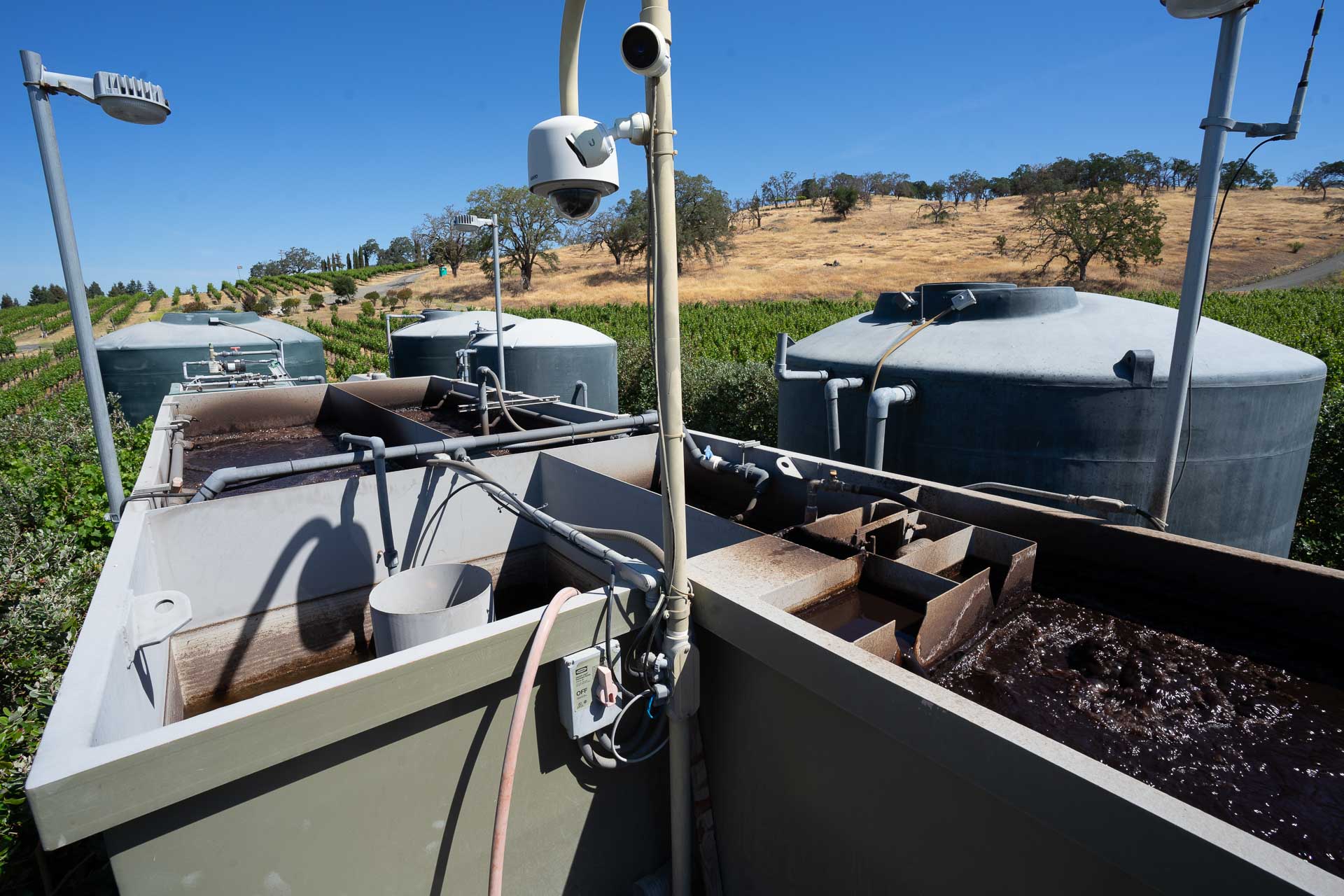
All wineries produce wastewater, and efficient wineries find ways to effectively reuse that wastewater after it has been treated. Especially important during times of drought, reusing wastewater reduces a winery’s water footprint and saves money, both in water supply costs and disposal fees. Here are a few ideas on how to use the treated wastewater around a winery. 1. IRRIGATION Properly treated wastewater can be used throughout a winery for irrigation of the vines. This is especially important during the driest parts of the growing season. Routine monitoring of a treatment system means that the water characteristics will be within local regulations for wastewater and, therefore, is safe to irrigate the vines while not damaging the soil. 2. LANDSCAPING AND NATURAL HABITAT Reuse winery wastewater in the landscaping around the property; welcome guests with a beautiful display of flora without worrying about the cost of keeping it watered. Or the water can be use
00
Stored product pests are one of the most economically important pests for the food processing and storage facilities – including grain silos, bakeries, breweries, and retail food stores – which store or use large amounts of unprocessed and cereal-based grain products. Confused flour beetles, Indianmeal moths, sawtoothed grain beetles, weevils, and other stored product pests can infest and spoil grain, flour, rice, and finished goods, rendering these products inedible. This causes downtime in production, damages the brand name, and creates numerous headaches –in time, operational disruptions, and financial resources – for the facility’s management. Also, if a third-party auditor notices the presence or conditions conducive for stored product pests, it can result in a facility receiving a reduced score or even a failure of their audit. THE CASE FOR STORED PRODUCT PEST MANAGEMENT As mentioned above, the economic impact that stored product pests have, if left
00
Stored product pests are one of the most economically important pests for the food processing facilities – grain silos, bakeries, breweries, retail food stores, and others – which store or use large amounts of unprocessed and cereal-based grain products. A stored product pest infestation can render products inedible. It can result in downtime in production, damaging the brand name and creating negative consumer feedback. An infestation can also raise red flags with third-party auditors and inspectors, causing a facility to receive a reduced score or even a failed audit. Integrated pest management (IPM) programs for the food industry traditionally include four components. Three of those components are management — pest prevention, avoidance, and suppression. The fourth component is monitoring. And when faced with the threat of a stored product pest infestation, monitoring is done with pheromone traps. WHY MONITOR FOR STORED PRODUCT PESTS? Monitoring facilities for s
00

WineAmerica participates in a number of coalitions that focus on a few different issues. One of the most important coalitions we belong to is the Specialty Crop Farm Bill Alliance. A large part of our advocacy on the Farm Bill is in conjunction with the Alliance. We participate in meetings organized by the Alliance as a compliment to the meetings we hold on our own. The Specialty Crop Farm Bill Alliance is a national coalition of more than 200 organizations representing growers of fruits, vegetables, dried fruit, tree nuts, nursery plants and other products. The Alliance was established to enhance the competitiveness of specialty crop agriculture and improve the health of Americans by broadening the scope of U.S. agricultural public policy. F In 2008, the Alliance successfully advocated for a Farm Bill that for the first time made a strong investment in specialty crops. The bill included provisions that would help the U.S. specialty crop industry compete and grow in domestic and g
00
Winter’s cooler and wetter weather typically reduces overall pest activity. Still, rodents continue their trend of being ever-present in and around commercial facilities all year long. Rodent pressure remains intense in major urban areas across California, including San Francisco, Los Angeles, Sacramento, and Long Beach. What do commercial property owners and managers need to do to protect their facilities from rodent incursions this winter? The short answer: Be proactive. Rodents, especially rats, are a product of their environment. Control measures, including traps and baits, are designed to act on the rodents. But if you don’t proactively change the environment or conditions in a facility, they will always find a way to survive. Inconsistent sanitation practices, especially unsecured or overflowing dumpsters on the exterior of commercial facilities, can be a driving force behind robust rodent populations. Three out of four commercial outlets in a strip mall or on a city
00