
Filter Post Type
NewsVideoProductEventLink
Sort:
Most Recent
1–10 of 10

November 25, 2024

The fog along the California coast is alive — it flows from the Pacific Ocean up through passes in the protective coastal ranges and into the valleys like a tide. It rises into the hills and breathes before slowly receding to the valley floors and retreating through the mountains, across the sands and into the ocean waters. Toward the north, these fogs nurture the redwoods, and all along the coast, they provide relief from hot daytime temperatures for many wine country vineyards. The Niner Estate vineyards are near Paso Robles, about 20 miles from the Pacific Ocean. They are protected from the cold maritime winds by the Santa Lucia mountain range that parallels the coastline. One of the valleys the fog creeps through is the nearby Templeton Gap. For over a decade, Niner Wine Estates’ winemaker Patrick Muran has been crafting the Fog Catcher Bordeaux blend that he says is “named after the cool banks of fog we often see drifting over our vineyards on early mornings in
00

The wine industry continues to reflect the geo-political uncertainty of the world. While Cabernet has been testing the mettle of growers and winemakers, with a heat spike to make things even more challenging, the themes of logistical efficiency, manufacturing constraint and growing demand also continue to the forefront. Freight costs from Asia to the US have shown some relief, with a 4% decrease for the West Coast and a 3% dip for the East Coast, which could slightly reduce import expenses. Canadian rail operations remain stable for now, but potential disruptions loom as labor negotiations continue. Similarly, there is potential for a West Coast port strike. The US barely avoided a prolonged East Coast port strike commencing October 1st, 2024; the strike was suspended on October 3rd. If it had proceeded for longer, it would have created significant bottlenecks in supply chains, affecting shipments between Maine and Texas. Trade and Duty Updates In a major development, the US Interna
00


Afternoon Brief: How TikTok Could Transform the Wine Industry
Within hours of TikTok announcing that it would allow alcohol advertising in North America, alcohol companies began running recruitment ads for TikTok specialists. Whats surprising is how few wine companies joined in...
The Wine Marketing CouncilWomen for WineSenseDavis EstatesDr. Liz ThachCalifornia Grape Rootstock CommissionCaymus VineyardsDry Fly Distilling Inc.Patrick DonovanHands Across The ValleyNapa Farm BureauMendocino WinegrowersMendocino County Fair Wine CompetitionWillamette Valley VineyardsParallel Wine BarCome Over OctoberLytton Springs VineyardEnolyticsQuintessentialRobert Pepi Jr.Dr. Konstantin FrankArrow&BranchSriti Misra FusilloAlex GambalWineFiAaran DanielWine HooligansBevZeroAndavi SolutionsGuala Closures North AmericaTexas Hills VineyardsLove Cork ScrewHead Over HeelsLangeTwins Family Winery and VineyardsResurrection BrandsViña Concha y ToroLaylo
00


As consumers, our media consumption habits have evolved dramatically over the years. Some of us remember when we used to have to get up as kids and walk across the room to change the TV channel! That primitive exercise was soon made redundant when someone on the block got the first VCR – WITH A REMOTE CONTROL, and we began trading tapes back and forth. Friday nights then transformed into trips to Blockbuster, where we’d pick out the latest releases. This evolved into getting DVDs in the mail, and today, we can stream whatever content we want, whenever we want it. This evolution reflects our growing desire for convenience, customization, and immediate access. However, while our media consumption has drastically evolved, wine clubs have largely stayed the same as they were 20, 30, or even 40 years ago. Traditionally, wine clubs offer a predetermined number of wines a few times a year, along with complimentary tastings at the winery. This model has served us well, catering to
00


CLUBS VS SUBS LET’S DISCUSS IF IT IS TIME TO MOVE YOUR WINE CLUB TO A SUBSCRIPTION. Unless you’ve lived in your cellar for the past five years, you’ve noticed we live in a subscription economy. We have subscriptions for food, clothing, pets, razors, socks, movies, sports, makeup, and almost anything. You name it, and there is a box that can be delivered with options on your schedule. How sustainable is this trend? Will we forever be ordering small packages in bright boxes with sample sizes, or is this just a fad? And is the decrease in wine clubs part of it? WHAT IS A WINE CLUB? Let’s start by defining a wine club. This recurring sales model provides wineries with a direct channel to reach high-value consumers and bypass traditional distribution channels. They are structured to offer repeat customers a winery-curated selection of wines at a small discount delivered to their homes monthly or quarterly. Key prospects for club membership are customers who have pu
00

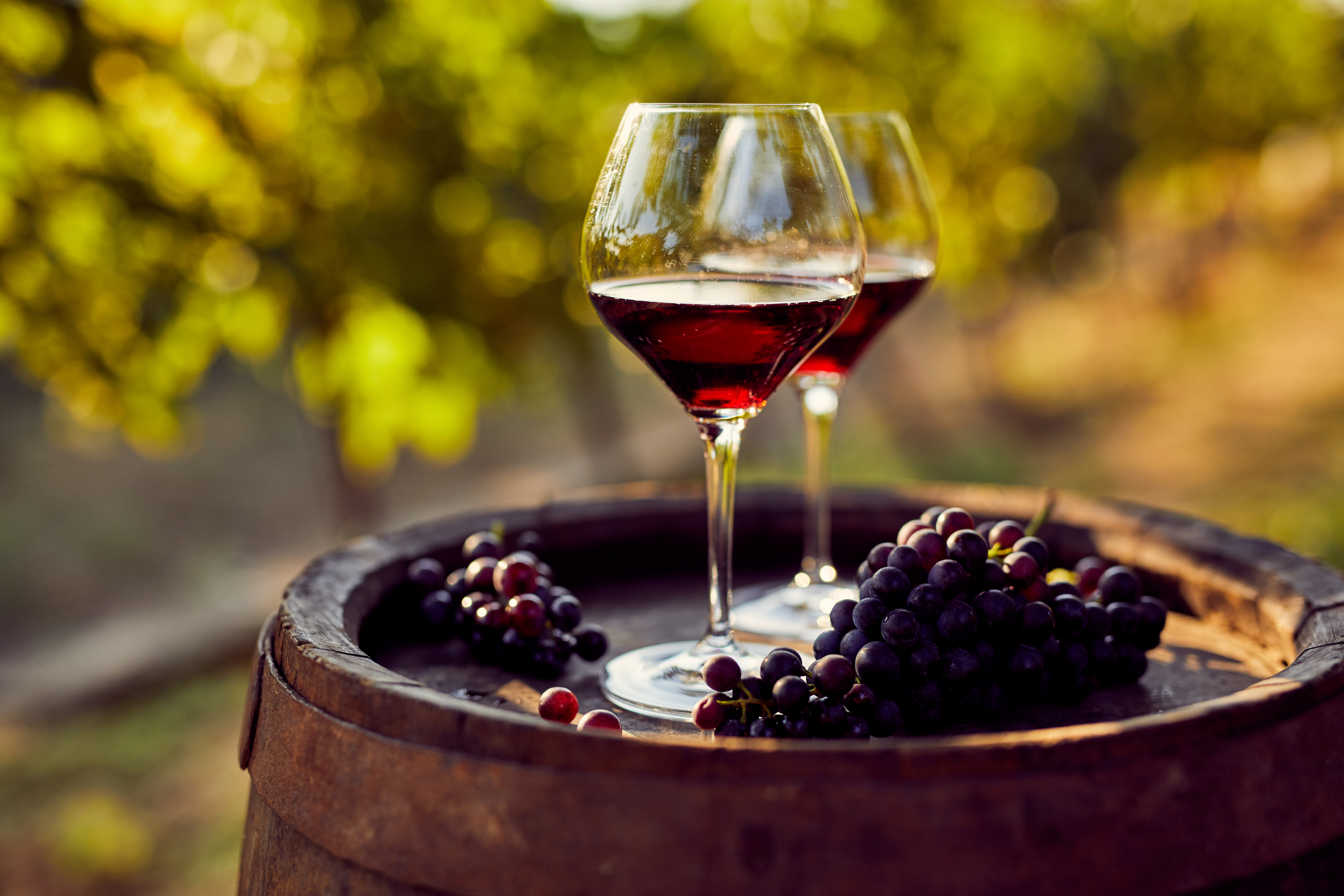
By Nathan Wisniewski How would you define varietal / fermentative aromas? Varietal aromas, sometimes called primary aromas, come from aromatic compounds present in the grapes. These aromas are generally typical of specific grape varieties (thiols in Sauvignon Blanc, Colombard, Petit & Gros Manseng, terpenes in Muscat and Gewürztraminer..). On the other hand, fermentative aromas – also known as secondary aromas – are mainly produced by yeasts during the alcoholic fermentation and can be found in all types of wines. The most common fermentative aromas are esters – like isoamyl acetate responsible for banana flavor – and higher alcohols like 2-phenylethanol characterized by rose notes. What is the influence of yeast on the aromatic profile of the wine? On the aromatic profile of the wine, yeasts have a tremendous impact on the wine aromatic expression: in addition to their direct effect on fermentative aromas, they indirectly take part to the expression of
00

FIVE SURPRISING MARKETING STRATEGIES TO INCREASE SALES BY DAN PENDERGAST It is a natural reaction – when you need cash, the gut reaction is to turn to marketing and demand more. More emails, more social media posts, more ads, and more offers. But the volume of marketing does not have an equal or parallel relationship to results. If you send twice as many emails, you may get less than twice as many sales, and a 20% discount will likely deliver less than double the sales of a 10% discount. Furthermore, marketing isn’t turnkey and often takes months (or years) of consistency to witness results. So why execute marketing if you can’t count on it to provide sales? Marketing provides your product (wine) with a brand. A brand is a reason to buy your wine and charge a specific price for your wine above other wines. Without marketing, there’d be no brands; without brands, all wines are the same. Marketing can even create value beyond the product. Take Barefoot, for examp
00
50 Years of Service by Steve Fredricks This year marks the 50th anniversary of Turrentine Brokerage—the golden anniversary, if you will. Dan Turrentine founded the company in 1973 after a long career in the wine industry with the Wine Institute and California Wine Advisory Board. He started the business to maintain the long-term personal relationships he had fostered since the 1940s. Since then, we have grown to 18 employees amassing a dizzying number of phone calls, miles driven (not possible to do at the same time in the early days!), samples shipped, faxes, pages (remember pagers?) transmitted, emails, and texts sent amounting to a remarkable number of gallons, tons, and cases brokered. Most important, we have logged countless stories of incredible experiences and successful deals completed. In short, our history parallels the recent history of California wine. It’s been quite a ride. Celebrating 50 years provides a great opportunity to reflect upon our
00

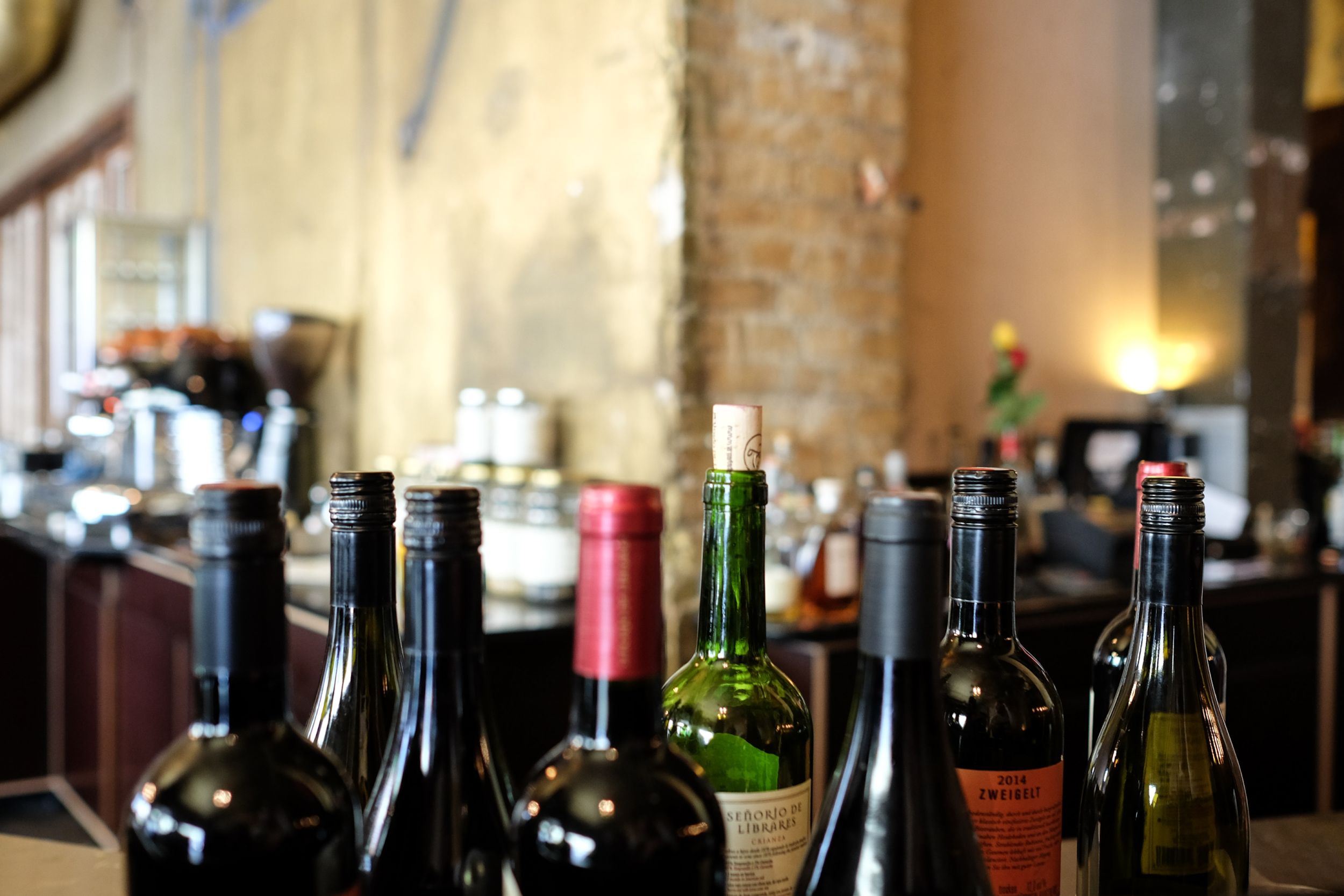
One crucial step in winemaking is the process of selecting an appropriate glass bottle. Why? Because a wine's identity is greatly influenced by its glass bottle. Often, the content of the bottle takes center stage in conversations and articles rather than the bottle itself. However, our attention today will be on elevating your wine packaging, specifically how wine bottles are packaged for distribution. In the last few years, wine packaging has experienced a radical shift. The invention of cans, tetra packs, and other packaging materials and innovations have changed the way producers think about wine packaging. However, glass bottles remain the traditional and preferred method for wine packaging. A typical wine bottle is made of glass and is available in a variety of sizes and forms. However, most wines are commonly packaged in 750 mL glass bottles. Glass bottles have been used for hundreds of years for wine packaging and have proven to be quite beneficial. However, this has not a
00

July 6, 2021
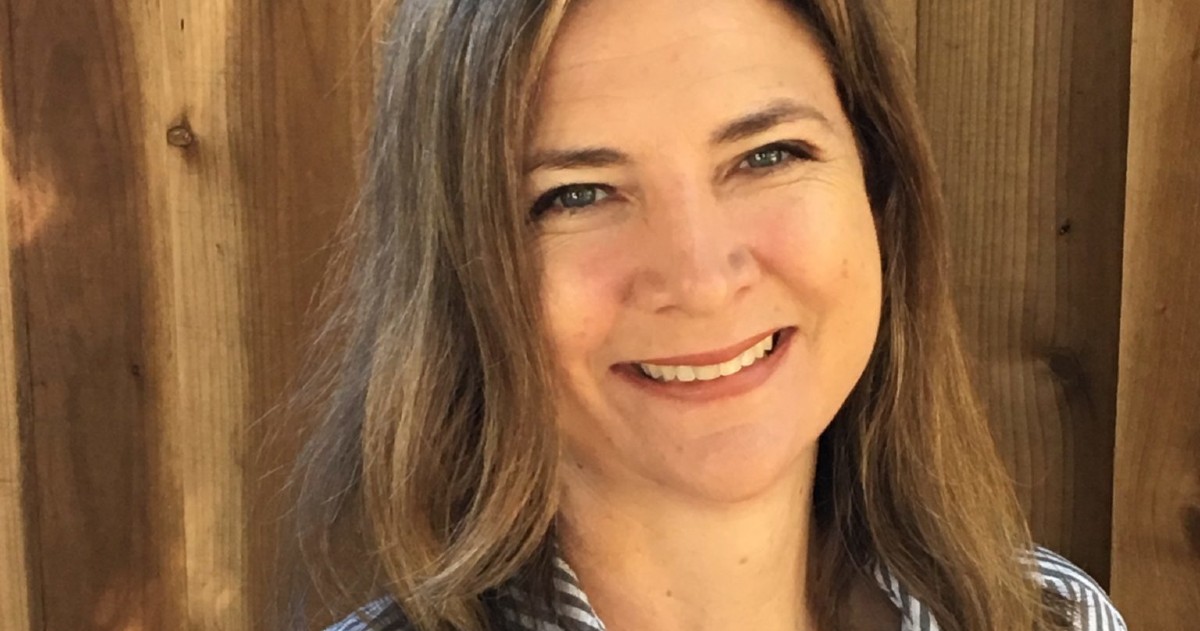
Bronwyn Dickson Ney is the founder of Bronwyn Ney Consulting, a marketing consulting firm focused on helping clients in wine, luxury, food, and hospitality. She is an expert in customer relationship marketing and has helped wineries drive significant growth over the years. We spoke with Bronwyn recently about luxury brands, stories, and connecting with the customer. Oh, and bacon. Listen to the full interview here or read along below: Milton Cornwell: I’m excited to share another installment in our expert series for the wine industry. Today, I have the pleasure of speaking with Bronwyn Ney, who has a fabulous background starting in luxury goods marketing with Sephora. She spent time with Clorox and ultimately held the Director of Marketing position with Hall Winery, and VP of Marketing and Direct with Knights Bridge. She now has her own consulting firm appropriately named Bronwyn Ney Marketing, which helps clients navigate the current marketing landscape. Her core focus on
00