
Filter Post Type
NewsVideoProductEventLink
Sort:
Most Recent
1–6 of 6


Maintaining wine balance in a changing climate Climate change is reshaping the wine industry. In many wine regions, each year seems to set new records for the hottest or driest growing season, followed by the earliest harvest dates yet. Such accelerated ripening is disrupting grape physiology; phenolic and aromatic development fall out of sync, sugar levels soar, and acidity drops away (1). So how can we adapt and build a more resilient wine sector? The answer to this question is multifaceted. In the vineyards, grape growers are rethinking their management practices, adjusting canopy architecture, introducing shading or optimising irrigation (1,2). Some are reaching for higher altitudes or moving further from the equator in search of cooler conditions (1). Others are trialling alternative heat- and drought-tolerant varieties, from long-forgotten cultivars to newly bred plant material. In the cellars, winemakers may turn to pragmatic solutions such as dilution or blending strategi
00

November 25, 2024
The fog along the California coast is alive — it flows from the Pacific Ocean up through passes in the protective coastal ranges and into the valleys like a tide. It rises into the hills and breathes before slowly receding to the valley floors and retreating through the mountains, across the sands and into the ocean waters. Toward the north, these fogs nurture the redwoods, and all along the coast, they provide relief from hot daytime temperatures for many wine country vineyards. The Niner Estate vineyards are near Paso Robles, about 20 miles from the Pacific Ocean. They are protected from the cold maritime winds by the Santa Lucia mountain range that parallels the coastline. One of the valleys the fog creeps through is the nearby Templeton Gap. For over a decade, Niner Wine Estates’ winemaker Patrick Muran has been crafting the Fog Catcher Bordeaux blend that he says is “named after the cool banks of fog we often see drifting over our vineyards on early mornings in
00


Verdi’s mission is to make modern irrigation automation accessible to all growers, regardless of vineyard size or type of irrigation system — even manual systems can be automated. Most automation solutions for irrigation are expensive and tailored toward the upper tier of vineyard operations. Existing systems also fail to address the worsening conditions farmers face, including labor shortages and environmental concerns such as droughts, water scarcity and new water usage monitoring requirements from the government. Yet, every grower needs to reduce water costs and waste and the time their team spends patrolling the vineyards for valve malfunctions and line breaks, as well as improve the quality and yield of their crop. As Verdi’s founders, CTO Roman Kozak and CEO Arthur Chen, worked to solve these problems, they realized the solution was to make the latest technology affordable and simple enough for farmers to install themselves. “Arthur and I
00
50 Years of Service by Steve Fredricks This year marks the 50th anniversary of Turrentine Brokerage—the golden anniversary, if you will. Dan Turrentine founded the company in 1973 after a long career in the wine industry with the Wine Institute and California Wine Advisory Board. He started the business to maintain the long-term personal relationships he had fostered since the 1940s. Since then, we have grown to 18 employees amassing a dizzying number of phone calls, miles driven (not possible to do at the same time in the early days!), samples shipped, faxes, pages (remember pagers?) transmitted, emails, and texts sent amounting to a remarkable number of gallons, tons, and cases brokered. Most important, we have logged countless stories of incredible experiences and successful deals completed. In short, our history parallels the recent history of California wine. It’s been quite a ride. Celebrating 50 years provides a great opportunity to reflect upon our
00

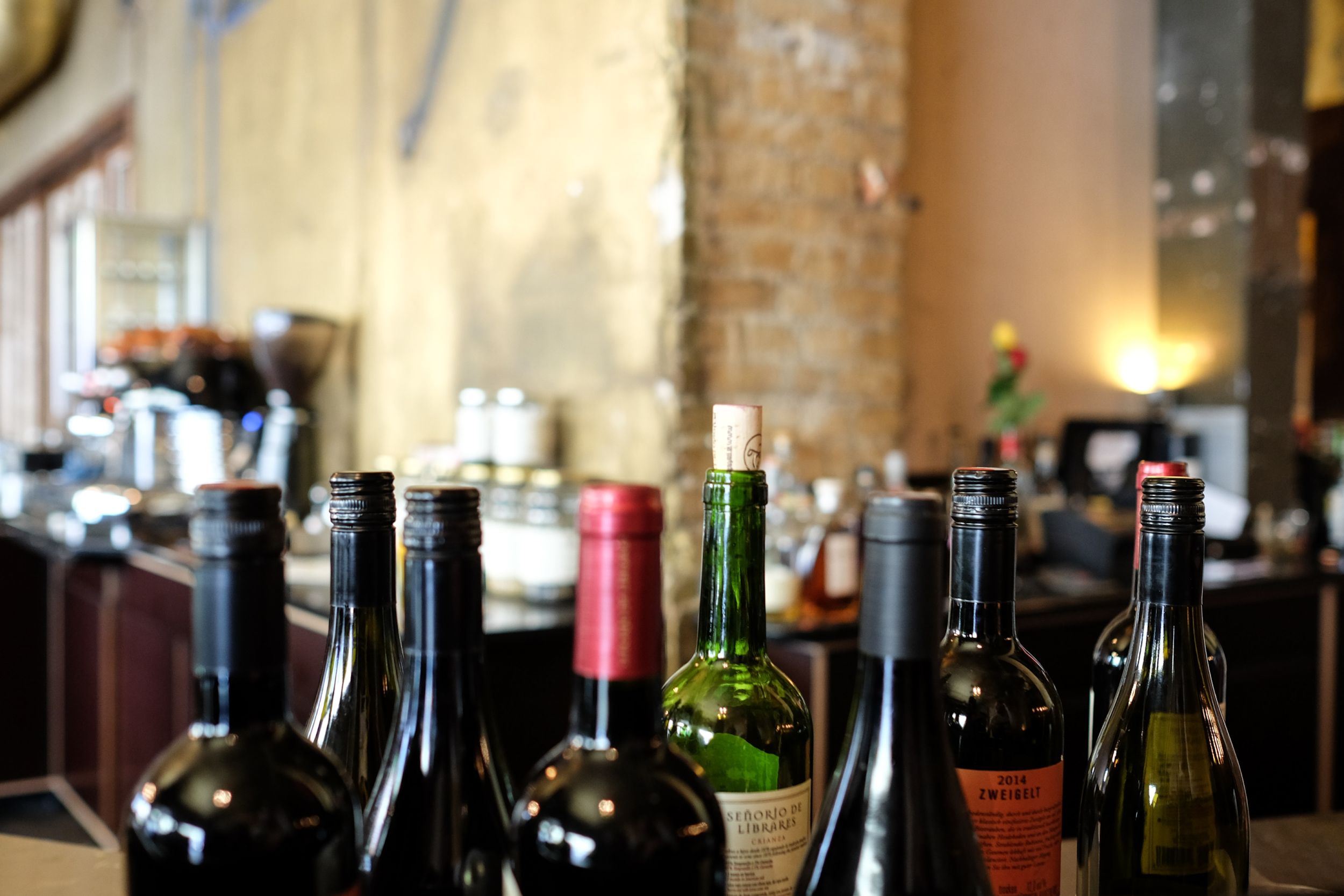
One crucial step in winemaking is the process of selecting an appropriate glass bottle. Why? Because a wine's identity is greatly influenced by its glass bottle. Often, the content of the bottle takes center stage in conversations and articles rather than the bottle itself. However, our attention today will be on elevating your wine packaging, specifically how wine bottles are packaged for distribution. In the last few years, wine packaging has experienced a radical shift. The invention of cans, tetra packs, and other packaging materials and innovations have changed the way producers think about wine packaging. However, glass bottles remain the traditional and preferred method for wine packaging. A typical wine bottle is made of glass and is available in a variety of sizes and forms. However, most wines are commonly packaged in 750 mL glass bottles. Glass bottles have been used for hundreds of years for wine packaging and have proven to be quite beneficial. However, this has not a
00

Afternoon Brief, June 21st
What Tourism Downturn? Napa Wineries Report off-the-Charts Demand for $500-Plus Tastings: Luxury experiences with limo rides and vintage airplane aerobatics are on the rise...
00