
Filter Post Type
NewsVideoProductEventLink
Sort:
Most Recent
Tagged:Packaging Trends
1–2 of 2
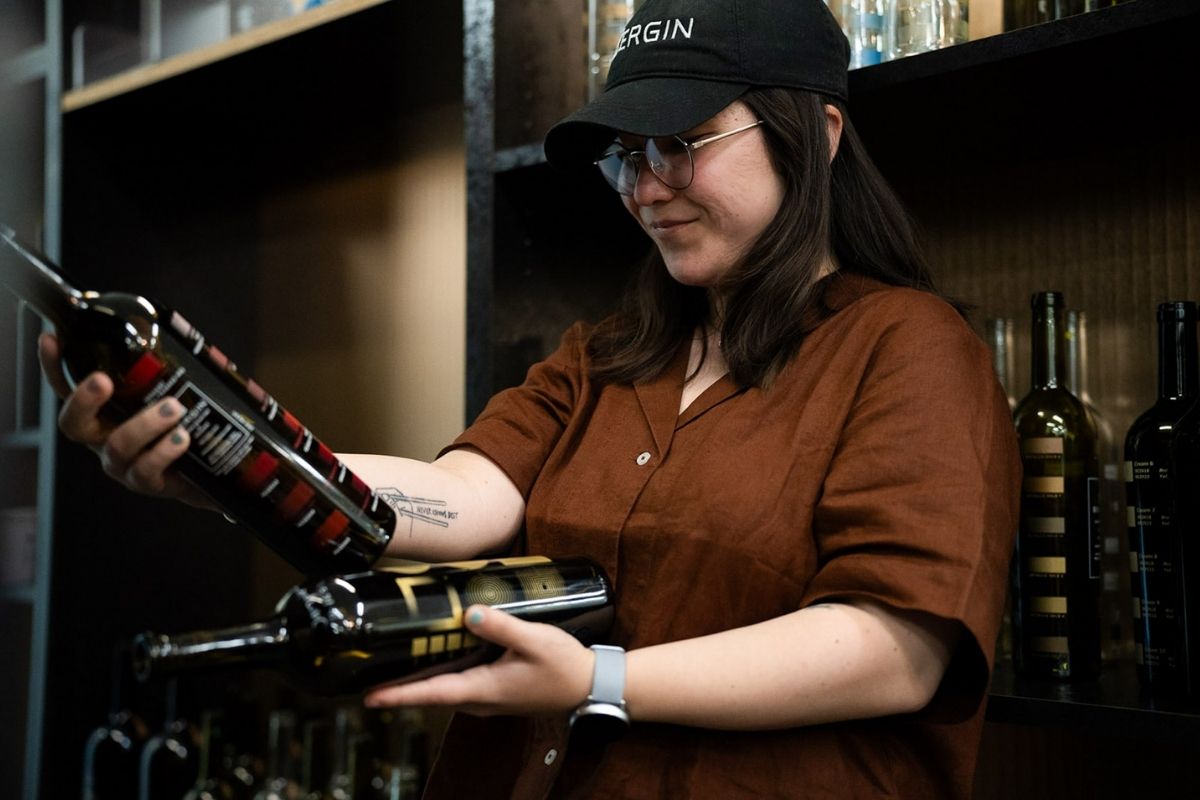
Over thirty-five years of crafting wine bottle labels in Napa Valley has taught us something essential: wine packaging trends aren’t just about following fashion – they’re about understanding how design psychology translates into purchasing decisions. When a winery invests in thoughtful packaging, they’re not just decorating bottles; they’re building brand equity that drives measurable sales growth. If you’re looking for insight into where packaging is headed and how it shapes the customer experience, we invite you to read along. Here’s a glimpse of what we cover: Why Wine Packaging Design Drives Sales for Wineries – How packaging functions as a silent sales team and the shift from shelf appeal to brand storytelling. How Packaging Impacts First-Time vs. Repeat Purchases – What captures new buyers’ attention and keeps loyal customers coming back. Segmenting Wine Consumers by Packaging Preferences – What different dem
00
September 12, 2025

The 2026 edition of Verallia’s Trend Book developed in collaboration with Carlin Creative, highlights deep and lasting transformations in consumer behaviors across the food and beverage sectors. Consumers increasingly seek authenticity, functional benefits, and formats that foster togetherness. These shifts are prompting brands to view packaging not merely as a container, but as a strategic asset at the heart of their relationship with consumers. Profound and lasting market shifts The food and beverage industry is undergoing structural change. This particularly evident in wine and spirits, where moderation has emerged as a defining global trend. At the same time, new categories are gaining traction, most notably no-and low-alcohol beverages, which are expected to grow by 7% annually between 2023 and 2026 (IWSR, 2025). This reflects a broader cultural shift: moderation is no longer a marginal trend or limited to younger demographics, but a mainstream behavior across generat
00