
Filter Post Type
NewsVideoProductEventLink
Sort:
Most Recent
1–5 of 5

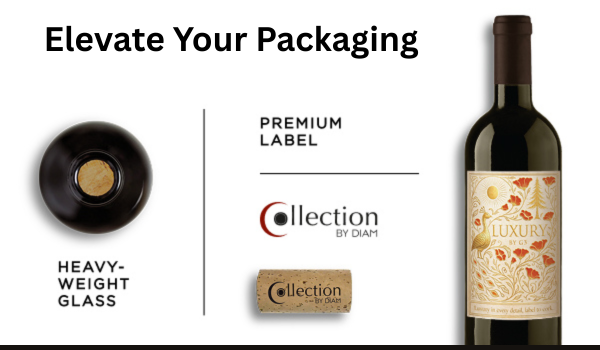
Premium Pack At G3, we understand that truly exceptional wines deserve packaging that reflects their quality, heritage, and distinction. Our Premium Pack is designed for wineries seeking to make a bold statement through refined aesthetics, superior materials, and uncompromising attention to detail. Request Pricing GTREE™ Paper Stock with EarthCoating Premium label solutions that bring brands to life with precision and creativity. Our technical knowledge and expert craftsmanship ensure vibrant color, tactile detail, and lasting performance across every design. From specialty finishes to sustainable materials, we tailor each label to reflect your brand's vision and elevate shelf impact. Our Solutions Collection by Diam® Corks Closures that combine a high-precision micro-agglomerated cork core with an elegantly clad outer sheet of carefully selected natural cork, using a patented manufacturing technique. TCA Free and engineered for consistent mechanical performance and ox
00

September 11, 2025
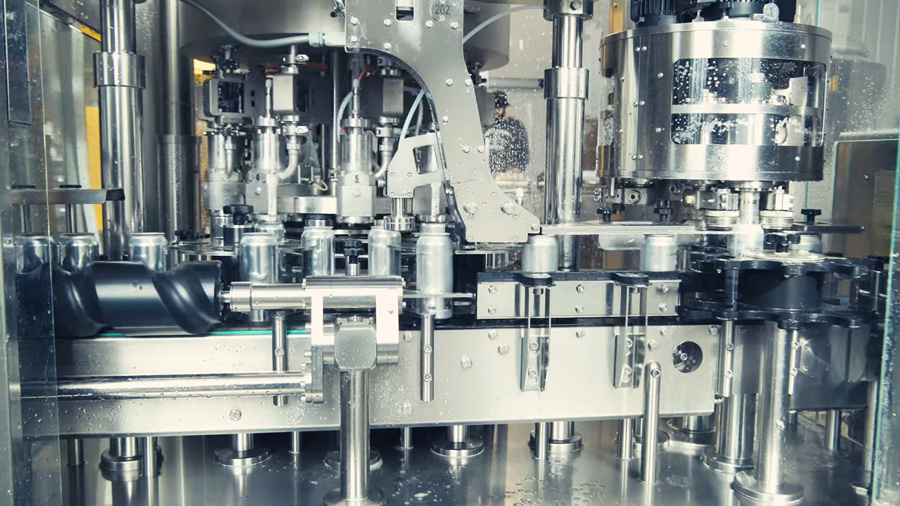
In today’s craft beverage industry, cans have officially claimed the crown. Lightweight, durable, recyclable, and favored by retailers and consumers alike, aluminum cans are now the go-to format for packaging everything from flagship IPAs to water and everything in between. For breweries scaling up from taproom sales or mobile canning services, investing in an in-house canning line can be a game-changing step toward growth, quality control, and brand presence. For energy drinks or water, embracing the aluminum trend can play into sustainability and branding opportunities that connect with audiences across North America. At Prospero Equipment Corp., we’ve spent decades helping beverage manufacturers evolve their production and packaging systems. With premium canning and labeling solutions from our trusted partners like GAI and Makro, we support craft producers in building packaging lines that perform today and evolve for tomorrow. Here’s what to consider as you plan y
00
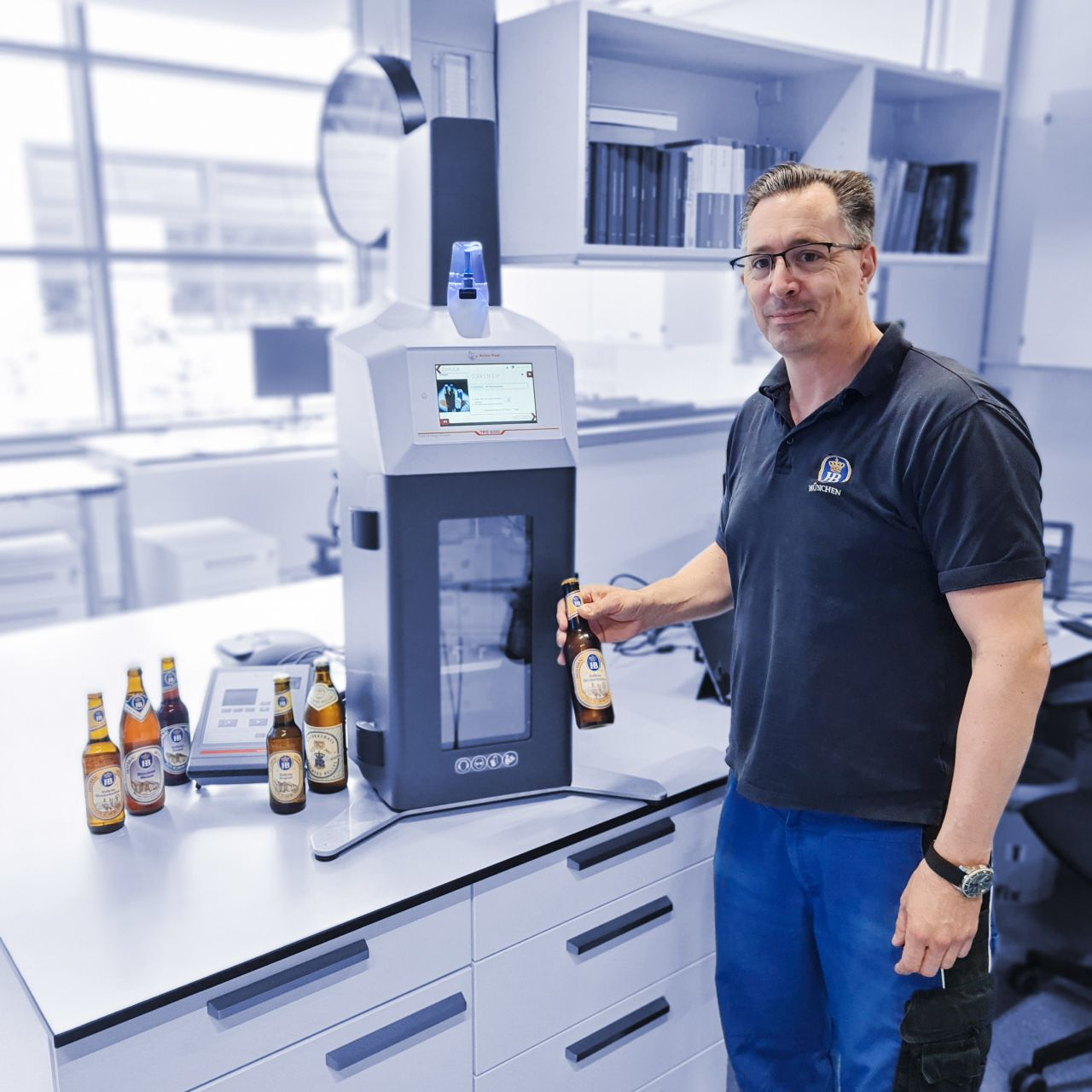
Hofbräu München and Anton Paar: Brewing Classic Beer Together Located in Munich, Germany, the “Hofbräu München”
brewery brews the beer for the “Hofbräuhaus,” one of
the world’s most famous beer halls. With Anton Paar’s
help, it produces well over 340,000 hectoliters of
beer annually. A trust-based partnership According to Christian Beetz, brewer and deputy laboratory manager at
the brewery, “With a reputation for producing stable, practical, and precise
instruments, we knew we could trust Anton Paar.” So Hofbräu München has
steadily expanded its measuring points with Anton Paar devices and built them
into its QC network.
“Since we had so many parameters we needed to measure,” remembers Beetz,
head of quality assurance Thomas Brandt bought two of Anton Paar’s Alcolyzer
Beer Analyzing Systems to automatically analyze alcohol and other parameters
in our laboratory.
00
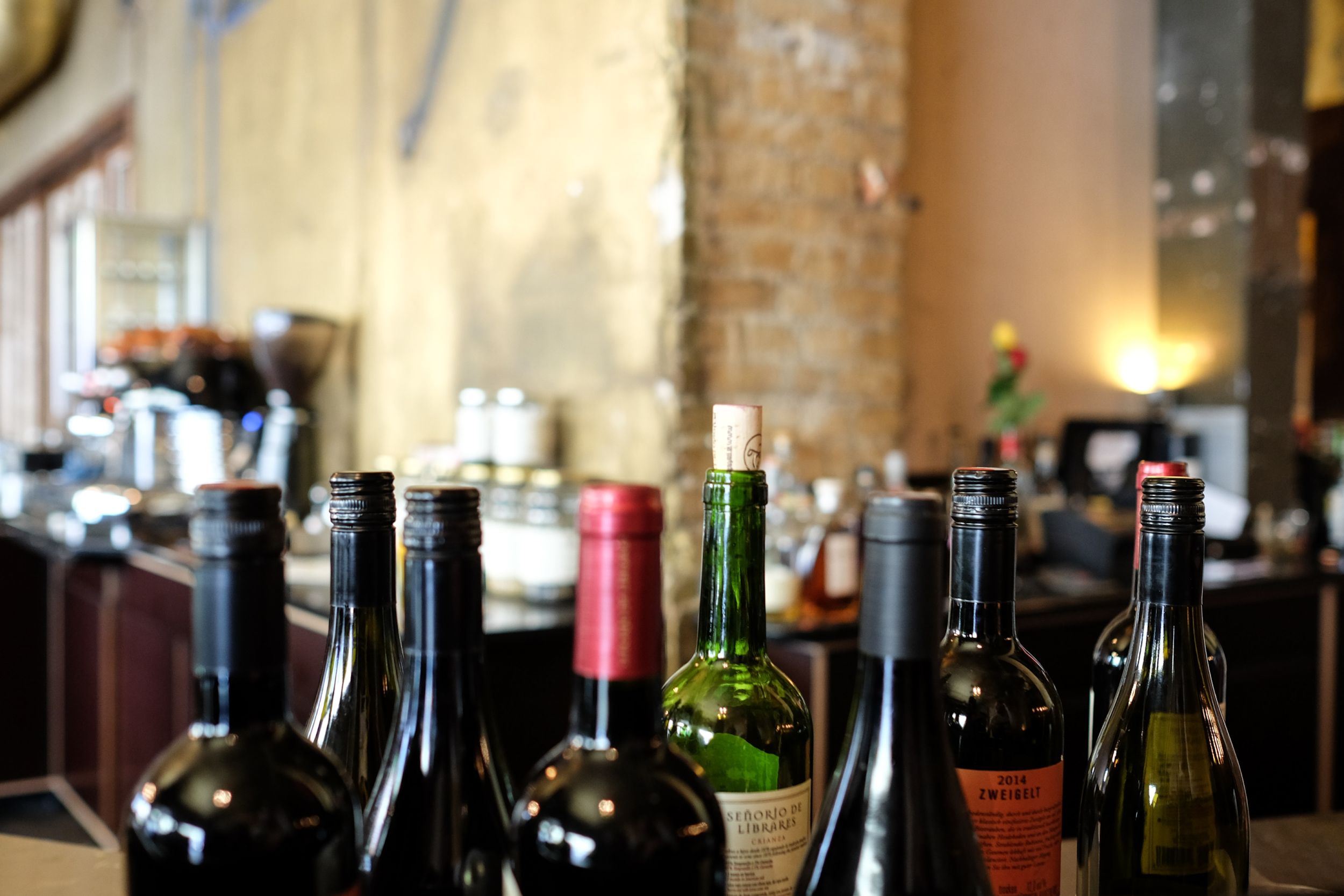
One crucial step in winemaking is the process of selecting an appropriate glass bottle. Why? Because a wine's identity is greatly influenced by its glass bottle. Often, the content of the bottle takes center stage in conversations and articles rather than the bottle itself. However, our attention today will be on elevating your wine packaging, specifically how wine bottles are packaged for distribution. In the last few years, wine packaging has experienced a radical shift. The invention of cans, tetra packs, and other packaging materials and innovations have changed the way producers think about wine packaging. However, glass bottles remain the traditional and preferred method for wine packaging. A typical wine bottle is made of glass and is available in a variety of sizes and forms. However, most wines are commonly packaged in 750 mL glass bottles. Glass bottles have been used for hundreds of years for wine packaging and have proven to be quite beneficial. However, this has not a
00
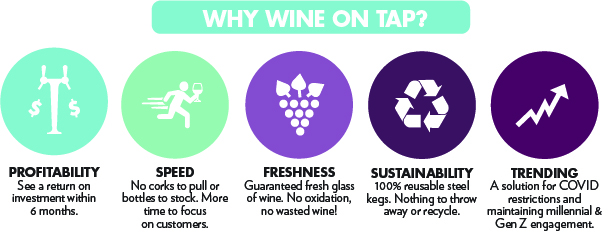
Wine on tap has its fair share of myths. We at Free Flow Wines want to debunk those myths and help wineries, restaurants, hotels, and other venues expand their zero-waste efforts by switching their by-the-glass wine programs from glass bottles to steel kegs. Myth #1: Only low-quality wine is packaged in a keg & served on tap Quite the contrary! Quality preservation is the primary reason for pouring wines on tap. If a winery wants to sell on-premise, they may choose to keg their wine instead of bottling it. The steel keg will preserve freshness from the first pour to the last. Bottles used for by-the-glass programs can be problematic for a variety of reasons: Wine may be corked Bottles opened for too long will oxidize the wine Bottles are often not stored properly and can spoil the wine Glass bottles can expose the wine to sunlight or heat Staff may not be able to assess an opened bottle’s quality All these factors impact the consumer and their impression of that glass a
00