


Filter Post Type
NewsVideoProductEventLink
Sort:
Most Recent
1–10 of 13

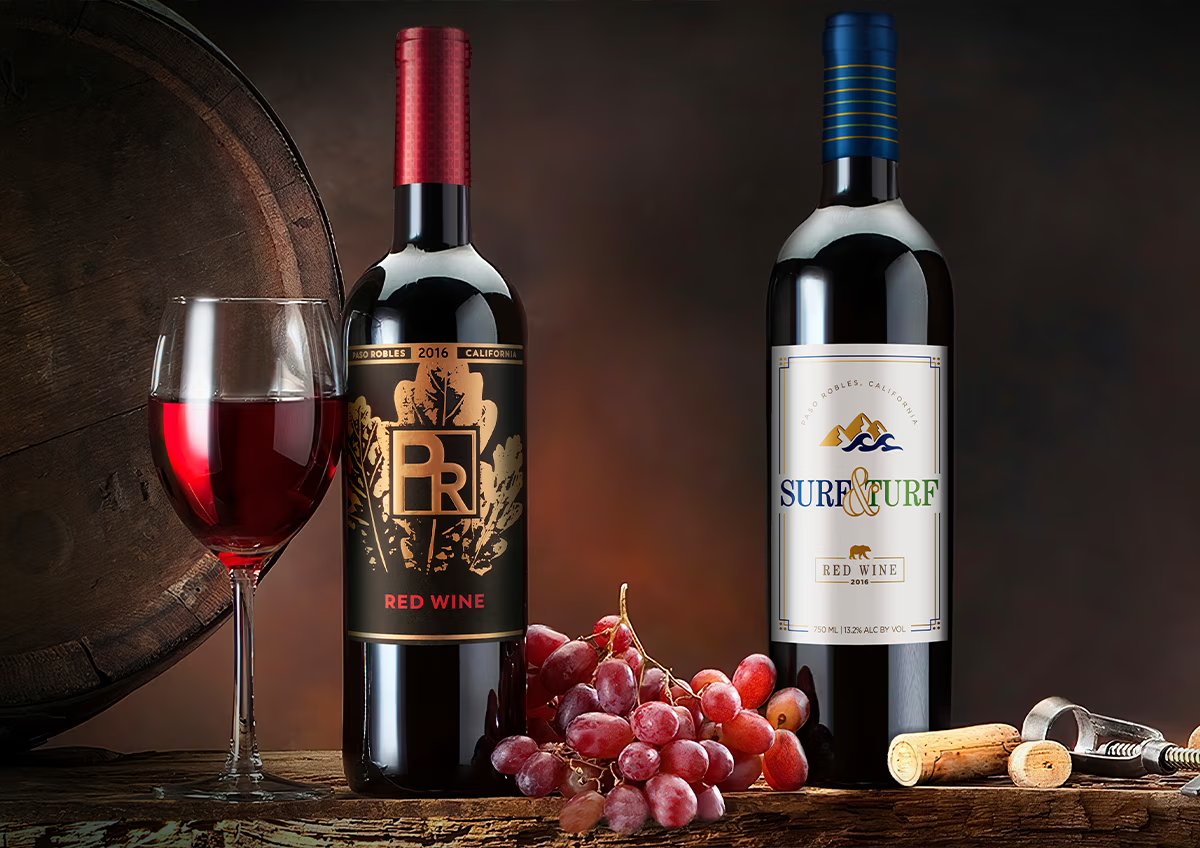
A look at the trends influencing wine packaging design & innovation. Introduction U.S. wine total volume is expected to remain relatively flat for the next several years, while value will grow due to price increases and the persistence of the premiumization trend. In the crowded and increasingly challenging wine market, effective package design can help a brand get noticed and appeal to consumers. This report looks at several key trends impacting wine package design, from authentic storytelling to interactive engagement to environmentally and socially responsible solutions. Authenticity According to a recent GlobalData study, three out of four consumers consider product/brand authenticity essential or nice to have when making purchase decisions. This attitude is especially true among older generations and higher-income earners, a key demographic for wine sellers. Authentic brands are perceived as genuine, original, and transparent, providing quality assurance and trust. Euromon
00
February 13, 2025
The labelling industry is no stranger to change. Each year, new regulations emerge that impact how businesses package and label their products. These changes often stem from government updates, industry standards, and consumer expectations for transparency and safety. For 2025, several key regulatory updates will require businesses to adapt their labelling practices to ensure compliance and maintain consumer trust. In this article, we’ll explore the upcoming regulatory changes, why they matter, and how your business can stay ahead of the curve. From ingredient transparency to sustainability requirements, here’s everything manufacturers need to know to navigate labelling regulations in 2025. Why Regulatory Compliance in Labelling Matters Labels play a critical role in product communication. They inform consumers about what’s inside the packaging, how to use the product safely, and whether it aligns with their values (e.g., organic, cruelty-free). Regulatory compliance
00
Organic and vegan wine production has been growing exponentially in recent years due to consumer demand for natural wines, which are free of allergens, proteins of animal origin and/or SO2. For this reason, Enartis has focused on the development of products of natural, vegetal and microbiological origins which produce high-quality wines that are no less traditional than wines produced using SO2 and animal-derived fining agents. Chitosan can be used to replace or reduce the use of SO2 for microbiological and antioxidant control while plant-based fining agents remove undesirable compounds that can interfere with the quality and shelf life of wine. READ FULL NEWSLETTER
00

Afternoon Brief, June 12th
Shafer Acquires ‘World Class’ Napa Vineyard: California’s Shafer Vineyards has supercharged its Cabernet Sauvignon offering with its latest purchase, a vineyard in Napa’s Atlas Peak AVA...
Shafer VineyardsBonterra Organic EstatesKing Andrews VineyardsMoulds Family VineyardPhelan FarmColorado Association for Viticulture & EnologyWine Compliance AllianceSevenfiftyChateau Ste. MichelleSonoma County VintnersBâtonnage ForumThe Fabulous Ladies’ Wine SocietyWoodward Canyon WineryVino VaultLeef Water IncG3 EnterprisesATPGroupSpring Mountain VineyardOrigins Organic ImportsDecanterBrecon EstateChâteau de la Commaraine
00
March 14, 2022

Origins Organic Imports Appoints Susan-Anne Cosgrove Vice President of Global Marketing
Miami, FL, March 15, 2022 – Origins Organic Imports has named Susan-Anne Cosgrove to the newly created post of vice president of global marketing. (Head shot attached.) In her new role, Cosgrove […]
00